Why Pet Owners in Sunbury Need Higher MERV Rated Air Filters
Pet owners in Sunbury face unique air quality challenges that standard HVAC filters simply cannot handle. With Ohio’s high humidity levels and the constant shedding from our furry companions, pet dander circulates through homes at alarming rates. This microscopic debris triggers allergies, creates persistent odors, and forces HVAC systems to work harder than necessary. The solution lies in upgrading to higher MERV rated filters specifically designed to capture pet-related particles while maintaining proper airflow through your system. Improving the Air Quality in Your Older Clintonville Home.
Sunbury’s climate creates the perfect storm for indoor air quality issues. The area’s clay-heavy soil contributes to higher dust levels, while seasonal pollen adds another layer of airborne irritants. When combined with pet hair and dander, your HVAC system becomes a collection point for allergens that affect every room in your home. Higher MERV filters act as the first line of defense, trapping particles as small as 0.3 microns that standard filters miss entirely. Troubleshooting AC Issues.
How Pet Dander Affects Your HVAC System
Pet dander consists of microscopic skin flakes that pets shed continuously. These particles measure between 0.5 and 10 microns in size, making them invisible to the naked eye but problematic for air quality. Standard MERV 8 filters capture particles as small as 3 microns, meaning most pet dander passes right through. This creates a cycle where dander accumulates on evaporator coils, blower motors, and ductwork, reducing system efficiency and potentially causing expensive repairs. EPA Indoor Air Quality Guidelines.
The impact extends beyond air quality. Pet hair tangles around blower motor shafts, creating friction that increases energy consumption. Dander buildup on evaporator coils acts as insulation, preventing proper heat exchange and forcing your system to run longer cycles. In Sunbury’s humid summers, this moisture-laden dander becomes a breeding ground for mold and bacteria, creating health hazards that affect everyone in the household.. Read more about Is an Ultraviolet Light System Actually Worth It for Your Harrison West Home.
Understanding MERV Ratings for Pet Owners
MERV stands for Minimum Efficiency Reporting Value, a standardized rating system that measures a filter’s ability to capture particles of specific sizes. The scale ranges from 1 to 20, with higher numbers indicating better filtration. For pet owners, the sweet spot typically falls between MERV 11 and MERV 13, balancing filtration efficiency with airflow requirements.
MERV 11 filters capture 85% of particles between 3 and 10 microns and 50% of particles between 1 and 3 microns. This includes most pet dander, dust mites, and mold spores. MERV 13 filters step up the game, capturing 90% of particles between 3 and 10 microns and 75% of particles between 1 and 3 microns. They also begin capturing bacteria and tobacco smoke particles, providing additional protection for allergy sufferers.
However, higher MERV ratings create increased air resistance. Your HVAC system’s blower motor must work harder to push air through dense filtration media. This is why professional assessment matters. A NATE-certified technician can evaluate your system’s static pressure and recommend the optimal MERV rating that maximizes filtration without compromising airflow or energy efficiency.
Top Filter Options for Sunbury Pet Owners
Selecting the right filter involves more than just choosing the highest MERV rating available. Consider your specific situation: the number of pets, their shedding patterns, household allergies, and your HVAC system’s capabilities. Here are the most effective options for Sunbury homes.
Best Overall: MERV 11 Pleated Filters
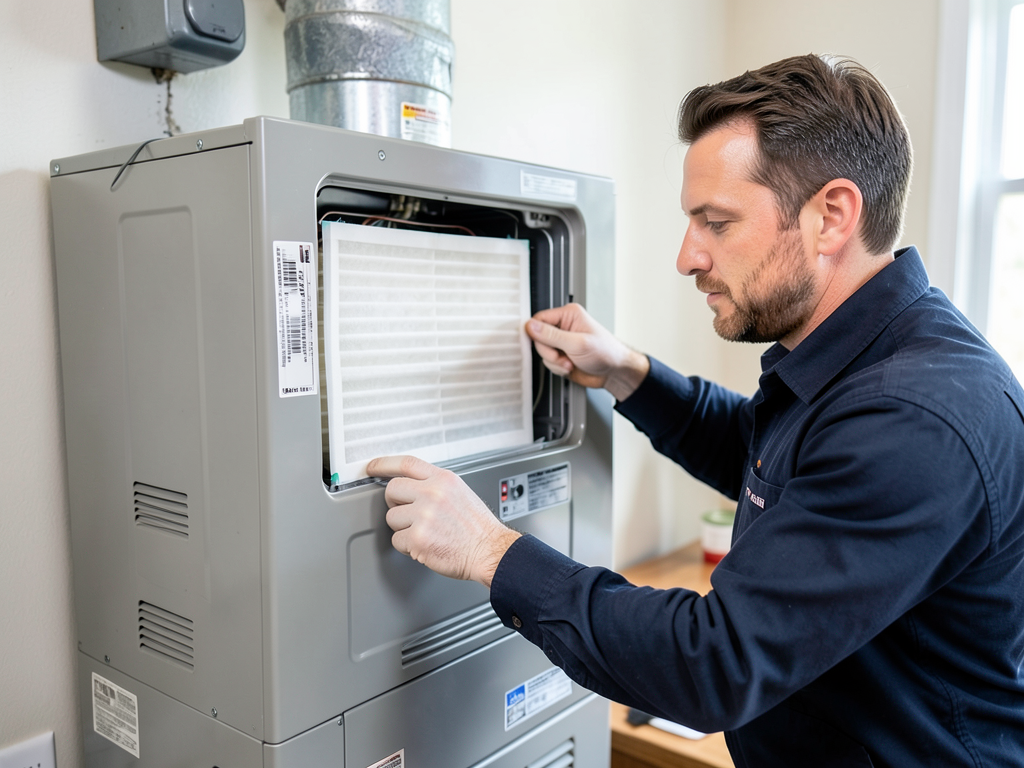
MERV 11 pleated filters offer the best balance of filtration and airflow for most Sunbury homes with pets. These filters use electrostatically charged media that attracts and captures pet dander, dust, and pollen. The pleated design increases surface area, allowing for better airflow while maintaining high filtration efficiency. Most systems handle MERV 11 without requiring blower motor modifications.
Replace these filters every 60-90 days in single-pet households, or every 30-45 days if you have multiple pets or severe allergy sufferers. The Ohio Environmental Protection Agency recommends more frequent changes during high pollen seasons, typically March through June and September through November.. Read more about Keeping Your Pets Safe and Cool During a Columbus Power Outage.
Best for Odor Control: Carbon-Layered Filters
Pet odors originate from oils, dander, and waste products that become airborne. Carbon-layered filters incorporate activated charcoal that absorbs these odor-causing molecules. These filters typically combine MERV 8 or MERV 11 filtration media with a carbon layer, capturing both particles and gases.
The carbon layer neutralizes volatile organic compounds (VOCs) that cause pet odors, including ammonia from litter boxes and oils from pet skin. While slightly more expensive than standard pleated filters, they provide noticeable odor reduction within 24-48 hours of installation. Replace every 60 days to maintain effectiveness.
Best for Allergies: HEPA-Grade Filters with Caution
True HEPA filters capture 99.97% of particles 0.3 microns and larger, providing hospital-grade air purification. However, standard residential HVAC systems cannot handle the airflow restriction of true HEPA filters. Instead, look for HEPA-grade filters with MERV ratings between 13 and 16.
These high-efficiency filters require professional assessment before installation. Your system may need blower motor upgrades or ductwork modifications to handle the increased static pressure. Some Sunbury homes benefit from HEPA bypass systems that install alongside existing HVAC equipment, providing true HEPA filtration without system modifications.
Maintenance Schedule for Ohio Seasons
Central Ohio’s seasonal variations demand different filter maintenance schedules throughout the year. Understanding these patterns helps maintain optimal air quality while protecting your HVAC investment.
Spring brings high pollen counts and increased humidity, creating ideal conditions for mold growth. Replace MERV 11 filters every 30-45 days during April and May. Consider upgrading to MERV 13 during peak allergy season if your system can handle the increased static pressure. Upgrading to a Smart Thermostat in Grandview Heights to Lower Your Electric Bill.
Summer’s humidity accelerates filter loading. Pet dander absorbs moisture, becoming heavier and more likely to clog filters. Check filters monthly during June through August, replacing when you notice visible discoloration or reduced airflow from vents.
Fall introduces ragweed pollen and falling leaves that track indoor. September and October require bi-monthly filter changes in multi-pet households. The combination of outdoor allergens and indoor pet shedding creates maximum loading conditions.
Winter’s dry air reduces some allergen activity but increases static electricity, causing pet hair to float longer before settling. Three-month filter changes work during December through February, but check monthly if you notice dust accumulation on furniture.
Expert Tips to Extend Your HVAC Life with Pets
Beyond filter selection, several strategies protect your HVAC system while improving air quality. These professional recommendations come from years of experience servicing Sunbury homes with pets.
Install a whole-house air purifier that works with your existing HVAC system. These units use UV light technology to kill bacteria, viruses, and mold spores that pass through standard filters. They also reduce the biological load on your system, extending the life of expensive components like evaporator coils.
Consider duct cleaning every 3-5 years if you have multiple pets. Professional duct cleaning removes accumulated pet hair, dander, and dust that standard filters cannot capture. This service typically costs between $300-$500 for an average Sunbury home but can prevent thousands in premature system replacement.
Maintain proper humidity levels between 30-50%. Too much humidity creates mold growth; too little causes static electricity that keeps particles airborne longer. A whole-house humidifier or dehumidifier integrated with your HVAC system provides automatic control based on outdoor conditions.
Schedule annual professional maintenance that includes coil cleaning and blower motor inspection. Pet hair and dander accumulate on evaporator coils, reducing heat exchange efficiency by up to 30%. Professional cleaning restores original efficiency and prevents the cascading failures that lead to system replacement.
Train pets to avoid HVAC vents. Pet hair naturally flows toward air returns, creating concentrated loading that can overwhelm even high-quality filters. Use pet-safe deterrents or physical barriers to keep pets away from floor vents and air returns.
Consider zoned HVAC systems if you have multiple pets or severe allergy sufferers. Zoning allows different areas of your home to operate at different temperatures while maintaining optimal air quality in occupied spaces. This targeted approach reduces energy consumption while improving comfort.
Common Mistakes Pet Owners Make
Many pet owners unknowingly damage their HVAC systems through well-intentioned but misguided actions. Understanding these common mistakes helps you avoid costly repairs and maintain better air quality. The Honest Guide to Replacing Your Upper Arlington Furnace This Winter.
Using the wrong filter size ranks as the most common error. Filters that are too small allow air to bypass the filtration media entirely, while oversized filters create gaps that reduce effectiveness. Always verify your system’s exact filter dimensions before purchasing replacements.
Ignoring filter direction causes reduced efficiency and potential system damage. Filters have an airflow arrow indicating proper installation direction. Installing filters backward forces air through the support grid first, reducing filtration effectiveness by up to 50%.
Over-filtering without system assessment creates more problems than it solves. MERV 16 filters in standard residential systems can reduce airflow by 50% or more, causing frozen coils, compressor failure, and dramatically increased energy bills. Professional assessment prevents these costly mistakes.
Neglecting other system components while focusing solely on filters creates imbalanced maintenance. Dirty blower wheels, clogged condensate drains, and contaminated ductwork undermine even the best filtration strategy. Comprehensive maintenance addresses all system components, not just the filter.
Using washable filters seems economical but often proves counterproductive. These filters typically have MERV ratings between 1 and 4, providing minimal pet dander capture. They also require perfect drying before reinstallation, as any moisture creates mold growth that contaminates your entire system.
When to Call a Professional
Certain situations require professional HVAC expertise beyond simple filter replacement. Recognizing these scenarios prevents minor issues from becoming major expenses.
Reduced airflow from multiple vents indicates potential system issues beyond dirty filters. This could signal blower motor failure, duct leakage, or incorrect system sizing. Professional diagnosis using specialized tools like anemometers and manometers identifies the exact cause and solution.
Unusual system noises often indicate mechanical problems exacerbated by pet hair accumulation. Grinding sounds suggest bearing wear from hair wrapping around shafts. Clicking noises may indicate relay problems caused by electrical arcing from contaminated components.
Uneven heating or cooling throughout your home suggests airflow distribution problems. This could result from clogged ducts, incorrect damper settings, or system imbalance. Professional duct testing and balancing restores proper airflow to all rooms.
High energy bills without obvious causes often trace back to reduced system efficiency from pet-related contamination. Professional efficiency testing measures actual system performance versus design specifications, identifying opportunities for improvement.
Visible mold growth around vents or on ductwork requires immediate professional attention. This indicates moisture problems that could stem from incorrect system sizing, duct leakage, or indoor humidity issues. Professional remediation addresses both symptoms and underlying causes.
Frequently Asked Questions
Can I use the highest MERV filter available for my pet allergies?
Not necessarily. While higher MERV ratings capture more particles, they also restrict airflow. Most residential systems cannot handle MERV 16 filters without modifications. A NATE-certified technician should evaluate your system’s static pressure before upgrading beyond MERV 13 to ensure compatibility.
How much do higher MERV filters cost compared to standard filters?
MERV 11 filters typically cost $15-$25 each, while MERV 13 filters range from $20-$35. Standard MERV 8 filters cost $5-$15. The price difference is offset by improved air quality, reduced allergy symptoms, and potentially lower HVAC repair costs over time.
Will higher MERV filters eliminate all pet odors?
Higher MERV filters reduce airborne particles that contribute to odors, but they don’t eliminate all odor sources. For complete odor control, consider activated carbon filters or whole-house air purifiers that address both particulate and gaseous pollutants.
How do I know if my HVAC system can handle MERV 13 filters?
A professional static pressure test determines your system’s capacity. Most modern systems manufactured after 2010 can handle MERV 13, but older systems may require blower motor upgrades or ductwork modifications. Never upgrade without professional assessment to avoid system damage.
Should I replace filters more often during Ohio’s humid summers?
Yes. High humidity causes pet dander to absorb moisture and become heavier, loading filters faster. Check filters monthly during June through August and replace when you notice visible discoloration or reduced airflow from vents.
Take Control of Your Indoor Air Quality Today
Pet owners in Sunbury deserve clean, healthy air without compromising their HVAC system’s performance. The right combination of high-quality filters, professional maintenance, and smart home strategies creates an environment where both you and your pets can thrive. Where to Find 24 Hour Emergency HVAC Help Anywhere in Columbus.
Don’t wait until poor air quality affects your family’s health or your HVAC system fails unexpectedly. Our NATE-certified technicians understand the unique challenges Sunbury pet owners face and can recommend the perfect filtration solution for your specific situation.
Call (380) 253-3188 today to schedule your professional HVAC assessment. We’ll evaluate your current system, test static pressure, and recommend the optimal MERV rating that balances filtration efficiency with system longevity. Your pets will thank you, and you’ll breathe easier knowing your home’s air quality is under control.
Pick up the phone and call (380) 253-3188 before the next allergy season hits. Clean air isn’t just a luxury—it’s essential for your family’s health and comfort. Let us help you create the perfect indoor environment for your Sunbury home. For more information, visit ASHRAE HVAC Standards.
You may also find this helpful. How Much Dust is Actually Normal in a Well Maintained Mifflin Township Home.
{
“@context”: “https://schema.org”,
“@type”: “BlogPosting”,
“headline”: “Why Pet Owners in Sunbury Need Higher MERV Rated Air Filters”,
“description”: “Discover why Sunbury pet owners need MERV 11+ filters for cleaner air. Learn how pet dander affects HVAC systems and find the best filter options for your home.”,
“wordCount”: 2213,
“datePublished”: “2026-03-12T11:27:00.000Z”,
“dateModified”: “2026-03-12T11:27:00.000Z”,
“inLanguage”: “en-US”,
“mainEntityOfPage”: {
“@type”: “WebPage”,
“@id”: “https://grandhvaccolumbus.com”
},
“publisher”: {
“@type”: “LocalBusiness”,
“name”: “Grand HVAC Columbus”,
“url”: “https://grandhvaccolumbus.com”
},
“author”: {
“@type”: “Organization”,
“name”: “Grand HVAC Columbus”,
“url”: “https://grandhvaccolumbus.com”
},
“image”: {
“@type”: “ImageObject”,
“url”: “https://grandhvaccolumbus.com/wp-content/uploads/2026/03/why-pet-owners-in-sunbury-need-higher-merv-rated-a-1.png”
}
}
{
“@context”: “https://schema.org”,
“@type”: “HVACBusiness”,
“name”: “Grand HVAC Columbus”,
“url”: “https://grandhvaccolumbus.com”,
“address”: {
“@type”: “PostalAddress”,
“addressLocality”: “Columbus”
},
“areaServed”: {
“@type”: “City”,
“name”: “Columbus”
}
}
{
“@context”: “https://schema.org”,
“@type”: “FAQPage”,
“mainEntity”: [
{
“@type”: “Question”,
“name”: “Can I use the highest MERV filter available for my pet allergies?”,
“acceptedAnswer”: {
“@type”: “Answer”,
“text”: “Not necessarily. While higher MERV ratings capture more particles, they also restrict airflow. Most residential systems cannot handle MERV 16 filters without modifications. A NATE-certified technician should evaluate your system’s static pressure before upgrading beyond MERV 13 to ensure compatibility.”
}
},
{
“@type”: “Question”,
“name”: “How much do higher MERV filters cost compared to standard filters?”,
“acceptedAnswer”: {
“@type”: “Answer”,
“text”: “MERV 11 filters typically cost $15-$25 each, while MERV 13 filters range from $20-$35. Standard MERV 8 filters cost $5-$15. The price difference is offset by improved air quality, reduced allergy symptoms, and potentially lower HVAC repair costs over time.”
}
},
{
“@type”: “Question”,
“name”: “Will higher MERV filters eliminate all pet odors?”,
“acceptedAnswer”: {
“@type”: “Answer”,
“text”: “Higher MERV filters reduce airborne particles that contribute to odors, but they don’t eliminate all odor sources. For complete odor control, consider activated carbon filters or whole-house air purifiers that address both particulate and gaseous pollutants.”
}
},
{
“@type”: “Question”,
“name”: “How do I know if my HVAC system can handle MERV 13 filters?”,
“acceptedAnswer”: {
“@type”: “Answer”,
“text”: “A professional static pressure test determines your system’s capacity. Most modern systems manufactured after 2010 can handle MERV 13, but older systems may require blower motor upgrades or ductwork modifications. Never upgrade without professional assessment to avoid system damage.”
}
},
{
“@type”: “Question”,
“name”: “Should I replace filters more often during Ohio’s humid summers?”,
“acceptedAnswer”: {
“@type”: “Answer”,
“text”: “Yes. High humidity causes pet dander to absorb moisture and become heavier, loading filters faster. Check filters monthly during June through August and replace when you notice visible discoloration or reduced airflow from vents.”
}
}
]
}
{
“@context”: “https://schema.org”,
“@type”: “BreadcrumbList”,
“itemListElement”: [
{
“@type”: “ListItem”,
“position”: 1,
“name”: “Home”,
“item”: “https://grandhvaccolumbus.com”
},
{
“@type”: “ListItem”,
“position”: 2,
“name”: “Blog”,
“item”: “https://grandhvaccolumbus.com/blog”
},
{
“@type”: “ListItem”,
“position”: 3,
“name”: “Why Pet Owners in Sunbury Need Higher MERV Rated Air Filters”
}
]
}
{
“@context”: “https://schema.org”,
“@type”: “Service”,
“serviceType”: “HVAC”,
“provider”: {
“@type”: “LocalBusiness”,
“name”: “Grand HVAC Columbus”,
“url”: “https://grandhvaccolumbus.com”
},
“areaServed”: {
“@type”: “City”,
“name”: “Columbus”
},
“description”: “Discover why Sunbury pet owners need MERV 11+ filters for cleaner air. Learn how pet dander affects HVAC systems and find the best filter options for your home.”
}