







Columbus sits in a humid continental climate zone where summer dew points swing 20 degrees in 48 hours. A humid 75-degree morning after overnight storms transitions to a dry 85-degree afternoon by Thursday. Traditional HVAC systems cannot adapt to these rapid changes. They either overcool during humid periods or waste energy overshooting temperature targets when humidity drops. Inverter HVAC energy efficiency shines during these transitions because the variable speed compressor adjusts refrigerant flow to match actual latent and sensible loads. You avoid the clammy feeling that comes from systems that cool too fast without removing moisture.
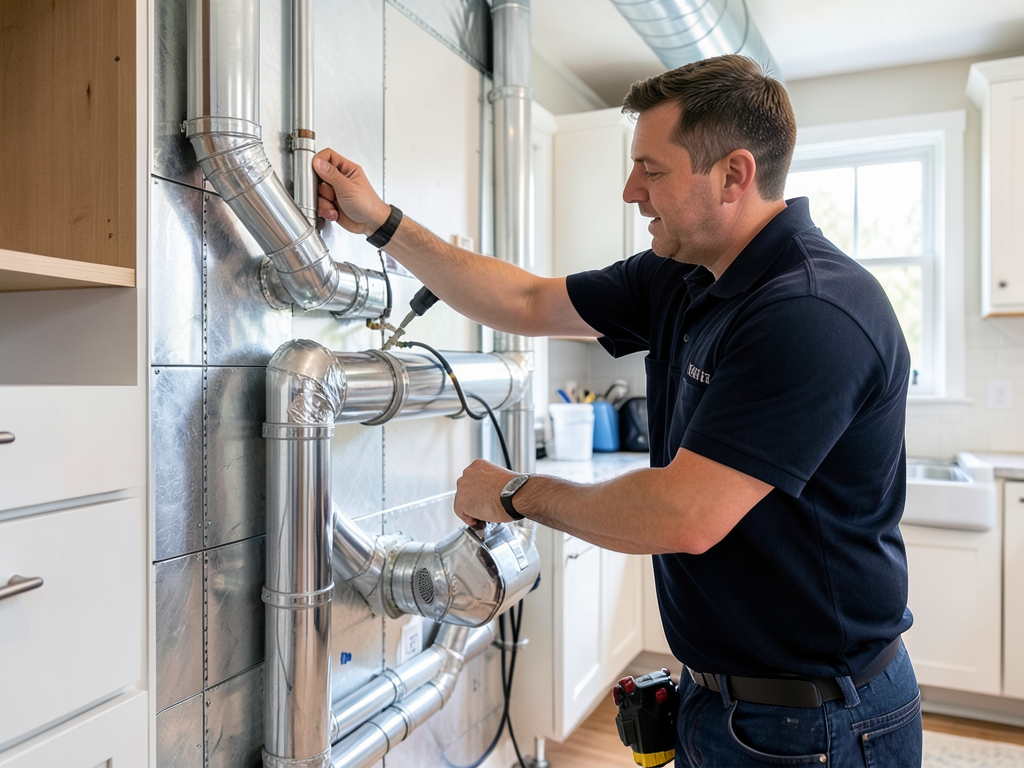
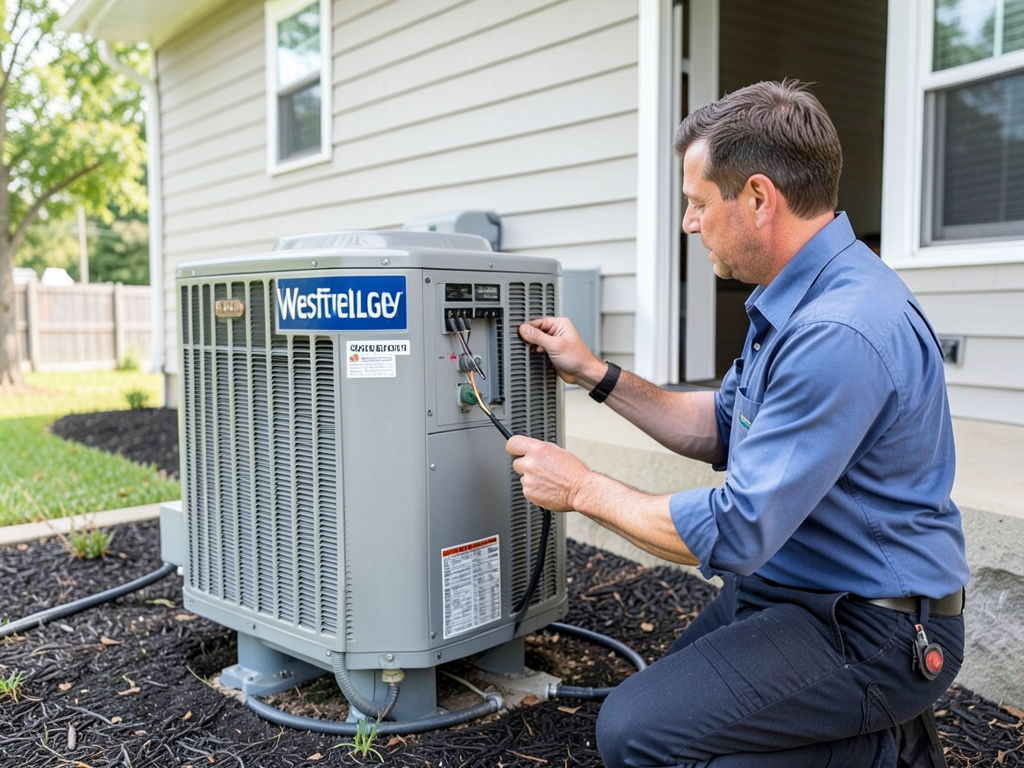
Columbus requires HVAC contractors to follow Ohio Mechanical Code Chapter 4, which mandates proper equipment sizing and installation standards. Many contractors ignore these requirements when installing inverter systems, treating them like conventional equipment. The result shows up as short cycling, poor humidity control, and efficiency losses that negate the technology's benefits. Working with technicians who understand IMC 403.2 load calculation requirements and AHRI 210/240 testing standards ensures your inverter system performs as designed. Local expertise matters because Columbus homes built in different eras require different approaches to ductwork integration and electrical service upgrades.