




Menu

HVAC Maintenance & Tune-Ups in Columbus – Prevent Breakdowns Before Kansas Humidity Strikes

Seasonal HVAC check ups protect your heating and cooling system from Columbus's extreme temperature swings and humid summers. Our AC and furnace maintenance keeps equipment running efficiently when you need it most.

Slider Image 1
Slider Image 2
Slider Image 3
Slider Image 4
Slider Image 5
Slider Image 7
Slider Image 8
Slider Image 9
Slider Image 10
Slider Image 11

Why Columbus Systems Fail Without Regular HVAC Preventative Maintenance

Columbus sits at the crossroads of Midwest weather extremes. Summer humidity clogs condensate drains and breeds mold in ductwork. Winter cold stresses heat exchangers. Spring storms knock out power, forcing systems through hard restarts that wear components faster than normal cycling.

You turn on your air conditioner in May and nothing happens. Or your furnace starts making a grinding noise on the first cold morning in October. These failures happen because Columbus systems work harder than equipment in milder climates. High humidity forces your air conditioner to remove moisture while cooling, doubling the workload on compressors and coils. Clay soil shifts foundations, pulling ductwork apart at seams and creating air leaks that waste energy.

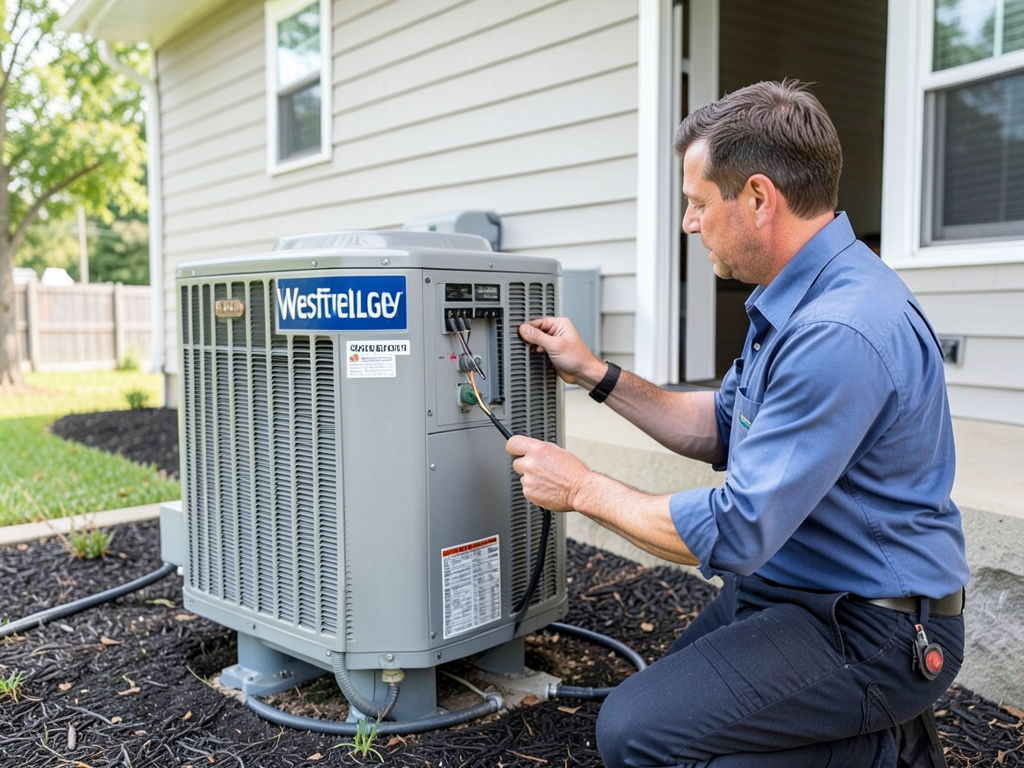
A heating and cooling tune up catches these problems early. Technicians measure refrigerant levels before low charge damages compressors. They test ignition systems before a failed heat exchanger leaks carbon monoxide. HVAC system inspection reveals rust on heat exchangers caused by condensation, loose electrical connections from vibration, and dirt buildup that reduces airflow by 30 percent or more.

Most Columbus homeowners wait for total failure. The air conditioner quits during a July heat wave when every HVAC company is booked solid. Emergency service costs triple. A seasonal HVAC check up in April prevents that crisis. Regular AC and furnace maintenance extends equipment life by five to seven years and cuts energy bills by 15 to 20 percent.

Your system runs every day for months without rest. HVAC preventative maintenance keeps it running when 95-degree heat or 15-degree cold gives you no other option.

Why Columbus Systems Fail Without Regular HVAC Preventative Maintenance
How Professional HVAC System Inspection Protects Your Equipment

How Professional HVAC System Inspection Protects Your Equipment

A real heating and cooling tune up goes beyond changing filters. Technicians arrive with calibrated instruments, not guesses. They measure superheat and subcooling to verify exact refrigerant charge. Too little refrigerant makes compressors run hot and fail early. Too much floods the compressor with liquid that destroys internal components.

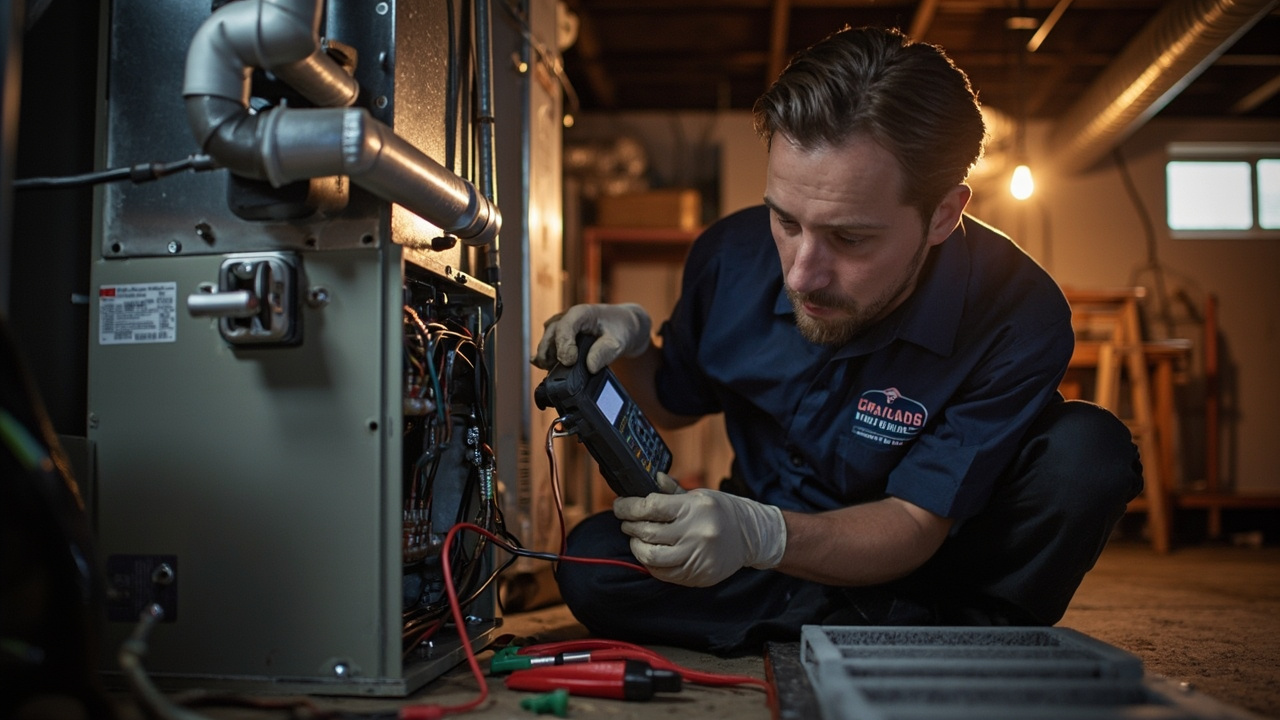
Grand HVAC Columbus technicians test capacitors under load because capacitors fail gradually, then suddenly. A weak capacitor forces the compressor to work harder, drawing excess amperage that overheats windings. We measure voltage and amperage at every connection point. Loose wires create resistance. Resistance generates heat. Heat melts insulation and starts electrical fires.

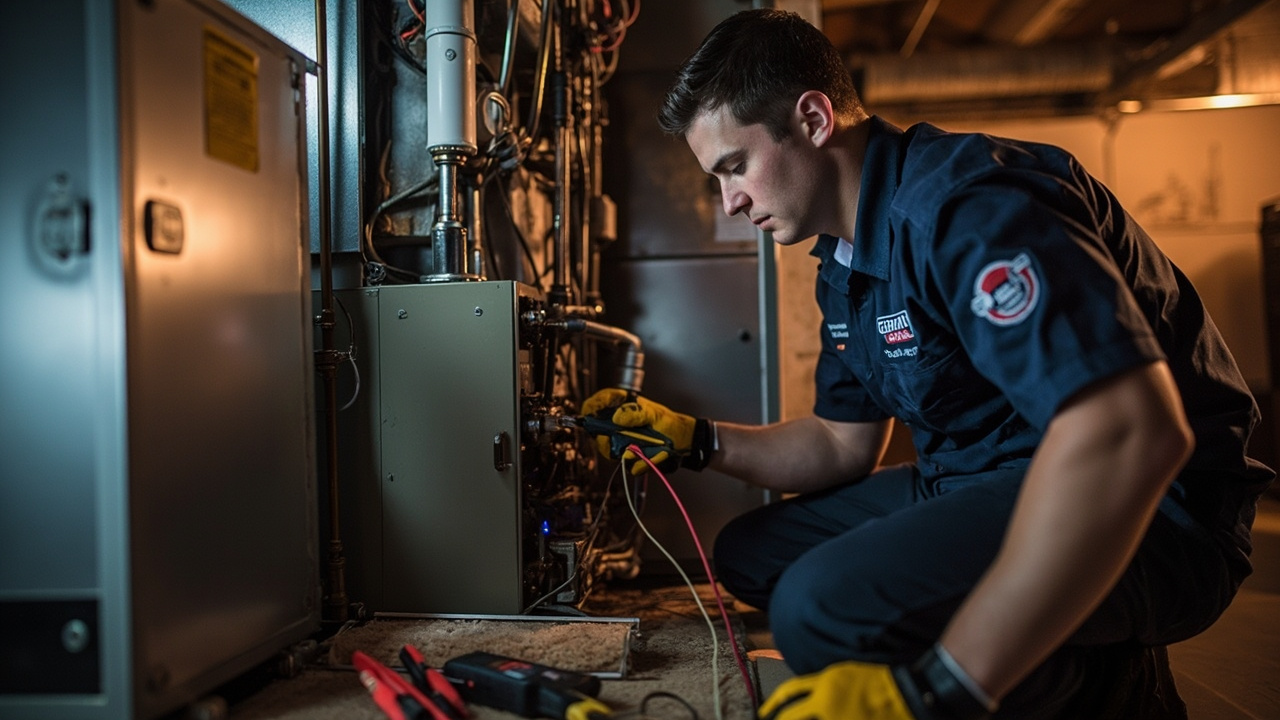
Combustion analysis on furnaces measures carbon monoxide, oxygen levels, and flue gas temperature. A properly adjusted gas furnace produces minimal carbon monoxide. High CO readings mean cracked heat exchangers or improper combustion. We inspect heat exchangers with cameras that reveal hairline cracks invisible to the naked eye. A cracked heat exchanger leaks combustion gases into your home. That leak can kill you.

Blower motors get stripped and cleaned. We measure static pressure in ductwork to verify proper airflow. High static pressure means the system moves less air than designed. Your equipment runs longer to reach temperature, wasting energy and shortening compressor life. We check drain lines and condensate pumps because a clogged drain floods your furnace cabinet and triggers safety shutoffs.

Thermostat calibration ensures accurate temperature control. We test safety switches and limit switches. A failed limit switch lets a furnace overheat until the heat exchanger warps. These details separate professional HVAC preventative maintenance from a quick filter change.

What Happens During Your Columbus Seasonal HVAC Check Up

HVAC Maintenance & Tune-Ups in Columbus – Prevent Breakdowns Before Kansas Humidity Strikes
01

Complete System Diagnostics

We start every AC and furnace maintenance visit with baseline readings. Technicians measure voltage, amperage, and resistance at the disconnect. They record static pressure in supply and return ducts. Temperature differential between supply and return air tells us if the system moves enough BTUs. We document everything before touching a single component so we know exactly what changed after service.
02

Component Cleaning and Calibration

Condenser coils get chemically cleaned to remove pollen, cottonwood seeds, and dirt that blocks airflow. Blower wheels are pulled and cleaned because dust buildup reduces CFM by 40 percent. We lubricate motor bearings, tighten electrical connections, and test capacitors under load. Gas furnaces get burner cleaning and flame sensor polishing. Every adjustment gets measured and recorded for your service history.
03

Testing and Performance Verification

After cleaning and adjustments, we run the system through complete heating and cooling cycles. Refrigerant charge gets fine-tuned to manufacturer specifications. Thermostat response and safety switches are tested. You get a detailed report showing before and after measurements, remaining equipment life estimates, and recommended repairs prioritized by urgency. You know exactly what your system needs and why it matters.

Why Columbus Homeowners Trust Local HVAC Expertise

Columbus HVAC systems face challenges that national chains and online advice cannot address. We know that homes near Brush Creek deal with higher humidity from the waterway. We understand that older homes in Brookside have undersized ductwork that limits airflow. We have seen what ice dams do to rooftop units during February freezes.

Grand HVAC Columbus technicians train specifically on equipment common to this area. Most Columbus homes run Carrier, Trane, Lennox, or Rheem systems installed between 2005 and 2015. We stock parts for these units on every truck. We know the common failure points for each brand and model year. A technician from Kansas City understands that spring pollen clogs outdoor coils faster here than in drier climates. We schedule heating and cooling tune ups in April and October because those months give you the best chance to catch problems before extreme weather hits.

Local building codes in Columbus require specific venting for high-efficiency furnaces. Condensate lines must drain properly in homes built on the clay soil common throughout the area. Foundation settling creates gaps in ductwork that waste conditioned air. We recognize these issues immediately because we see them daily.

You call a national franchise and wait three days for an available technician who has never worked in Columbus. That technician follows a generic checklist designed for average conditions. We perform HVAC system inspection based on what actually breaks in this climate. We know which heat exchanger models crack first. We recognize when a compressor sound means imminent failure versus normal operation.

Trust matters when someone accesses your furnace and air conditioner. We live in Columbus. We service our neighbors. Our reputation depends on doing the work correctly the first time.

What Your HVAC Preventative Maintenance Visit Includes

Same-Day and Next-Day Availability

Most Columbus residents schedule seasonal HVAC check ups in spring and fall. We block appointment slots specifically for AC and furnace maintenance during March, April, September, and October. You typically get same-day or next-day service when you call during these windows. Summer and winter maintenance takes slightly longer to schedule because those seasons handle emergency repairs first. A complete heating and cooling tune up takes 90 minutes to two hours depending on equipment age and condition. We never rush the inspection to meet an arbitrary time limit.

Comprehensive Equipment Assessment

Your HVAC system inspection starts with a visual check of all components. Technicians look for rust, corrosion, loose connections, and signs of water damage. They measure refrigerant pressures and temperatures. They test electrical components with multimeters. Gas furnaces get combustion analysis to measure efficiency and safety. We inspect ductwork for leaks, measure airflow at registers, and verify proper thermostat operation. You receive a written report listing current conditions, measurements, and any recommended repairs. We explain what needs immediate attention versus what can wait until next season.

Documented Performance Improvements

Every AC and furnace maintenance visit produces measurable results. Cleaning blower wheels improves airflow. Refrigerant adjustments reduce compressor run time. Sealed duct leaks increase system efficiency. We document temperature splits, static pressure readings, and amperage before and after service. Most systems show 10 to 20 percent efficiency improvement after professional HVAC preventative maintenance. You see lower utility bills within the first month. Equipment runs quieter and reaches temperature faster. These improvements are not subjective opinions. They are measured facts recorded in your service history.

Ongoing Maintenance Planning

Regular heating and cooling tune ups extend equipment life and prevent expensive repairs. We recommend seasonal HVAC check ups twice yearly for Columbus systems because extreme weather accelerates wear. Spring maintenance prepares your air conditioner for summer heat. Fall maintenance ensures your furnace works safely through winter. We track your service history and send reminders when maintenance is due. Priority scheduling goes to maintenance plan members. You avoid the rush when everyone else discovers their air conditioner failed on the hottest day of the year.

Frequently Asked Questions

You Have Questions,
We Have Answers

What does an HVAC tune up include? +

An HVAC tune-up includes a thorough inspection and cleaning of your system. A technician checks refrigerant levels, tests thermostat accuracy, inspects electrical connections, lubricates moving parts, and cleans or replaces air filters. They examine the condensate drain, inspect ductwork for leaks, and test system startup cycles. For Columbus homes, technicians pay close attention to coils that accumulate dust from seasonal pollen and humidity. The tune-up also includes checking the blower motor, inspecting heat exchangers for cracks, and measuring airflow. This preventive service catches small problems before they become expensive repairs and keeps your system running efficiently through Ohio's hot summers and cold winters.

What is the average cost of an HVAC tune up? +

HVAC tune-up costs vary based on system type and service complexity. Expect to pay different rates for single-unit maintenance versus whole-home systems. Most Columbus homeowners invest in annual service agreements that bundle tune-ups at reduced rates. Costs increase if repairs are needed beyond standard maintenance tasks. The investment typically covers labor, basic cleaning, filter replacement, and performance testing. Emergency or after-hours service costs more than scheduled appointments. Older systems may require additional time and inspection. Many local companies offer seasonal specials during spring and fall when demand drops. The price you pay now prevents much higher costs from system failures during peak summer heat or winter cold.

What is the difference between HVAC tune up and maintenance? +

The terms are often used interchangeably, but they have subtle differences. A tune-up focuses on optimizing performance through adjustments and minor repairs. It includes calibrating thermostats, tightening electrical connections, and fine-tuning system components for peak efficiency. Maintenance is broader and includes all preventive tasks that keep your system running. This covers filter changes, cleaning, inspections, and basic upkeep. Think of maintenance as routine care and a tune-up as performance enhancement. Columbus homeowners benefit from both. Regular maintenance prevents breakdowns during humid summers when your AC works overtime. A tune-up ensures your system operates at maximum efficiency, reducing energy bills when temperatures spike or drop throughout the year.

What is the $5000 rule for HVAC? +

The $5000 rule helps you decide between repairing or replacing your HVAC system. Multiply the age of your unit by the repair cost estimate. If the result exceeds $5000, replacement makes more financial sense. For example, a 12-year-old system needing $500 in repairs equals $6000, suggesting replacement is smarter. This rule considers that older systems require more frequent repairs and run less efficiently. Columbus homeowners face high humidity and temperature swings that stress aging equipment. A new system offers better efficiency, lower utility bills, and modern features like smart thermostats. The rule is a guideline, not absolute. Factor in your system's maintenance history and whether major components like the compressor need replacement.

What is the average cost of a full tune-up? +

A full HVAC tune-up investment depends on your system configuration and home size. Single-stage systems cost less to service than multi-zone or variable-speed systems. The price covers comprehensive inspection, cleaning, testing, and minor adjustments. Columbus residents with both heating and cooling components may pay more for complete system service. Full tune-ups take longer because technicians inspect furnaces, air handlers, heat pumps, and AC units. Many local providers offer package deals that include spring and fall visits at reduced rates. Investing in annual tune-ups extends equipment life and prevents emergency breakdowns. The upfront cost is significantly less than emergency repair bills or premature system replacement due to neglect.

Is a HVAC tune-up worth it? +

Yes. An HVAC tune-up delivers measurable returns through lower energy bills, fewer repairs, and longer equipment life. Regular service keeps your system running at peak efficiency, reducing monthly utility costs. Technicians catch small problems before they escalate into expensive failures. Columbus homes face humid summers that strain AC units and cold winters that stress furnaces. A tune-up ensures your system handles these extremes without breaking down. Clean coils and proper refrigerant levels mean your AC cools faster, running less and saving energy. Well-maintained furnaces burn fuel efficiently and safely. Most manufacturers require annual professional maintenance to keep warranties valid. Skipping tune-ups risks voiding coverage when you need it most.

What is the 3 minute rule for AC? +

The 3-minute rule prevents compressor damage by requiring a waiting period between AC shutdown and restart. When your system cycles off, refrigerant pressure needs time to equalize throughout the system. Restarting too quickly forces the compressor to work against high pressure, causing strain and potential failure. Wait at least 3 minutes after your AC shuts off before manually restarting it. Modern thermostats include built-in delay features that enforce this rule automatically. Columbus homeowners dealing with power outages during summer storms should wait before restoring AC power. Short cycling, where your unit turns on and off rapidly, indicates a problem requiring professional attention. This pattern skips the 3-minute rule and damages your compressor over time.

How often does your HVAC need a tune-up? +

Schedule HVAC tune-ups twice yearly for optimal performance. Spring service prepares your air conditioner for Columbus summers, while fall maintenance readies your furnace for winter. Homes with heat pumps that handle both heating and cooling need biannual service because the system works year-round. Older systems over 10 years may benefit from more frequent inspections. If you notice reduced performance, strange noises, or higher energy bills between scheduled tune-ups, call a technician immediately. Regular service prevents breakdowns during extreme weather when you need your system most. Consistent maintenance extends equipment life by years and maintains efficiency. Many Columbus HVAC companies offer service agreements that automatically schedule your tune-ups and provide priority service.

What is the lifespan of an HVAC system? +

HVAC systems last 15 to 20 years with proper maintenance. Air conditioners typically last 15 to 18 years, while furnaces can reach 20 years or more. Heat pumps average 15 years because they work year-round. Columbus homes face harsh conditions that affect lifespan. High humidity strains cooling components, while cold winters stress heating elements. Systems that receive annual tune-ups last longer than neglected units. Installation quality matters too. Properly sized and correctly installed systems experience less wear. Frequent repairs after year 12 signal approaching replacement time. Efficiency drops as systems age, increasing energy costs. Modern units offer significant efficiency improvements over 15-year-old models. If your system approaches 15 years and needs major repairs, replacement often makes better financial sense.

What are the 4 types of maintenance? +

The four maintenance types are preventive, predictive, corrective, and emergency. Preventive maintenance includes scheduled tune-ups and routine tasks that prevent failures. This covers filter changes, cleaning, and inspections before problems develop. Predictive maintenance uses performance data to identify potential issues. Technicians monitor system trends to catch problems early. Corrective maintenance fixes known issues before they cause breakdowns. This includes repairing minor refrigerant leaks or replacing worn belts during tune-ups. Emergency maintenance addresses unexpected failures requiring immediate attention. Columbus homeowners benefit most from preventive maintenance. Regular tune-ups keep systems running efficiently through extreme weather. Emergency repairs cost significantly more and happen at the worst times. Focus your efforts on preventive service to avoid corrective and emergency situations.

How Columbus Humidity and Temperature Swings Demand Regular HVAC System Inspection

Columbus summers push humidity above 70 percent for weeks at a time. Your air conditioner removes moisture and heat, working twice as hard as systems in dry climates. Condensate drains clog with algae and mold. Evaporator coils freeze when airflow drops. Winter temperatures swing from 15 degrees to 50 degrees in the same week, cycling your furnace on and off dozens of times daily. Heat exchangers expand and contract. Metal fatigues and cracks form. Spring storms bring high winds that blow debris into outdoor units. These conditions make HVAC preventative maintenance critical, not optional.

Grand HVAC Columbus understands local equipment challenges because we only work in this area. We know which neighborhoods experience higher humidity from nearby creeks and rivers. We recognize foundation issues common to Columbus homes and how shifting foundations stress ductwork connections. Technicians train on Kansas City building codes and permitting requirements. When repairs need permits, we handle the paperwork. When insurance claims involve HVAC damage, we document everything correctly. You get expertise shaped by thousands of service calls in Columbus, not generic training from a national manual.

HVAC Services in The Columbus Area

Grand HVAC Columbus is proud to serve the entire Columbus area and surrounding communities. We are committed to being a local, dependable resource for all your heating and cooling needs. Our convenient location ensures that we can respond quickly and efficiently to service calls, whether you're a residential or commercial client. We invite you to view our service area on the map to see how we can bring our expert HVAC solutions right to your doorstep.

Address:
Grand HVAC Columbus, 420 E 5th Ave, Columbus, OH, 43201

Additional Services We Offer

Our news updates

Latest Articles & News from The Blogs

Moving Your Air Vents During a Major Kitchen Renovation in Upper Arlington Planning to move walls and reconfigure your kitchen…

Moving Your Air Vents During a Major Kitchen Renovation in Upper Arlington

Moving Your Air Vents During a Major Kitchen Renovation in Upper Arlington Planning to move walls and reconfigure your kitchen…

The Landlord Guide to Low Maintenance HVAC in the University District

The Landlord Guide to Low Maintenance HVAC in the University District \n\n Managing rental properties in Columbus’s University District comes…

Why Westerville Homeowners are Looking into Solar Ready HVAC Systems

Why Westerville Homeowners are Looking into Solar Ready HVAC Systems Westerville homeowners are increasingly exploring solar-ready HVAC systems as energy…

Contact Us

Do not wait for your system to fail during a heat wave or cold snap. Call Grand HVAC Columbus at (380) 253-3188 now to schedule your seasonal HVAC check up. We offer same-day and next-day appointments for AC and furnace maintenance.