




Menu

Commercial HVAC Contractors in Columbus – Minimizing Downtime with Industrial-Grade Systems

Grand HVAC Columbus delivers commercial mechanical contractor services engineered for business continuity, from rooftop unit retrofits to factory floor climate control, with rapid deployment and code-compliant installations across the Columbus metro.

Slider Image 1
Slider Image 2
Slider Image 3
Slider Image 4
Slider Image 5
Slider Image 7
Slider Image 8
Slider Image 9
Slider Image 10
Slider Image 11

Why Columbus Businesses Need Commercial HVAC Systems That Work Year-Round

Columbus operates in a climate zone that demands dual-season capacity. Summer temperatures climb into the 90s with high humidity, while winter lows dip below freezing. Your commercial facility cannot afford system failure during peak occupancy or production hours.

Industrial buildings in Columbus face unique challenges. Older manufacturing structures near the Chattahoochee River corridor often lack modern HVAC zoning. Retail spaces in the Uptown District require precise humidity control to protect inventory. Medical offices must maintain strict temperature parameters for equipment and patient comfort.

Commercial heating and cooling services in Columbus must account for high summer cooling loads and rapid temperature swings during spring and fall. A rooftop unit that fails during a July heat wave costs you customers, productivity, and revenue. A boiler that quits in January shuts down operations entirely.

Commercial HVAC service providers in this market must understand load calculations for multi-zone buildings, the importance of redundant systems for critical facilities, and the integration of building automation systems. You need commercial mechanical contractors who size equipment correctly, design duct runs for balanced airflow, and install control sequences that prevent simultaneous heating and cooling.

The difference between residential and commercial systems is not just scale. Commercial equipment operates under continuous duty cycles, serves variable occupancy loads, and must comply with ASHRAE 90.1 energy codes. Your system is a business asset, not a comfort amenity.

Why Columbus Businesses Need Commercial HVAC Systems That Work Year-Round
How Professional Commercial HVAC Companies Engineer System Reliability

How Professional Commercial HVAC Companies Engineer System Reliability

Industrial HVAC contractors approach commercial projects with engineering discipline, not guesswork. The process starts with load calculations using Manual N methodology for commercial buildings. This determines actual BTU requirements based on square footage, insulation values, window orientation, internal heat gains from equipment and occupancy, and ventilation requirements per ASHRAE 62.1.

Equipment selection follows load analysis. Commercial HVAC companies in Columbus specify packaged rooftop units, split systems, or modular equipment based on building configuration and budget constraints. Rooftop units simplify installation and free up interior space. Split systems provide redundancy. Modular designs allow phased capacity expansion.

Ductwork design is critical. Undersized supply ducts create high static pressure, overwork blowers, and waste energy. Poorly designed return air paths cause pressure imbalances and comfort complaints. Professional commercial heating and cooling services calculate friction losses, size ducts for proper air velocity, and install manual or automatic dampers for zone control.

Control systems separate functional commercial installations from problem jobs. Direct digital controls integrate HVAC with building management systems, enable remote monitoring, and provide data logging for energy audits. Programmable thermostats with occupancy scheduling reduce runtime during unoccupied hours. Variable frequency drives on supply fans and condenser fans reduce energy consumption during part-load conditions.

Refrigerant piping, electrical connections, and condensate drainage must meet commercial code standards. Line sets require proper insulation and pitch. Electrical service must match nameplate requirements with appropriate disconnect switches and overcurrent protection. Condensate pumps handle drainage when gravity flow is not feasible.

How Commercial HVAC Installation Works for Columbus Facilities

Commercial HVAC Contractors in Columbus – Minimizing Downtime with Industrial-Grade Systems
01

Site Assessment and Load Engineering

The process begins with on-site evaluation of your existing mechanical systems, building envelope, and occupancy patterns. Commercial mechanical contractors measure space dimensions, document current equipment capacities, review utility bills for baseline energy usage, and identify code compliance gaps. Load calculations follow ACCA Manual N standards, accounting for Columbus climate data, building orientation, and internal heat sources from equipment, lighting, and occupancy.
02

Equipment Selection and System Design

After load analysis, commercial HVAC service providers specify equipment that matches your operational requirements and budget parameters. This includes selecting rooftop units, air handlers, condensing units, or boilers with appropriate tonnage and efficiency ratings. Ductwork layout, control system architecture, and electrical service requirements are documented in construction drawings. Equipment is staged to your facility on a timeline that minimizes business disruption.
03

Installation and System Commissioning

Installation crews rig equipment to rooftops or mechanical rooms, install ductwork and refrigerant piping, complete electrical connections, and program control systems. After installation, systems undergo commissioning to verify airflow rates, refrigerant charge, temperature control sequences, and safety device operation. You receive operating manuals, warranty documentation, and maintenance schedules. Systems are tested under load conditions to confirm performance before your facility returns to full operation.

Why Columbus Businesses Choose Local Commercial HVAC Contractors

Commercial facilities in Columbus require contractors who understand local building codes, inspection processes, and seasonal service demands. The City of Columbus enforces the International Mechanical Code with local amendments. Permit applications require stamped engineering drawings for systems above certain tonnage thresholds. Inspections verify refrigerant handling compliance, electrical code adherence, and proper combustion venting.

Grand HVAC Columbus has relationships with local mechanical supply houses, which means faster equipment procurement and reduced lead times when you need replacement parts. National contractors ship parts from regional warehouses. Local commercial HVAC companies stock common components and maintain vendor relationships that expedite special orders.

Service response matters during equipment failures. A rooftop unit that fails on a 95-degree afternoon cannot wait three days for an out-of-town contractor. Local commercial heating and cooling services dispatch technicians who know Columbus traffic patterns, understand your building systems, and carry diagnostic tools and common repair parts.

Columbus commercial properties span manufacturing facilities near the airport industrial corridor, medical offices in Midtown, retail centers along Veterans Parkway, and office buildings downtown. Each facility type has distinct HVAC requirements. Manufacturing floors need high-capacity ventilation for heat and fume removal. Medical facilities require precise humidity control and air filtration. Retail spaces need comfortable shopping environments that do not waste energy heating or cooling empty square footage during off-peak hours.

Local industrial HVAC contractors understand these distinctions because they serve Columbus businesses daily. You get contractors who have installed systems in buildings similar to yours and solved problems specific to this market.

What to Expect from Commercial HVAC System Installation and Service

Project Timeline and Scheduling

Commercial HVAC projects require coordination to minimize disruption to your operations. Small rooftop unit replacements can be completed in one to two days. Multi-zone system retrofits or new construction installations take weeks, depending on equipment complexity and building size. Commercial mechanical contractors schedule work during off-hours or low-occupancy periods when possible. Equipment is pre-staged, and installation crews work in phases to keep portions of your facility operational. You receive a detailed project schedule with milestones for equipment delivery, installation phases, inspection dates, and final commissioning. Changes to scope or unforeseen conditions are communicated immediately with revised timelines.

Engineering and Equipment Specification

Professional commercial HVAC service providers do not guess at equipment sizes. Load calculations determine required heating and cooling capacity based on your building characteristics and occupancy patterns. Equipment specifications consider energy efficiency, sound levels, serviceability, and parts availability. You receive documentation that includes equipment cut sheets, performance data, electrical requirements, and rigging plans. For projects requiring design review, stamped engineering drawings are submitted with permit applications. Equipment is selected from commercial-grade manufacturers with established distributor networks, which ensures long-term parts availability and warranty support. Specifications are reviewed with you before equipment is ordered to confirm alignment with budget and operational requirements.

System Performance and Code Compliance

Completed commercial HVAC systems must deliver specified airflow, maintain design temperatures, and meet energy code requirements. Commissioning verifies refrigerant charge, airflow rates across coils, control sequence operation, and safety device functionality. Temperature and humidity levels are measured in occupied spaces to confirm comfort parameters. Systems are cycled through heating and cooling modes to test changeover sequences and verify thermostat operation. All installations comply with Columbus mechanical codes, electrical codes, and energy conservation standards. You receive test reports, warranty information, and operating manuals. Inspections are scheduled and completed with city officials to obtain final approval and occupancy clearance if required for new construction or major renovations.

Maintenance Programs and Service Agreements

Commercial HVAC equipment requires scheduled maintenance to prevent unplanned downtime and extend service life. Maintenance agreements include filter changes, coil cleaning, refrigerant level checks, electrical connection inspections, and control calibration. Scheduled service visits occur quarterly or semi-annually depending on equipment type and runtime hours. Priority service response is provided for breakdowns, reducing downtime when equipment fails during business hours. Maintenance records document system performance over time, identify developing problems before they cause failures, and provide data for energy management and capital planning. Service agreements are structured around your operational schedule to minimize disruption. Technicians are familiar with your equipment and building layout, which speeds diagnosis and repair when service calls are necessary.

Frequently Asked Questions

You Have Questions,
We Have Answers

What is the $5000 rule for HVAC? +

The $5000 rule helps commercial property managers decide whether to repair or replace aging HVAC systems. If your repair costs exceed $5000 and the equipment is past its mid-life point, replacement often makes better financial sense. For Columbus commercial properties, this calculation factors in Ohio's variable climate demands and energy efficiency gains from newer equipment. A 15-year-old rooftop unit needing $6000 in compressor work likely warrants replacement. Calculate the cost of repair multiplied by the system's age in years. If that number exceeds the cost of new equipment, replace it. This approach minimizes downtime and protects your operating budget from repeated emergency repairs.

How much do commercial HVAC contractors make? +

Commercial HVAC contractor compensation varies by role and experience level in the Columbus market. Lead technicians with EPA certification typically earn $55,000 to $75,000 annually. Journeyman-level service techs average $45,000 to $60,000. Project managers and commercial estimators command $70,000 to $95,000 based on project portfolio size. Company owners and licensed contractors see significantly higher earnings tied to business volume and commercial contracts. Columbus's growing Easton and Polaris commercial districts drive steady demand for skilled technicians. Specialized skills like building automation systems or chiller maintenance command premium rates. Prevailing wage projects and union scale work increases compensation further for larger institutional jobs.

How much does a new commercial HVAC cost? +

Commercial HVAC system costs in Columbus range widely based on building size, system type, and complexity. Small retail spaces may need $15,000 to $35,000 for packaged rooftop units. Mid-size office buildings require $50,000 to $150,000 for split systems or multi-zone equipment. Large warehouses or institutional facilities can exceed $200,000 for chiller systems or central plants. Columbus's freeze-thaw cycles require robust heat pump capacity. Variables include ductwork modifications, zoning controls, ventilation requirements per Ohio building code, and energy recovery systems. Request detailed proposals comparing lifecycle costs and energy efficiency ratings. Factor in utility rebates available through AEP Ohio for high-efficiency commercial equipment.

What is the 3 minute rule for AC? +

The 3 minute rule prevents commercial compressor damage during system cycling. After your AC shuts off, wait three full minutes before restarting the unit. This delay allows refrigerant pressure to equalize throughout the system. Immediate restarts force the compressor to start under high pressure, causing mechanical stress and premature failure. Columbus property managers should program building automation systems to enforce this delay between cycles. Commercial equipment cycling too frequently indicates undersized ductwork, refrigerant issues, or failing controls. Short cycling increases energy costs and reduces equipment lifespan significantly. Your maintenance contract should include monitoring cycle times to catch problems before compressor replacement becomes necessary.

How Columbus Climate Zones and Building Stock Affect Commercial HVAC Design

Columbus sits in ASHRAE climate zone 3A, which means mixed-humid conditions with hot summers and moderate winters. Commercial buildings must handle cooling loads that peak in July and August when outdoor temperatures reach the mid-90s with high relative humidity. Dehumidification becomes as important as sensible cooling because high indoor humidity affects occupant comfort and can damage inventory or equipment. Older commercial structures built before modern energy codes often lack adequate insulation and have single-pane windows, which increases HVAC load. Industrial facilities near the river corridors face additional humidity infiltration. Commercial HVAC companies in Columbus must design systems that provide sufficient latent cooling capacity, not just sensible cooling, and account for the building envelope limitations common in the existing commercial building stock.

Columbus mechanical contractors operate under city codes that reference the International Mechanical Code with local amendments. Permit requirements, inspection protocols, and contractor licensing standards are enforced by the City of Columbus Building Inspections Division. Commercial projects require licensed contractors, stamped engineering drawings for larger systems, and coordination with electrical and plumbing trades. Local commercial heating and cooling services maintain relationships with inspectors, understand submittal requirements, and schedule inspections to avoid project delays. Choosing local industrial HVAC contractors means working with professionals who navigate Columbus permitting processes daily and understand the expectations of local code officials. This local knowledge prevents compliance issues, reduces project risk, and ensures installations meet all regulatory requirements.

HVAC Services in The Columbus Area

Grand HVAC Columbus is proud to serve the entire Columbus area and surrounding communities. We are committed to being a local, dependable resource for all your heating and cooling needs. Our convenient location ensures that we can respond quickly and efficiently to service calls, whether you're a residential or commercial client. We invite you to view our service area on the map to see how we can bring our expert HVAC solutions right to your doorstep.

Address:
Grand HVAC Columbus, 420 E 5th Ave, Columbus, OH, 43201

Additional Services We Offer

Our news updates

Latest Articles & News from The Blogs

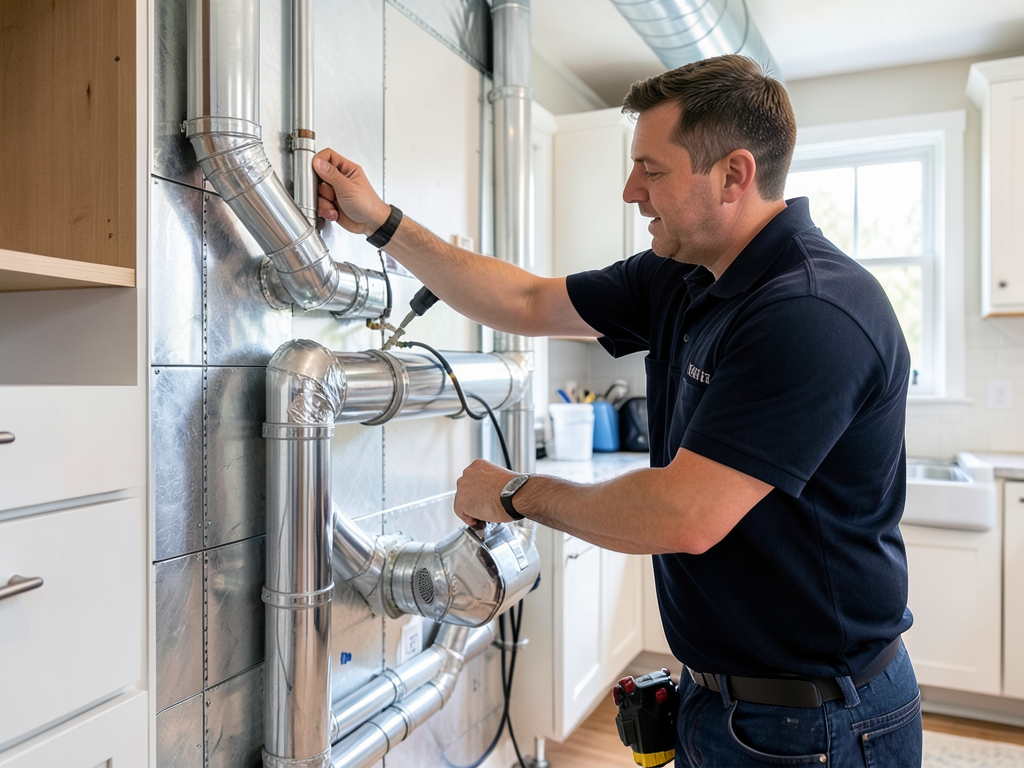
Moving Your Air Vents During a Major Kitchen Renovation in Upper Arlington Planning to move walls and reconfigure your kitchen…

Moving Your Air Vents During a Major Kitchen Renovation in Upper Arlington

Moving Your Air Vents During a Major Kitchen Renovation in Upper Arlington Planning to move walls and reconfigure your kitchen…

The Landlord Guide to Low Maintenance HVAC in the University District

The Landlord Guide to Low Maintenance HVAC in the University District \n\n Managing rental properties in Columbus’s University District comes…

Why Westerville Homeowners are Looking into Solar Ready HVAC Systems

Why Westerville Homeowners are Looking into Solar Ready HVAC Systems Westerville homeowners are increasingly exploring solar-ready HVAC systems as energy…

Contact Us

System failures cost you money every hour your facility operates below capacity. Call Grand HVAC Columbus at (380) 253-3188 for commercial HVAC assessment, equipment replacement, or service agreements. We respond fast and work around your schedule.