




Menu

Signs of Carbon Monoxide in Columbus – Know the Warning Signs That Could Save Your Life

Learn to recognize carbon monoxide symptoms, carbon monoxide poisoning symptoms, and carbon monoxide warning signs before they become life-threatening emergencies in your Columbus home or business.

Slider Image 1
Slider Image 2
Slider Image 3
Slider Image 4
Slider Image 5
Slider Image 7
Slider Image 8
Slider Image 9
Slider Image 10
Slider Image 11

Carbon Monoxide Risks in Columbus Homes and Buildings

Carbon monoxide kills silently. You cannot see it, smell it, or taste it. In Columbus, where heating systems run hard during cold winters and natural gas furnaces power most homes, the risk of carbon monoxide exposure increases every time temperatures drop.

Columbus homes face specific risks. Many properties in German Village, Victorian Village, and the Short North feature older heating systems and original brick chimneys that may have deteriorated flashing or blocked flues. When exhaust gases cannot vent properly, carbon monoxide backs up into living spaces. Modern homes are not immune. Newer construction in Dublin and Upper Arlington often features tightly sealed building envelopes that trap contaminated air when combustion appliances malfunction.

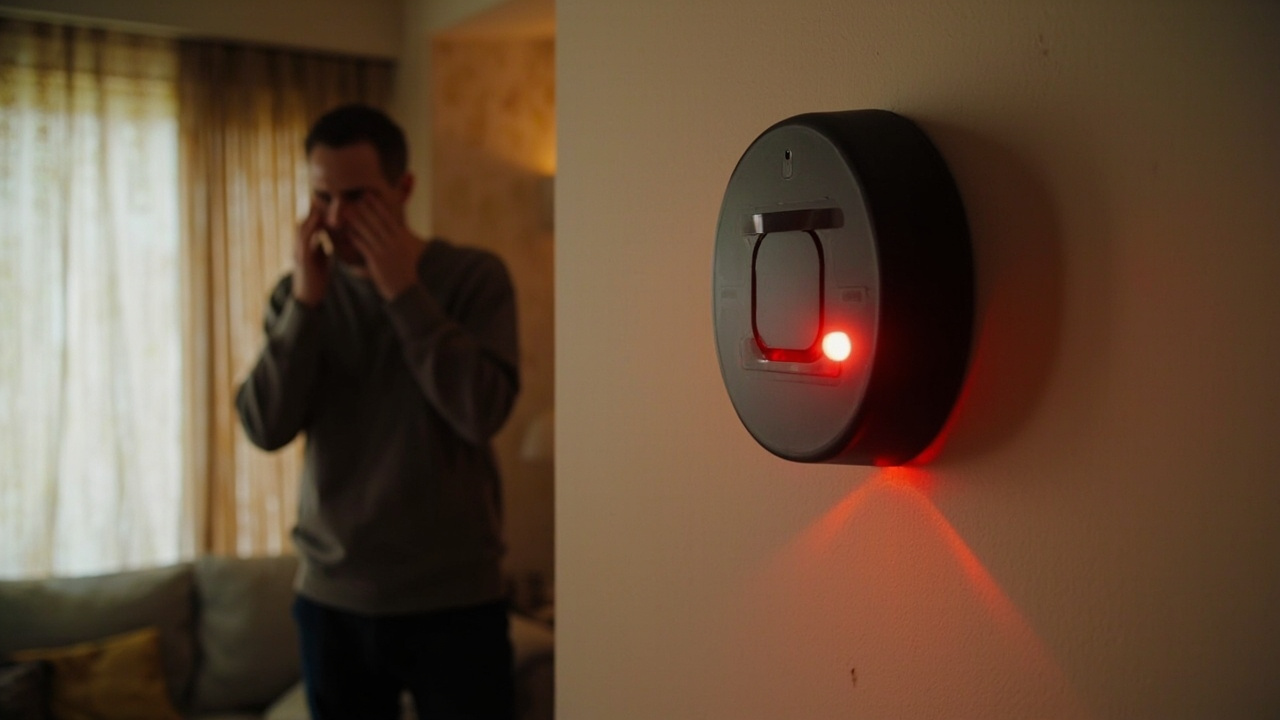
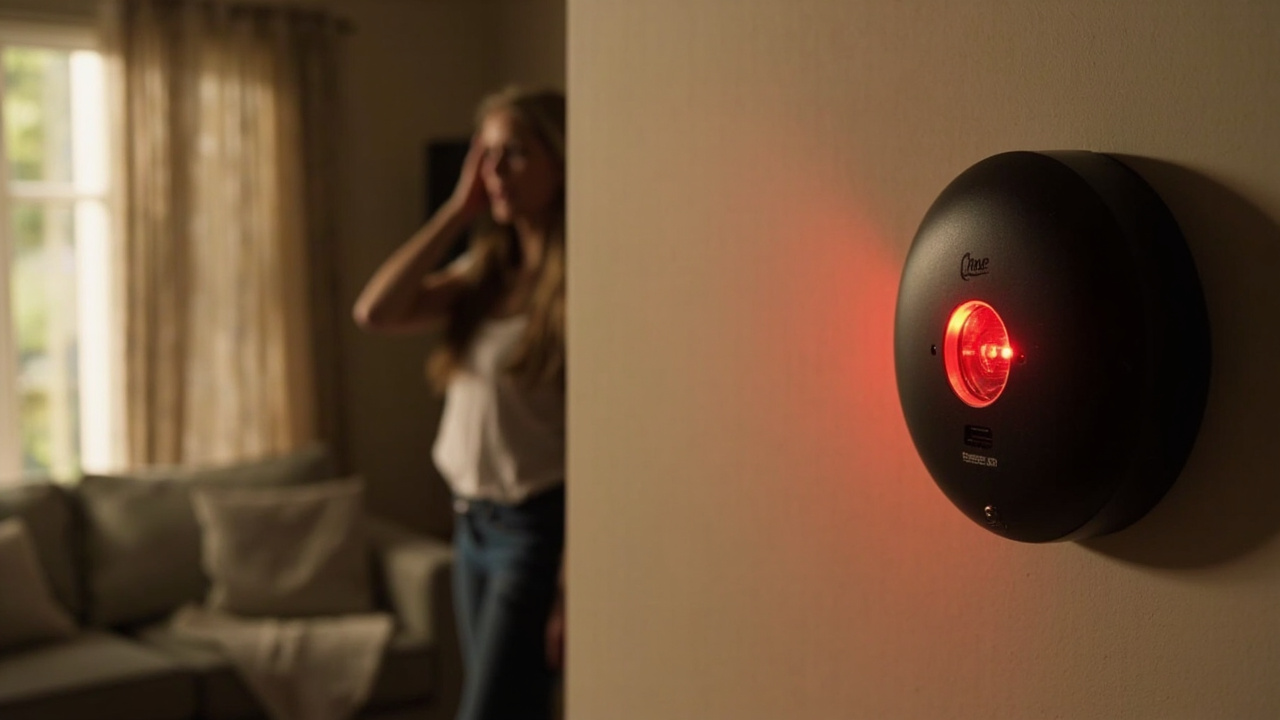
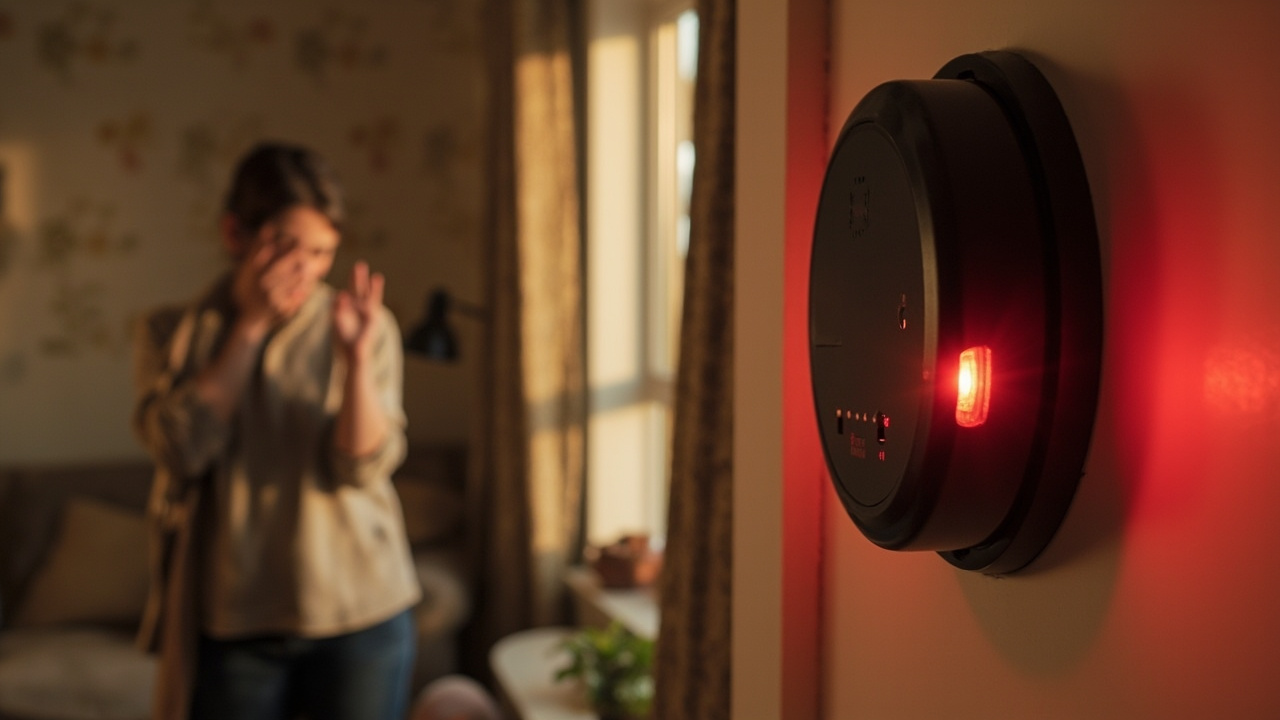
The signs of a carbon monoxide leak often mimic flu symptoms, which leads families to dismiss them. Headaches, dizziness, nausea, and fatigue are indicators of carbon monoxide exposure. When multiple household members experience these symptoms simultaneously, especially during heating season, carbon monoxide poisoning symptoms may be the cause.

Columbus residents must understand that natural gas furnaces, water heaters, fireplaces, and even attached garages create combustion byproducts. If any of these systems develop cracks in heat exchangers, blocked vents, or improper combustion, deadly gases enter your breathing air. The carbon monoxide warning signs are your body's emergency alert system. Recognizing them quickly can mean the difference between a close call and a tragedy.

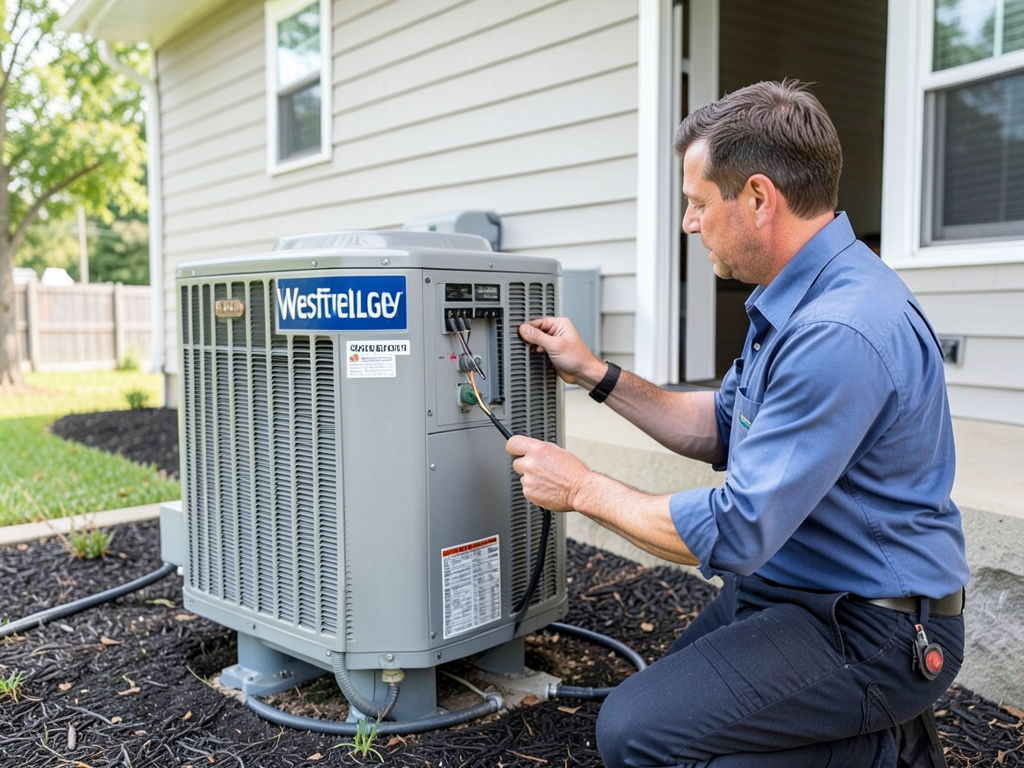
Your HVAC system is often the source of carbon monoxide leaks. Annual inspections catch problems before they become emergencies.

Carbon Monoxide Risks in Columbus Homes and Buildings
How Professional Carbon Monoxide Detection Works

How Professional Carbon Monoxide Detection Works

Identifying carbon monoxide sources requires specialized equipment and technical knowledge. Home carbon monoxide detectors provide basic protection, but they only alert you after concentrations reach dangerous levels. Professional HVAC technicians use calibrated combustion analyzers that measure carbon monoxide in parts per million at the source.

During a professional assessment, technicians test ambient air throughout your home, then inspect each combustion appliance individually. We measure carbon monoxide levels at furnace exhaust outlets, water heater vents, and fireplace flues. High readings indicate incomplete combustion or ventilation problems.

Heat exchanger inspections reveal cracks invisible to homeowners. A cracked heat exchanger allows combustion gases to mix with circulating air. We use video camera scopes to examine heat exchanger surfaces from inside the furnace cabinet. Even hairline cracks can leak deadly gases into your ductwork.

Flue draft testing confirms whether exhaust gases vent properly. Negative pressure problems cause backdrafting, where combustion gases flow back into living spaces instead of up the chimney. We test draft pressure with digital manometers and inspect vent pipes for blockages, corrosion, or improper installation.

Columbus building codes require proper combustion air supply for furnaces and water heaters. Many basements and mechanical rooms lack adequate fresh air intake. We calculate required combustion air volumes based on equipment BTU ratings and verify that louvers or ducts provide sufficient makeup air.

After testing and inspection, you receive documentation showing carbon monoxide levels at each appliance, identified deficiencies, and recommended repairs. This data-driven approach eliminates guesswork and ensures your family breathes safe air.

What Happens During a Carbon Monoxide Safety Inspection

Signs of Carbon Monoxide in Columbus – Know the Warning Signs That Could Save Your Life
01

Initial Air Quality Testing

Technicians arrive with calibrated combustion analyzers and carbon monoxide detectors. We test ambient air in bedrooms, living areas, and mechanical spaces to establish baseline readings. If elevated carbon monoxide levels appear immediately, we evacuate occupants and ventilate the building. This first step identifies active leaks and determines whether the situation requires emergency response or routine inspection.
02

Appliance-by-Appliance Testing

Each combustion appliance receives individual testing. We fire up furnaces, water heaters, and fireplaces while measuring exhaust gas composition. Combustion analyzers reveal carbon monoxide concentrations, excess air percentages, and combustion efficiency. We inspect heat exchangers with video cameras, test flue draft pressure, and verify proper venting. Any appliance showing unsafe carbon monoxide levels gets tagged for immediate repair or replacement.
03

Documentation and Action Plan

You receive a detailed report showing carbon monoxide readings from every tested location and appliance. We explain which systems passed inspection and which require attention. Critical safety issues get prioritized for immediate correction. We provide written recommendations for repairs, replacement equipment, or ventilation improvements. This documentation protects your family and creates a record for future reference or insurance purposes.

Why Columbus Residents Trust Grand HVAC Columbus for Carbon Monoxide Safety

Carbon monoxide detection requires more than a handheld meter. You need technicians who understand combustion science, HVAC systems, and local building requirements. Grand HVAC Columbus technicians complete specialized training in combustion analysis and gas appliance safety. We invest in professional-grade test equipment that measures carbon monoxide concentrations with laboratory precision.

Columbus presents unique challenges. Homes in established neighborhoods like Clintonville and Bexley often have furnaces and water heaters that have served families for decades. Older equipment develops heat exchanger cracks, deteriorated burners, and ventilation problems that create carbon monoxide hazards. We have experience with every furnace brand and model found in Columbus homes, from vintage cast-iron units to modern condensing systems.

New construction in Hilliard, Grove City, and Westerville introduces different risks. Builders sometimes install HVAC equipment without proper combustion air provisions or create negative pressure situations through bathroom exhaust fans and kitchen range hoods. We understand how building tightness, mechanical ventilation, and combustion appliances interact. This knowledge helps us identify problems that general contractors miss.

Columbus winters stress heating systems. When temperatures drop into the teens, furnaces run continuously. Prolonged operation accelerates wear on heat exchangers and increases carbon monoxide leak potential. We schedule inspections before heating season begins, catching problems while outdoor temperatures allow safe furnace replacement if needed.

You cannot afford to trust carbon monoxide safety to inexperienced technicians. Grand HVAC Columbus brings technical expertise, proper equipment, and local knowledge to every inspection. We test thoroughly, document findings clearly, and explain your options without pressure or sales tactics. Your family's safety depends on accurate information and honest recommendations.

What to Expect from Professional Carbon Monoxide Testing

Scheduling and Response Time

We offer same-day carbon monoxide testing when you call before noon. Emergency situations receive immediate dispatch. If family members show carbon monoxide poisoning symptoms or detectors alarm persistently, we treat your call as an emergency and respond within two hours. Standard inspections schedule according to your availability, with evening and weekend appointments available. Most testing and inspection appointments take 90 minutes to two hours, depending on how many combustion appliances require testing. We arrive on time and complete work efficiently without rushing critical safety procedures.

Testing Process and Equipment

Technicians use calibrated combustion analyzers that measure carbon monoxide, oxygen, and other exhaust gases with precision. We test each furnace, water heater, fireplace, and gas appliance individually while operating under normal conditions. Heat exchanger inspections use fiber optic cameras that reveal cracks and corrosion invisible from outside the unit. Draft pressure measurements confirm proper venting. We document findings with photos and data logs. You receive a written report showing carbon monoxide levels at each tested location, identified deficiencies, and recommended corrective actions. This thorough approach ensures nothing gets missed.

Findings and Solutions

After testing, we explain results in clear language. You learn which appliances passed inspection and which present carbon monoxide risks. If problems exist, we discuss repair options, replacement considerations, and cost factors. Critical safety issues require immediate attention, and we help you understand why waiting creates danger. Less urgent items can be scheduled according to your budget and timeline. We provide written estimates for any necessary work and explain how repairs eliminate carbon monoxide hazards. Our goal is informed decisions, not pressure sales. You get honest assessments and straightforward recommendations.

Follow-Up and Prevention

After repairs or equipment replacement, we retest to verify safe carbon monoxide levels throughout your home. You receive confirmation that the problem is fixed. We recommend annual carbon monoxide safety inspections before each heating season. Preventive testing catches developing problems before they become emergencies. Between professional inspections, maintain working carbon monoxide detectors on every floor of your home. Replace detector batteries twice yearly and replace the entire unit every five to seven years. Schedule furnace maintenance annually to keep combustion systems operating safely and efficiently. These simple steps provide ongoing protection.

Frequently Asked Questions

You Have Questions,
We Have Answers

What are signs of carbon monoxide in the house? +

Carbon monoxide produces no visible smoke or odor, but physical signs appear in your body and home. You may experience headaches, dizziness, nausea, or flu-like symptoms that improve when you leave the house. Other household members or pets may show similar symptoms. Yellow or orange flames on gas appliances instead of blue flames signal incomplete combustion. Soot buildup around furnaces or water heaters indicates poor ventilation. In Columbus homes, older furnaces struggling through cold winters often produce higher CO levels. If you suspect exposure, evacuate immediately and call 911. Install CO detectors on every floor and near bedrooms to catch leaks early.

How soon will you know if you have carbon monoxide poisoning? +

Symptoms appear based on concentration levels and exposure time. At low levels, you may feel headache or mild nausea within one to two hours. Moderate exposure causes confusion, weakness, and chest pain within 30 to 60 minutes. High concentrations can cause unconsciousness or death within minutes. Columbus residents often mistake early symptoms for winter colds or flu. The gas displaces oxygen in your blood, so symptoms worsen the longer you breathe it. If multiple people in your home feel sick simultaneously, suspect carbon monoxide. Do not wait to confirm. Evacuate and seek medical attention immediately. Blood tests can measure carboxyhemoglobin levels to confirm poisoning.

How can I check if I have carbon monoxide? +

Install a UL-listed carbon monoxide detector on every floor of your home, especially near sleeping areas. These battery-operated or hardwired devices sound an alarm when they detect dangerous levels. Test detectors monthly and replace batteries twice yearly. For immediate verification, call 911 or your gas company if you suspect a leak. Columbus fire departments respond with detection equipment to measure CO levels accurately. Do not rely on physical symptoms alone. Professional HVAC technicians can inspect your furnace, water heater, and gas appliances during annual maintenance visits. They use combustion analyzers to measure exhaust gases and identify potential sources before they become dangerous.

What gas is known as the silent killer? +

Carbon monoxide earns the name silent killer because you cannot see, smell, or taste it. The gas forms when fuel burns without enough oxygen, common in malfunctioning furnaces, water heaters, or blocked chimneys. It kills by replacing oxygen in your bloodstream, suffocating you from the inside without warning signs. Columbus homes with aging HVAC systems face higher risk during winter when furnaces run constantly. Victims often fall asleep and never wake up. Over 400 Americans die annually from unintentional CO poisoning. The only reliable defense is working CO detectors. Never ignore detector alarms. Evacuate immediately and call emergency services.

Can a small gas leak make you feel sick? +

Yes. Even minor gas leaks cause headaches, fatigue, nausea, and respiratory irritation. Natural gas contains mercaptan, an additive that smells like rotten eggs, but you may not always detect it. Carbon monoxide from incomplete combustion has no odor at all. Columbus residents with older gas appliances should watch for persistent symptoms that improve when away from home. Dizziness, concentration problems, and unexplained exhaustion are common complaints. Pets may act lethargic or refuse food. If you smell gas or suspect a leak, evacuate immediately. Do not use electrical switches or create sparks. Call your gas company from outside. A professional inspection can identify faulty connections or damaged lines.

Can a phone app detect carbon monoxide? +

No. Smartphone apps claiming to detect carbon monoxide are unreliable and dangerous. Phones lack the chemical sensors needed to measure CO levels. Some apps use color-changing cards or external devices, but these do not meet safety standards for accuracy. Columbus residents should never trust their safety to unverified technology. Only UL-listed detectors provide reliable protection. These devices use electrochemical sensors or biomimetic technology to detect gas and sound alarms at dangerous concentrations. Apps cannot replace proper equipment. Invest in quality detectors for every floor of your home. Your life depends on accurate detection, not smartphone gimmicks. Professional HVAC inspections offer the most thorough safety checks.

Do you just fall asleep with carbon monoxide poisoning? +

Not always, but drowsiness is a common symptom. Carbon monoxide poisoning mimics flu symptoms initially. You may experience headache, nausea, and confusion before drowsiness sets in. Many victims in Columbus fall asleep without realizing they are being poisoned, especially overnight when furnaces run continuously. The gas prevents oxygen from reaching your organs. As exposure continues, you lose consciousness. Some victims report feeling extremely tired and lying down, never waking up. Others experience panic or disorientation first. The danger is that symptoms can be subtle and gradual. You may not recognize the threat until it is too late. Working CO detectors save lives by alerting you before symptoms become severe.

Does opening windows help with carbon monoxide? +

Opening windows reduces indoor carbon monoxide concentrations by diluting the gas with fresh air, but this is not a solution. If CO is present, you must evacuate immediately and call 911. Do not stay inside hoping ventilation will fix the problem. The source continues producing deadly gas. Columbus homes need professional inspection to identify and repair the leak. Cracked heat exchangers, blocked chimneys, or malfunctioning appliances require expert repair. Ventilation is a temporary measure only during evacuation. Never run generators, grills, or vehicles in garages, even with doors open. Proper airflow cannot eliminate concentrated CO from enclosed spaces. Fix the source, do not mask the problem.

How to test for carbon monoxide without a detector? +

You cannot reliably test for carbon monoxide without a detector. The gas is invisible and odorless. Some suggest checking for physical symptoms, but by then you may already be poisoned. Never use guesswork for something this dangerous. Columbus fire departments offer free CO checks if you suspect a problem. Call 911 if you experience symptoms or your detector alarms. Professional HVAC technicians use combustion analyzers during furnace inspections to measure exhaust gases. These tools detect CO before it reaches dangerous levels. The only safe approach is installing multiple UL-listed detectors throughout your home. Do not rely on improvised methods. Proper equipment saves lives. Testing without detectors puts your family at risk.

What does carbon dioxide poisoning feel like? +

Carbon dioxide poisoning feels different from carbon monoxide poisoning. CO₂ buildup causes rapid breathing, sweating, headache, and shortness of breath. You feel like you cannot get enough air. Higher concentrations cause confusion, elevated heart rate, and panic. Carbon monoxide, by contrast, causes flu-like symptoms without the respiratory distress. CO₂ poisoning is rare in Columbus homes unless you are in extremely confined spaces without ventilation. Industrial settings or malfunctioning HVAC systems cause most cases. Both gases are dangerous but affect your body differently. CO₂ triggers your breathing reflex. Carbon monoxide does not, making it more deadly. Focus on CO detection in your home for safety.

How Columbus Heating Patterns Increase Carbon Monoxide Risks

Columbus experiences temperature swings that stress heating systems. A 50-degree day followed by overnight lows in the 20s forces furnaces through repeated heating cycles. This thermal cycling accelerates heat exchanger fatigue and reveals cracks that leak carbon monoxide. Ice dams on roofs can block furnace and water heater vents, causing deadly backdrafting. Columbus homes often have furnaces and water heaters vented through exterior walls or chimneys shared with fireplaces. Wind patterns and barometric pressure changes affect draft, sometimes reversing flow and pushing combustion gases into living spaces instead of outdoors.

Columbus HVAC contractors understand local construction patterns and equipment preferences. We know which furnace brands appear most often in different neighborhoods and which models develop heat exchanger problems as they age. Homes in Grandview Heights and Upper Arlington often have high-efficiency furnaces that require special testing procedures. Properties in South Columbus and the Near East Side may have older atmospheric venting systems vulnerable to backdrafting. This local experience helps us identify carbon monoxide risks specific to your home's age, construction, and equipment. We know Columbus buildings and the carbon monoxide hazards they face.

HVAC Services in The Columbus Area

Grand HVAC Columbus is proud to serve the entire Columbus area and surrounding communities. We are committed to being a local, dependable resource for all your heating and cooling needs. Our convenient location ensures that we can respond quickly and efficiently to service calls, whether you're a residential or commercial client. We invite you to view our service area on the map to see how we can bring our expert HVAC solutions right to your doorstep.

Address:
Grand HVAC Columbus, 420 E 5th Ave, Columbus, OH, 43201

Additional Services We Offer

Our news updates

Latest Articles & News from The Blogs

Moving Your Air Vents During a Major Kitchen Renovation in Upper Arlington Planning to move walls and reconfigure your kitchen…

Moving Your Air Vents During a Major Kitchen Renovation in Upper Arlington

Moving Your Air Vents During a Major Kitchen Renovation in Upper Arlington Planning to move walls and reconfigure your kitchen…

The Landlord Guide to Low Maintenance HVAC in the University District

The Landlord Guide to Low Maintenance HVAC in the University District \n\n Managing rental properties in Columbus’s University District comes…

Why Westerville Homeowners are Looking into Solar Ready HVAC Systems

Why Westerville Homeowners are Looking into Solar Ready HVAC Systems Westerville homeowners are increasingly exploring solar-ready HVAC systems as energy…

Contact Us

Do not wait for carbon monoxide symptoms to appear. Professional testing identifies problems before they threaten your family. Call Grand HVAC Columbus at (380) 253-3188 now to schedule your carbon monoxide safety inspection. Same-day service available for emergency situations.