



Menu

Industrial Chiller Services in Columbus – Minimize Downtime with Rapid Response Industrial Cooling Solutions

When your industrial chiller fails, production stops and revenue disappears. Grand HVAC Columbus delivers fast, expert industrial chiller maintenance, industrial chiller repair, and process cooling services that keep your Columbus facility running at full capacity.

Slider Image 1
Slider Image 2
Slider Image 3
Slider Image 4
Slider Image 5
Slider Image 7
Slider Image 8
Slider Image 9
Slider Image 10
Slider Image 11

Columbus Industrial Operations Cannot Afford Chiller Failures

Your industrial chiller is not optional equipment. It is the backbone of your Columbus manufacturing operation, data center, or processing facility. When chiller plant maintenance falls behind or a sudden failure occurs, you face immediate consequences: halted production lines, spoiled inventory, violated compliance standards, and compounding labor costs as your crew waits for equipment to come back online.

Columbus's humid summer climate places extraordinary demand on industrial cooling system services. When outdoor temperatures climb into the 90s with humidity above 70 percent, your chiller works harder to reject heat. Condenser coils fouled with cottonwood seed, airborne dust from nearby construction, and biological growth in cooling tower basins reduce efficiency by 20 to 40 percent before you notice the decline.

The industrial facilities clustered near Port Columbus and along Interstate 70 run continuous operations. A single eight-hour downtime event can cost a mid-sized manufacturer $50,000 to $200,000 in lost production, depending on your sector. Food processing plants risk entire product batches. Pharmaceutical operations face FDA documentation nightmares. Data centers watch server temperatures climb toward thermal shutdown thresholds.

Most chiller failures give warnings weeks in advance. Compressor short cycling, rising discharge pressures, refrigerant leaks at brazed joints, and control system faults all signal impending trouble. The difference between a planned repair and an emergency shutdown is whether you have a structured industrial chiller maintenance program in place. Without scheduled inspections, minor issues escalate into catastrophic failures that shut down your entire operation.

Columbus Industrial Operations Cannot Afford Chiller Failures
How We Keep Your Industrial Cooling Systems Operating at Peak Efficiency

How We Keep Your Industrial Cooling Systems Operating at Peak Efficiency

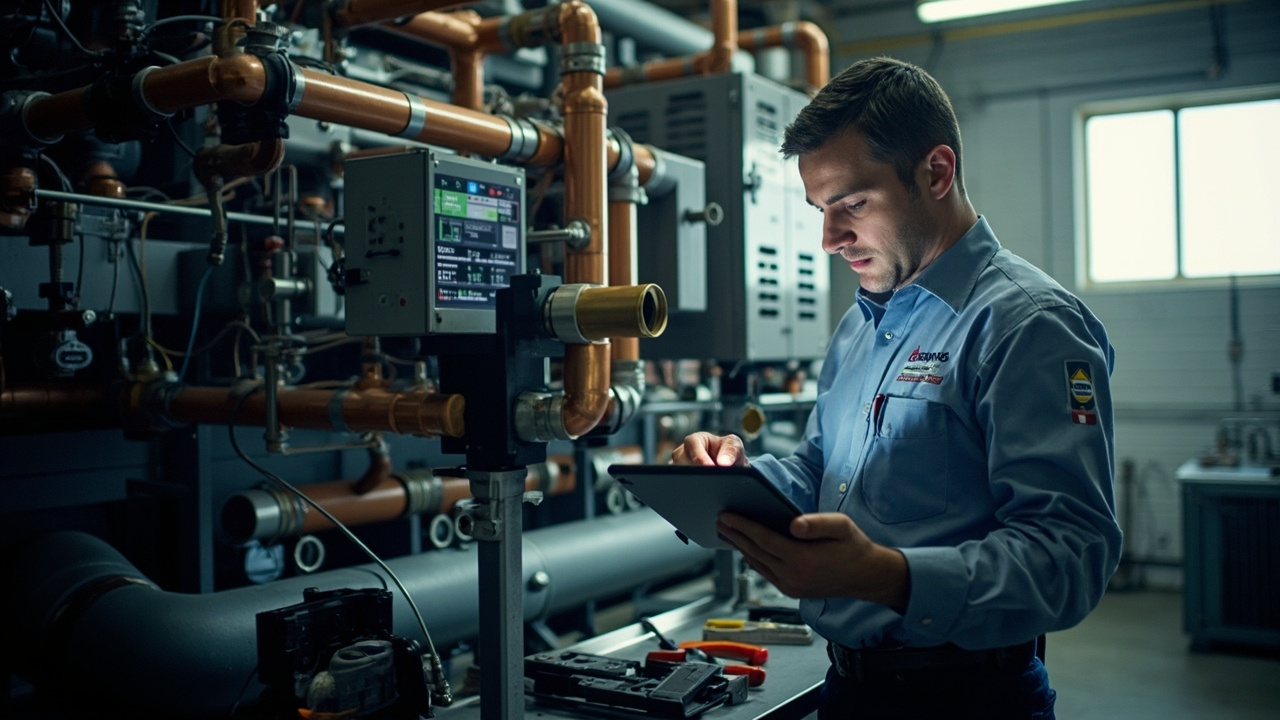
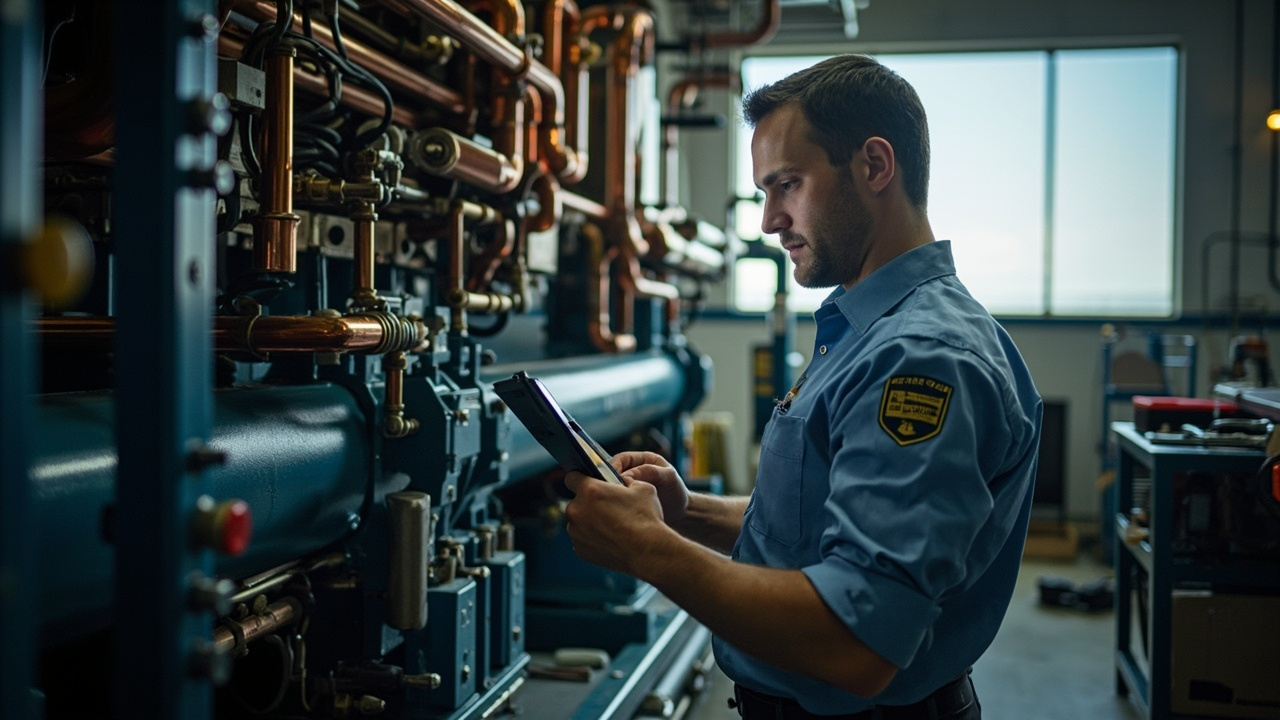
Industrial chiller repair requires diagnostic precision and component-level expertise. We do not guess. We measure refrigerant superheat and subcooling values, analyze compressor oil for metal contamination, perform vibration analysis on rotating equipment, and use thermal imaging to identify hot spots in electrical connections before they fail.

Our process cooling services start with understanding your specific application. A plastics injection molding operation has different cooling requirements than a brewery or a medical imaging facility. We map your load profile, identify peak demand periods, and calculate your actual tonnage requirements against your equipment capacity. Many facilities discover they are either oversized, causing excessive short cycling, or undersized, forcing equipment to run at 100 percent capacity with no safety margin.

Chiller plant maintenance in our hands means more than filter changes. We perform eddy current testing on tube bundles to detect corrosion before leaks develop. We verify oil level and quality in screw and centrifugal compressors, checking for moisture contamination and acid formation. We calibrate control systems, test safety devices, and verify proper sequencing of multiple chiller installations.

When your facility runs multiple chillers in a central plant configuration, we optimize lead-lag programming and evaluate whether your existing building management system is staging equipment efficiently. Poor sequencing wastes energy and creates uneven wear patterns. We also assess your cooling tower operation, water treatment program, and glycol concentration if you run a closed-loop system. Every component in your process cooling services chain affects reliability. A $200 water treatment failure can destroy a $150,000 chiller if left unchecked.

What Happens When You Contact Us for Industrial Chiller Services

Industrial Chiller Services in Columbus – Minimize Downtime with Rapid Response Industrial Cooling Solutions
01

Immediate System Assessment

We dispatch a technician with industrial chiller experience to your Columbus facility within hours. Our assessment includes refrigerant pressure readings, amperage draw on all motors, control system diagnostics, and a visual inspection of mechanical and electrical components. You receive a preliminary diagnosis and a clear explanation of what failed, why it failed, and what it will take to restore operation.
02

Repair Execution and Testing

We source OEM components or approved equivalents and execute repairs with minimal disruption to your facility. Refrigerant recovery and recharging follows EPA Section 608 protocols. Compressor replacements include oil analysis and system flushing. After mechanical repairs, we run the system through a full load cycle, verify setpoints, and monitor operation until we confirm stable performance. You do not pay for guesswork.
03

Performance Verification and Documentation

We provide written documentation of all work performed, including before and after readings, refrigerant added, and any components replaced. You receive a system performance report showing operating efficiency and a recommendation for future chiller plant maintenance intervals. If your facility requires compliance documentation for ISO, FDA, or other regulatory standards, we deliver the paperwork you need in the format you need.

Why Columbus Facilities Trust Grand HVAC Columbus for Mission-Critical Cooling

Industrial cooling systems do not tolerate experimentation. You need technicians who understand thermodynamic cycles, refrigerant chemistry, and the mechanical engineering principles that govern large-tonnage equipment. Grand HVAC Columbus brings that expertise to every service call.

We work with centrifugal chillers, screw compressor systems, and reciprocating units from all major manufacturers. Whether you operate Trane, Carrier, York, Daikin, or McQuay equipment, we have the diagnostic tools and component knowledge to execute repairs correctly the first time. We maintain relationships with parts suppliers and can source critical components faster than generalist contractors.

Columbus industrial facilities benefit from our familiarity with local infrastructure. We know the electrical service limitations in older industrial parks near Downtown. We understand the water quality issues that affect cooling tower operation in Franklin County. We know which local suppliers stock refrigerants and mechanical components, and we know how to navigate permit requirements for refrigerant handling and discharge.

Your operation does not stop for second attempts. When we commit to a repair timeline, we meet it. If a component requires overnight shipping, we arrange it. If a repair requires after-hours work to avoid disrupting your production schedule, we staff it. Our service model is built around your uptime requirements, not our convenience.

We also provide transparent communication. You will speak directly with the technician diagnosing your equipment. You will receive clear explanations of what failed and why. You will get a detailed cost breakdown before we proceed with repairs. No surprises, no change orders, no excuses.

What Your Columbus Facility Should Expect from Industrial Chiller Services

Response Time and Availability

Emergency industrial chiller repair requests receive priority dispatch. We maintain a rotating on-call schedule to ensure coverage seven days a week. When your chiller fails during a production run, you cannot wait until Monday morning. Our average response time for emergency service calls in the Columbus metro area is under four hours. For facilities with scheduled maintenance agreements, we provide even faster response times and prioritized parts inventory. If your operation runs 24/7, we match your schedule with technicians available for overnight and weekend service calls.

Diagnostic Process and Transparency

Industrial chiller diagnostics require systematic troubleshooting, not guesswork. We measure and record baseline performance data, isolate the failure point, and verify our diagnosis before recommending repairs. You receive a written assessment explaining what failed, the root cause, and whether the failure indicates broader system issues. If your compressor failed due to poor water treatment, we tell you. If your control system is obsolete and prone to repeated failures, we tell you. Transparency prevents repeated service calls for symptoms rather than solving the underlying problem.

Quality of Workmanship and Components

We install OEM components or verified equivalents that meet or exceed original specifications. Refrigerant charging follows manufacturer guidelines for superheat and subcooling. Electrical connections use proper wire gauge and termination methods. Brazed joints on refrigerant lines are nitrogen-purged to prevent oxidation. After repairs, we test the system under load conditions, not just at idle. You receive equipment that operates as designed, not a temporary fix that fails again in three months. Our work meets ASHRAE standards and local code requirements for commercial refrigeration systems.

Preventive Maintenance Programs

Scheduled chiller plant maintenance prevents the majority of unexpected failures. We offer quarterly, semi-annual, and annual maintenance contracts tailored to your equipment type and operating hours. Preventive visits include refrigerant analysis, oil sampling, motor bearing inspection, control calibration, and detailed performance testing. We track trends in operating pressures, temperatures, and amperage draw to identify developing problems before they cause downtime. Facilities with active maintenance agreements experience 60 to 80 percent fewer emergency breakdowns compared to run-to-failure operations. You also gain budget predictability and extended equipment lifespan.

Frequently Asked Questions

You Have Questions,
We Have Answers

How often should a chiller be serviced? +

Industrial chillers require quarterly maintenance for optimal performance and annual comprehensive inspections. High-demand facilities in Columbus should schedule service every 3 months to address refrigerant levels, compressor function, and heat exchanger efficiency. Ohio's seasonal temperature swings stress chiller components, making consistent preventive maintenance critical to avoid costly downtime. Facilities running 24/7 operations may need monthly inspections. Document all service visits to maintain warranty compliance and track equipment degradation. Skipping scheduled maintenance reduces efficiency by 15-20% annually and increases failure risk during peak cooling months when your business depends on uninterrupted operation.

How much does a 1000 ton chiller cost? +

A 1000-ton industrial chiller typically costs $300,000 to $700,000 depending on configuration, efficiency rating, and installation complexity. Water-cooled systems cost more upfront but deliver better long-term ROI for Columbus facilities with high cooling loads. Air-cooled units offer lower installation costs but higher operating expenses. Factors affecting price include backup redundancy, control systems, structural reinforcement requirements, and integration with existing infrastructure. Columbus projects face additional costs for building code compliance and environmental permits. Consider total cost of ownership over equipment lifespan rather than initial purchase price. Financing options and energy rebates can offset capital expenditure.

What does an industrial chiller do? +

An industrial chiller removes heat from process water or air to maintain precise temperature control for manufacturing, data centers, and large commercial facilities. The system circulates refrigerant through a compressor, condenser, expansion valve, and evaporator to transfer heat away from your facility. Columbus manufacturing plants use chillers for plastic molding, metalworking, and pharmaceutical production where temperature stability directly impacts product quality. Data centers require chillers to prevent server overheating. The equipment provides consistent cooling regardless of outdoor conditions, protecting your operation from Ohio's temperature extremes. Proper sizing ensures efficiency without overshooting capacity needs.

What is a chiller service? +

Chiller service includes preventive maintenance, repairs, and performance optimization to keep industrial cooling systems running efficiently. Technicians inspect refrigerant charge, oil levels, compressor operation, water treatment, electrical connections, and control calibration. Service visits address condenser tube cleaning, gasket replacement, and refrigerant leak detection before failures occur. Columbus facilities benefit from service contracts that prioritize emergency response during summer peaks when chiller failure causes immediate production losses. Regular service extends equipment life, maintains energy efficiency, and ensures code compliance. Comprehensive service includes thermal imaging, vibration analysis, and oil sampling to catch problems early and schedule repairs during planned downtime.

What is the $5000 rule? +

The $5000 rule is an IRS tax guideline for capitalizing equipment repairs versus expensing routine maintenance. If a chiller repair exceeds $5000 and extends equipment life, improves efficiency, or upgrades capacity, you must capitalize the cost and depreciate it over time. Repairs under $5000 that restore original function qualify as deductible maintenance expenses. This threshold affects financial planning for Columbus facility managers balancing capital budgets against operating expenses. Work with your accountant to classify chiller expenditures correctly. Major overhauls, compressor replacements, and control system upgrades typically exceed the threshold and require capitalization for accurate tax reporting.

What are the 4 types of maintenance? +

The four maintenance types are preventive, predictive, corrective, and reactive. Preventive maintenance follows scheduled intervals to replace filters, clean coils, and inspect components before failure. Predictive maintenance uses vibration sensors, thermal imaging, and oil analysis to forecast problems based on equipment condition. Corrective maintenance addresses minor issues found during inspections before they cause downtime. Reactive maintenance responds to unexpected failures. Columbus facilities should prioritize preventive and predictive approaches to avoid emergency repairs during peak production. Reactive maintenance costs three to five times more than planned service and causes business disruption. A balanced strategy reduces total maintenance costs and maximizes chiller uptime.

How long do industrial chillers last? +

Industrial chillers last 15 to 20 years with proper maintenance, though component replacement extends operational life beyond 25 years. Water-cooled systems typically outlast air-cooled units due to lower operating stress. Columbus facilities operating chillers 24/7 experience faster wear than those with intermittent use. Compressor replacement at year 12-15 adds five to seven years of service life. Harsh water quality accelerates condenser tube corrosion, requiring earlier replacement. Climate control for sensitive manufacturing justifies life-extension investments versus replacement costs. Document maintenance history to predict remaining useful life and plan capital expenditure. Efficiency losses after year 15 may justify replacement despite functional operation.

How much is the chiller fee? +

Chiller service costs vary based on system size, service scope, and contract structure. Routine quarterly maintenance for a 100-ton unit ranges differently than emergency repairs on a 500-ton system. Columbus facilities pay premium rates for after-hours emergency service during production downtime. Annual service contracts reduce per-visit costs and guarantee priority response. Costs increase for refrigerant recovery, compressor replacement, or control system upgrades. Water treatment services, leak detection, and performance testing add to base maintenance fees. Request itemized proposals comparing time-and-materials pricing versus flat-rate contracts. Factor downtime costs when evaluating service pricing since delayed repairs multiply losses.

Is a chiller the same as HVAC? +

A chiller is a component within larger HVAC systems but serves distinct functions. HVAC encompasses heating, ventilation, and air conditioning for building comfort. Industrial chillers focus specifically on process cooling and high-capacity heat removal for manufacturing or data centers. Columbus commercial buildings integrate chillers into HVAC systems to cool air handlers and maintain indoor climate. Industrial facilities use standalone chillers for equipment cooling separate from comfort conditioning. Chillers operate at higher capacities and tighter temperature tolerances than standard HVAC equipment. Understanding this distinction helps you communicate needs to contractors and avoid mismatched solutions. Your facility may require both systems serving different functions.

What are common chiller problems? +

Common chiller problems include refrigerant leaks, compressor failure, condenser fouling, water flow restrictions, and control system errors. Low refrigerant charge reduces cooling capacity and efficiency. Compressor wear causes noise, vibration, and eventual failure. Columbus water quality issues accelerate scale buildup in condenser tubes, restricting heat transfer. Pump failures disrupt water circulation. Electrical issues trip breakers or damage contactors. Freezing occurs when water temperature drops below setpoint due to control malfunction. Corrosion from inadequate water treatment damages heat exchangers. Regular maintenance catches these issues early. Monitor performance trends to identify degradation before complete failure disrupts operations and causes emergency repair costs.

How Columbus Humidity and Industrial Growth Impact Your Chiller Performance

Columbus sits in a humid continental climate zone where summer dew points regularly exceed 70 degrees. High ambient humidity forces your chiller's condenser to work harder to reject heat, reducing efficiency and increasing compressor runtime. Cooling towers struggle to achieve design approach temperatures when wet bulb conditions climb above 78 degrees, a common occurrence from June through August. The industrial corridor along Interstate 70 and near Rickenbacker International Airport sees additional challenges from airborne particulates and seasonal cottonwood seed that clog condenser coils and cooling tower fill media. Facilities without aggressive filtration and regular coil cleaning lose 15 to 25 percent of rated capacity during peak cooling months.

Columbus's expanding logistics and manufacturing sectors demand reliable process cooling services. As more distribution centers, food processing plants, and advanced manufacturing operations establish facilities in Franklin County, the need for experienced industrial cooling system services providers grows. Local building inspectors enforce Ohio Mechanical Code requirements for refrigerant handling, backflow prevention, and emergency shutdown systems. Working with a provider who understands these local code requirements prevents costly rework and inspection delays. Grand HVAC Columbus maintains active relationships with local inspectors and stays current on Columbus-specific permit and compliance procedures.

HVAC Services in The Columbus Area

Grand HVAC Columbus is proud to serve the entire Columbus area and surrounding communities. We are committed to being a local, dependable resource for all your heating and cooling needs. Our convenient location ensures that we can respond quickly and efficiently to service calls, whether you're a residential or commercial client. We invite you to view our service area on the map to see how we can bring our expert HVAC solutions right to your doorstep.

Address:
Grand HVAC Columbus, 420 E 5th Ave, Columbus, OH, 43201

Additional Services We Offer

Our news updates

Latest Articles & News from The Blogs

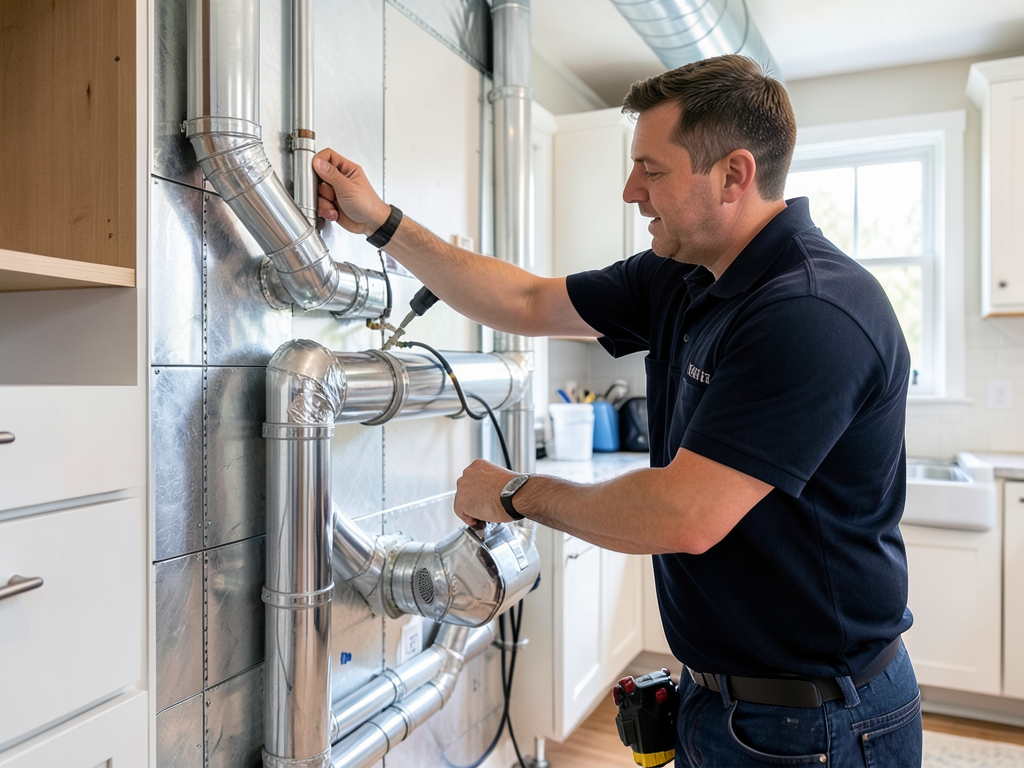
Moving Your Air Vents During a Major Kitchen Renovation in Upper Arlington Planning to move walls and reconfigure your kitchen…

Moving Your Air Vents During a Major Kitchen Renovation in Upper Arlington

Moving Your Air Vents During a Major Kitchen Renovation in Upper Arlington Planning to move walls and reconfigure your kitchen…

The Landlord Guide to Low Maintenance HVAC in the University District

The Landlord Guide to Low Maintenance HVAC in the University District \n\n Managing rental properties in Columbus’s University District comes…

Why Westerville Homeowners are Looking into Solar Ready HVAC Systems

Why Westerville Homeowners are Looking into Solar Ready HVAC Systems Westerville homeowners are increasingly exploring solar-ready HVAC systems as energy…

Contact Us

Equipment failures cost you money every minute they continue. Call (380) 253-3188 now to speak directly with an industrial cooling specialist. We provide same-day diagnostics, transparent pricing, and repairs executed on your timeline. Your Columbus facility deserves uptime.