





Menu

Zone Control Systems in Columbus – Custom Comfort in Every Room with Multi-Zone HVAC Solutions

Stop wasting energy heating and cooling empty rooms. Our zone control systems give Columbus homeowners precise temperature management in every space, cutting utility bills while ending thermostat battles for good.

Slider Image 1
Slider Image 2
Slider Image 3
Slider Image 4
Slider Image 5
Slider Image 7
Slider Image 8
Slider Image 9
Slider Image 10
Slider Image 11

Why Columbus Homes Need Multi-Zone HVAC Solutions

Columbus's humid summers and unpredictable winters create a challenge most single-thermostat systems can't solve. Your second floor sits ten degrees warmer than the basement. The south-facing sunroom overheats while the north bedroom stays cold. You crank the AC to cool the upstairs, freezing everyone downstairs in the process.

Traditional forced air systems treat your entire home as one space. That worked fine in the 1980s ranch homes scattered throughout Clintonville and German Village, but modern Columbus families need flexibility. Multi-level homes, finished basements, home offices, and aging parents living in converted spaces all demand different temperature zones.

HVAC zoning systems solve this by dividing your home into independently controlled areas. Motorized dampers inside your ductwork open and close based on individual thermostats in each zone. You set the master bedroom to 68 degrees while keeping the unused guest room at 74. The basement stays comfortable without overcooling the main floor.

Columbus's clay soil shifts with seasonal moisture changes, sometimes creating minor foundation movement that affects ductwork efficiency. Zoned heating and cooling compensates by giving you granular control over airflow distribution. You stop fighting your system and start using it strategically.

Central air zoning also addresses the reality of Columbus's tree canopy. Homes in Bexley with mature oak coverage stay naturally cooler than properties in newer Polaris subdivisions with minimal shade. A single thermostat can't account for these microclimates. Zone control can.

The result is comfort where you need it, efficiency where you don't, and an end to the thermostat wars that plague most Columbus households.

Why Columbus Homes Need Multi-Zone HVAC Solutions
How Professional Zone Control Installation Works

How Professional Zone Control Installation Works

Installing a zone control system requires precision ductwork modification and electrical integration. This is not a thermostat swap. We start by calculating the thermal load for each proposed zone, measuring square footage, insulation values, window exposure, and occupancy patterns. A south-facing home office in Upper Arlington generates different cooling demands than a north-facing bedroom in Worthington.

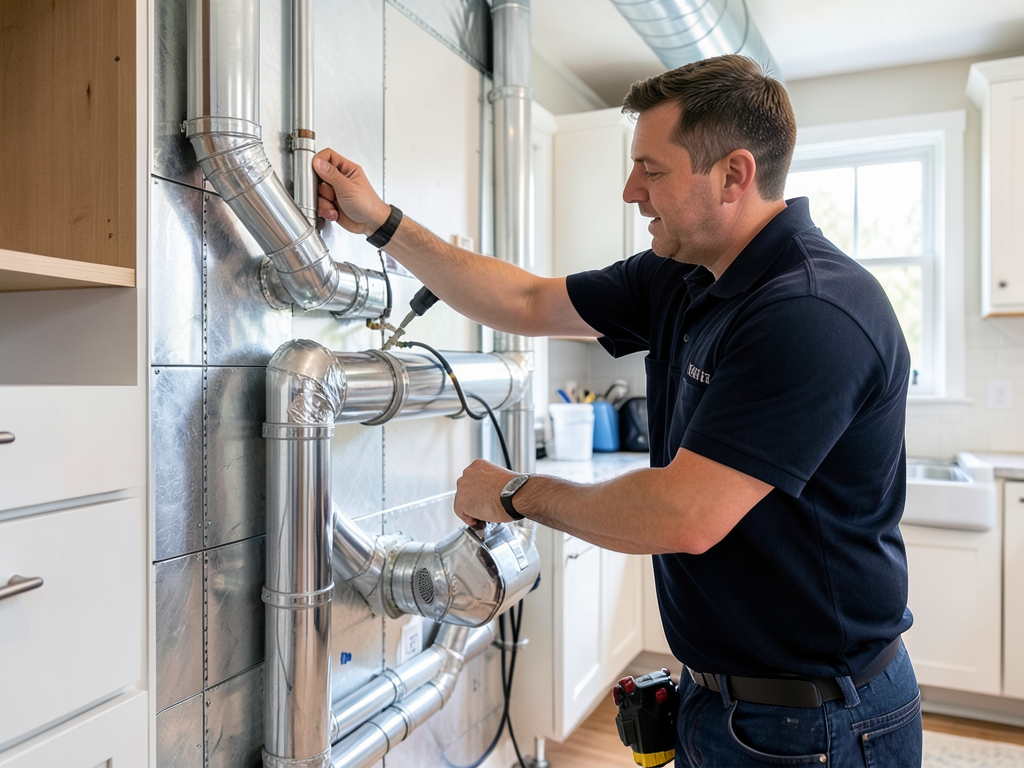
We map your existing duct trunk lines and branch runs to determine optimal damper placement. Each motorized damper gets installed at strategic junction points where branch ducts split from the main trunk. These dampers must seal completely when closed to prevent air bypass, which would undermine the entire system. Cheap dampers leak. We install commercial-grade units with silicone gasket seals rated for 15-plus years of daily cycling.

The control board integrates with your existing furnace and air conditioner, managing when each zone calls for heating or cooling. Most Columbus homes need two to four zones. We install a dedicated thermostat for each zone, typically grouping floors or wings logically. The system monitors which zones are calling and modulates damper positions accordingly.

Bypass dampers or variable-speed blower upgrades often become necessary. When multiple zones close simultaneously, static pressure builds in the ductwork. Without a pressure relief method, this strains the blower motor and reduces equipment lifespan. We calculate your system's pressure tolerance and recommend the appropriate bypass solution.

We also verify your furnace and AC can handle zoned operation. Older single-stage equipment sometimes struggles with the reduced airflow that occurs when zones close. Variable-speed or two-stage systems adapt better. We give you honest guidance about whether your current equipment is compatible or if upgrades make sense alongside zoning installation.

The Zone Control Installation Process

Zone Control Systems in Columbus – Custom Comfort in Every Room with Multi-Zone HVAC Solutions
01

System Assessment and Design

We inspect your current HVAC system, ductwork accessibility, and home layout to design a zoning plan that matches how you actually use your space. You tell us which rooms run hot or cold, and we measure existing airflow to each area. We identify how many zones make sense, where dampers will install, and whether your equipment needs modifications to handle zoned operation safely.
02

Damper and Control Installation

Our technicians install motorized dampers at calculated points in your duct system, running low-voltage control wiring back to a central zone control panel. We mount a thermostat in each zone, connecting it to the control board that orchestrates damper positions and equipment operation. We verify each damper opens and closes fully, checking for air leaks and ensuring proper electrical connectivity throughout the system.
03

Testing and Calibration

We test every zone individually, verifying airflow, temperature response, and damper cycling. We check static pressure across all operating scenarios to confirm your equipment isn't being strained. You learn how to operate each thermostat and adjust zone schedules for maximum efficiency. We leave you with a system that delivers targeted comfort without the energy waste of conditioning spaces you're not using.

Why Columbus Homeowners Choose Grand HVAC for Zoning Systems

Zoning installation done wrong creates more problems than it solves. We've diagnosed systems where dampers were installed backward, control boards wired incorrectly, and undersized equipment forced to serve too many zones. The result is always the same: uncomfortable rooms, skyrocketing utility bills, and premature equipment failure.

Grand HVAC Columbus understands how zone control systems interact with Columbus's mixed housing stock. Victorian homes in Victorian Village have gravity-conversion ductwork that requires custom damper sizing. Mid-century ranches in Clintonville often have perimeter duct systems where zone separation gets tricky. New construction in Dublin and Powell typically has adequate duct sizing for zoning, but we still verify trunk line capacity before installation.

We account for Columbus's specific climate demands. Summer humidity requires careful attention to dehumidification when zones reduce airflow through the evaporator coil. We size bypass dampers appropriately and sometimes recommend variable-speed blower upgrades to maintain proper moisture removal. Winter heating in zoned systems can create cold spots if supply registers aren't balanced correctly after damper installation.

Our technicians are trained in psychrometrics and airflow dynamics, not just component installation. We calculate heat gain and loss for each zone, considering window orientation, insulation levels, and typical occupancy. A home office with three computers and south-facing windows needs different airflow than a guest bedroom used twice a year.

We also navigate Columbus's building code requirements. Zone control modifications sometimes trigger permit requirements, especially if we're upgrading electrical service to the HVAC equipment. We handle that process, ensuring your installation meets code and won't create issues when you sell your home.

You get straight answers about whether zoning makes sense for your specific situation. Some homes benefit more from equipment upgrades or duct modifications than from zone control. We recommend what actually solves your comfort problem.

What to Expect from Your Zone Control System

Installation Timeline and Disruption

Most zone control installations take one to two days, depending on how many zones you're adding and ductwork accessibility. We need attic or basement access to reach your duct trunk lines where dampers install. You'll hear cutting and drilling as we modify ductwork and run control wiring. The process is dusty, so we seal off work areas and clean thoroughly afterward. Your heating and cooling stay operational during installation, though we'll need to shut the system down for a few hours during final connections. We complete most Columbus installations in a single visit, leaving only if we encounter unexpected ductwork issues that require custom fabrication.

Initial Consultation and System Design

During the consultation, we walk through your home with you, identifying problem areas and discussing how you use different spaces. We measure supply register airflow and take temperature readings in each room you want zoned. We inspect your furnace and air conditioner to verify compatibility with zoning, checking equipment age, capacity, and blower type. You'll see your ductwork layout and learn where dampers will install. We calculate the thermal load for each proposed zone and explain whether your current equipment can handle the modification or if upgrades make sense. You get a detailed proposal showing equipment costs, labor, and expected energy savings from zoned operation.

Comfort and Energy Savings Results

After installation, you control each zone independently. Set sleeping areas cooler at night without freezing the main floor. Keep the home office comfortable during work hours without conditioning the entire house. Close off guest rooms completely when not in use. Most Columbus homeowners see 20 to 30 percent reductions in heating and cooling costs because they're no longer paying to condition unoccupied spaces. Temperature variations between floors disappear. The thermostat battles stop. You adjust each zone's schedule to match when you actually use those spaces, maximizing efficiency without sacrificing comfort. Rooms that were previously too hot or too cold become usable year-round.

System Monitoring and Adjustments

We return after two weeks to verify your system is performing as designed. We check damper operation, review your comfort in each zone, and make any necessary airflow adjustments. Zone control systems sometimes need minor balancing after you've lived with them through a full heating or cooling cycle. We show you how to adjust zone schedules and temperature setpoints for maximum efficiency. Your dampers require no regular maintenance, though we inspect them during annual HVAC tune-ups to verify seals remain tight and motors cycle properly. The control board and thermostats are solid-state electronics with no moving parts to fail.

Frequently Asked Questions

You Have Questions,
We Have Answers

What is a zone control system? +

A zone control system divides your home into separate areas, each with its own thermostat. Motorized dampers in your ductwork open and close to direct airflow only where you need it. This means you stop heating or cooling empty rooms. In Columbus, where summer humidity and winter cold create big swings, zone control lets you customize comfort for upstairs bedrooms, main floors, and basements independently. You save energy by not conditioning spaces you are not using. The system connects to a central control panel that manages damper positions based on each zone's temperature demand.

What are the three primary types of zoning systems? +

The three primary types are damper-based zoning, multiple HVAC unit systems, and ductless mini-split systems. Damper-based zoning uses motorized dampers in existing ductwork to control airflow to different areas. Multiple unit systems install separate HVAC systems for different floors or wings of your home. Ductless mini-splits use individual air handlers in each zone, connected to an outdoor compressor. Columbus homeowners with multi-story homes often choose damper-based zoning because it works with existing ductwork. Ductless systems work well for additions or homes without ducts, common in older Columbus neighborhoods.

How much does a zone control system cost? +

Zone control system costs vary based on your home size, number of zones, and existing ductwork condition. Most Columbus installations include a control panel, multiple thermostats, motorized dampers, and professional installation. Homes with existing ductwork typically cost less than homes needing duct modifications. A two-zone system costs less than a four-zone setup. Your total depends on how many areas you want to control independently. Additional factors include thermostat type, damper quality, and whether you need duct modifications to balance airflow properly. Request a detailed estimate that breaks down equipment and labor separately.

What is the best HVAC system for zoning? +

Variable-speed systems with two-stage or modulating compressors work best for zoning. These systems adjust output to match demand from individual zones without short cycling. In Columbus, where temperature swings can be dramatic, variable-speed equipment handles partial loads efficiently. Single-stage systems struggle with zoning because they run full blast or not at all, creating pressure imbalances. Look for systems with communicating controls that adjust blower speed based on how many zones call for conditioning. Heat pumps with variable-speed technology work well for Columbus climate conditions, handling both summer cooling and winter heating demands efficiently.

What is the $5000 rule for HVAC? +

The $5000 rule refers to a threshold for deciding whether to repair or replace your HVAC system. If your system age multiplied by repair cost exceeds $5000, replacement makes more financial sense. For example, if your 15-year-old system needs a $400 repair, that equals $6000, suggesting replacement. This guideline helps Columbus homeowners avoid throwing money at aging equipment. However, consider additional factors like energy efficiency gains, refrigerant type, and whether you plan zoning upgrades. Modern systems with zone control capability offer better efficiency than repeatedly repairing old equipment.

How much does it cost to add zones to HVAC system? +

Adding zones to an existing HVAC system depends on how many zones you create and your current ductwork layout. You need motorized dampers, thermostats for each zone, a zone control panel, and professional installation. Columbus homes with accessible ductwork in basements or attics typically see lower installation costs. Homes needing significant duct modifications or balancing work cost more. A basic two-zone addition costs less than a comprehensive four-zone system. Your contractor should evaluate duct sizing, airflow balance, and whether your current equipment can handle zoned operation without modifications.

What is an example of a zoning system? +

A common zoning system example is a two-story Columbus home with separate upstairs and downstairs zones. The upstairs zone includes bedrooms, controlled by one thermostat. The downstairs zone covers living areas, kitchen, and main floor, controlled by another thermostat. Motorized dampers in the ductwork direct airflow based on which zone calls for heating or cooling. During winter nights, you can reduce heating downstairs while maintaining comfortable bedroom temperatures upstairs. Summer afternoons, you can cool main living areas without overcooling unused bedrooms. This setup addresses the natural heat rise in multi-story homes.

How much does it cost to install a zone damper? +

Zone damper installation costs depend on damper size, location accessibility, and how many dampers your system needs. Round dampers for branch ducts differ in price from rectangular dampers for main trunk lines. Columbus homes with accessible ductwork in unfinished basements see lower labor costs than homes requiring attic work or cutting through finished ceilings. Your installer must size dampers correctly for duct dimensions and airflow requirements. Motorized dampers with spring return mechanisms cost more than basic models but provide better fail-safe operation. Installation includes electrical connections to the zone control panel.

How to get around zoning restrictions? +

HVAC zoning restrictions refer to technical limitations, not municipal codes. You cannot simply add zones without proper system evaluation. Your blower must handle varying static pressure as dampers close. Undersized ductwork creates velocity noise and pressure problems. Some single-stage systems cannot handle zoning without bypass dampers or blower speed controls. Columbus homeowners should have a qualified technician evaluate duct sizing, equipment compatibility, and airflow requirements before adding zones. Proper design prevents short cycling, hot spots, and equipment damage. Bypass dampers or variable-speed blowers solve many zoning restriction issues.

How much is HVAC for a 2000 square-foot house? +

HVAC costs for a 2000 square-foot house depend on equipment efficiency, brand, installation complexity, and whether you choose standard or zoned systems. Columbus homes typically need 2.5 to 3.5-ton systems based on insulation, window quality, and ceiling height. Two-story homes often benefit from zoned systems to address temperature differences between floors. Costs include equipment, ductwork modifications if needed, thermostat installation, electrical connections, refrigerant lines, and labor. Higher efficiency systems cost more upfront but reduce monthly utility bills. Request multiple detailed estimates comparing equipment specifications and warranty coverage.

How Columbus's Multi-Level Homes and Climate Swings Make Zone Control Essential

Columbus's housing mix creates natural zoning opportunities. Two-story colonials dominate suburbs like Hilliard and Grove City, where the second floor runs 8 to 12 degrees warmer than the main level during summer. Finished basements are standard in Columbus homes built after 1990, creating a third temperature zone that needs independent control. Older neighborhoods like Grandview Heights feature bungalows and cape cods with finished attics that become unusable without dedicated cooling. The city's 80-degree summer days paired with 20-degree winter nights force HVAC systems to work year-round, making efficiency gains from zoned heating and cooling particularly valuable. Columbus's humidity during June through August also means your AC runs frequently. Zoning lets you target moisture removal where it matters most without overcooling less-used spaces.

Columbus follows Ohio's residential building code, which requires HVAC modifications involving electrical or ductwork changes to meet current ventilation standards. We navigate these requirements during zone control installation, ensuring your system passes inspection if your municipality requires permits. Our familiarity with Columbus's mix of older housing stock and new construction means we adapt zoning strategies to your home's specific duct layout and equipment capacity. Many Columbus HVAC companies install zone control as an add-on without proper load calculations, leading to equipment strain and premature failure. We approach zoning as a system modification that requires engineering, not just component installation.

HVAC Services in The Columbus Area

Grand HVAC Columbus is proud to serve the entire Columbus area and surrounding communities. We are committed to being a local, dependable resource for all your heating and cooling needs. Our convenient location ensures that we can respond quickly and efficiently to service calls, whether you're a residential or commercial client. We invite you to view our service area on the map to see how we can bring our expert HVAC solutions right to your doorstep.

Address:
Grand HVAC Columbus, 420 E 5th Ave, Columbus, OH, 43201

Additional Services We Offer

Our news updates

Latest Articles & News from The Blogs

Moving Your Air Vents During a Major Kitchen Renovation in Upper Arlington Planning to move walls and reconfigure your kitchen…

Moving Your Air Vents During a Major Kitchen Renovation in Upper Arlington

Moving Your Air Vents During a Major Kitchen Renovation in Upper Arlington Planning to move walls and reconfigure your kitchen…

The Landlord Guide to Low Maintenance HVAC in the University District

The Landlord Guide to Low Maintenance HVAC in the University District \n\n Managing rental properties in Columbus’s University District comes…

Why Westerville Homeowners are Looking into Solar Ready HVAC Systems

Why Westerville Homeowners are Looking into Solar Ready HVAC Systems Westerville homeowners are increasingly exploring solar-ready HVAC systems as energy…

Contact Us

Stop paying to heat and cool rooms you're not using. Call Grand HVAC Columbus at (380) 253-3188 for a zone control consultation. We'll show you exactly how multi-zone HVAC can transform your comfort and efficiency.