





Menu

Commercial Maintenance Agreements in Columbus – Reduce Downtime and Control Operating Costs with Planned HVAC Service

Protect your facility's uptime with commercial HVAC maintenance plans designed for Columbus businesses. Lock in predictable service costs, extend equipment life, and eliminate emergency downtime before it impacts your bottom line.

Slider Image 1
Slider Image 2
Slider Image 3
Slider Image 4
Slider Image 5
Slider Image 7
Slider Image 8
Slider Image 9
Slider Image 10
Slider Image 11

Why Columbus Businesses Cannot Afford Reactive HVAC Management

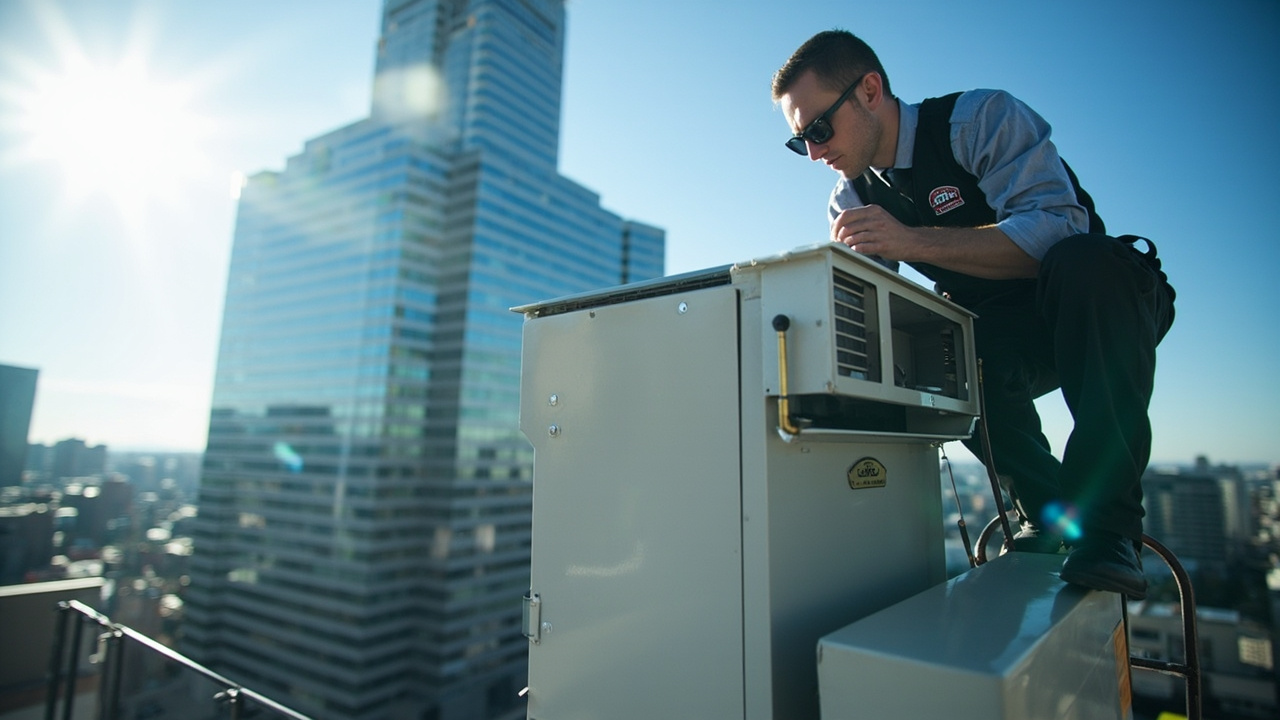
Your equipment does not fail on a convenient Tuesday afternoon. It fails during a July heatwave when your facility is at full capacity and your operations manager is already managing three other problems. Columbus summers hit 95 degrees with 70 percent humidity. Your rooftop units run 12 hours straight just to hold setpoint. That kind of load accelerates wear on compressors, contactors, and fan motors.

Most Columbus businesses operate on break-fix service. Something quits, you call for help, you pay emergency rates, and you lose operational capacity while waiting for parts. This model costs you three to four times more than planned maintenance over a five-year cycle. Commercial HVAC service agreements eliminate reactive spending by scheduling inspections before failures occur.

The hidden cost is not just the service call. It is the conference room that hits 82 degrees during your client presentation. It is the warehouse crew that slows down because the space feels like an oven. It is the retail customer who walks out because your store is uncomfortable. These losses never show up on your HVAC invoice, but they destroy profitability.

Commercial planned maintenance agreements shift you from crisis management to predictable operations. You get scheduled service visits, priority response when issues arise, and a fixed annual cost structure that makes budgeting simple. Your equipment runs longer, your utility bills stay lower, and your operations stay consistent regardless of outdoor conditions.

Why Columbus Businesses Cannot Afford Reactive HVAC Management
How Commercial HVAC Service Contracts Extend Equipment Life and Reduce Failures

How Commercial HVAC Service Contracts Extend Equipment Life and Reduce Failures

A commercial HVAC maintenance plan is not a service package. It is a documented strategy to maximize asset life and minimize unplanned downtime. Each visit follows a protocol designed around manufacturer specifications and real-world failure patterns observed across thousands of commercial installations.

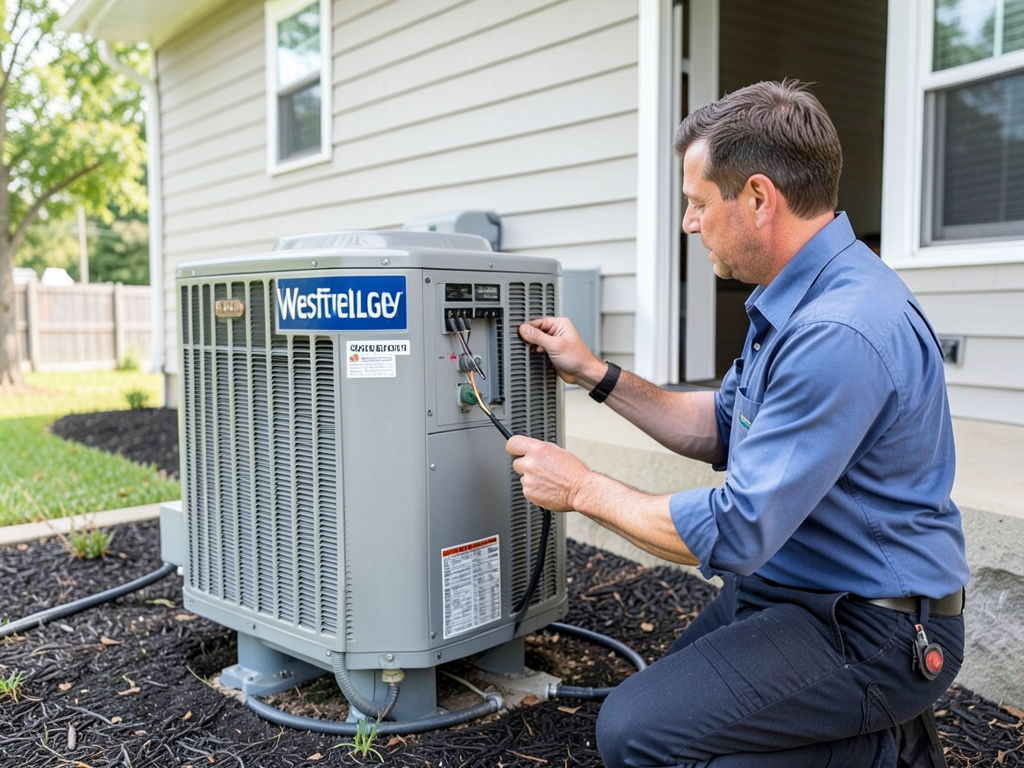
Technicians measure refrigerant charge using superheat and subcooling calculations. They inspect electrical connections with thermal imaging to identify hot spots before they cause contactor failure. They test capacitor microfarad ratings against OEM specs because a weak capacitor reduces compressor efficiency by 15 percent and shortens motor life by years. These are not visual checks. These are quantifiable data points that predict failure before it occurs.

Belt tension gets measured with a strand tension gauge. Economizer dampers get cycled through full range of motion and actuator response time gets logged. Drain lines get flushed with biocide tablets to prevent algae blockages that cause overflow and water damage. Every bearing gets inspected for noise and lateral play. Filter pressure drop gets measured with a manometer to determine actual load, not guessed based on appearance.

HVAC preventive maintenance agreements include detailed reporting after each visit. You receive photos of worn components, amperage readings for each motor, and refrigerant pressures compared to baseline. This documentation supports capital planning. You know which units need replacement in 18 months versus which units have five years of reliable service remaining. That turns your HVAC budget from reactive guesswork into strategic planning.

How We Structure Your Commercial Service Agreement

Commercial Maintenance Agreements in Columbus – Reduce Downtime and Control Operating Costs with Planned HVAC Service
01

Equipment Audit and Baseline

We document every piece of mechanical equipment in your facility. Each unit gets photographed, tagged, and entered into our service management system with make, model, serial number, and installation date. We establish baseline performance metrics including amperage draws, refrigerant pressures, airflow measurements, and thermal differentials. This data becomes your reference point for tracking degradation over time and predicting replacement cycles.
02

Scheduled Service Visits

Your agreement specifies visit frequency based on equipment type and runtime. Rooftop units typically require quarterly service. Split systems need biannual maintenance. Each visit follows a 47-point checklist covering mechanical, electrical, and refrigeration components. Technicians carry calibrated instruments to measure performance, not just look at equipment. Any deviation from baseline triggers a documented report with photos and recommended action. You decide whether to address findings immediately or schedule during planned downtime.
03

Priority Response and Reporting

Agreement holders receive priority dispatch when unplanned issues occur. You skip the queue. You also receive quarterly performance reports showing equipment health trends, energy consumption patterns, and projected replacement timelines. This reporting supports capital budget requests by providing data-driven justification for equipment upgrades. You also get discounted labor rates on any repairs needed outside scheduled visits, reducing your total cost of ownership across the agreement term.

Why Columbus Facility Managers Choose Planned HVAC Maintenance

Columbus operates under Ohio Mechanical Code adoption with local amendments enforced by the Columbus Division of Building and Zoning Services. Commercial HVAC installations require specific clearances, refrigerant management protocols, and ventilation rates that differ from residential applications. Your service provider needs to understand these requirements because non-compliant modifications during repairs can trigger code violations during your next inspection.

Columbus sits in IECC Climate Zone 5A. You get cold winters that stress heat exchangers and hot, humid summers that overwork compressors. Equipment runs year-round with minimal shoulder seasons. This climate pattern accelerates wear compared to milder regions. Your maintenance schedule must account for this reality. Units need more frequent inspection and component replacement than manufacturer baseline recommendations suggest.

Grand HVAC Columbus structures commercial HVAC service agreements around actual Columbus operating conditions, not generic manufacturer guidelines. We track local failure patterns across hundreds of commercial installations. We know which rooftop unit models experience premature inducer motor failure in Columbus humidity. We know which economizer dampers stick during spring pollen season. This knowledge base lets us anticipate problems before they interrupt your operations.

We also understand Columbus business cycles. Retail clients need guaranteed uptime during November and December. Warehousing and logistics clients cannot afford downtime during peak shipping seasons. We schedule maintenance during your low-demand periods and keep parts inventory for your specific equipment models to minimize response time when urgent issues arise. Your operations stay predictable because your HVAC service is predictable.

What Your Commercial Maintenance Agreement Includes

Service Visit Frequency and Scope

Agreement tier determines visit frequency. Basic plans include biannual service appropriate for light-duty equipment with minimal runtime. Standard plans include quarterly visits for most commercial applications. Premium plans include monthly visits for mission-critical environments like data centers or healthcare facilities. Each visit includes mechanical inspection, electrical testing, refrigerant analysis, airflow measurement, and filter replacement. Visits get scheduled around your operational needs, not our convenience. You receive advance notice and can reschedule without penalty if business conditions change.

Priority Emergency Response

Agreement holders bypass standard dispatch queues. When you call with an urgent issue, you receive same-day response during business hours and next-available-slot response after hours. Most emergency calls get handled within four hours because we stock common commercial parts and assign dedicated technicians to agreement accounts. You also receive discounted emergency labor rates, typically 20 to 30 percent below standard after-hours pricing. This benefit alone can offset your annual agreement cost during a single emergency call.

Detailed Performance Documentation

Every service visit generates a detailed report accessible through your online portal. Reports include timestamped photos, measured performance data compared to baseline, and technician notes documenting observed conditions. You also receive quarterly summary reports showing performance trends across all equipment. These documents support insurance claims, satisfy property management requirements, and provide audit trails for compliance verification. The data also supports capital planning by showing which units approach end of useful life and should be included in next year's replacement budget.

Parts and Labor Discounts

Commercial HVAC service contracts include discounted rates on parts and labor for repairs outside scheduled maintenance visits. Typical discounts range from 15 to 25 percent depending on agreement tier. This reduces your total cost of ownership across the agreement term. You also receive guaranteed pricing locked in at contract signing. Even if our standard rates increase during the agreement period, your pricing remains fixed. This protects you from inflation and makes annual budgeting more predictable.

Frequently Asked Questions

You Have Questions,
We Have Answers

What should be included in a maintenance agreement? +

A commercial HVAC maintenance agreement should include scheduled preventive inspections, filter replacements, coil cleaning, refrigerant level checks, and thermostat calibration. You need documentation of all service visits, priority response for breakdowns, and discounted repair rates. Agreements should cover both heating and cooling equipment, address ductwork inspection, and include belts, bearings, and electrical connections. In Columbus, agreements must account for seasonal changeovers due to variable Midwest weather. Look for contracts that specify labor coverage, parts inclusion or exclusion, and emergency call provisions. The agreement should detail frequency of visits, typically quarterly for commercial systems, and outline what triggers additional service charges beyond routine maintenance.

What is the difference between AMC and CAMC? +

AMC stands for Annual Maintenance Contract, covering routine preventive maintenance with periodic inspections and cleaning. CAMC means Comprehensive Annual Maintenance Contract, which includes both preventive maintenance and repair costs, including parts and labor for breakdowns. AMC typically costs less but repairs are billed separately. CAMC has higher upfront costs but protects against unexpected repair expenses. For Columbus businesses with aging HVAC systems facing harsh winters and humid summers, CAMC often delivers better ROI by capping total maintenance spend. The choice depends on equipment age, budget predictability needs, and risk tolerance. Most Columbus commercial properties opt for CAMC after the manufacturer warranty expires to control operating expenses.

What is an example of a commercial agreement? +

A commercial HVAC maintenance agreement is a contract between a facility owner and a service provider for ongoing system care. The agreement specifies service frequency, covered equipment, response times, and pricing structure. For example, a Columbus office building might contract for quarterly inspections covering three rooftop units, including filter changes, refrigerant checks, and priority emergency service. The contract defines scope, payment terms, renewal conditions, and exclusions like major component replacements. Commercial agreements differ from residential contracts by covering larger equipment, multiple units, and often including business continuity provisions. These contracts shift maintenance from reactive to proactive, reducing downtime and extending equipment life while making operational costs predictable.

What are the 4 types of maintenance? +

The four maintenance types are corrective, preventive, predictive, and reliability-centered. Corrective maintenance fixes failures after they occur. Preventive maintenance performs scheduled service to prevent breakdowns, like quarterly filter changes and annual coil cleaning. Predictive maintenance uses data and diagnostics to identify problems before failure, such as vibration analysis or thermal imaging on commercial HVAC systems. Reliability-centered maintenance prioritizes critical equipment based on failure consequences. Columbus commercial facilities typically combine preventive and predictive strategies, scheduling routine service while monitoring compressor performance and refrigerant pressures. This hybrid approach balances cost control with uptime protection, which matters when summer humidity or winter cold stress HVAC systems serving occupied buildings.

What is the 80 20 rule in maintenance? +

The 80 20 rule in maintenance states that 80 percent of equipment failures come from 20 percent of components. This principle guides resource allocation in commercial maintenance agreements. Focus intensive preventive care on high-failure items like compressors, motors, and controls rather than treating all components equally. For Columbus HVAC systems, this means prioritizing condenser coils that collect pollen and debris, drain pans prone to algae in humid weather, and electrical contactors that fail from frequent cycling. Smart maintenance agreements apply the 80 20 rule by scheduling more frequent inspection of critical components while performing basic checks on reliable parts. This approach reduces total maintenance costs while improving system reliability and uptime.

What is a standard maintenance agreement? +

A standard maintenance agreement covers scheduled preventive service at defined intervals, typically quarterly for commercial HVAC systems. It includes visual inspections, filter changes, coil cleaning, lubrication, and performance testing. The contract specifies response times for service calls, usually prioritizing agreement holders over non-contract customers. Standard agreements cover labor for routine maintenance but exclude parts, repairs, and emergency service outside normal hours. In Columbus, standard agreements should address seasonal preparation, switching between heating and cooling modes as weather changes. The contract defines covered equipment by model and location, establishes payment terms, and sets automatic renewal conditions. Most standard agreements do not include capital repairs, refrigerant replacement, or modifications required by code changes.

How to price a maintenance contract? +

Price maintenance contracts by calculating labor hours required for each visit, multiplying by your loaded labor rate, then adding travel time, overhead allocation, and profit margin. Factor in equipment type, age, accessibility, and quantity of units covered. Columbus commercial properties with rooftop units require additional time for safe roof access. Include seasonal demand fluctuations and emergency call probability based on equipment condition. Analyze historical service data to predict parts usage and failure rates. Consider offering tiered pricing with basic preventive-only contracts versus comprehensive plans covering repairs. Price must cover your costs while remaining competitive with local Columbus providers. Build in annual escalation clauses to account for wage increases and parts inflation.

What are the two types of AMC? +

The two types of AMC are non-comprehensive and comprehensive. Non-comprehensive AMC covers preventive maintenance only, including inspections, cleaning, adjustments, and routine service. Repairs, parts, and breakdown calls are billed separately. Comprehensive AMC includes preventive maintenance plus all repairs, parts, and labor needed to keep equipment operational. Non-comprehensive costs less monthly but creates variable expenses when failures occur. Comprehensive AMC has higher fixed costs but caps total annual spending. For Columbus commercial facilities, comprehensive agreements work better for equipment beyond warranty or in harsh operating environments. Non-comprehensive suits newer systems with lower failure risk. The choice depends on budget structure, equipment reliability, and tolerance for unexpected repair expenses during peak seasons.

What does an annual maintenance contract include? +

An annual maintenance contract includes scheduled preventive service visits, typically quarterly for commercial HVAC systems. Coverage includes filter replacement, coil cleaning, refrigerant level checks, electrical connection inspection, thermostat calibration, and belt adjustment. The contract specifies response times for service requests and often provides priority scheduling over non-contract customers. Most contracts include detailed service reports documenting findings and recommendations. In Columbus, contracts should cover both heating and cooling system preparation before seasonal transitions. Labor for routine maintenance is included, but parts, refrigerant, and major repairs may be excluded depending on contract type. Contracts define covered equipment, service frequency, emergency provisions, renewal terms, and conditions triggering additional charges beyond the annual fee.

What are the 5 C's of a contract? +

The 5 Cs of a contract are capacity, consideration, competency, consent, and lawful purpose. Capacity means parties have legal authority to enter agreements. Consideration requires exchange of value, like payment for maintenance services. Competency confirms parties understand terms and are mentally capable of contracting. Consent means both parties agree voluntarily without coercion or misrepresentation. Lawful purpose requires the contract serves legal objectives, not illegal activity. For Columbus commercial maintenance agreements, these principles ensure enforceability. The facility owner must have authority to bind the business, payment terms must be clear, both parties must understand scope and obligations, agreement must be voluntary, and services must comply with Ohio contractor licensing requirements and building codes.

How Columbus Humidity and Temperature Swings Impact Commercial HVAC Reliability

Columbus averages 180 days per year with humidity above 60 percent. High humidity accelerates corrosion on evaporator coils, condenser coils, and electrical connections. It also promotes microbial growth in drain pans and ductwork, which causes odors and reduces indoor air quality. Temperature swings between winter lows around 20 degrees and summer highs near 95 degrees force equipment through extreme thermal cycling. This cycling causes expansion and contraction in refrigerant lines, which weakens brazed joints and leads to slow leaks. Commercial planned maintenance agreements address these specific Columbus conditions with targeted inspections and preventive treatments that generic service calls miss.

Columbus businesses operate under enforcement by the Columbus Division of Building and Zoning Services, which conducts random inspections of mechanical systems in commercial buildings. Non-compliant equipment or poor maintenance records can result in violation notices that require immediate correction before you can continue operations. Documented HVAC preventive maintenance agreements provide the service history inspectors require to verify compliance. This documentation also protects you during insurance claims by proving you maintained equipment according to manufacturer and industry standards. Choosing a Columbus-based service provider means working with technicians who understand local code requirements and document service to satisfy local enforcement.

HVAC Services in The Columbus Area

Grand HVAC Columbus is proud to serve the entire Columbus area and surrounding communities. We are committed to being a local, dependable resource for all your heating and cooling needs. Our convenient location ensures that we can respond quickly and efficiently to service calls, whether you're a residential or commercial client. We invite you to view our service area on the map to see how we can bring our expert HVAC solutions right to your doorstep.

Address:
Grand HVAC Columbus, 420 E 5th Ave, Columbus, OH, 43201

Additional Services We Offer

Our news updates

Latest Articles & News from The Blogs

Moving Your Air Vents During a Major Kitchen Renovation in Upper Arlington Planning to move walls and reconfigure your kitchen…

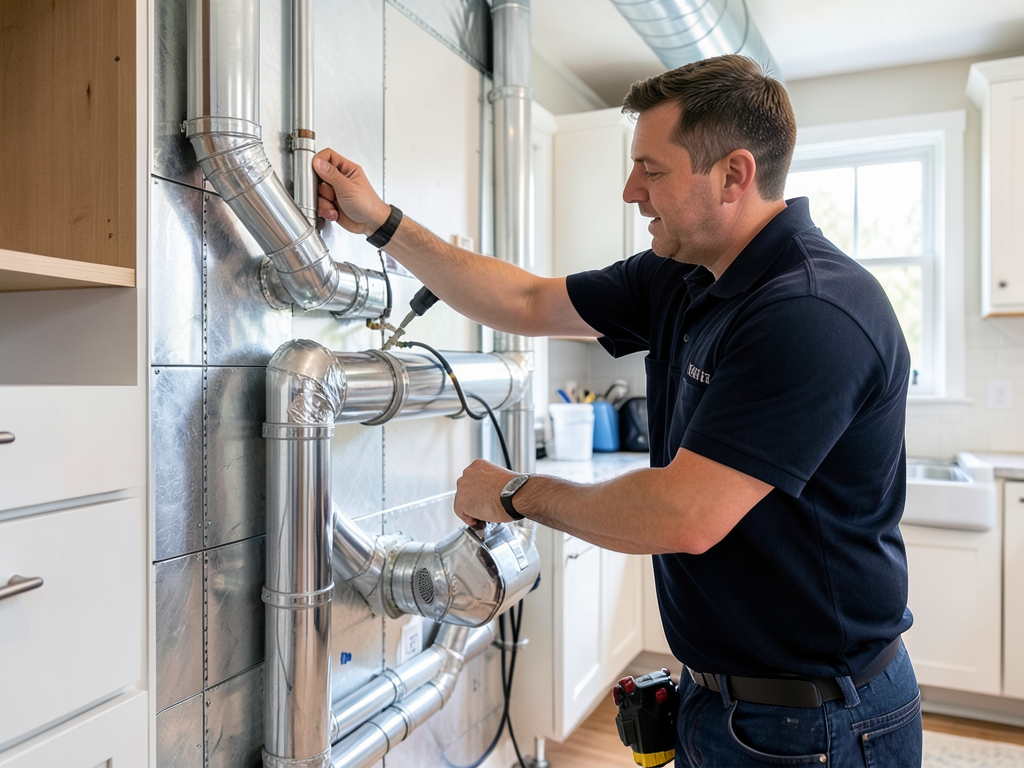
Moving Your Air Vents During a Major Kitchen Renovation in Upper Arlington

Moving Your Air Vents During a Major Kitchen Renovation in Upper Arlington Planning to move walls and reconfigure your kitchen…

The Landlord Guide to Low Maintenance HVAC in the University District

The Landlord Guide to Low Maintenance HVAC in the University District \n\n Managing rental properties in Columbus’s University District comes…

Why Westerville Homeowners are Looking into Solar Ready HVAC Systems

Why Westerville Homeowners are Looking into Solar Ready HVAC Systems Westerville homeowners are increasingly exploring solar-ready HVAC systems as energy…

Contact Us

Stop paying emergency rates for preventable failures. Call (380) 253-3188 to schedule your facility audit and receive a custom agreement proposal based on your equipment and operational requirements. We respond to Columbus businesses within 24 hours.