





Menu

Humidity Issues Indoors in Columbus – Expert Diagnosis and Lasting Solutions for Moisture Control

Grand HVAC Columbus delivers comprehensive humidity assessments and targeted solutions to eliminate excess indoor moisture, prevent mold growth, and restore healthy air quality in your home or business.

Slider Image 1
Slider Image 2
Slider Image 3
Slider Image 4
Slider Image 5
Slider Image 7
Slider Image 8
Slider Image 9
Slider Image 10
Slider Image 11

Why Columbus Homes Battle Constant Indoor Humidity Problems

Columbus sits in a humid subtropical climate zone where outdoor moisture regularly exceeds 70 percent during summer months. This creates a perfect breeding ground for indoor moisture problems. When your HVAC system cannot keep pace with this atmospheric humidity, excess indoor moisture accumulates in walls, crawlspaces, and living areas.

High humidity in house environments above 60 percent triggers mold growth within 48 hours. You notice it first as condensation on windows, musty odors in basements, or that clammy feeling when you walk through your front door. The Scioto River and Olentangy River corridors amplify this problem. Homes near these waterways experience even more aggressive moisture infiltration.

Poor humidity control damages more than comfort. It warps hardwood floors common in German Village and Victorian Village properties. It deteriorates drywall. It creates health risks for anyone with respiratory conditions. Your air conditioner removes some moisture as a byproduct of cooling, but it was not designed as a dedicated dehumidification system.

Columbus building codes require proper ventilation, but older homes built before modern standards lack adequate moisture barriers. Crawlspaces in clay soil areas like Clintonville trap ground moisture that migrates upward. High indoor humidity levels result from this combination of external climate pressure and structural vulnerabilities. The problem intensifies during spring and fall when temperature swings prevent your AC from running long enough to remove moisture effectively. You need a targeted approach that addresses both the symptoms and the root causes.

Why Columbus Homes Battle Constant Indoor Humidity Problems
How We Fix High Indoor Humidity Levels Permanently

How We Fix High Indoor Humidity Levels Permanently

We start with psychrometric analysis. This measures the actual moisture content in your air, not just relative humidity. A hygrometer reading of 65 percent means different things at 72 degrees versus 55 degrees. We map moisture levels room by room to identify problem zones.

Next, we evaluate your existing HVAC system capacity and runtime patterns. An oversized air conditioner short cycles, which means it cools quickly but never runs long enough to extract moisture. We calculate your sensible heat ratio to determine if your equipment matches your actual load profile. Most humidity complaints stem from equipment sizing errors made during original installation.

We inspect your ductwork for air leaks that pull humid attic air or crawlspace moisture into your supply stream. A 15 percent duct leakage rate, common in Columbus homes over 20 years old, negates any dehumidification your system performs. We use blower door testing when needed to quantify infiltration rates.

The solution depends on what we find. Whole-home dehumidifiers integrate with your existing HVAC system and remove 90 to 130 pints per day. These units monitor humidity continuously and operate independently of cooling calls. For severe cases, we install ERVs (energy recovery ventilators) that exhaust stale humid air while pre-conditioning incoming fresh air. This prevents the moisture load from outdoor ventilation air.

We also address structural contributors. Crawlspace encapsulation with vapor barriers stops ground moisture migration. Proper attic ventilation prevents condensation on roof decking that drips back into insulation. We seal duct leaks with mastic and replace undersized return pathways that create negative pressure. The goal is integrated moisture control, not a single-product bandaid.

What Happens During Your Humidity Assessment

Humidity Issues Indoors in Columbus – Expert Diagnosis and Lasting Solutions for Moisture Control
01

Complete Home Evaluation

We measure indoor humidity levels in every room using calibrated digital hygrometers. We check crawlspaces, attics, and basements for moisture sources. We inspect your HVAC equipment for proper drainage, duct integrity, and airflow balance. We document problem areas with thermal imaging to identify hidden condensation and temperature differentials that indicate air leakage or insulation failures.
02

System Performance Testing

We run your air conditioner through a full cooling cycle while monitoring supply air temperature, return air conditions, and moisture removal rates. We calculate your system's latent cooling capacity and compare it to your home's actual moisture load. We test duct static pressure to confirm proper airflow. We verify refrigerant charge and coil cleanliness, because both directly impact dehumidification performance.
03

Custom Solution Design

We present findings with specific humidity readings, equipment deficiencies, and structural issues. We explain which problems cause your symptoms and recommend solutions ranked by impact and cost. You receive a detailed proposal covering equipment specifications, installation scope, and expected humidity reduction. We discuss timeline and answer technical questions so you understand exactly how we will eliminate your excess indoor moisture permanently.

Why Columbus Properties Need Local Humidity Expertise

Columbus humidity problems require knowledge of local construction methods and climate patterns. Homes in Bexley feature finished basements that trap moisture differently than ranch homes in Hilliard with slab foundations. German Village brick construction retains moisture in ways that vinyl-sided Upper Arlington homes do not. We have worked in every Columbus neighborhood and understand these variations.

We know that Columbus clay soil expands and contracts with moisture, creating foundation cracks that allow humid air infiltration. We recognize that homes near Griggs Reservoir face higher ambient humidity than properties in New Albany. We understand that HVAC systems installed before 2010 used different sizing methodologies that prioritized cooling capacity over humidity control.

Grand HVAC Columbus has diagnosed humidity issues in everything from 1920s bungalows in Clintonville to new construction in Dublin. We work with local building inspectors regularly and stay current on Columbus mechanical code requirements for ventilation and moisture control. This matters when we recommend solutions. A whole-home dehumidifier installation requires proper electrical service, condensate drainage, and duct integration that meets local code.

We also understand seasonal patterns. Columbus spring weather creates the worst humidity problems because outdoor temperatures hover in the 60s and 70s. Your air conditioner barely runs, but outdoor humidity exceeds 70 percent. We size dehumidification equipment for these shoulder seasons, not just peak summer conditions.

You need a contractor who has seen your exact problem in your exact type of home in your exact neighborhood. We have worked in Columbus for years. We know which solutions work and which waste money. We stand behind our assessments because we understand the local variables that impact indoor moisture control.

What to Expect When You Schedule Service

Fast Response Times

We schedule humidity assessments within 48 hours of your call. Most evaluations take 90 minutes to two hours depending on home size and system complexity. We arrive with all necessary testing equipment and provide same-day findings. If you need emergency dehumidification due to water damage or mold concerns, we prioritize your appointment and can often accommodate next-day service. Our technicians work throughout the Columbus metro area and schedule routes to minimize your wait time.

Thorough Diagnostic Process

Our assessment covers every potential moisture source. We test your HVAC system performance, inspect structural vulnerabilities, and measure actual humidity levels with professional-grade equipment. We check for duct leakage, inadequate ventilation, and equipment sizing problems. We photograph problem areas and document findings in a written report. You receive specific humidity readings, identified deficiencies, and clear explanations of what causes your symptoms. We answer all technical questions and explain how Columbus climate factors contribute to your specific situation.

Proven Solutions That Work

We install whole-home dehumidifiers from Aprilaire, Honeywell, and other commercial-grade manufacturers. These units integrate with your existing HVAC system and provide continuous humidity monitoring. We size equipment based on your home's actual moisture load, not generic tables. Installation includes proper condensate drainage, electrical connections that meet code, and duct integration that maintains proper airflow. We test system operation before we leave and verify that humidity drops to target levels within 24 hours of startup.

Ongoing Support and Monitoring

Dehumidifiers require annual maintenance to sustain performance. We provide filter replacement schedules and offer service plans that include yearly inspections. We check condensate pumps, clean coils, and verify humidity sensors remain calibrated. Most manufacturers provide multi-year parts coverage, and we handle all warranty claims directly. We also educate you on optimal humidity settings for Columbus seasonal changes and how to recognize early warning signs of system problems. You can call us anytime with questions or concerns.

Frequently Asked Questions

You Have Questions,
We Have Answers

How to fix a humidity problem in a house? +

Start with a professional HVAC inspection to identify the root cause. In Columbus, humidity problems often stem from undersized AC systems, duct leaks, or poor ventilation. Install a whole-home dehumidifier integrated with your HVAC system for consistent control. Check that your air conditioner is properly sized for your square footage and runs long enough to remove moisture, not just cool air. Seal crawl spaces with vapor barriers, fix plumbing leaks, and ensure bathroom and kitchen exhaust fans vent outside. A programmable thermostat helps maintain steady conditions. For persistent issues, consider upgrading to a variable-speed HVAC system that runs longer cycles.

What are the symptoms of too much humidity in your house? +

Watch for condensation on windows, especially during Columbus summers when outdoor humidity spikes. You may notice musty odors, visible mold on walls or ceilings, and peeling paint or wallpaper. Wood floors may warp or buckle. Allergy symptoms often worsen with sneezing, congestion, and respiratory irritation. You might feel clammy or sticky indoors even when the AC runs. Dust mites thrive above 50% humidity, triggering asthma. Check for water stains on ceilings or around windows. Your home feels stuffy and uncomfortable. If mirrors fog up quickly after showers or you see rust on metal fixtures, your indoor humidity is too high.

What is an unsafe indoor humidity level? +

Indoor humidity above 60% creates unsafe conditions for mold growth and respiratory problems. The EPA recommends keeping levels between 30% and 50%. Above 70%, mold spores germinate within 24 to 48 hours. You risk structural damage to drywall, wood framing, and insulation. Columbus homes face humid summers, making AC systems work harder when indoor moisture climbs. Below 30% causes dry skin, static electricity, and cracked woodwork. Use a hygrometer to monitor levels in multiple rooms. Prolonged exposure to high humidity worsens asthma and allergies. Aim for 45% to 50% year-round for comfort and health protection.

Is 70% humidity in a house bad? +

Yes, 70% humidity indoors is bad and requires immediate action. Mold grows rapidly at this level, especially in Columbus basements and crawl spaces where temperatures stay cool. Your AC system struggles to remove moisture efficiently, leading to higher energy bills. You will notice condensation, musty smells, and potential health issues. Wood furniture swells, paint bubbles, and dust mites multiply. The air feels heavy and uncomfortable. Run a dehumidifier immediately and schedule an HVAC inspection. Check for duct leaks, poor ventilation, or an undersized cooling system. Keep indoor humidity between 40% and 50% to protect your home and health.

Do dehumidifiers really work for humidity? +

Yes, dehumidifiers effectively remove excess moisture from indoor air. Portable units work well for single rooms or basements common in Columbus homes. Whole-home dehumidifiers integrate with your HVAC system, providing consistent control throughout your house. They pull humid air across cold coils, condensing water vapor into a collection tank or drain line. Choose a unit rated for your square footage. Dehumidifiers reduce mold risk, eliminate musty odors, and improve comfort. They work independently of your AC, which helps during mild spring and fall weather when you do not need cooling but still face humidity from Ohio River Valley moisture.

Does opening a window reduce humidity? +

Opening windows in Columbus rarely reduces indoor humidity and often makes it worse. Ohio summers bring outdoor humidity levels above 70%, so you pull muggy air inside. This forces your AC to work harder, raising energy costs. Windows help only when outdoor humidity drops below indoor levels, typically during cooler mornings or after cold fronts pass through. During winter heating season, cold outdoor air holds less moisture, so cracking a window briefly can help if indoor levels climb above 50%. Instead of relying on windows, use exhaust fans, dehumidifiers, and proper HVAC maintenance to control moisture year-round.

What causes 80% humidity in a house? +

Eighty percent humidity indoors signals a serious problem requiring professional diagnosis. Common causes in Columbus homes include basement water seepage through foundation walls, plumbing leaks, or failed sump pumps during heavy rain. Poor attic ventilation traps moisture from daily activities like cooking and showering. Undersized or malfunctioning AC systems fail to dehumidify properly. Crawl spaces without vapor barriers allow ground moisture to rise into living areas. Duct leaks pull humid air from unconditioned spaces. Blocked gutters and downspouts direct water toward your foundation. Schedule an HVAC inspection to identify the source and prevent mold growth and structural damage.

How often should I run a dehumidifier? +

Run your dehumidifier continuously during Columbus summers when outdoor humidity stays high. Most units have built-in humidistats that cycle on and off to maintain your target level, typically 45% to 50%. Basements and crawl spaces may need year-round operation. Empty collection tanks daily or connect a drain hose for automatic drainage. During spring and fall, monitor indoor levels with a hygrometer and run the unit as needed. Winter heating dries indoor air, so you may rarely need it. Clean filters monthly and check coils for frost buildup. A whole-home dehumidifier integrated with your HVAC system provides automatic, consistent control.

How to reduce high humidity in a room? +

Run a dehumidifier sized for the room's square footage. Keep doors closed to prevent humid air from entering. Use exhaust fans when cooking or showering, venting directly outside. Turn on your AC to remove moisture, but verify the system runs long enough to dehumidify, not just cool. Check for water leaks under sinks or around windows. Move furniture away from walls to improve air circulation. Avoid drying laundry indoors. In Columbus homes, basement rooms often need dedicated dehumidifiers. Seal cracks around windows and doors. Keep indoor plants to a minimum, as they release moisture. Aim for 40% to 50% humidity.

Can mold grow in 50% humidity? +

Mold can grow at 50% humidity if other conditions align, but risk increases significantly above 60%. Mold needs moisture, organic material, and warmth. At 50%, porous surfaces like drywall, wood, and fabric may support growth if they stay damp from condensation or leaks. Columbus basements and crawl spaces present higher risk due to cooler temperatures and poor ventilation. Keep humidity between 40% and 50% and fix water intrusion immediately. Mold spores exist everywhere but remain dormant in dry conditions. Maintain proper ventilation, use dehumidifiers, and address plumbing leaks quickly to prevent colonization.

How Columbus Humidity and Clay Soil Create Perfect Conditions for Indoor Moisture Problems

Columbus receives 40 inches of annual precipitation spread evenly throughout the year. This consistent moisture combines with clay soil that holds water like a sponge. During spring and summer, ground moisture migrates upward through foundation walls and basement floors. Homes without proper vapor barriers allow this moisture to enter living spaces. The Scioto and Olentangy river valleys create localized humidity pockets where atmospheric moisture exceeds regional averages. Neighborhoods like Grandview Heights and Upper Arlington near these waterways experience higher baseline humidity that standard air conditioning cannot control. You need dehumidification capacity matched to these specific Columbus conditions.

Columbus building practices evolved significantly after 2000 when energy codes began requiring tighter building envelopes. Older homes built before these standards have higher air exchange rates that bring in humid outdoor air. However, newer tight construction without proper mechanical ventilation traps moisture indoors. Grand HVAC Columbus understands both scenarios. We work with local codes officials and follow Ohio mechanical code requirements for ventilation and moisture control. Our solutions account for Columbus-specific variables like soil composition, water table depth, and seasonal humidity patterns that out-of-town contractors miss. We provide humidity control that works year-round in this climate.

HVAC Services in The Columbus Area

Grand HVAC Columbus is proud to serve the entire Columbus area and surrounding communities. We are committed to being a local, dependable resource for all your heating and cooling needs. Our convenient location ensures that we can respond quickly and efficiently to service calls, whether you're a residential or commercial client. We invite you to view our service area on the map to see how we can bring our expert HVAC solutions right to your doorstep.

Address:
Grand HVAC Columbus, 420 E 5th Ave, Columbus, OH, 43201

Additional Services We Offer

Our news updates

Latest Articles & News from The Blogs

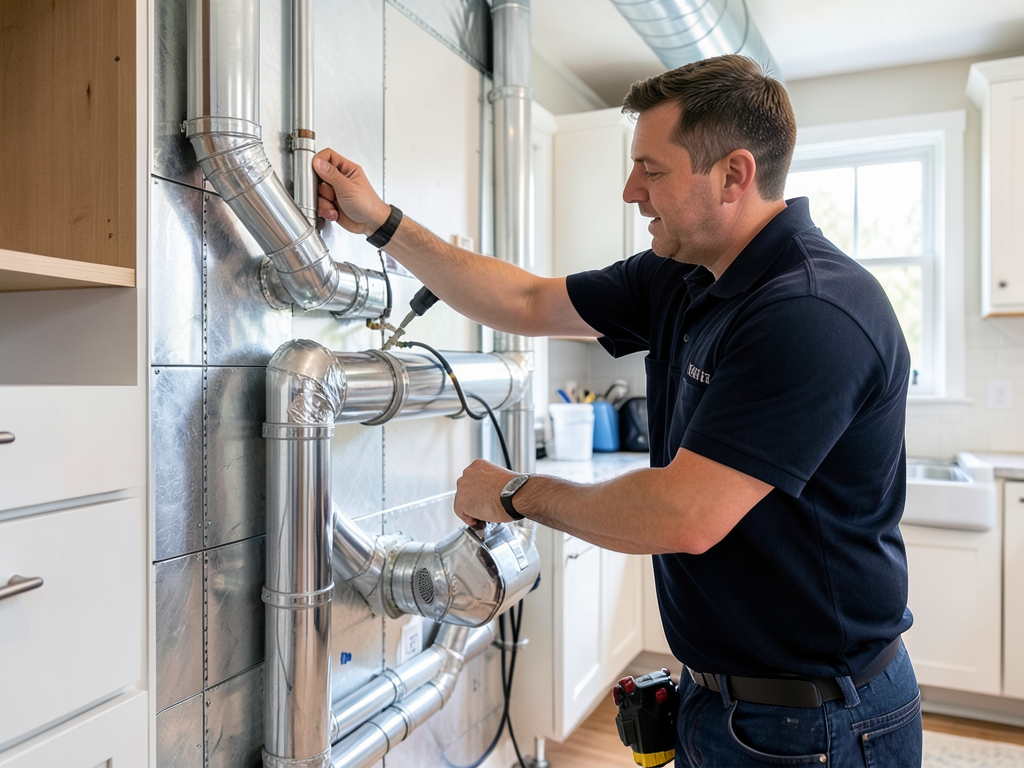
Moving Your Air Vents During a Major Kitchen Renovation in Upper Arlington Planning to move walls and reconfigure your kitchen…

Moving Your Air Vents During a Major Kitchen Renovation in Upper Arlington

Moving Your Air Vents During a Major Kitchen Renovation in Upper Arlington Planning to move walls and reconfigure your kitchen…

The Landlord Guide to Low Maintenance HVAC in the University District

The Landlord Guide to Low Maintenance HVAC in the University District \n\n Managing rental properties in Columbus’s University District comes…

Why Westerville Homeowners are Looking into Solar Ready HVAC Systems

Why Westerville Homeowners are Looking into Solar Ready HVAC Systems Westerville homeowners are increasingly exploring solar-ready HVAC systems as energy…

Contact Us

Call Grand HVAC Columbus at (380) 253-3188 today to schedule your comprehensive humidity assessment. We diagnose the root cause and provide solutions that eliminate excess moisture permanently. Get relief from musty odors, condensation, and that sticky feeling. Your home should be comfortable.