




Menu

Troubleshooting AC Issues in Columbus | Expert Diagnostics That Find the Real Problem Fast

Accurate HVAC system diagnostics from technicians who understand Columbus humidity patterns and pinpoint the exact fault in your central air, not just the symptoms

Slider Image 1
Slider Image 2
Slider Image 3
Slider Image 4
Slider Image 5
Slider Image 7
Slider Image 8
Slider Image 9
Slider Image 10
Slider Image 11

Why Columbus AC Problems Require Location-Specific Diagnostics

Your air conditioner stops cooling, but the real question is why. Columbus residents face unique HVAC challenges that generic troubleshooting guides miss completely. The high humidity from the Scioto and Olentangy rivers creates constant moisture stress on evaporator coils and condensate drains. When your system struggles, you need someone diagnosing air conditioner problems who knows how Columbus weather degrades specific components.

Most homeowners waste time checking filters and thermostats because online guides recommend it. Those steps matter, but they rarely reveal the actual fault. Central air troubleshooting requires understanding how Ohio's temperature swings from 20 degrees in January to 90 degrees in July stress refrigerant pressures and compressor function. A system that worked fine in April can fail completely by June because the outdoor unit never recovered from winter freeze cycles.

HVAC system diagnostics is not about guessing. It is about methodical testing of electrical components, refrigerant levels, airflow measurements, and control board signals. When you call someone for help, you need a technician who arrives with diagnostic tools, not just a screwdriver and hunches. Identifying AC faults correctly the first time prevents repeat service calls and unnecessary part replacements.

Columbus homes built before 2000 often have undersized return air ducts that cause low airflow. Homes in German Village and Victorian Village have retrofit systems squeezed into tight spaces. New construction in Polaris and New Albany uses builder-grade equipment that fails predictably after five years. Your air conditioning troubleshooting guide must account for these local realities, or you will chase symptoms while the real problem destroys your compressor.

Why Columbus AC Problems Require Location-Specific Diagnostics
How Professional Diagnostics Isolate the Real Fault

How Professional Diagnostics Isolate the Real Fault

Grand HVAC Columbus uses a systematic approach to HVAC system diagnostics that eliminates guesswork. We start with voltage and amperage readings at the disconnect box and contactor. Electrical issues cause 40 percent of AC failures, and most homeowners never check voltage supply before assuming the unit is broken. A failing capacitor shows normal voltage but insufficient microfarads under load. We measure that.

Next comes refrigerant analysis. We check suction and discharge pressures against manufacturer specifications for current outdoor temperature. Low refrigerant does not always mean a leak. It can indicate a restricted metering device or a failing compressor that cannot pump efficiently. We use subcooling and superheat calculations to determine whether your system is overcharged, undercharged, or suffering from a mechanical fault that refrigerant adjustments will not fix.

Airflow measurement happens third. We verify static pressure across the coil and measure actual CFM delivery at supply registers. Columbus homes often have ductwork that someone modified during a kitchen remodel or basement finish. A 20 percent airflow restriction causes a 40 percent capacity loss and makes your compressor work twice as hard. We find those restrictions with manometers and flow hoods, not assumptions.

The control board and thermostat communication get tested last. Modern systems use data protocols between the indoor and outdoor units. A corrupted signal or failed transformer creates symptoms that look like a dead compressor but cost $150 to fix instead of $2,000. We test continuity, check wiring integrity, and verify that your thermostat is sending the correct commands. This sequence identifies the actual problem instead of replacing parts until something works.

What Happens During Your AC Diagnostic Appointment

Troubleshooting AC Issues in Columbus | Expert Diagnostics That Find the Real Problem Fast
01

Initial System Observation

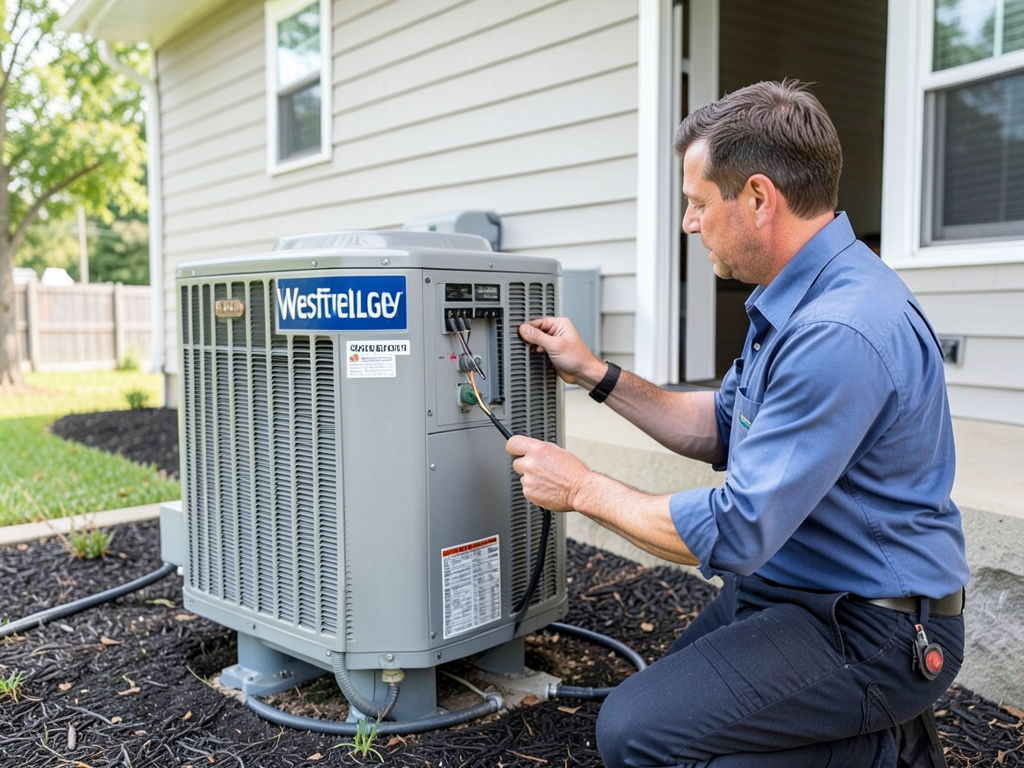
Your technician arrives and listens to your system run through a complete cycle. Compressor hum, blower motor noise, and refrigerant flow sounds reveal problems before any tools come out. We check for ice formation on refrigerant lines, water pooling around the air handler, and unusual vibration at the outdoor unit. These observations guide the diagnostic sequence and prevent wasted testing time on components that clearly function correctly.
02

Component-Level Testing

We test voltage at the contactor, measure capacitor microfarads, and verify compressor windings with an ohmmeter. Refrigerant pressures get compared against ambient temperature charts. Amperage draw tells us if your compressor is working efficiently or struggling against mechanical resistance. Static pressure readings show whether your ductwork delivers adequate airflow to the evaporator coil. Each measurement eliminates potential causes and narrows focus to the actual fault.
03

Diagnosis and Recommendation

Once we identify the fault, you receive a clear explanation of what failed, why it failed, and what fixes it. We show you the failed component when possible. You get repair cost estimates before any work begins. If your system has multiple problems, we prioritize them by urgency and explain what happens if you delay certain repairs. You make the final decision with full information about your HVAC system's actual condition.

Why Columbus Homeowners Trust Local Diagnostics

Grand HVAC Columbus technicians train specifically on problems caused by Ohio weather patterns. We know that Columbus homes in Clintonville and Grandview Heights have older electrical panels that cannot always supply adequate amperage for modern high-efficiency AC systems. We recognize when a failing compressor results from undersized wiring, not equipment defects.

Our diagnostic equipment includes digital manifolds, refrigerant leak detectors, and thermal imaging cameras. We do not rely on pressure gauges and guesswork. When a homeowner describes intermittent cooling, we know to test the system under load during the hottest part of the day. Problems that disappear when outdoor temperature drops to 75 degrees reappear violently at 92 degrees. We catch those faults before they strand you in August heat.

We also understand local installation practices. Columbus HVAC companies in the 1990s routinely oversized equipment, which causes short cycling and humidity problems. Builders in the 2010s undersized systems to hit energy code minimums, which causes long run times and premature compressor wear. Knowing the installation history of your neighborhood helps us diagnose whether your problem stems from equipment failure or original design flaws.

You need diagnostics from someone who services hundreds of Columbus systems every year, not a technician who rotates between three states. We track failure patterns by neighborhood and recognize when a specific subdivision has ductwork problems or electrical issues. That local knowledge cuts diagnostic time in half and gets your system running faster. We do not learn about Columbus HVAC on your dime. We already know the common faults because we fix them daily in your neighbors' homes.

What You Can Expect From Our Diagnostic Service

Same-Day Diagnostic Appointments

We schedule diagnostics within 24 hours for most Columbus neighborhoods. If your system stopped working overnight, we prioritize your call and often arrive the same day. Peak summer demand sometimes pushes appointments to the next morning, but we communicate clearly about arrival times. Our technicians carry full diagnostic equipment in their trucks, so testing begins immediately when we arrive. You do not wait days for answers about why your AC failed.

Comprehensive System Testing

Your diagnostic appointment includes electrical testing, refrigerant analysis, airflow measurement, and control system verification. We test your thermostat communication and verify that safety switches function correctly. If your system has a history of repeated failures, we check for installation defects that previous companies missed. The goal is finding the actual problem, not confirming what you already suspect. Many homeowners are surprised to learn their real issue differs completely from what online troubleshooting suggested.

Clear Repair vs. Replace Guidance

After diagnosing the fault, we explain whether repair makes financial sense or replacement is smarter. A $800 repair on a 15-year-old system with a rusted cabinet and failing blower motor is poor value. We tell you that. We also push back against replacement recommendations when a $200 capacitor fix gives you three more years of reliable service. You receive honest guidance based on your system's overall condition, not our preference for selling new equipment. Our reputation depends on trustworthy recommendations.

Preventive Maintenance Recommendations

We note minor issues during diagnostics that do not require immediate repair but will cause problems later. A contactor showing early pitting gets flagged for replacement at your next maintenance visit. Ductwork with small air leaks gets documented so you can plan for sealing during your next system upgrade. We explain which maintenance tasks prevent repeat failures and which are optional. You leave the appointment understanding your system's full condition and what actions extend its lifespan.

Frequently Asked Questions

You Have Questions,
We Have Answers

How do I diagnose what's wrong with my AC? +

Start with the basics. Check your thermostat settings and replace the air filter if it looks dirty. Walk outside and inspect the condenser unit for debris or obstructions blocking airflow. Listen for unusual sounds like grinding or squealing. Feel the air coming from vents. If it's warm or barely cool, you likely have a refrigerant leak or compressor issue. Check your circuit breaker to rule out electrical problems. In Columbus, high humidity can mask cooling issues, so use a thermometer to measure actual temperature drop. If you cannot identify the problem after these checks, call a technician to avoid further damage.

What is the 3 minute rule for AC? +

The 3 minute rule prevents short cycling and compressor damage. After your AC shuts off, wait at least 3 minutes before restarting it. This allows refrigerant pressure to equalize throughout the system. Restarting too quickly forces the compressor to work against high pressure, which strains the motor and shortens its lifespan. This rule applies whether you are troubleshooting, switching settings, or dealing with power interruptions. Columbus summer storms can cause frequent power flickers, so this rule becomes critical. Always give your system time to reset. Ignoring this can lead to premature compressor failure and expensive replacements.

What is the $5000 rule for AC? +

The $5000 rule helps you decide between repair and replacement. If your AC is older than 10 years and the repair cost multiplied by the unit's age exceeds $5000, replace it instead. For example, a $400 repair on a 13-year-old unit equals $5200, so replacement makes financial sense. Columbus humidity puts extra strain on aging systems, accelerating wear. Older units also run inefficiently, increasing energy bills. New systems offer better SEER ratings and lower operating costs. This rule is a guideline, not gospel. Consider refrigerant type, energy costs, and how long you plan to stay in your home.

How to figure out what's wrong with AC? +

Start by checking airflow at your vents. Weak airflow points to a clogged filter, blocked ducts, or blower motor issues. Check the thermostat to ensure it is set to cool and the temperature is below the current room reading. Inspect the outdoor condenser for ice buildup, which signals refrigerant leaks or airflow restrictions. Listen for clicking, buzzing, or grinding noises that indicate electrical or mechanical failure. In Columbus, clay soil can shift and damage refrigerant lines buried underground. Measure the temperature difference between supply and return vents. A gap less than 15 degrees suggests refrigerant loss or compressor problems requiring professional diagnosis.

Why is my AC set to 72 but reads 78? +

Your AC is undersized, losing refrigerant, or struggling with airflow restrictions. A dirty filter, blocked vents, or leaky ductwork forces your system to run continuously without reaching setpoint. Low refrigerant means the evaporator coil cannot absorb enough heat, leaving your home warm. In Columbus, high humidity makes 78 degrees feel worse than it is, even if the AC is technically working. Check that your outdoor condenser is not blocked by landscaping or debris. Old or undersized units cannot keep up during peak summer heat. If the gap persists after filter changes, you need a technician to check refrigerant levels and system capacity.

What is the most common AC problem? +

Dirty air filters cause most AC problems. A clogged filter restricts airflow, forcing the blower motor to work harder and reducing cooling capacity. It also causes the evaporator coil to freeze, shutting down your system. Columbus homeowners face high pollen and humidity, which accelerate filter clogging. Replace filters every 30 to 60 days during cooling season. Other common issues include refrigerant leaks, failing capacitors, and thermostat malfunctions. Many service calls are solved with a simple filter change. Check your filter first before calling for help. Preventative maintenance catches these issues before they become expensive repairs.

How cool should my house be if it's 100 outside? +

Aim for 75 to 78 degrees indoors when it is 100 degrees outside. Your AC can realistically cool your home 15 to 20 degrees below outdoor temperature, depending on insulation, ductwork, and system size. Pushing your thermostat lower forces the system to run nonstop without reaching setpoint, wasting energy and increasing wear. Columbus summer heat combined with high humidity stresses AC systems. Close blinds, use ceiling fans, and avoid heat-generating activities during peak hours. If your home cannot stay below 80 degrees, your system may be undersized, low on refrigerant, or suffering from ductwork leaks. Call a technician to evaluate capacity.

What are signs of a failing AC compressor? +

A failing compressor makes loud grinding, clicking, or rattling noises. You may notice the outdoor unit fan running but the compressor not engaging, or the unit struggles to start and shuts off quickly. Warm air blowing from vents is another red flag. Check your circuit breaker for frequent trips, which signal electrical problems. Compressor failure often follows refrigerant leaks or dirty coils that force the motor to overheat. In Columbus, freeze-thaw cycles and humidity accelerate wear on aging compressors. Oil leaks around the compressor housing indicate internal damage. Compressor replacement is expensive, so evaluate total system age before committing to repair.

Why is my AC blowing cool but not cold? +

Your AC is low on refrigerant, has a dirty evaporator coil, or suffers from restricted airflow. Cool air means the system is working, but not at full capacity. Check your air filter first. A clogged filter reduces airflow and cooling power. Inspect the outdoor condenser coil for dirt, leaves, or cottonwood seeds, which are common in Columbus during spring. Low refrigerant prevents the evaporator from absorbing enough heat, producing lukewarm air. Leaky ductwork in your attic or crawlspace also reduces cooling efficiency. If filter replacement does not fix it, you need a technician to check refrigerant charge and inspect coils for damage.

What is the life expectancy of an AC unit? +

Most AC units last 12 to 15 years with proper maintenance. Columbus climate factors like high humidity, temperature swings, and clay soil shifting can shorten lifespan. Units that run year-round or are undersized wear out faster. Poor maintenance, like skipping filter changes or ignoring refrigerant leaks, accelerates failure. Coastal units near water face additional corrosion risks. High-efficiency systems with variable-speed compressors may last longer but cost more to repair. After 10 years, expect more frequent repairs. If your unit is approaching 15 years and needs major repairs, replacement is usually the smarter financial choice. Annual tune-ups extend lifespan and catch problems early.

How Columbus Humidity Accelerates AC Component Failure

Columbus summers average 70 percent relative humidity, which creates constant condensation on evaporator coils. That moisture drips into drain pans and flows through condensate lines that clog with algae and mold. A blocked drain causes water to back up into your air handler, trip the float switch, and shut down your system completely. Diagnosing air conditioner problems in Columbus requires checking drain lines first because humidity makes them fail more often than in dry climates. The Scioto River valley traps moisture that stresses your AC components year-round. Central air troubleshooting must account for that environmental reality or you will misdiagnose airflow problems as refrigerant leaks.

Grand HVAC Columbus services systems throughout Franklin County and understands how local building practices affect AC performance. Homes in Upper Arlington have mature tree canopy that shades outdoor units and reduces condenser efficiency. New subdivisions in Dublin have builder-grade ductwork that leaks 30 percent of conditioned air into attics. German Village homes have steam radiator systems that were retrofitted with central air using undersized ductwork. Identifying AC faults requires knowing these neighborhood characteristics because the same symptom has different causes depending on where you live. We diagnose hundreds of Columbus systems each year, which makes us faster and more accurate than regional companies rotating through Ohio.

HVAC Services in The Columbus Area

Grand HVAC Columbus is proud to serve the entire Columbus area and surrounding communities. We are committed to being a local, dependable resource for all your heating and cooling needs. Our convenient location ensures that we can respond quickly and efficiently to service calls, whether you're a residential or commercial client. We invite you to view our service area on the map to see how we can bring our expert HVAC solutions right to your doorstep.

Address:
Grand HVAC Columbus, 420 E 5th Ave, Columbus, OH, 43201

Additional Services We Offer

Our news updates

Latest Articles & News from The Blogs

Moving Your Air Vents During a Major Kitchen Renovation in Upper Arlington Planning to move walls and reconfigure your kitchen…

Moving Your Air Vents During a Major Kitchen Renovation in Upper Arlington

Moving Your Air Vents During a Major Kitchen Renovation in Upper Arlington Planning to move walls and reconfigure your kitchen…

The Landlord Guide to Low Maintenance HVAC in the University District

The Landlord Guide to Low Maintenance HVAC in the University District \n\n Managing rental properties in Columbus’s University District comes…

Why Westerville Homeowners are Looking into Solar Ready HVAC Systems

Why Westerville Homeowners are Looking into Solar Ready HVAC Systems Westerville homeowners are increasingly exploring solar-ready HVAC systems as energy…

Contact Us

Stop guessing about your AC problem. Call Grand HVAC Columbus at (380) 253-3188 for accurate diagnostics that find the real fault fast. We serve all Columbus neighborhoods with same-day appointments and honest repair guidance.