




Menu

Noisy AC or Heater in Columbus – Expert Diagnosis Stops the Racket Fast

When your air conditioner rattles like a freight train or your furnace groans through the night, you need precision diagnostics and targeted repairs. Grand HVAC Columbus identifies the source of loud HVAC system noise and fixes it right the first time.

Slider Image 1
Slider Image 2
Slider Image 3
Slider Image 4
Slider Image 5
Slider Image 7
Slider Image 8
Slider Image 9
Slider Image 10
Slider Image 11

Why Columbus HVAC Systems Get So Loud

A loud air conditioner or furnace making noise is not just annoying. It signals mechanical stress, wear, or imminent failure. In Columbus, the combination of humid summers and cold winters forces your HVAC system through extreme thermal cycling. This expansion and contraction loosens mounting hardware, fatigues fan blades, and accelerates bearing wear.

When your air conditioner makes noise that sounds like metal scraping or banging, you are hearing worn compressor mounts or debris in the blower assembly. A loud heater that hums or squeals often means belt slippage, blower motor bearing failure, or ductwork that vibrates against floor joists. The Scioto River valley amplifies outdoor unit noise, and older homes near German Village or Victorian Village have tight ductwork that turns every rattle into an echo chamber.

Columbus homeowners often dismiss a noisy HVAC system as a quirk until the unit quits entirely. The truth is that sound is a diagnostic tool. A screech means metal-on-metal contact. A rumble indicates loose components. A high-pitched whistle signals air restriction. Each noise points to a specific failure mode. Ignoring a loud air conditioner or furnace making noise does not make it go away. It makes the repair bill grow. The longer you wait, the more secondary damage occurs. A loose fan blade can crack the housing. A failing bearing can seize the motor. A rattling compressor can refrigerant-starve the coil.

You deserve quiet comfort and reliable performance. Grand HVAC Columbus stops the noise at the source.

Why Columbus HVAC Systems Get So Loud
How We Silence Your Loud Air Conditioner or Furnace

How We Silence Your Loud Air Conditioner or Furnace

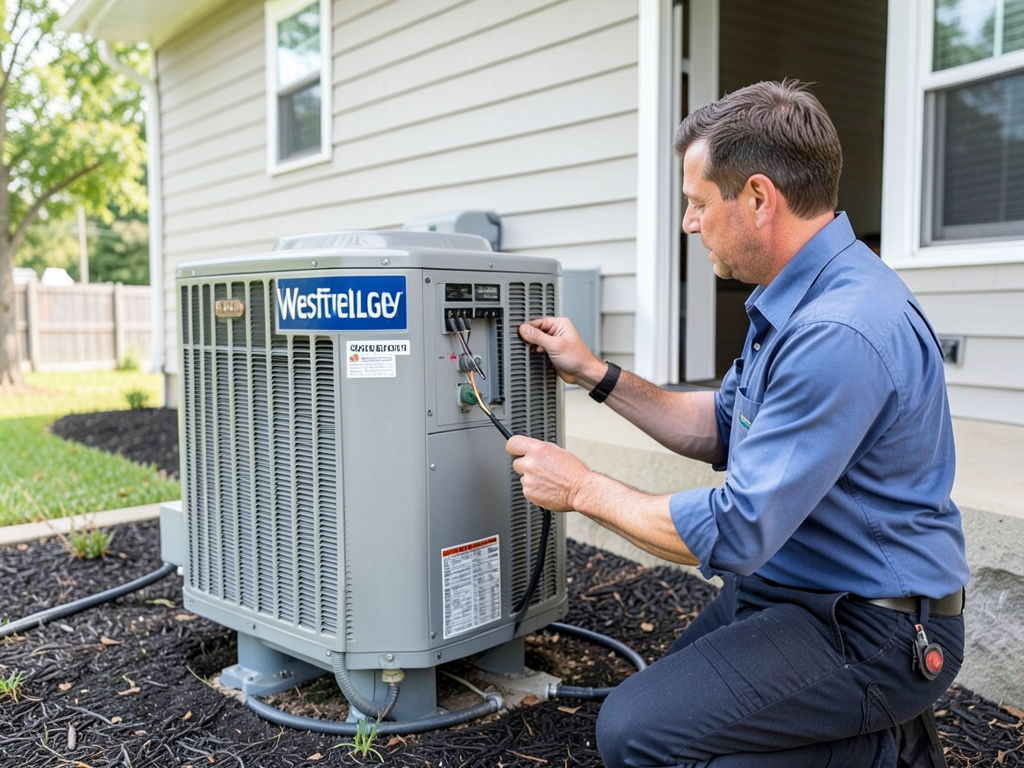
We do not guess. We measure, isolate, and verify. Our technicians use digital decibel meters and vibration sensors to pinpoint the exact component generating the noise. We check compressor mount isolators for hardening, inspect blower wheel balance, and measure motor bearing runout with dial indicators. A loud heater gets a combustion analysis to rule out flame rollout or burner misalignment. A noisy air conditioner gets refrigerant pressure readings to check for compressor cavitation.

Most Columbus HVAC contractors spray lubricant and call it fixed. We replace worn parts with OEM components. If your furnace making noise comes from a cracked heat exchanger, we show you the crack with a borescope camera. If your air conditioner making noise stems from a failing capacitor, we test the microfarad rating before and after replacement. Transparency builds trust. Data builds confidence.

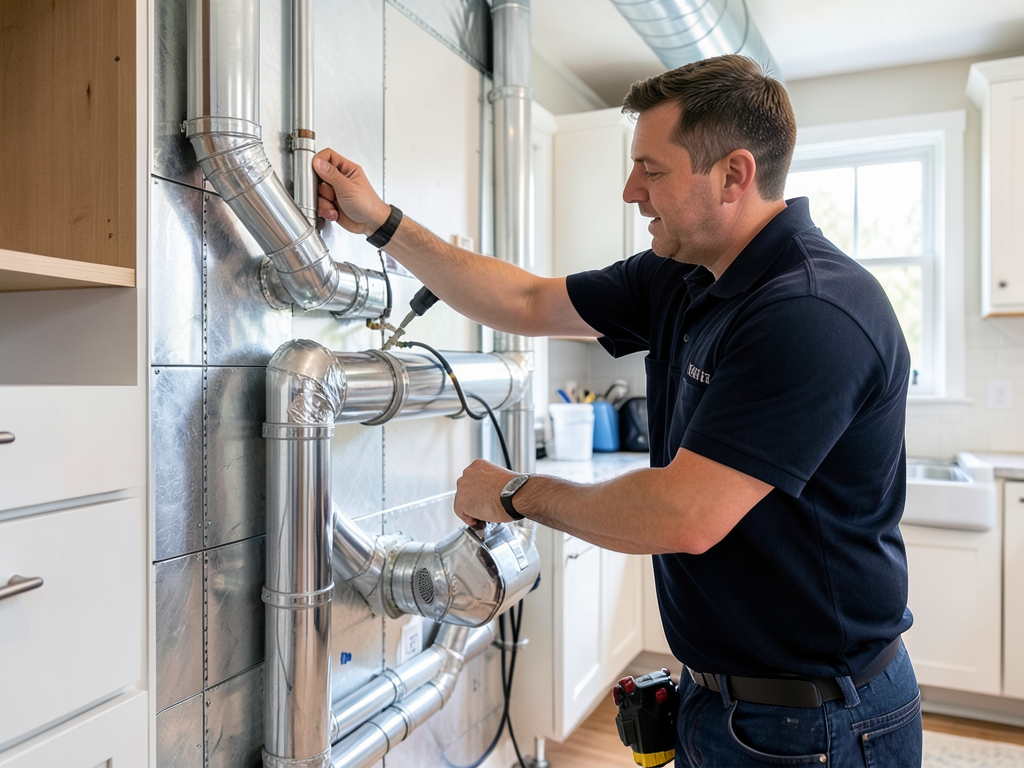
We also address the secondary issues that amplify noise. Loose ductwork gets resealed with mastic and mechanical fasteners. Undersized return air grilles get enlarged to reduce velocity noise. Outdoor condenser pads get releveled to stop vibration transfer into the foundation. We check for resonance frequencies in sheet metal plenums and install vibration dampening pads where needed.

Columbus homes built before 1980 often have undersized ductwork that increases static pressure and fan noise. We calculate total external static pressure and recommend duct modifications if airflow restriction is the root cause. A loud HVAC system is often a symptom of poor system design, not just component wear. We fix both.

The result is a system that runs whisper-quiet and lasts longer because mechanical stress is eliminated.

What Happens When You Call About a Noisy System

Noisy AC or Heater in Columbus – Expert Diagnosis Stops the Racket Fast
01

Noise Source Isolation

Our technician arrives with diagnostic tools and starts the system to replicate the noise. We isolate whether the sound originates from the indoor air handler, outdoor condenser, or ductwork. We check cabinet panels, blower assemblies, and compressor mounts. We listen at supply registers and return grilles. We use a mechanic's stethoscope to touch components and trace vibration paths. This step takes 15 to 20 minutes and identifies the failing part.
02

Component Testing and Verification

Once we identify the noisy component, we test its function. A loud blower motor gets amp draw and RPM measurements. A squealing belt gets tension and alignment checks. A rattling compressor gets refrigerant superheat and subcool readings. We verify that the noise correlates with a measurable defect, not just an annoyance. This eliminates guesswork. You get a diagnosis backed by data, not opinion. We explain what failed, why it failed, and what happens if you delay the repair.
03

Targeted Repair and Testing

We replace the defective component with a factory-grade part. After installation, we run the system through a full heating or cooling cycle to verify the noise is gone. We check airflow, temperature rise or drop, and listen at every register. We do not leave until the system runs quietly and efficiently. You get a detailed invoice showing exactly what was replaced, why it was necessary, and what to monitor going forward. Quiet operation is not luck. It is precision.

Why Columbus Residents Trust Us With Noisy HVAC Problems

Grand HVAC Columbus has spent years diagnosing noisy systems in every neighborhood from Clintonville to Brewery District. We understand how Columbus construction styles affect HVAC performance. Homes near Ohio State University often have converted attics with undersized ductwork that amplifies blower noise. Historic homes in Short North have original ductwork with 90-degree elbows that create turbulence and whistling. Ranch homes in Westerville have long duct runs that vibrate against ceiling joists.

We know the local HVAC install base. Many Columbus homes have Carrier, Trane, or Rheem systems installed between 2005 and 2015. These units are now hitting the age where blower bearings wear out and compressor mounts harden. We stock the parts that fail most often in Columbus systems. You do not wait three days for a bearing or capacitor. We carry them on the truck.

We also understand Columbus code requirements. Franklin County mechanical codes require proper vibration isolation on rooftop and ground-level equipment. Commercial buildings near downtown must meet stricter noise ordinances. We install compliant isolators and ensure your system does not violate local sound regulations. A loud air conditioner can trigger noise complaints from neighbors. We prevent that.

Our technicians live in Columbus. We service the same humid summers and freezing winters you experience. We know how thermal cycling stresses HVAC components. We know which brands hold up and which ones fail early. We do not sell you a system that will not last in Central Ohio climate conditions. We recommend equipment that thrives here.

You get honest diagnostics, transparent pricing, and repairs that last. No upselling. No scare tactics. Just competent work from people who know Columbus HVAC systems inside and out.

What You Can Expect From Start to Finish

Same-Day Diagnostic Visits

We schedule service calls within 24 hours of your call. Most noise issues get diagnosed the same day. We do not make you wait a week while your system rattles through the night. Our trucks are fully stocked with diagnostic tools and common repair parts. If your loud heater or air conditioner needs a blower motor, capacitor, or belt, we often complete the repair on the first visit. You get resolution fast because we come prepared. Emergency noise issues like a seized compressor or cracked heat exchanger get prioritized for immediate safety evaluation.

Detailed Noise Diagnostics

Our diagnostic process is thorough. We do not just listen and guess. We measure decibel levels at the air handler, condenser, and supply registers. We check for loose panels, worn mounts, and unbalanced blower wheels. We inspect ductwork for detachment or flex duct tears. We test motor bearings under load and measure vibration amplitude. You get a written report explaining what is making noise, why it is happening, and what it takes to fix it. We explain the difference between normal operating sounds and mechanical failure. You make informed decisions based on facts, not fear.

Quiet, Reliable Operation

After we repair your noisy HVAC system, you notice the difference immediately. The banging stops. The screeching disappears. The system runs smoothly and quietly through every cycle. We do not just mask the noise. We eliminate the mechanical cause. You get a system that operates the way it did when it was new. We verify proper airflow, check temperature differentials, and ensure the system runs efficiently. Quiet operation means reduced mechanical stress, which extends equipment life. You get more years of reliable service from a system that is no longer tearing itself apart.

Preventive Maintenance Plans

Noise is often the first warning sign of wear. We offer maintenance plans that catch issues before they become loud emergencies. Seasonal inspections include lubrication of motor bearings, tightening of electrical connections, and inspection of blower wheels for imbalance. We check compressor mounts, measure refrigerant pressures, and test capacitors. Regular maintenance keeps your system quiet and prevents sudden failures. You avoid the 2 a.m. furnace breakdown because we caught the failing bearing during the fall tune-up. Prevention is cheaper than emergency repair, and a well-maintained system runs quieter for longer.

Frequently Asked Questions

You Have Questions,
We Have Answers

Why is my AC so loud all of a sudden? +

A sudden loud noise from your AC points to mechanical failure. Common culprits include loose fan blades hitting the housing, a failing compressor with worn bearings, or debris caught in the outdoor unit. Columbus homes often see damage from spring storms dropping branches into condenser units. Refrigerant leaks can cause hissing sounds, while grinding signals motor issues. A rattling blower wheel or loose mounting bolts also create excessive noise. Do not ignore these sounds. Continuing to run the unit risks total system failure and higher repair costs. Shut down your system and get a diagnostic inspection immediately.

What is the 3 minute rule for AC? +

The 3 minute rule prevents short cycling damage to your compressor. After your AC shuts off, wait at least 3 minutes before restarting. This allows refrigerant pressures to equalize between the high and low sides of the system. In Columbus, humidity makes homeowners tempted to constantly adjust thermostats. Restarting too quickly forces the compressor to start against high head pressure, straining the motor and capacitor. Modern units have built-in delay timers, but older systems lack this protection. Repeated short cycling reduces compressor lifespan significantly. Let the system rest between cycles.

What is the $5000 AC rule? +

The 5000 dollar AC rule is a decision guideline for repair versus replacement. Multiply your system age by the repair cost. If the result exceeds 5000, replace the unit instead of repairing. For example, a 12 year old system needing 500 dollars in repairs equals 6000, suggesting replacement makes better financial sense. Columbus summers strain aging equipment hard, and older systems run inefficiently in our humid climate. This rule considers diminishing returns on repairs for units nearing end of life. Factor in efficiency gains from new systems. Modern units can cut cooling costs substantially compared to 10 plus year old equipment.

What does an AC compressor sound like when it's going bad? +

A failing compressor makes distinct sounds that worsen over time. You hear grinding or squealing from worn internal bearings struggling under load. Clicking or chattering indicates electrical relay problems or a hard start issue. A loud banging or clanking signals loose internal components or a damaged piston. In Columbus, compressor failure often follows repeated short cycling during hot, humid stretches. You might notice the sound intensifies when the unit first starts, then changes pitch. Some compressors hum loudly without starting, pointing to capacitor or motor winding failure. These sounds mean imminent failure. Address them quickly to avoid total system breakdown.

How to tell if an AC blower motor is going out? +

A failing blower motor shows several warning signs before complete failure. You hear squealing or grinding noises from worn bearings inside the housing. Weak airflow from registers means the motor struggles to spin the blower wheel at proper speed. The motor runs hot to the touch or trips the breaker repeatedly. Columbus homes with older furnaces often see capacitor failure that strains the motor. You might smell burning from overheated windings or notice the fan takes longer to start after the thermostat calls for air. Complete motor failure leaves you with no airflow, making your home uncomfortable fast during temperature extremes.

How much does it cost to replace a capacitor in an AC unit? +

Capacitor replacement costs between 150 and 400 dollars for most Columbus homes. The part itself runs 10 to 50 dollars, but you pay for diagnostic time, service call fees, and labor. Dual capacitors for systems with both compressor and fan cost more than single capacitors. Emergency after hours service increases the price. Columbus technicians charge higher rates during peak summer months when demand spikes. The capacitor stores electrical charge to start your compressor and fan motors. When it fails, your AC will not run. This repair takes 30 minutes but prevents complete system failure. Replacing worn capacitors during maintenance prevents emergency breakdowns.

What are signs of a failing AC compressor? +

A failing compressor displays multiple symptoms before total failure. The unit struggles to cool your home despite running constantly. You hear loud grinding, squealing, or banging noises from the outdoor unit. Hard starting where the compressor clicks but will not engage points to electrical or internal mechanical issues. Tripped breakers indicate the motor draws excessive current from worn windings. In Columbus humidity, you might notice warm air from registers even though the system runs. The outdoor fan spins but the compressor stays silent. Refrigerant leaks around the compressor housing suggest seal failure. Compressor replacement costs thousands, so catch these signs early for potential repair options.

How cool should my house be if it's 100 outside? +

When outside temperatures hit 100 degrees, expect your home to stay around 75 to 80 degrees, assuming proper system sizing and insulation. Most residential AC units can maintain a 20 degree temperature differential between outdoor and indoor air. Columbus homes face high humidity alongside heat, which makes cooling harder. Your system works continuously during extreme heat, and expecting 68 degrees inside during a 100 degree day overworks the equipment. Poor insulation, air leaks around windows, or undersized units reduce cooling capacity further. If your home will not reach 78 degrees during peak heat, you likely have equipment issues requiring professional diagnosis.

Why is my AC set at 74 but reads 78? +

Your AC reads 78 when set to 74 because the system cannot keep up with heat gain. Common causes include low refrigerant from a leak, dirty evaporator coils restricting airflow, or an undersized unit for your square footage. Columbus humidity adds latent heat load that strains equipment. Blocked condenser coils from cottonwood seeds or lawn debris reduce efficiency. Ductwork leaks lose cooled air before reaching living spaces. A failing compressor or blower motor reduces system capacity. Poor insulation or air sealing lets hot outdoor air infiltrate continuously. Your thermostat might also read incorrectly if located near heat sources or in direct sunlight.

Can I write off my new AC unit on my taxes? +

You can potentially claim a tax credit for a new AC unit if it meets federal energy efficiency requirements. The Inflation Reduction Act offers credits up to 30 percent of equipment cost for qualifying high efficiency systems, capped at 600 dollars for AC units. Whole home heat pump systems qualify for higher credits up to 2000 dollars. Columbus homeowners should verify current SEER2 rating requirements with their tax advisor. Installation costs generally do not qualify unless bundled with qualifying equipment. Keep all receipts and manufacturer certifications. State and local utility rebates may stack with federal credits. Consult a tax professional for your specific situation and current year regulations.

How Columbus Humidity and Temperature Swings Create HVAC Noise

Columbus experiences 60 to 80 percent humidity during summer months, which causes condensate buildup inside air handlers. When drain pans rust or drain lines clog, water pools around the blower assembly and creates gurgling or sloshing sounds. Winter temperatures drop below freezing for extended periods, causing outdoor condensers to ice over. When defrost cycles engage, the reversing valve clicks loudly, and ice sheets crack off the coil with sharp pops. Homes near the Olentangy River or Alum Creek deal with higher humidity levels that accelerate rust and corrosion inside ductwork, leading to rattling and metal fatigue.

Columbus HVAC systems must comply with Ohio mechanical codes, which require proper equipment mounting and vibration isolation. Grand HVAC Columbus follows these standards rigorously. We install code-compliant isolators, anchor equipment to stable surfaces, and ensure proper clearances around outdoor units. Our technicians understand Franklin County inspection requirements and install systems that pass on the first visit. We also know the quirks of Columbus housing stock. Many neighborhoods have homes built on clay soil that shifts seasonally, causing ductwork to pull apart at seams. We use flexible connectors and mechanical fasteners that accommodate foundation movement without creating air leaks or rattling.

HVAC Services in The Columbus Area

Grand HVAC Columbus is proud to serve the entire Columbus area and surrounding communities. We are committed to being a local, dependable resource for all your heating and cooling needs. Our convenient location ensures that we can respond quickly and efficiently to service calls, whether you're a residential or commercial client. We invite you to view our service area on the map to see how we can bring our expert HVAC solutions right to your doorstep.

Address:
Grand HVAC Columbus, 420 E 5th Ave, Columbus, OH, 43201

Additional Services We Offer

Our news updates

Latest Articles & News from The Blogs

Five HVAC Maintenance Tasks You Can Safely Do Yourself (And Three You Definitely Should Not) Central Ohio homeowners face unique…

Five HVAC Maintenance Tasks You Can Safely Do Yourself (And Three You Definitely Should Not)

Five HVAC Maintenance Tasks You Can Safely Do Yourself (And Three You Definitely Should Not) Central Ohio homeowners face unique…

How to Heat Your Outdoor Kitchen or Patio for Year-Round Use in New Albany

How to Heat Your Outdoor Kitchen or Patio for Year-Round Use in New Albany Columbus winters can make your beautiful…

Keeping Your Spare Room Comfortable as a Permanent Home Office in Blacklick

Keeping Your Spare Room Comfortable as a Permanent Home Office in Blacklick Your home office needs to feel like a…

Contact Us

Your HVAC system should not sound like a jackhammer. Call Grand HVAC Columbus at (380) 253-3188 for expert diagnostics and permanent repairs. We identify the problem, explain the fix, and restore quiet comfort fast.