





Menu

Short Cycling in Columbus – Expert Diagnosis and Permanent Repair for Rapid Cycling Systems

When your air conditioner or furnace turns on and off repeatedly, you need a technician who can identify the root cause the first time and fix short cycling problems permanently across Columbus.

Slider Image 1
Slider Image 2
Slider Image 3
Slider Image 4
Slider Image 5
Slider Image 7
Slider Image 8
Slider Image 9
Slider Image 10
Slider Image 11

Why Your Columbus HVAC System Keeps Starting and Stopping

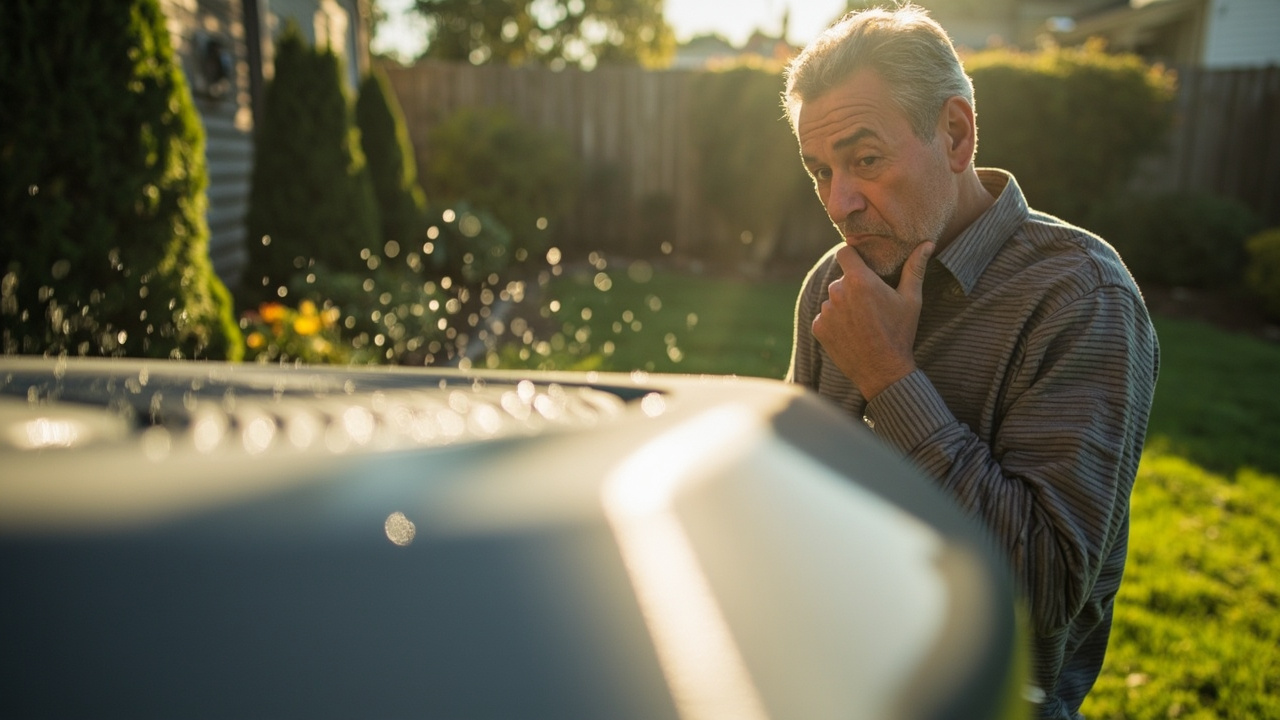
You hear the click. Your AC fires up. Then, 30 seconds later, it shuts down. A minute passes and the cycle repeats. This is short cycling, and it happens when your HVAC system kicks on and off without completing a full cooling or heating cycle.

Columbus homeowners deal with this problem more than most. Our humid summers place constant demand on air conditioning systems. When your AC turns on and off repeatedly during peak heat, the compressor overheats and refrigerant pressures never stabilize. The system struggles to manage the moisture load in our Ohio River Valley air. Your unit was designed to run in sustained cycles to pull humidity from indoor air. HVAC rapid cycling prevents proper dehumidification, which means your home stays clammy even when the thermostat shows the right temperature.

Furnace short cycling hits hard during our cold snaps. Columbus winter temperatures swing between freezing nights and milder days. Your heating system should run long enough to distribute warm air evenly through ductwork. When an air conditioner short cycle problem carries over to your furnace, or when a cracked heat exchanger triggers the safety limit switch, you pay higher utility bills while shivering in certain rooms.

Short cycling damages your equipment. Each startup draws significant electrical current. The compressor or igniter wears faster. You lose efficiency with every incomplete cycle. The problem rarely fixes itself and always gets worse when ignored.

Why Your Columbus HVAC System Keeps Starting and Stopping
How We Stop System Kicks On and Off Problems

How We Stop System Kicks On and Off Problems

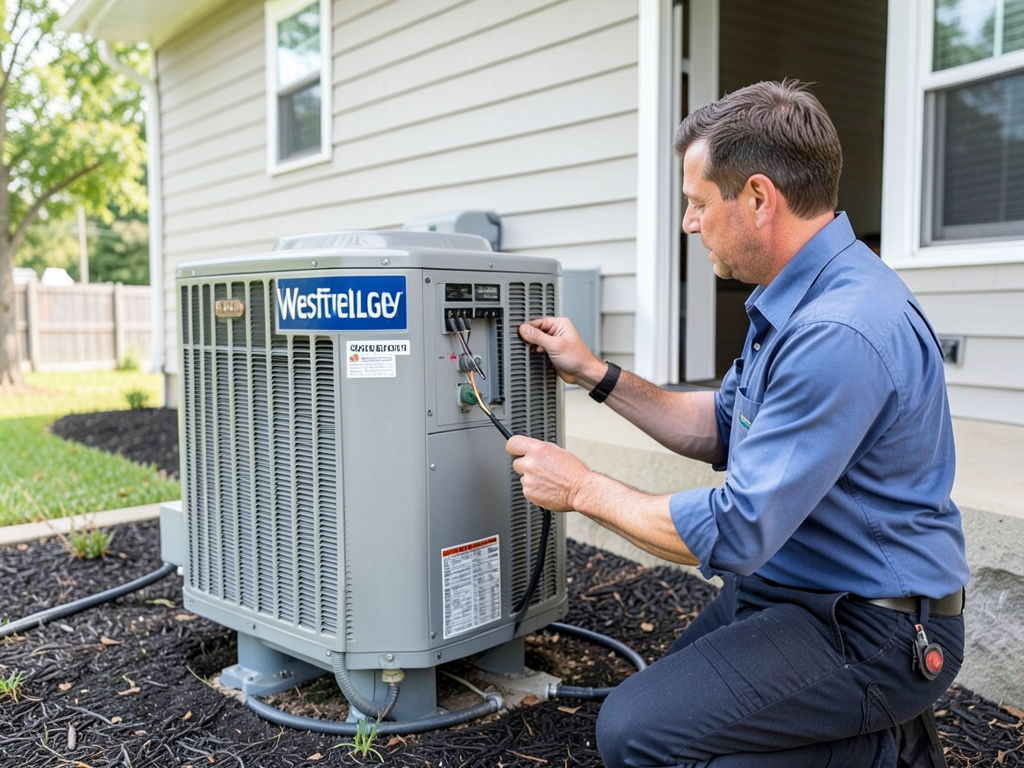
Grand HVAC Columbus technicians do not guess. We measure differential pressures, check superheat and subcooling values, and verify that your refrigerant charge matches manufacturer specifications. Most short cycling stems from four core issues: refrigerant problems, oversized equipment, failing components, or airflow restriction.

We start with static pressure testing across your ductwork. A return plenum starved for air will trip the high limit switch on your furnace or freeze the evaporator coil on your AC. We use a manometer to measure pressure drop at the filter, through the coil, and at each supply branch. When static pressure exceeds 0.5 inches of water column, we know your blower motor cannot move the rated CFM. Reduced airflow causes the system to overheat or overcool its own components.

Refrigerant diagnostics come next. We attach manifold gauges and compare suction and discharge pressures against ambient temperature charts. An overcharged system will short cycle on high pressure cutout. An undercharged system freezes the evaporator and trips on low pressure. Both conditions cause rapid cycling. We weigh in the exact refrigerant charge after evacuating the lines and checking for leaks with nitrogen pressure and electronic sniffers.

Component failure shows up in sequence of operations testing. We monitor voltage and amperage at the contactor, check capacitor microfarad values, and verify that the thermostat maintains a proper temperature differential. A failing compressor will short cycle on internal overload. A weak capacitor cannot start the motor cleanly. An improperly located thermostat will satisfy before the system completes its cycle.

Our Three-Step Method to Eliminate Short Cycling

Short Cycling in Columbus – Expert Diagnosis and Permanent Repair for Rapid Cycling Systems
01

Complete System Diagnostics

We arrive with test instruments calibrated for precision work. You get voltage readings, amperage draws, static pressure measurements, and refrigerant analysis. Our technicians document baseline performance against manufacturer specs. We identify every contributing factor, not just the obvious symptom. This diagnostic phase takes 45 to 90 minutes depending on system complexity and determines the exact repair path.
02

Targeted Component Repair

Once we pinpoint the cause, we replace failed parts or correct system imbalances. This might mean installing a hard start kit for weak compressor startups, adjusting refrigerant charge to factory specifications, replacing an oversized thermostat anticipator, or correcting ductwork restrictions. We address the root problem, not surface symptoms. Each repair follows manufacturer torque specs, brazing procedures, and electrical connection standards required by Ohio mechanical code.
03

Performance Verification Testing

After repairs, we run your system through multiple complete cycles while monitoring all critical parameters. We verify proper temperature split across the evaporator coil, confirm correct cycle timing, check that humidity levels drop appropriately, and ensure the system maintains stable operation under load. You watch the equipment complete full cycles without interruption. We provide documentation of all test results and explain what we corrected.

Why Columbus Residents Choose Grand HVAC for Rapid Cycling Repairs

Columbus sits in a humid continental climate zone where summer dew points regularly hit 70 degrees and winter cold fronts drop temperatures 30 degrees overnight. Your HVAC system works harder here than in drier or more temperate regions. Grand HVAC Columbus technicians understand how local humidity affects refrigerant pressures and how temperature swings stress heat exchangers.

We work throughout German Village, Clintonville, Upper Arlington, and surrounding neighborhoods. Each area presents different challenges. Older homes near Victorian Village often have undersized return ducts and restricted airflow through plaster walls. Newer construction in Dublin and Powell sometimes suffers from oversized equipment selected without proper Manual J load calculations. We have corrected short cycling issues in ranch homes, two-story colonials, and split-level designs throughout Franklin County.

Our diagnostic approach separates us from companies that throw parts at problems. When another contractor tells you that you need a new compressor without measuring suction pressure or checking capacitor values, you are getting a guess. We use field-tested procedures that identify actual failure points. You pay for the repair you need, not the repair that sounds expensive.

We stock common replacement components for most residential systems. You do not wait three days for a capacitor or contactor. Our service vehicles carry start components, refrigerant, and testing equipment needed to complete most repairs in a single visit. When we identify a failed part during diagnosis, we explain what it does, why it failed, and how replacement will restore proper cycling.

What Happens When You Call About Short Cycling

Same-Day Service Availability

Short cycling stresses your equipment and drives up operating costs with every incomplete cycle. We schedule service calls within hours for urgent situations and offer same-day appointments when you contact us before noon. Most diagnostic visits last 60 to 90 minutes. When we identify a straightforward repair like a failed capacitor or incorrect thermostat setting, we complete the fix immediately. Complex repairs that require specialty parts get scheduled as soon as components arrive, usually within 24 to 48 hours.

Detailed Equipment Analysis

Our technicians explain findings in plain language while showing you gauge readings and test results. You see the amperage draw on your compressor, the static pressure through your ductwork, and the temperature differential across your coil. We walk through what each measurement means and why it matters to your comfort and equipment longevity. You get photos of failed components and written documentation of all test values. This transparency helps you understand exactly what repair your system requires and why.

Complete Cycle Restoration

When we finish repairs, your system runs through complete cycles without interruption. You notice the difference immediately. The air conditioner stays on long enough to remove humidity from indoor air. The furnace distributes heat evenly through all rooms. Temperature swings decrease. Your home reaches setpoint and maintains comfort without constant stops and starts. We verify proper cycle timing before we leave. You get equipment that operates the way the manufacturer designed it to perform.

Ongoing Maintenance Support

Short cycling often indicates deferred maintenance or developing problems that need monitoring. We offer maintenance plans that include filter changes, coil cleaning, refrigerant checks, and electrical testing performed twice yearly. Regular maintenance catches minor issues before they cause rapid cycling or equipment failure. You get priority scheduling, and we keep detailed service records that track your system performance over time. This history helps us spot trends and prevent future breakdowns during peak summer or winter demand.

Frequently Asked Questions

You Have Questions,
We Have Answers

What is the most common cause of short cycling? +

The most common cause of short cycling in Columbus homes is a dirty air filter restricting airflow. When your system cannot pull enough air across the evaporator coil, it overheats and shuts down prematurely. Other frequent culprits include refrigerant leaks, thermostat malfunctions, and oversized equipment. Columbus humidity can accelerate filter clogging, especially during summer months when pollen and dust levels spike. An improperly sized AC unit that is too powerful for your home will also cycle on and off rapidly because it cools the space too quickly without removing humidity effectively.

How do you fix short cycling? +

Fixing short cycling starts with diagnosis. Replace your air filter first. If that does not solve the problem, check your thermostat placement. It should not be near heat sources or in direct sunlight. Next, inspect your outdoor condenser unit for debris blocking airflow. Columbus homes with clay soil may experience foundation shifts that kink refrigerant lines. If basic fixes fail, you need a technician to check refrigerant levels, test the compressor, inspect electrical connections, and verify proper system sizing. Refrigerant leaks and electrical issues require professional repair to prevent compressor damage.

How many minutes is considered short cycling? +

Any cooling cycle shorter than 7 to 10 minutes is considered short cycling. A healthy AC system should run for 15 to 20 minutes per cycle in moderate conditions. During extreme Columbus heat waves when temperatures hit the 90s, your system may run continuously, which is normal. The concern arises when your unit kicks on, runs for 3 to 5 minutes, shuts off, then repeats this pattern constantly. This rapid cycling prevents proper humidity removal and drastically increases wear on your compressor, leading to premature failure and higher energy bills.

Should I turn my AC off if it's short cycling? +

Yes, turn your AC off if it is short cycling. Continued operation damages the compressor and can lead to complete system failure. Short cycling causes extreme stress on electrical components and the compressor motor, which is the most expensive part to replace. Turn off your system at the thermostat and the breaker. Check your air filter and outdoor unit for obvious problems. Schedule a professional inspection before restarting. Running a short cycling unit in Columbus summer heat might seem necessary, but you risk a complete breakdown that leaves you without cooling for days during peak season.

How to tell if an AC compressor is short cycling? +

You can tell your compressor is short cycling by listening and watching. Stand near your outdoor unit and time how long it runs before shutting off. If it kicks on for less than 7 minutes, shuts off for a few minutes, then repeats constantly, the compressor is short cycling. You will hear the fan motor start and stop frequently. Check your thermostat. If the set temperature and room temperature are far apart but the unit keeps shutting off anyway, that confirms short cycling. Columbus homeowners often notice this problem worsens on humid days when the system struggles to remove moisture.

What is the $5000 AC rule? +

The 5000 dollar AC rule is a guideline for deciding between repair and replacement. Multiply the age of your unit by the repair cost. If the total exceeds 5000, replace the system instead of repairing it. For example, if your 12 year old AC needs 500 dollars in repairs, that equals 6000, so replacement makes better financial sense. This rule helps Columbus homeowners avoid pouring money into aging equipment that will likely fail again soon. Modern systems offer better efficiency and can significantly lower your energy bills during hot, humid Columbus summers.

Can dirty coils cause short cycling? +

Yes, dirty coils absolutely cause short cycling. When your evaporator coil gets clogged with dust and debris, it cannot absorb heat properly. This causes the refrigerant to get too cold, triggering the low pressure safety switch and shutting down your system. The condenser coil outside faces similar problems. Columbus homes near heavily wooded areas or high pollen zones see faster coil buildup. Cottonwood seeds in late spring are especially problematic for outdoor coils. Dirty coils also force your compressor to work harder, reducing efficiency and increasing energy costs while accelerating wear.

How to unclog an expansion valve in a car? +

This question addresses automotive AC systems, not residential HVAC. For home AC short cycling issues in Columbus, the expansion valve can become restricted by debris or moisture freezing inside the valve body. Only licensed HVAC technicians should service expansion valves because the system must be properly evacuated and recharged with refrigerant. DIY attempts violate EPA regulations and can damage your system. If you suspect a clogged expansion valve in your home AC, turn off the system and call a professional. The technician will recover refrigerant, replace or clean the valve, and recharge the system to manufacturer specifications.

What does short cycling look like? +

Short cycling looks like your AC turning on and off every few minutes instead of running steady cycles. You will notice the outdoor fan and compressor start up, hear them run briefly, then shut down completely. A few minutes later, the cycle repeats. Inside, your home never reaches the thermostat setting. You might feel brief bursts of cool air, but the system shuts off before removing humidity. Columbus homeowners often describe it as the unit seeming unable to decide whether to run. Your energy bills will spike because the compressor draws maximum power during startup, and short cycling means constant startups.

What is the 75% rule in cycling? +

The 75 percent rule in cycling refers to athletic training, not HVAC systems. For AC short cycling in Columbus homes, focus on proper system operation instead. Your AC should complete full cooling cycles, running 15 to 20 minutes at a time. If you are experiencing short cycling where your unit runs less than 10 minutes per cycle, address the problem immediately. Check your air filter, clear debris from your outdoor unit, and verify your thermostat works correctly. Persistent short cycling requires professional diagnosis to prevent compressor failure and expensive repairs during peak Columbus cooling season.

How Columbus Humidity Makes AC Short Cycling More Damaging

Columbus sits in the Ohio River Valley where summer humidity regularly exceeds 70 percent. Your air conditioning system must remove moisture from indoor air to maintain comfort. This dehumidification happens during long run cycles when refrigerant stays cold enough to condense water vapor on the evaporator coil. When your AC turns on and off repeatedly, the coil never gets cold enough to pull humidity effectively. You end up with a clammy house even when the thermostat shows 72 degrees. The system short cycles, your indoor humidity climbs above 60 percent, and you feel uncomfortable regardless of temperature setting.

Grand HVAC Columbus specializes in diagnosing and repairing rapid cycling problems specific to our local climate conditions. We understand how humid air affects refrigerant pressures and evaporator performance. Our technicians work throughout Franklin County and know the common equipment issues that plague homes in Bexley, Worthington, and Grandview Heights. We follow Ohio mechanical code requirements for refrigerant handling and electrical work. When you hire local expertise, you get technicians who understand Columbus weather patterns and how they stress your HVAC equipment.

HVAC Services in The Columbus Area

Grand HVAC Columbus is proud to serve the entire Columbus area and surrounding communities. We are committed to being a local, dependable resource for all your heating and cooling needs. Our convenient location ensures that we can respond quickly and efficiently to service calls, whether you're a residential or commercial client. We invite you to view our service area on the map to see how we can bring our expert HVAC solutions right to your doorstep.

Address:
Grand HVAC Columbus, 420 E 5th Ave, Columbus, OH, 43201

Additional Services We Offer

Our news updates

Latest Articles & News from The Blogs

Moving Your Air Vents During a Major Kitchen Renovation in Upper Arlington Planning to move walls and reconfigure your kitchen…

Moving Your Air Vents During a Major Kitchen Renovation in Upper Arlington

Moving Your Air Vents During a Major Kitchen Renovation in Upper Arlington Planning to move walls and reconfigure your kitchen…

The Landlord Guide to Low Maintenance HVAC in the University District

The Landlord Guide to Low Maintenance HVAC in the University District \n\n Managing rental properties in Columbus’s University District comes…

Why Westerville Homeowners are Looking into Solar Ready HVAC Systems

Why Westerville Homeowners are Looking into Solar Ready HVAC Systems Westerville homeowners are increasingly exploring solar-ready HVAC systems as energy…

Contact Us

Every incomplete cycle damages your compressor and wastes energy. Call Grand HVAC Columbus at (380) 253-3188 right now. We diagnose the exact cause of rapid cycling and restore proper operation the same day in most cases.