




Menu

Emergency Compressor Failure Repair in Columbus – Same-Day Dispatch When Your AC Goes Down

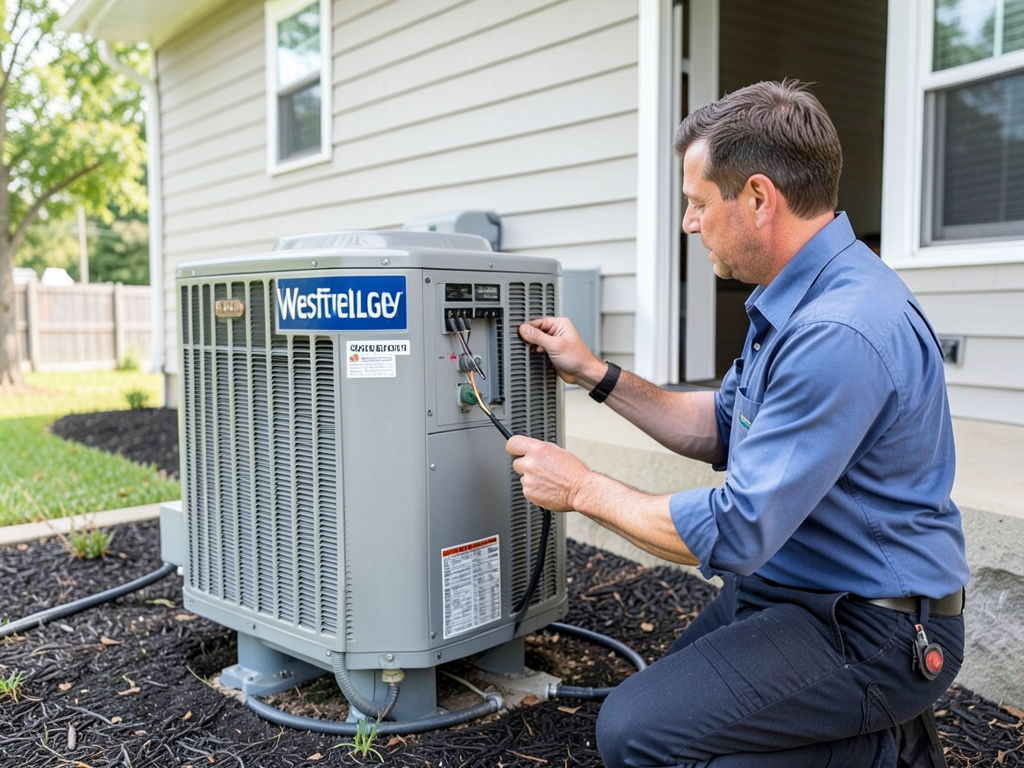
When your air conditioner compressor fails in Columbus's brutal summer heat, you need immediate compressor failure repair. Our technicians arrive fast, diagnose the problem accurately, and restore cool air before your home becomes unlivable.

Slider Image 1
Slider Image 2
Slider Image 3
Slider Image 4
Slider Image 5
Slider Image 7
Slider Image 8
Slider Image 9
Slider Image 10
Slider Image 11

Your AC Compressor Just Failed and Columbus Heat Waits for No One

You heard the grinding. You noticed the system cycling on and off. Now your AC won't run at all, and Columbus's summer humidity is turning your home into a swamp. The compressor is the heart of your cooling system. When it seizes, burns out, or fails mechanically, your entire air conditioner stops working.

Columbus's climate is particularly hard on compressors. Summer temperatures regularly hit 90 degrees with suffocating humidity. Your compressor runs longer and harder than systems in drier climates. Add in power surges from summer storms rolling through the Chattahoochee River valley, and you have perfect conditions for AC compressor burnout.

A seized AC compressor doesn't just mean discomfort. In Columbus heat, it becomes a health risk for elderly family members and young children within hours. The longer you wait, the more secondary damage occurs. Refrigerant leaks. Electrical components fail. What starts as a single compressor problem becomes a cascade of expensive repairs.

The warning signs were there. The system struggled to cool. You heard unusual noises from the outdoor unit. Energy bills crept higher each month. Now you need immediate air conditioner compressor repair before the problem spreads to your entire HVAC system.

Most compressor failures happen on the hottest days because that's when the unit works hardest. You cannot wait until Monday morning or next week's appointment slot. You need a technician who understands compressor diagnostics, has the right replacement parts in stock, and can fix broken AC compressor issues today.

Your AC Compressor Just Failed and Columbus Heat Waits for No One
How We Diagnose and Fix Compressor Failures Fast

How We Diagnose and Fix Compressor Failures Fast

Compressor failure repair requires precision diagnostics before we touch a single component. We start with electrical testing. We measure voltage at the contactor, check the start capacitor, and verify the run capacitor is functioning. Many technicians jump straight to AC compressor replacement when the real problem is a failed capacitor or bad contactor.

Next, we test the compressor windings with a megohmmeter. This tells us if the motor windings are shorted to ground or open. We check suction and discharge pressures. A seized compressor shows dramatically different pressure readings than a compressor with electrical failure. We test for acid in the refrigerant, which indicates internal burnout and contamination.

When we determine the compressor has failed mechanically or electrically, we evaluate the entire refrigerant circuit. A burned-out compressor sends metal particles and acid through your system. We flush the lines, replace the filter drier, and install a suction line filter drier to catch remaining contaminants. Skip this step and your new compressor fails within months.

We match the replacement compressor precisely to your system specifications. Wrong tonnage, incorrect refrigerant type, or mismatched electrical characteristics cause immediate problems. We pull a deep vacuum on the system to remove all moisture and air. Moisture in the refrigerant circuit causes future compressor failure and reduces cooling capacity.

After installing the new compressor, we verify proper superheat and subcooling. These measurements confirm your system is charging correctly and will run efficiently. We test all electrical connections under load and verify the compressor draws correct amperage. This diagnostic rigor separates professional HVAC compressor burnout repair from quick-fix services that fail within the warranty period.

What Happens During Emergency Compressor Repair

Emergency Compressor Failure Repair in Columbus – Same-Day Dispatch When Your AC Goes Down
01

Immediate Diagnostic Testing

We arrive with full electrical testing equipment and pressure gauges. Within 15 minutes, we know if your compressor failed mechanically, electrically, or both. We test capacitors, contactors, and wiring first because these components fail more often than actual compressors. You get honest answers about what failed and why, not automatic upselling to total system replacement when AC compressor replacement alone solves the problem.
02

Precise Compressor Installation

We recover remaining refrigerant, remove the failed compressor, and inspect the entire refrigerant circuit for contamination. New compressor installation includes proper brazing techniques, nitrogen purging during brazing to prevent oxidation, and installation of filter driers. We pull vacuum to 500 microns and hold for 30 minutes to verify the system is leak-free and dry. Moisture is the enemy of compressor longevity.
03

System Verification and Testing

After charging the system to manufacturer specifications, we run your air conditioner through multiple cooling cycles. We verify amperage draw, measure supply and return air temperatures, and confirm proper airflow across the evaporator coil. You get documentation of all test results. We explain what caused the original compressor failure and how to prevent future breakdowns. Your system runs correctly before we leave your property.

Why Columbus Homeowners Trust Our Emergency Compressor Services

Grand HVAC Columbus keeps replacement compressors for common residential systems in our service vehicles. When your compressor fails on Saturday afternoon in Buckhead or Midtown, we do not need to order parts and come back next week. We complete most air conditioner compressor repair jobs the same day because we stock the components other companies special order.

Our technicians understand Columbus building codes and local inspection requirements. Compressor replacement involves refrigerant handling, which requires EPA certification and compliance with environmental regulations. We document all refrigerant recovery and provide the required paperwork for your records. This matters if you sell your home or file an insurance claim.

We know Columbus's electrical infrastructure. Many neighborhoods have voltage fluctuations during peak summer demand. We install hard-start kits and voltage stabilizers when your area experiences power quality issues that damage compressors. This prevents repeat failures from the same underlying electrical problems.

Columbus homes built before 1990 often have undersized electrical panels. When we replace a seized AC compressor, we verify your breaker and disconnect box can handle the electrical load. We identify potential fire hazards and electrical code violations before they cause property damage.

The Chattahoochee River valley creates unique humidity patterns. Columbus compressors work harder because they remove moisture and heat simultaneously. We factor in local climate data when sizing replacement compressors and recommending preventive maintenance schedules. A compressor replacement strategy that works in Phoenix fails in Columbus because the operating conditions differ completely.

We respond to emergency calls in Phenix City, Fort Benning housing areas, and throughout the greater Columbus metro. You get the same fast response whether you live in historic downtown or new construction in north Columbus.

What You Get With Our Compressor Repair Service

Emergency Response Time

We answer emergency calls 24 hours a day, seven days a week. When your compressor fails, you reach a live technician who dispatches immediately to your Columbus location. Most emergency compressor repairs start within two hours of your call. We prioritize homes with elderly residents, young children, or medical conditions affected by heat. You do not wait until the next business day while your home becomes uninhabitable. Our trucks carry the diagnostic tools and replacement parts needed to fix broken AC compressor problems on the first visit, not after multiple trips and delayed parts orders.

Complete System Assessment

Before we replace your compressor, we test every component that might have caused the failure. Bad capacitors, failing contactors, and low refrigerant all damage compressors. We measure voltage, test electrical connections, and inspect your condenser coil for restrictions. You get a written diagnostic report explaining exactly what failed and why. We check your air filter, blower motor, and evaporator coil because restricted airflow causes compressors to overheat. This comprehensive approach prevents the frustration of repeat failures from undiagnosed underlying problems.

Professional Installation Standards

Your new compressor gets installed using manufacturer-specified procedures and professional-grade materials. We use nitrogen purging during brazing to prevent copper oxidation inside the refrigerant lines. We pull deep vacuum to remove all moisture and air. We install oversized filter driers to catch contaminants from the failed compressor. We pressure-test the system and verify leak-free operation before charging with refrigerant. These details matter because shortcuts cause premature compressor failure. You get a system that runs efficiently and lasts, not a quick fix that fails during the next heat wave.

Post-Repair Documentation and Guidance

After completing your compressor repair, we provide detailed documentation of all work performed, parts installed, and test results. You receive refrigerant recovery records required by EPA regulations. We explain what caused your compressor to fail and give you specific recommendations to prevent future breakdowns. Most compressor failures result from preventable issues like dirty coils, restricted airflow, or electrical problems. We create a maintenance schedule tailored to Columbus climate conditions and your system's operating characteristics. You get follow-up calls to verify your system performs correctly through the hottest part of summer.

Frequently Asked Questions

You Have Questions,
We Have Answers

Can a faulty compressor be fixed? +

Sometimes, but not always. Minor compressor issues like electrical failures or refrigerant leaks around the unit can be fixed. But if the compressor itself has internal mechanical failure, seized components, or severe damage, replacement is your only option. A technician will run diagnostics to check amp draw, pressure readings, and motor function. In Columbus, high humidity and summer heat stress compressors hard. If your unit is older than 10 years or the compressor is still under warranty, replacement is often smarter. Do not wait. A failing compressor will damage other system components and spike your energy bills fast.

What is the $5000 rule for AC? +

The $5000 rule helps you decide between repair and replacement. Take your system age and multiply it by the repair cost. If the total exceeds $5000, replace the entire unit. For example, if your AC is 12 years old and the compressor repair costs $500, that equals $6000. Replace it. This rule accounts for diminishing returns on older systems. In Columbus, where AC units work overtime during humid summers, older systems lose efficiency fast. A new unit saves you money on energy bills and prevents repeated breakdowns. Get a second opinion if the math is close.

What is the main cause of compressor failure? +

Refrigerant issues cause most compressor failures. Low refrigerant from leaks forces the compressor to work harder, overheating the motor. Dirty coils, clogged filters, and blocked airflow also starve the system of proper cooling, creating excessive heat and pressure. Electrical problems like bad capacitors or contactors can burn out the compressor windings. In Columbus, power surges during summer storms damage compressors frequently. Lack of maintenance accelerates wear. Refrigerant leaks are common in older systems with corroded coils. If your compressor failed once, the root cause must be fixed or the new one will fail too.

How much does it cost to fix an AC compressor? +

Compressor replacement in Columbus typically runs $1500 to $3000, depending on unit size, refrigerant type, and labor. Repairs for minor issues like capacitors or refrigerant leaks cost less. But if the compressor itself is bad, you pay for the part, refrigerant, and 4 to 8 hours of labor. R-410A refrigerant costs more than older R-22. Warranty coverage can cut costs significantly. Emergency calls cost more. Get a written estimate before agreeing to work. If your system is old or inefficient, compare repair cost to replacement cost using the $5000 rule.

Is it worth it to repair a compressor? +

It depends on age and cost. If your AC is under 7 years old, still efficient, and the compressor is under warranty, repair makes sense. If your system is over 12 years old, burning energy, and repair costs approach $2000 or more, replace the entire unit. Columbus summers are brutal. An old system will break again. Factor in rising energy bills from reduced efficiency. A new high-efficiency unit can cut cooling costs by 30 percent or more. Get a load calculation to confirm proper sizing. Do not throw good money at a dying system.

What is the 3 minute rule for AC? +

The 3 minute rule prevents compressor damage after shutdown. Your AC compressor needs 3 to 5 minutes to equalize refrigerant pressure before restarting. If you flip the thermostat off and back on too fast, the compressor tries to start under high pressure, which can burn out the motor or trip the breaker. Modern thermostats and delay timers enforce this automatically. In Columbus, power flickers during storms can cause rapid cycling. If your system short cycles, you have a bigger problem like a bad thermostat, refrigerant leak, or failing compressor. Get it checked immediately.

What is the average cost to replace a central AC unit? +

Central AC replacement in Columbus ranges from $3500 to $7500 for a standard residential system, depending on size, efficiency rating, and installation complexity. Higher SEER ratings cost more upfront but save money long term on energy bills. Ductwork modifications, permits, and removing old refrigerant add cost. Two-stage or variable-speed systems cost more but handle Columbus humidity better. Get multiple quotes and verify proper load calculations. Do not let a contractor oversize your unit. Oversized systems short cycle, waste energy, and fail faster. Financing and seasonal promotions can reduce upfront cost.

What AC units qualify for tax credit 2025? +

For 2025, AC units with a SEER2 rating of 16 or higher and an EER2 of 12 or higher qualify for federal tax credits under the Inflation Reduction Act. You can claim up to 30 percent of the cost, capped at $2000 for central AC systems. The unit must meet Energy Star Most Efficient standards. Heat pumps qualify for higher credits. Keep receipts and manufacturer certifications for your tax filing. Columbus homeowners should verify current IRS guidelines, as requirements change. Ask your HVAC contractor which models qualify before buying. Credits reduce your tax liability, not your installation cost.

What is the average lifespan of an HVAC? +

The average HVAC system lasts 15 to 20 years with proper maintenance. Central AC units typically last 12 to 17 years. Furnaces last slightly longer, 15 to 20 years. In Columbus, high humidity and temperature swings stress systems harder, shortening lifespan. Skipping annual maintenance, dirty filters, and refrigerant leaks accelerate wear. If your system is over 15 years old, plan for replacement soon. Efficiency drops after year 10, raising energy bills. New systems are quieter, more efficient, and handle humidity better. Do not wait for total failure during peak summer heat. Replace proactively.

What kills an AC compressor? +

Refrigerant leaks kill compressors fast. Low refrigerant causes overheating and oil breakdown, grinding internal components to failure. Dirty coils and clogged filters restrict airflow, forcing the compressor to work harder under excessive heat and pressure. Electrical issues like bad capacitors, contactors, or power surges fry compressor windings. In Columbus, power spikes during summer storms damage units frequently. Running the system with a dirty filter or blocked outdoor coil accelerates failure. Lack of maintenance is the top killer. Annual tune-ups catch small problems before they destroy the compressor. Do not ignore warning signs like strange noises or weak cooling.

How Columbus Heat and Humidity Destroy Compressors Faster

Columbus sits in the humid subtropical zone where summer temperatures exceed 90 degrees for weeks at a time. Your compressor runs 12 to 16 hours per day during July and August, compared to 8 to 10 hours in drier climates. This extended runtime accelerates wear on bearings, valves, and electrical windings. The Chattahoochee River valley traps humidity, forcing your compressor to work harder removing moisture from indoor air. Systems running in constant high humidity develop acid in the refrigerant faster, which corrodes internal components and causes premature burnout. Columbus compressors typically fail after 10 to 12 years, while the same units in low-humidity regions last 15 to 18 years.

Fort Benning's proximity brings unique challenges to Columbus HVAC systems. Summer thunderstorms rolling off the base cause power surges that damage compressor start components. Neighborhoods near the Chattahoochee experience higher pollen and cottonwood counts that clog condenser coils, restricting airflow and overheating compressors. Local building codes require proper electrical disconnects and surge protection, but many older Columbus homes lack these safeguards. Grand HVAC Columbus technicians understand these regional factors because we live and work in this community. We recommend solutions based on your specific neighborhood conditions, not generic advice that ignores local climate realities.

HVAC Services in The Columbus Area

Grand HVAC Columbus is proud to serve the entire Columbus area and surrounding communities. We are committed to being a local, dependable resource for all your heating and cooling needs. Our convenient location ensures that we can respond quickly and efficiently to service calls, whether you're a residential or commercial client. We invite you to view our service area on the map to see how we can bring our expert HVAC solutions right to your doorstep.

Address:
Grand HVAC Columbus, 420 E 5th Ave, Columbus, OH, 43201

Additional Services We Offer

Our news updates

Latest Articles & News from The Blogs

Five HVAC Maintenance Tasks You Can Safely Do Yourself (And Three You Definitely Should Not) Central Ohio homeowners face unique…

Five HVAC Maintenance Tasks You Can Safely Do Yourself (And Three You Definitely Should Not)

Five HVAC Maintenance Tasks You Can Safely Do Yourself (And Three You Definitely Should Not) Central Ohio homeowners face unique…

How to Heat Your Outdoor Kitchen or Patio for Year-Round Use in New Albany

How to Heat Your Outdoor Kitchen or Patio for Year-Round Use in New Albany Columbus winters can make your beautiful…

Keeping Your Spare Room Comfortable as a Permanent Home Office in Blacklick

Keeping Your Spare Room Comfortable as a Permanent Home Office in Blacklick Your home office needs to feel like a…

Contact Us

Your family cannot wait in Columbus heat while your broken compressor sits unfixed. Call (380) 253-3188 now for same-day emergency compressor repair. Our technicians are standing by with the parts and expertise to restore your cooling system today, not next week.