




Menu

HVAC Warranty Guide in Columbus – Decode Your Coverage and Protect Your Investment

Understand HVAC system warranty coverage, heating and cooling warranty terms, and manufacturer policies to avoid unexpected repair costs and maximize your equipment protection in Columbus.

Slider Image 1
Slider Image 2
Slider Image 3
Slider Image 4
Slider Image 5
Slider Image 7
Slider Image 8
Slider Image 9
Slider Image 10
Slider Image 11

Columbus HVAC Systems Face Unique Warranty Challenges

Columbus homeowners and businesses invest thousands in heating and cooling equipment, but most never read their HVAC system warranty coverage documents until something breaks. That's when the confusion starts. You call for a repair on your three-year-old furnace, only to learn the manufacturer warranty doesn't cover labor. Or your heat pump fails in August, and the HVAC equipment warranty policies exclude parts damaged by improper maintenance.

Columbus's humid summers and variable winters stress HVAC systems harder than moderate climates. Your compressor works overtime in July heat. Your furnace cycles constantly during February cold snaps. These conditions accelerate wear on components, which means you need to know exactly what your heating and cooling warranty terms protect and what they exclude.

Most HVAC unit warranty information comes in dense legal language buried in installation paperwork. Manufacturers offer parts coverage but not labor. Labor warranties come from your installing contractor, not the equipment maker. Some extended warranties add coverage, but they come with strict maintenance requirements. Miss one annual tune-up, and your extended coverage vanishes.

The biggest warranty mistake Columbus property owners make is assuming all coverage works the same. A residential split system has different HVAC manufacturer warranty details than a commercial rooftop unit. Heat pumps have separate compressor warranties from other parts. Understanding these distinctions before you need a repair saves you from surprise bills and coverage denials when your system fails.

Columbus HVAC Systems Face Unique Warranty Challenges
How HVAC Warranty Coverage Actually Works

How HVAC Warranty Coverage Actually Works

HVAC system warranty coverage splits into three distinct categories, and Columbus property owners need to understand each one. First, manufacturer parts warranties cover defective components for a specified period, typically five to ten years for residential equipment. This warranty only applies to the physical part itself, not the technician's time to diagnose the problem, access the failed component, or install the replacement.

Second, labor warranties come from your installing contractor, not the equipment manufacturer. When Grand HVAC Columbus installs a new system, we provide labor coverage that protects you from service call fees and installation charges if a covered part fails during the warranty period. This contractor labor warranty typically runs one to two years, much shorter than parts coverage.

Third, extended warranties or service agreements add coverage beyond standard terms. These programs often include preventive maintenance visits, priority scheduling, and coverage for parts that standard warranties exclude. However, HVAC equipment warranty policies require proof of regular maintenance to remain valid. Skip your annual tune-up, and your extended coverage disappears.

Registration matters more than most people realize. Manufacturers often provide longer warranty periods for registered equipment compared to unregistered units. You have a limited window after installation to register your system, usually 60 to 90 days. Miss that deadline, and your ten-year parts warranty drops to five years.

Transferability varies by manufacturer and equipment type. Some HVAC manufacturer warranty details allow warranty transfer to a new owner if you sell your Columbus property. Others limit coverage to the original purchaser. Heat pump warranties often include longer coverage for the compressor than for other components, creating multiple warranty periods for a single system.

Three Steps to Maximize Your HVAC Warranty Protection

HVAC Warranty Guide in Columbus – Decode Your Coverage and Protect Your Investment
01

Register Your Equipment

Complete manufacturer registration within 60 days of installation to activate full warranty coverage. You need your equipment model number, serial number, and installation date. Most manufacturers use online registration portals that take five minutes to complete. Unregistered equipment receives reduced coverage, sometimes cutting your warranty period in half. Keep your registration confirmation with your system documentation.
02

Schedule Required Maintenance

HVAC unit warranty information includes mandatory maintenance requirements to keep coverage active. Most manufacturers require annual professional service that includes refrigerant level checks, electrical connection inspection, and condensate drain cleaning. Document every maintenance visit with dated invoices showing the work performed. Manufacturers can deny warranty claims if you cannot prove regular maintenance. Columbus's humidity makes drain line maintenance especially critical for preserving warranty coverage.
03

Document Everything

Create a warranty file containing your equipment registration, installation invoice, manufacturer warranty certificate, contractor labor warranty, and all maintenance records. When you need warranty service, your technician requires this documentation to process claims with manufacturers. Take photos of model and serial number plates on your equipment. Store digital copies of all warranty documents in cloud storage so you can access them from anywhere if your system fails.

Why Columbus Property Owners Trust Local HVAC Warranty Expertise

Warranty claims fail most often because of documentation problems, not actual coverage disputes. A Columbus HVAC contractor who understands manufacturer claim procedures gets your warranty repair approved faster and with less hassle. Grand HVAC Columbus handles warranty documentation for every system we install, which means we already have the information manufacturers require when you need a covered repair.

Different manufacturers use different claim submission systems. Carrier requires online submission through their dealer portal. Trane uses a phone-based claim system. Lennox combines online and phone processes depending on the component. A local contractor who works with multiple brands knows which system each manufacturer uses and how to navigate their specific requirements.

Columbus's building codes affect warranty coverage in ways most property owners never consider. Some manufacturer warranties require installation that meets or exceeds local code requirements. If your system was installed by an unlicensed contractor or without proper permits, manufacturers can deny warranty claims. We ensure every installation meets Columbus building department standards, which protects your warranty coverage from installation-related disputes.

Labor warranties from your installing contractor provide more immediate value than manufacturer parts coverage. When a component fails, you need a technician to diagnose the problem, determine if it qualifies for warranty coverage, order the replacement part, and install it. Labor costs often exceed parts costs for common failures. Our labor warranty eliminates diagnosis fees, service call charges, and installation costs for covered repairs.

Commercial HVAC equipment warranty policies differ significantly from residential coverage. Rooftop units and commercial split systems often include shorter warranty periods, require more frequent maintenance documentation, and exclude coverage for applications outside original design parameters. We help Columbus business owners understand commercial warranty limitations and plan for equipment replacement before warranty coverage expires.

What Your HVAC Warranty Actually Covers

Parts Coverage Duration

Most residential HVAC systems include five-year parts warranties standard, with ten-year coverage available through manufacturer registration. Heat pump compressors often receive longer coverage than other components, sometimes ten years even when other parts receive five-year terms. Commercial equipment typically receives shorter warranty periods, often three to five years maximum. High-efficiency systems sometimes include enhanced warranty coverage as a premium feature. Warranty periods start from the installation date, not the purchase date, so delays between equipment delivery and installation extend your effective coverage window.

Labor Coverage Limitations

Manufacturer warranties cover defective parts but exclude labor costs for diagnosis, access, and installation. Your installing contractor provides separate labor coverage, typically one to two years. Labor warranties cover the technician's time to replace failed components, but they exclude charges for modifications, upgrades, or additional work discovered during repair. Extended service agreements can add labor coverage beyond the standard contractor warranty period. Some manufacturers offer labor warranty extensions as add-on purchases at installation. Labor costs for compressor replacement often exceed the component cost, making labor coverage especially valuable for expensive repairs.

Excluded Conditions

HVAC warranties exclude damage from improper maintenance, unauthorized modifications, and operating conditions outside design specifications. Dirty filters that cause coil freezing void coverage. Refrigerant leaks from physical damage or corrosion typically fall outside warranty terms. Power surge damage usually requires separate coverage through your insurance. Systems installed in commercial applications when designed for residential use lose warranty protection. Columbus property owners should understand that warranty coverage requires proper sizing for your space, correct installation procedures, and operation within manufacturer specifications for temperature and humidity ranges.

Maintenance Requirements

Manufacturers require documented professional maintenance to preserve warranty coverage. Annual service must include refrigerant checks, electrical testing, condensate system inspection, and filter replacement documentation. Some extended warranties require bi-annual service for coverage continuation. You bear the burden of proof for maintenance compliance, so save every service invoice. Manufacturers can request maintenance records before approving warranty claims. Columbus's climate makes spring and fall the ideal times for preventive service, which positions your system for peak season performance while satisfying warranty maintenance requirements.

Frequently Asked Questions

You Have Questions,
We Have Answers

What is the typical warranty on an HVAC unit? +

Most HVAC units come with a 5 to 10-year parts warranty from the manufacturer. Labor warranties vary by contractor, typically ranging from 1 to 2 years. High-efficiency systems often include longer coverage, sometimes up to 12 years on the compressor. In Columbus, where summer humidity and winter freeze cycles stress systems hard, extended warranties offer peace of mind. Registration matters. You must register your unit within 60 to 90 days of installation to activate full coverage. Without registration, many manufacturers default to a shorter 5-year warranty. Always verify what your specific warranty covers.

What is the $5000 rule for HVAC? +

The $5000 rule is an unofficial guideline for deciding between repair and replacement. Multiply the repair cost by your system's age in years. If the result exceeds $5000, replacement makes more financial sense. For example, a $400 repair on a 10-year-old unit equals $4000, suggesting repair. A $600 repair on a 12-year-old unit equals $7200, pointing toward replacement. Columbus homeowners face high humidity and temperature swings that accelerate wear. This rule helps you avoid sinking money into aging equipment that will fail soon anyway. Always get a second opinion before major decisions.

How does a home warranty work for HVAC? +

A home warranty is a service contract covering repair or replacement of major systems and appliances. For HVAC, you pay an annual premium plus a service fee per claim, typically $75 to $125 in Columbus. The warranty company sends a contractor to diagnose issues. Coverage varies. Some plans exclude pre-existing conditions, improper maintenance, or code violations. Unlike manufacturer warranties that cover parts, home warranties handle labor and service calls. Read the fine print. Many plans cap payouts or deny claims if you skipped annual maintenance. They work best for older systems outside manufacturer coverage.

What voids a HVAC warranty? +

Several actions void your HVAC warranty. Skipping annual professional maintenance is the most common reason. Manufacturers require proof of yearly service. Using unqualified technicians or DIY repairs also voids coverage. Installing the wrong-sized unit or improper installation kills warranties immediately. In Columbus, neglecting to change filters during high pollen seasons or ignoring humidity issues can lead to denied claims. Using aftermarket or non-OEM parts breaks warranty terms. Operating the system in ways it was not designed for, like cooling an uninsulated space, also voids coverage. Always document maintenance and use licensed contractors.

What is the average lifespan of an HVAC? +

HVAC systems last 15 to 20 years on average, but Columbus climate factors shorten this. High summer humidity stresses compressors and coils. Winter freeze-thaw cycles strain heat exchangers. Poorly maintained units fail closer to 10 to 12 years. Proper care extends lifespan. Annual maintenance, regular filter changes, and prompt repairs make a difference. High-efficiency systems with variable-speed technology often last longer because they run smoother cycles. Location matters too. Units in shaded areas or protected from weather last longer than those exposed to direct sun and storms. Plan replacement at year 15 to avoid emergency failures.

Which HVAC brand has the best warranty? +

Carrier, Trane, and Lennox offer strong warranties, typically 10 years on parts. American Standard and Rheem provide similar coverage. The best warranty depends on registration, maintenance compliance, and installer quality. In Columbus, warranty strength matters less than local contractor support. A great warranty means nothing if no one services the brand locally. High-efficiency models often include enhanced coverage, like lifetime compressor warranties. Avoid focusing only on warranty length. Consider parts availability, local service networks, and installer expertise. A 10-year warranty with poor local support beats a lifetime warranty with no nearby technicians.

Is a new HVAC system tax deductible in 2025? +

Yes, if your system qualifies for federal energy efficiency tax credits. The Inflation Reduction Act extended credits through 2032. You can claim up to 30 percent of costs, capped at $2000 for systems meeting efficiency standards. Eligible units must have a SEER2 rating of 16 or higher for central air. Heat pumps need specific HSPF2 ratings. Columbus homeowners should verify equipment qualifies before purchase. Keep all receipts and manufacturer certification statements. Consult a tax professional for specific guidance. State or local utility rebates may stack with federal credits, increasing total savings on qualifying high-efficiency systems.

What is the 3 minute rule for AC? +

The 3-minute rule prevents compressor damage by allowing pressure to equalize before restart. After your AC shuts off, wait at least 3 minutes before turning it back on. Immediate restarts force the compressor to start under high pressure, stressing internal components and shortening lifespan. Most modern thermostats have built-in delay timers. In Columbus, during hot summer days when power flickers or you adjust settings frequently, this rule protects your system. Repeated short-cycling from ignoring this rule can void warranties or cause premature compressor failure. Let the system rest before restarting.

What is the best month to buy an HVAC system? +

Fall and early spring offer the best HVAC buying opportunities in Columbus. October through November and March through April are off-peak seasons. Contractors have lighter schedules, allowing better installation times and often better pricing. You avoid the summer rush when demand skyrockets and prices increase. Fall purchases let you test heating before winter cold hits hard. Spring installations prepare you for humid Columbus summers. Many manufacturers release rebates and promotions during these slower months. Avoid buying during extreme weather when you have no negotiating power and face emergency pricing. Plan ahead for maximum savings and quality installation time.

Will insurance pay for a new HVAC system? +

Homeowners insurance rarely covers HVAC replacement due to age or wear. Insurance pays only if damage results from a covered peril like fire, lightning strike, vandalism, or storm damage. If a tree falls on your outdoor unit during a Columbus thunderstorm, insurance may cover it. Normal breakdowns, lack of maintenance, or aging equipment are your responsibility. Some policies exclude mechanical failure entirely. Review your policy specifics. Water damage from a failed condensate line might be covered, but not the HVAC repair itself. Flood insurance is separate and typically excludes mechanical systems. Maintain your system to avoid out-of-pocket replacement costs.

How Columbus's Climate Affects Your HVAC Warranty Claims

Columbus experiences humid summers and variable winters that stress HVAC components harder than temperate climates. High humidity accelerates corrosion on outdoor condensing units and indoor evaporator coils. Temperature swings cause expansion and contraction that stress electrical connections and refrigerant lines. These conditions increase the likelihood of warranty claims, but they also create disputes about whether failures result from defective parts or environmental stress. Understanding how Columbus's climate affects your system helps you document maintenance properly and preserve coverage when components fail prematurely.

Columbus HVAC contractors who handle warranty work daily understand manufacturer claim procedures better than national service chains. We know which manufacturers approve claims quickly and which require extensive documentation. Our relationships with regional manufacturer representatives help resolve disputed claims faster. Columbus building codes require specific installation practices for condensate disposal and refrigerant handling that affect warranty validity. Local expertise ensures your installation meets both code requirements and manufacturer specifications, protecting your warranty coverage from installation-related disputes that national companies often miss.

HVAC Services in The Columbus Area

Grand HVAC Columbus is proud to serve the entire Columbus area and surrounding communities. We are committed to being a local, dependable resource for all your heating and cooling needs. Our convenient location ensures that we can respond quickly and efficiently to service calls, whether you're a residential or commercial client. We invite you to view our service area on the map to see how we can bring our expert HVAC solutions right to your doorstep.

Address:
Grand HVAC Columbus, 420 E 5th Ave, Columbus, OH, 43201

Additional Services We Offer

Our news updates

Latest Articles & News from The Blogs

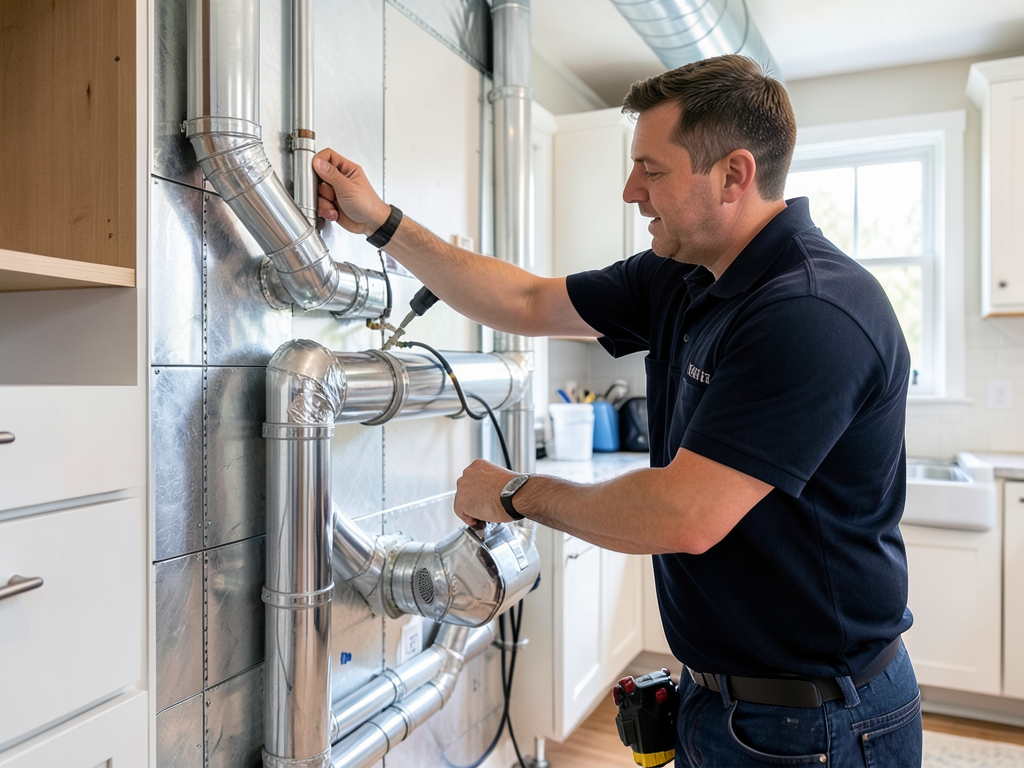
Moving Your Air Vents During a Major Kitchen Renovation in Upper Arlington Planning to move walls and reconfigure your kitchen…

Moving Your Air Vents During a Major Kitchen Renovation in Upper Arlington

Moving Your Air Vents During a Major Kitchen Renovation in Upper Arlington Planning to move walls and reconfigure your kitchen…

The Landlord Guide to Low Maintenance HVAC in the University District

The Landlord Guide to Low Maintenance HVAC in the University District \n\n Managing rental properties in Columbus’s University District comes…

Why Westerville Homeowners are Looking into Solar Ready HVAC Systems

Why Westerville Homeowners are Looking into Solar Ready HVAC Systems Westerville homeowners are increasingly exploring solar-ready HVAC systems as energy…

Contact Us

Confused about your HVAC warranty coverage? Call Grand HVAC Columbus at (380) 253-3188 for a free warranty review. We explain your coverage, identify maintenance requirements, and help you maximize your equipment protection.