



Menu

Building Automation Systems in Columbus – Reduce Operating Costs and Eliminate Downtime with Enterprise-Grade Controls

Grand HVAC Columbus deploys integrated Building Automation Systems that cut energy consumption, prevent equipment failure, and give you centralized control over every HVAC asset in your facility.

Slider Image 1
Slider Image 2
Slider Image 3
Slider Image 4
Slider Image 5
Slider Image 7
Slider Image 8
Slider Image 9
Slider Image 10
Slider Image 11

Why Columbus Commercial Facilities Lose Money on Reactive HVAC Management

Columbus operates under a humid continental climate with temperature swings that stress HVAC equipment year-round. Summer humidity above 70 percent forces your cooling systems to work harder. Winter lows below freezing push boilers and heat pumps into overdrive. These constant load changes accelerate wear on motors, compressors, and heat exchangers.

Most commercial properties in Columbus still rely on manual thermostats and reactive maintenance. That approach burns money. You overheat unoccupied zones. You overcool server rooms. You miss refrigerant leaks until a rooftop unit fails mid-July.

Without a Building Management System, you have no visibility into energy use, runtime hours, or fault conditions. You pay technicians to drive out for nuisance calls that could be diagnosed remotely. You replace components that fail prematurely because no one saw the warning signs.

Energy Management Systems and Direct Digital Controls give you real-time data on every piece of equipment. You can schedule setbacks for nights and weekends. You can trend compressor amperage to predict failure weeks in advance. You can integrate HVAC with lighting and security to optimize the entire building envelope.

Commercial HVAC Controls are not optional in 2025. Your competitors in the Short North and Easton already run integrated Building Control Systems. You are competing with facilities that pay less per square foot to condition the same space. If you are still walking the roof to check damper positions, you are losing margin every month.

Columbus building owners who deploy automation systems see energy reductions between 15 and 30 percent within the first year. That is not marketing language. That is measured consumption data pulled from utility meters and submetering equipment.

Why Columbus Commercial Facilities Lose Money on Reactive HVAC Management
How Grand HVAC Columbus Designs and Deploys Building Automation Systems

How Grand HVAC Columbus Designs and Deploys Building Automation Systems

We do not sell you a software package and walk away. Grand HVAC Columbus engineers Building Automation Systems around your equipment, your occupancy patterns, and your operational priorities.

We start with a full controls audit. We document every HVAC asset in your building. We identify which units are already networked and which are standalone. We map out your existing Building Management Systems infrastructure, your BACnet backbone, your sensor placement, and your communication protocols.

Next, we design a control strategy that balances comfort, efficiency, and uptime. We select Direct Digital Controls that match your equipment mix. We specify sensors for temperature, humidity, CO2, and differential pressure. We integrate variable frequency drives on air handlers and pumps to stage capacity in response to real-time load.

We program sequences of operation that reflect how your building actually operates. If you run a data center, we prioritize precision cooling and redundancy. If you run a warehouse, we prioritize economizer cycles and demand-based ventilation. If you run a multi-tenant office building, we prioritize zone-level control and tenant billing.

Our technicians install field devices, run communication wiring, and commission each control loop. We verify sensor calibration. We test fail-safe modes. We train your facilities team on the graphical interface so they can adjust setpoints, view alarms, and pull trend logs without calling us.

We integrate your HVAC controls with your existing Energy Management Systems or building management platform. You get one dashboard that shows chiller plant efficiency, rooftop unit runtime, and indoor air quality metrics. You can drill down to individual VAV boxes or zoom out to portfolio-level energy analytics.

We use open protocols like BACnet and Modbus so you are never locked into a proprietary system. If you want to add lighting controls or access control later, the infrastructure is already in place.

What You Can Expect When We Deploy Your Building Automation System

Building Automation Systems in Columbus – Reduce Operating Costs and Eliminate Downtime with Enterprise-Grade Controls
01

Site Assessment and Equipment Audit

We catalog every HVAC component in your facility and map your existing control infrastructure. Our engineers document equipment nameplates, communication protocols, and sensor locations. We identify integration opportunities and flag obsolete hardware that will limit system performance. You get a detailed report with a phased implementation plan and a controls architecture diagram before any installation begins.
02

System Design and Integration

We engineer a control strategy tailored to your building type and operational goals. We specify Direct Digital Controls, sensors, actuators, and communication hardware. Our team programs sequences of operation for optimal efficiency and occupant comfort. We integrate the new system with your existing Energy Management Systems or install a new graphical interface. All programming is done in-house by technicians who understand Columbus commercial HVAC loads.
03

Commissioning and Training

We test every control loop, verify sensor accuracy, and validate alarm functions before handoff. Your facilities team receives hands-on training on the interface, alarm management, and basic troubleshooting. We provide detailed documentation including points lists, control drawings, and sequence narratives. You get remote support access and ongoing performance monitoring to ensure your Building Automation Systems deliver the promised energy savings and uptime.

Why Columbus Facility Managers Choose Grand HVAC for Building Control Systems

Grand HVAC Columbus has deployed Commercial HVAC Controls in office buildings, hospitals, schools, and industrial facilities across Franklin County. We understand local utility rate structures. We know how to navigate Columbus zoning and mechanical code requirements. We have relationships with inspectors and know what they expect on permit submissions.

We do not subcontract controls work. Our in-house team includes HVAC technicians who hold BACnet certifications and have experience with all major Building Management Systems platforms. We service Trane, Carrier, Johnson Controls, Honeywell, and Siemens equipment. If you have a mixed-vendor environment, we can integrate it.

We stock common control components in our Columbus warehouse. If a controller fails or a sensor drifts out of calibration, we can dispatch a technician the same day. We do not wait for parts to ship from regional distributors.

Our service contracts include remote monitoring. We track your system performance 24/7 and catch issues before they impact operations. If a chiller locks out at 2 AM, we see the fault code immediately. We can often reset the unit remotely or dispatch a technician with the correct part before your building opens.

We design systems for long-term maintainability. We avoid proprietary hardware that locks you into a single vendor. We document everything so future service providers can understand the system logic without reverse-engineering the code.

Columbus has a mix of historic buildings and new construction. We have retrofitted 1960s office towers with pneumatic controls and designed greenfield installations for LEED-certified buildings. We know how to integrate modern Building Automation Systems with older equipment that was never designed to be networked.

You need a controls partner who can troubleshoot a PID loop, diagnose a network timeout, and explain ROI to your CFO. Grand HVAC Columbus does all three.

What to Expect When You Upgrade to Building Automation Systems

Project Timeline and Coordination

A typical Building Automation Systems retrofit takes four to eight weeks from design to commissioning. We work around your operating schedule to minimize disruption. Most installations happen after hours or on weekends. We coordinate with your IT team if network integration is required. For phased rollouts, we prioritize high-consumption zones first so you start seeing energy savings immediately. New construction projects follow the general contractor's schedule and our controls commissioning aligns with final HVAC startup and balancing.

Initial Controls Audit and Proposal

We conduct a full site walk to document your HVAC equipment and existing controls infrastructure. Our engineers assess communication protocols, sensor placement, and control valve operation. We identify opportunities for energy savings and improved reliability. You receive a detailed proposal that includes a controls architecture diagram, equipment specifications, and a projected ROI calculation based on your current utility spend. We break out costs by phase so you can prioritize critical systems first if budget is a constraint.

System Performance and Energy Savings

A properly commissioned Building Automation System delivers measurable energy reductions within the first billing cycle. You gain real-time visibility into equipment performance and can identify waste that was invisible before. Automated scheduling eliminates conditioning of unoccupied spaces. Demand-based ventilation reduces fan energy. Optimal start and stop routines cut morning warm-up times. You can benchmark energy use per square foot and track performance over time. Most Columbus commercial clients see payback in three to five years based on energy savings alone.

Ongoing Support and System Optimization

Grand HVAC Columbus offers service agreements that include remote monitoring, software updates, and annual recommissioning. We track your system performance and make tuning adjustments as your building use changes. You get priority response if a controller fails or a network issue disrupts communication. We provide quarterly performance reports that show energy trends, equipment runtime, and alarm frequency. Our goal is continuous improvement. As we gather more operational data, we refine control sequences to squeeze out additional efficiency without sacrificing comfort.

Frequently Asked Questions

You Have Questions,
We Have Answers

What are building automation systems? +

Building automation systems are integrated networks that control and monitor mechanical, electrical, and HVAC equipment in commercial facilities. These systems manage heating, cooling, lighting, security, and ventilation through centralized software and hardware. Controllers communicate with sensors and actuators to optimize building performance, reduce energy consumption, and maintain occupant comfort. Columbus commercial properties use these systems to handle Ohio's temperature swings efficiently, cutting operational costs while ensuring consistent environmental control. The technology enables remote monitoring, scheduled operations, and automatic adjustments based on occupancy or weather conditions, making facility management more efficient and responsive.

What are the top 5 BMS systems? +

The top five BMS platforms include Johnson Controls Metasys, Siemens Desigo, Honeywell Enterprise Building Integrator, Tridium Niagara, and Schneider Electric EcoStruxure. These systems dominate commercial installations across Columbus due to their scalability and integration capabilities. Each platform offers distinct advantages: Johnson Controls excels in large campus environments, Siemens provides robust analytics, Honeywell delivers strong cybersecurity features, Tridium offers open protocol flexibility, and Schneider emphasizes energy optimization. Selection depends on building size, existing infrastructure, and specific operational requirements. Columbus facilities often choose based on local service availability and compatibility with regional utility demand response programs.

What is the best building automation system? +

The best building automation system depends on your facility's specific requirements, existing infrastructure, and operational goals. No single platform universally outperforms others. Columbus commercial properties must consider factors like building size, HVAC complexity, integration needs with legacy equipment, and local service provider expertise. Systems using BACnet or LonWorks protocols offer better long-term flexibility. Evaluate total cost of ownership, not just initial investment. The right choice balances functionality, scalability, cybersecurity, and available technical support in the Columbus area. Consult with qualified integrators who understand Ohio building codes and climate-specific control strategies before committing to a platform.

What is a typical BMS system? +

A typical BMS system consists of field controllers, sensors, actuators, and a central management workstation. Controllers process data from temperature, humidity, and pressure sensors, then adjust dampers, valves, and equipment accordingly. The system monitors HVAC units, lighting circuits, access control, and fire safety equipment through a unified interface. Columbus commercial buildings commonly deploy distributed controllers throughout the facility, connected via IP networks to a central server. Operators access real-time data, adjust setpoints, and review alarms from desktop computers or mobile devices. Standard systems include scheduling functions, trending capabilities, and alarm management to maintain optimal building performance.

What are the 4 types of automation systems? +

The four types of automation systems are fixed automation, programmable automation, flexible automation, and integrated automation. Fixed automation handles repetitive tasks with dedicated equipment. Programmable automation allows reprogramming for different tasks through software changes. Flexible automation adapts quickly to varying production requirements with minimal downtime. Integrated automation combines multiple systems into unified control platforms. In Columbus commercial buildings, integrated automation dominates, linking HVAC, lighting, security, and energy management into cohesive building automation systems. This approach maximizes efficiency, reduces redundancy, and enables comprehensive facility oversight. The classification helps facility managers understand control architecture options when planning system upgrades or new installations.

What is BMS in simple words? +

BMS stands for building management system. It is computer-based software that controls and monitors building equipment like HVAC, lighting, and security. Think of it as the brain of your facility. Sensors throughout the building collect data on temperature, occupancy, and equipment status. The BMS processes this information and automatically adjusts systems to maintain comfort while minimizing energy waste. For Columbus commercial properties, this means handling humid summers and cold winters without constant manual intervention. Facility managers access the system through computers or smartphones to view performance, adjust settings, and respond to alerts, streamlining building operations significantly.

Who is the leader in building automation? +

Johnson Controls, Siemens, and Honeywell lead the building automation industry globally, each commanding significant market share. Johnson Controls dominates North American commercial installations with its Metasys platform. Siemens holds strong positions in European and industrial markets. Honeywell excels in integrated solutions spanning multiple building systems. In Columbus specifically, market leadership varies by building sector. Large corporate campuses often deploy Johnson Controls, while healthcare facilities frequently choose Siemens for clinical environment controls. Leadership depends on regional service networks, not just product capability. Local integration partners and service availability matter more than global market position when selecting a system for Columbus properties.

What is SCADA vs BMS? +

SCADA (Supervisory Control and Data Acquisition) monitors and controls industrial processes across large geographical areas, like utility grids or manufacturing plants. BMS focuses specifically on commercial building systems within single facilities or campuses. SCADA handles critical infrastructure with extensive data logging and process visualization. BMS prioritizes occupant comfort, energy efficiency, and building equipment optimization. SCADA systems typically require higher reliability and redundancy. Columbus industrial facilities use SCADA for production monitoring, while office buildings and hospitals deploy BMS for environmental control. The technologies share similar architectures but serve different operational priorities. Some large Columbus campuses integrate both for comprehensive facility and utility management.

What are the three types of BMS? +

The three types of BMS are pneumatic, electric, and direct digital control (DDC) systems. Pneumatic systems use compressed air to operate controls, common in older Columbus buildings but largely obsolete. Electric systems use low-voltage wiring and analog signals, still present in some mid-century facilities. DDC systems dominate modern installations, using microprocessors and digital communications for precise control and data collection. DDC enables remote access, advanced scheduling, and integration with enterprise software. Columbus commercial properties upgrading from pneumatic or electric systems to DDC experience significant energy savings and operational improvements. New construction exclusively uses DDC architecture for flexibility and performance.

How much does a building automation system cost? +

Building automation system costs vary widely based on facility size, system complexity, and integration requirements. Expect investments from $2.50 to $8.00 per square foot for complete installations. A 50,000-square-foot Columbus office building typically requires $125,000 to $400,000. Costs include controllers, sensors, actuators, software licenses, network infrastructure, engineering, programming, and commissioning. Retrofits into existing buildings with legacy equipment cost more due to integration challenges. Factor in ongoing expenses for software updates, service contracts, and system optimization. Energy savings typically offset costs within three to seven years. Columbus properties pursuing LEED certification or utility rebates may reduce net investment through available incentive programs.

How Columbus Humidity and Temperature Swings Drive the Need for Precision HVAC Controls

Columbus experiences relative humidity above 70 percent during summer months and temperature swings of 40 degrees between day and night in spring and fall. These conditions stress HVAC equipment and make manual control strategies ineffective. Without Direct Digital Controls, you cannot modulate capacity in response to real-time load. Your rooftop units short-cycle. Your chillers run at full capacity when half-load would suffice. Building Management Systems eliminate this inefficiency by staging equipment based on actual demand and outdoor conditions.

Columbus commercial properties must comply with Ohio mechanical code and local energy benchmarking ordinances. Grand HVAC Columbus designs Building Control Systems that meet or exceed these standards while giving you the data you need for Energy Star certification and utility incentive programs. We have worked with Columbus City Schools, Ohio State University facilities, and private developers throughout the metro. Our familiarity with local code officials and inspection procedures ensures your project stays on schedule.

HVAC Services in The Columbus Area

Grand HVAC Columbus is proud to serve the entire Columbus area and surrounding communities. We are committed to being a local, dependable resource for all your heating and cooling needs. Our convenient location ensures that we can respond quickly and efficiently to service calls, whether you're a residential or commercial client. We invite you to view our service area on the map to see how we can bring our expert HVAC solutions right to your doorstep.

Address:
Grand HVAC Columbus, 420 E 5th Ave, Columbus, OH, 43201

Additional Services We Offer

Our news updates

Latest Articles & News from The Blogs

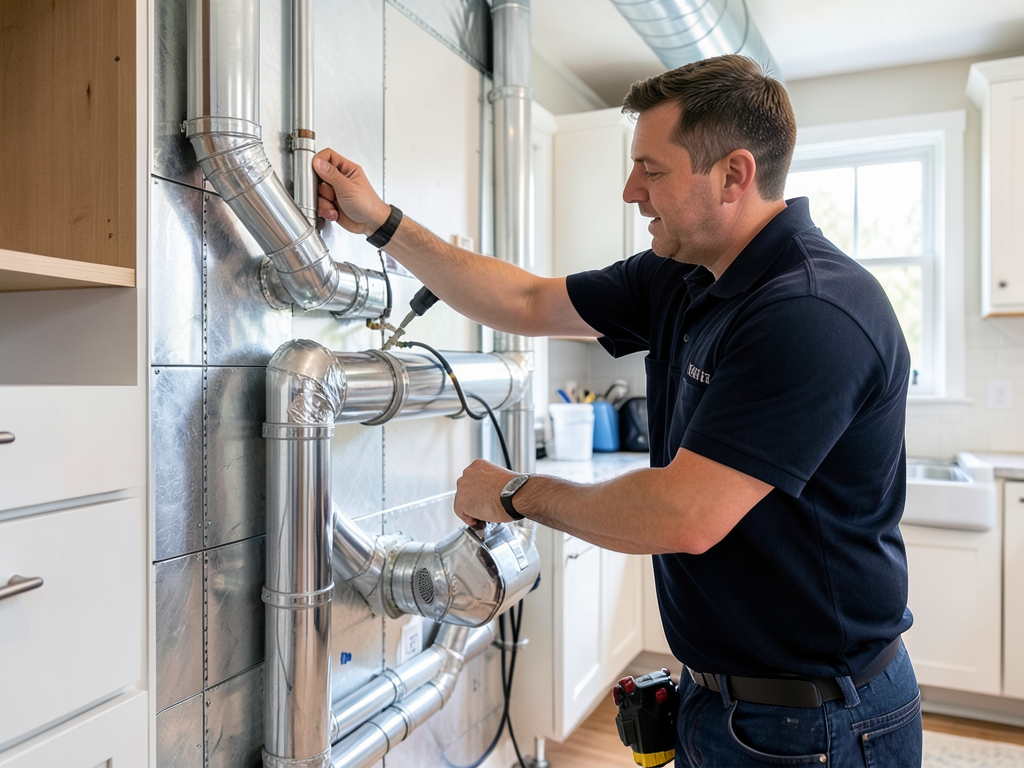
Moving Your Air Vents During a Major Kitchen Renovation in Upper Arlington Planning to move walls and reconfigure your kitchen…

Moving Your Air Vents During a Major Kitchen Renovation in Upper Arlington

Moving Your Air Vents During a Major Kitchen Renovation in Upper Arlington Planning to move walls and reconfigure your kitchen…

The Landlord Guide to Low Maintenance HVAC in the University District

The Landlord Guide to Low Maintenance HVAC in the University District \n\n Managing rental properties in Columbus’s University District comes…

Why Westerville Homeowners are Looking into Solar Ready HVAC Systems

Why Westerville Homeowners are Looking into Solar Ready HVAC Systems Westerville homeowners are increasingly exploring solar-ready HVAC systems as energy…

Contact Us

Call Grand HVAC Columbus at (380) 253-3188 to schedule a controls audit. We will assess your facility, identify energy waste, and provide a detailed proposal with projected ROI. Stop losing money on inefficient HVAC operation.