




Menu

Storm Damage HVAC Repair in Columbus – 24/7 Emergency Response When Every Minute Counts

When severe weather strikes Columbus, your heating and cooling system can't wait. Grand HVAC Columbus dispatches certified technicians to your location within hours, restoring comfort and preventing secondary damage to your property.

Slider Image 1
Slider Image 2
Slider Image 3
Slider Image 4
Slider Image 5
Slider Image 7
Slider Image 8
Slider Image 9
Slider Image 10
Slider Image 11

Columbus Storm Damage Leaves HVAC Systems Vulnerable to Catastrophic Failure

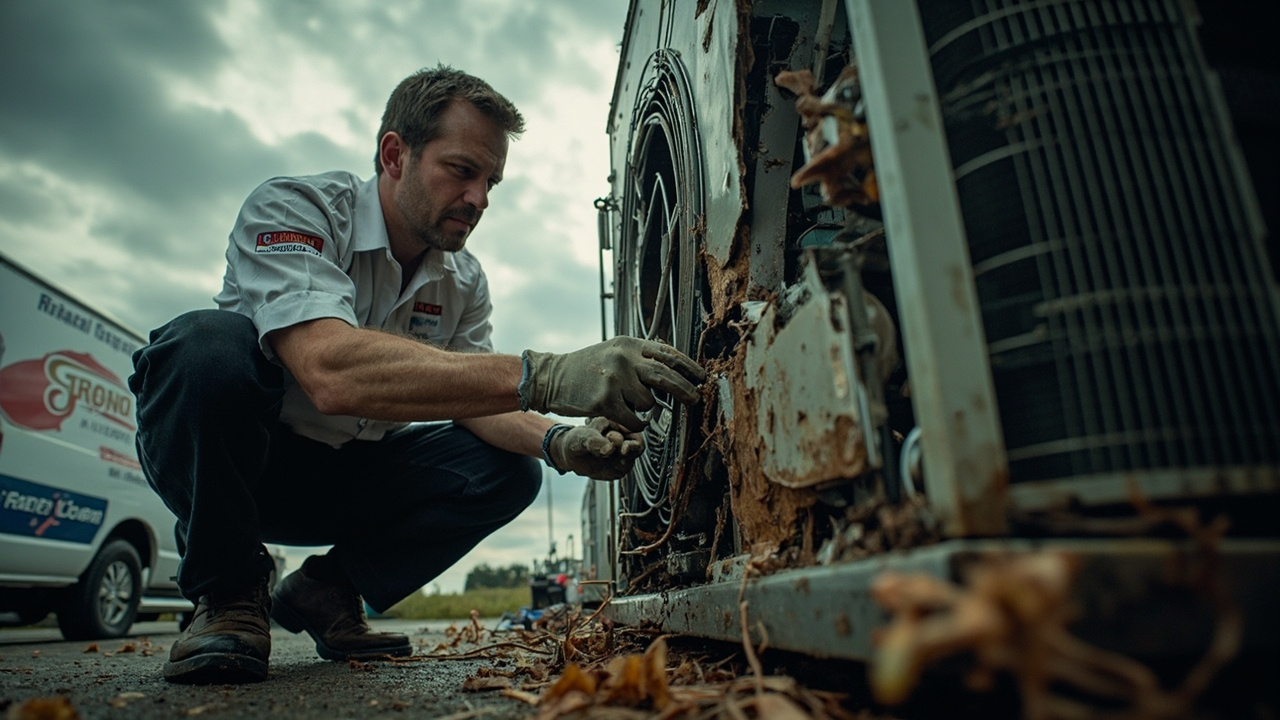
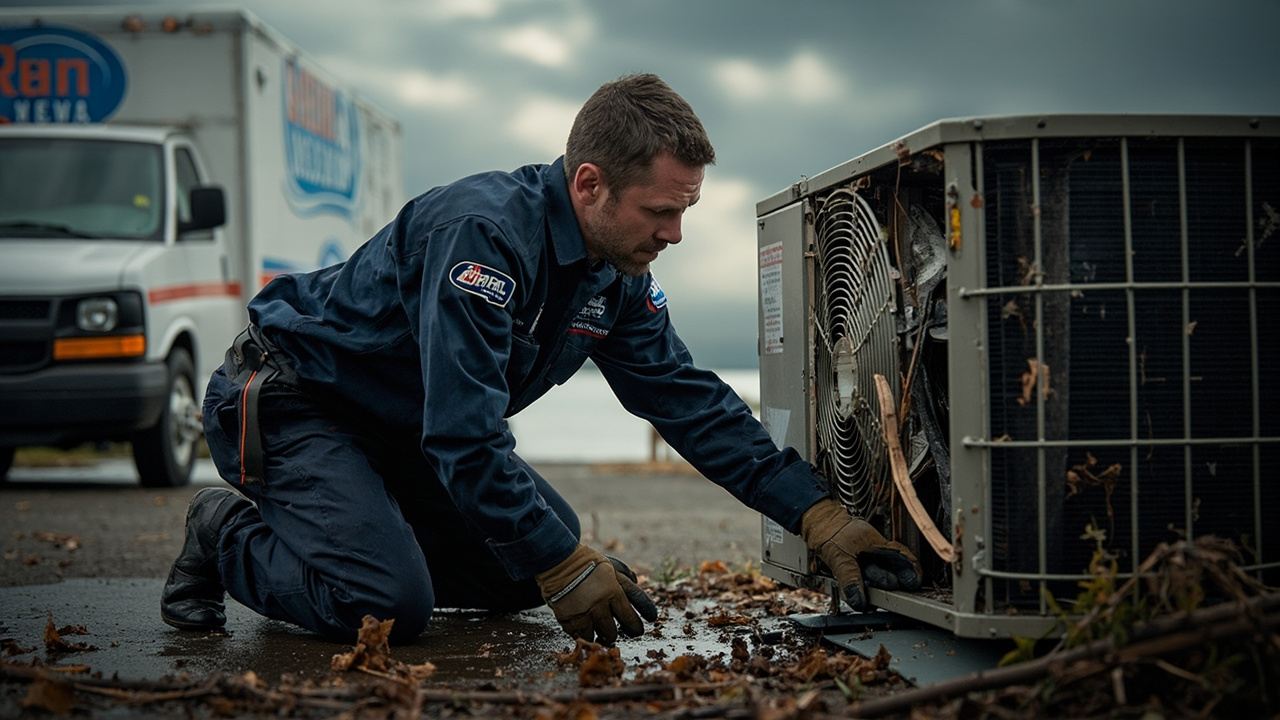
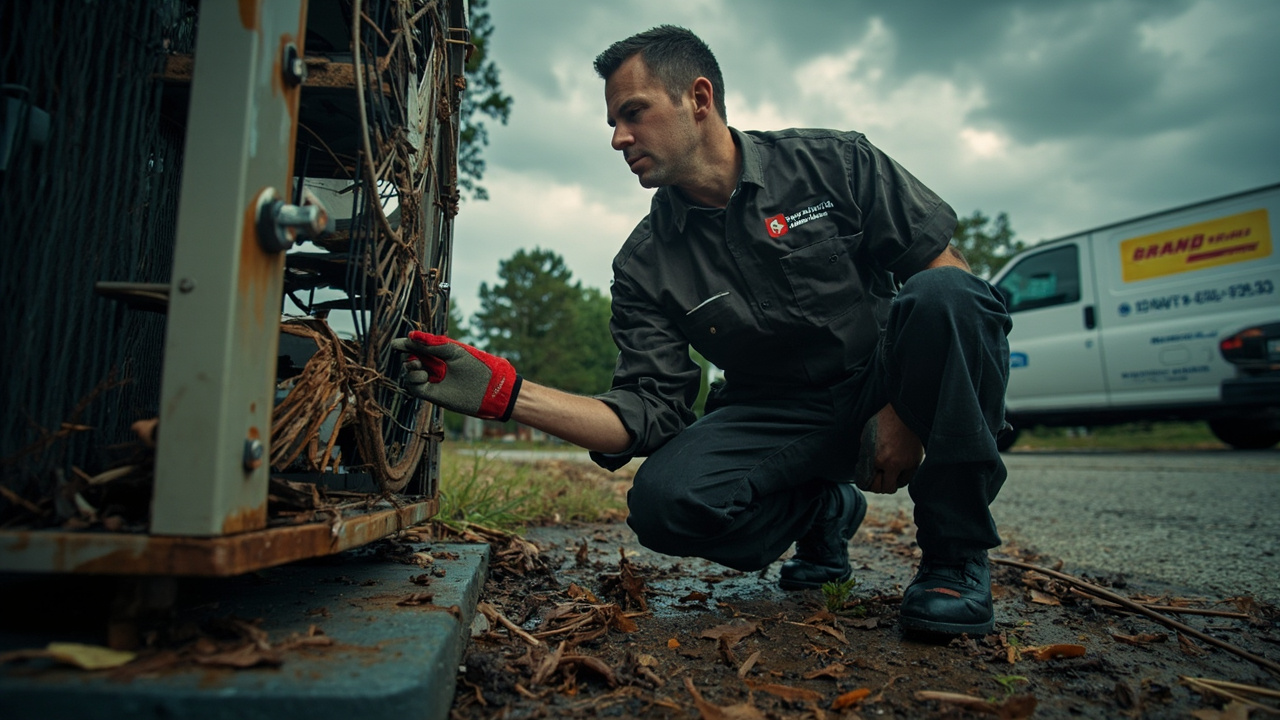
Columbus sits in the heart of Tornado Alley, where severe thunderstorms, damaging hail, and straight-line winds create perfect conditions for HVAC destruction. When a storm rolls through neighborhoods like German Village or the Short North, outdoor condensers take direct hits from flying debris, hail punctures refrigerant lines, and wind-driven rain floods electrical components.

Your storm damaged AC unit repair needs immediate attention. Water intrusion corrodes control boards within 48 hours. Refrigerant leaks compound every hour you wait. Bent condenser fins restrict airflow, forcing your compressor to work harder until it burns out completely.

Columbus's humid climate makes emergency HVAC storm repair even more critical. A disabled air conditioning system during summer months creates dangerous indoor temperatures for vulnerable family members. In winter, heating system damage exposes your pipes to freezing, adding plumbing disasters to your storm recovery burden.

Hail damage often goes unnoticed until your system stops cooling. Dents in condenser coils reduce efficiency by 30 percent or more. Electrical storms surge through your thermostat and circuit boards, creating hidden damage that manifests days later as complete system failure.

The clock starts ticking the moment wind or hail impacts your equipment. HVAC storm restoration services must begin before moisture penetration, before refrigerant loss becomes total, and before secondary damage transforms a repairable system into a complete replacement scenario.

Columbus Storm Damage Leaves HVAC Systems Vulnerable to Catastrophic Failure
Our Emergency Storm Damage Protocol Stops the Deterioration Immediately

Our Emergency Storm Damage Protocol Stops the Deterioration Immediately

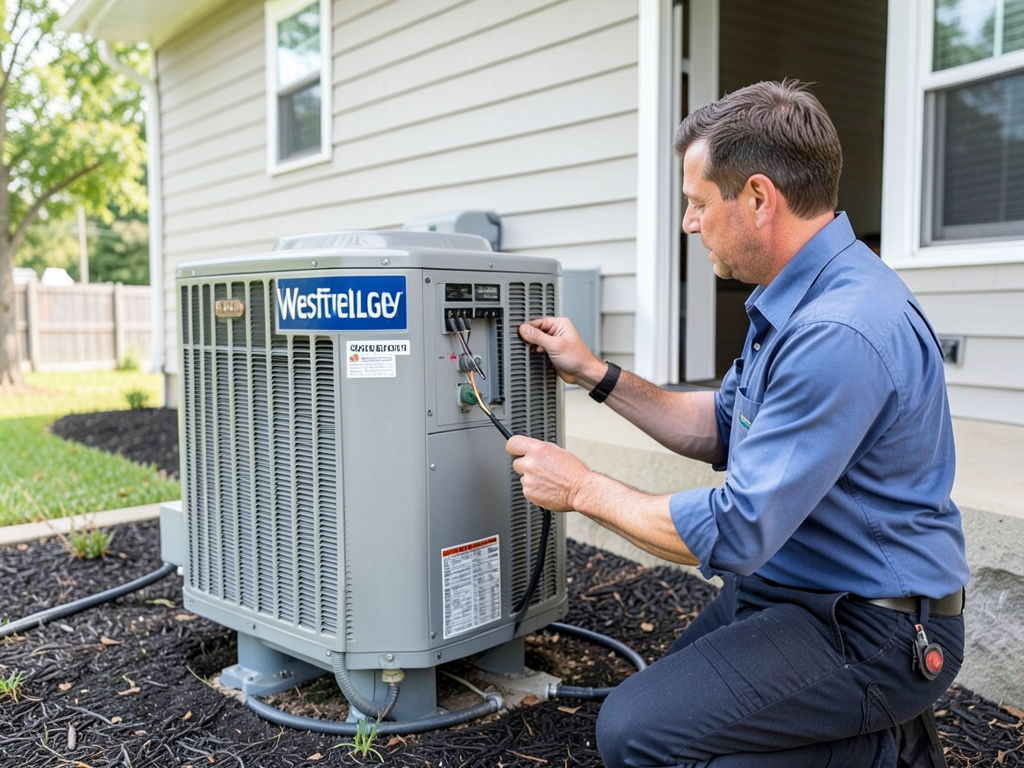
Grand HVAC Columbus mobilizes heating and cooling storm damage repair teams the moment weather conditions allow safe travel. Our technicians arrive with emergency tarps, replacement refrigerant, spare control boards, and diagnostic equipment designed for field assessment under adverse conditions.

We perform triage on your system before moving equipment. Is the compressor seized or just electrically isolated? Are refrigerant lines kinked or completely severed? Is the condensate pump flooded or can it be salvaged? These decisions happen on-site, in real time, while you watch.

Our fix storm damaged HVAC system methodology follows a strict damage hierarchy. We secure the refrigerant circuit first, preventing total loss of expensive R-410A refrigerant. We isolate electrical components from ongoing moisture exposure. We document every impact point with photographs for your insurance adjuster.

For storm damaged units with repairable damage, we replace bent fins using specialized straightening tools, swap out punctured coils, and install new contactors or capacitors destroyed by electrical surge. When condenser housings are crushed beyond repair, we extract the compressor and evaluate whether a retrofit installation makes economic sense versus full replacement.

Columbus building codes require specific wind load ratings for outdoor equipment. We verify your replacement unit meets current standards, even if your original installation predates the requirement. Our technicians pull permits when structural repairs involve concrete pads or elevated platforms damaged by storm debris impact.

You receive a written assessment within two hours of our arrival, outlining repairable damage, replacement requirements, and a timeline for restoring your climate control system.

What Happens During Emergency Storm HVAC Restoration

Storm Damage HVAC Repair in Columbus – 24/7 Emergency Response When Every Minute Counts
01

Immediate Safety Assessment

Our technician shuts down all power to your HVAC system before approaching damaged equipment. We check for gas leaks if you have a furnace, inspect for live electrical wires exposed by torn conduit, and verify structural stability of mounting platforms before beginning diagnostic work. Your safety and ours comes before any repair consideration.
02

Damage Documentation and Containment

We photograph every impact point, measure refrigerant pressure levels, and test electrical continuity across all major components. Damaged refrigerant lines get capped immediately to prevent total system loss. Water intrusion points receive temporary sealing to stop ongoing electrical damage. You receive a detailed damage report formatted for insurance claims within 24 hours of our emergency visit.
03

Repair or Replace Decision

Based on component damage severity and your system age, we present clear options with cost implications for each path. Minor hail damage gets repaired on-site. Catastrophic condenser destruction requires replacement. We explain how insurance depreciation affects your out-of-pocket expense and provide financing options if your deductible exceeds your available funds.

Why Columbus Residents Call Grand HVAC Columbus First After Storm Damage

Columbus experiences an average of 45 severe thunderstorm days annually, with peak damage occurring between April and September. Our technicians understand how sudden temperature drops stress already damaged heat exchangers and how Columbus's clay soil shifts concrete pads supporting outdoor units, compounding storm impact damage.

We maintain relationships with every major insurance carrier operating in Franklin County. Our documentation meets Nationwide, State Farm, and Allstate requirements without supplemental information requests that delay your claim. We speak the language adjusters understand, translating compressor scroll damage and evaporator coil punctures into covered loss categories.

Grand HVAC Columbus stocks emergency inventory specifically for storm response. When a severe weather outbreak impacts the Clintonville or Worthington areas, we have replacement condensers, control boards, and refrigerant supplies staged for immediate deployment. You don't wait three weeks for backordered parts while summer heat builds inside your home.

Our technicians carry EPA Section 608 certification for refrigerant recovery, required by federal law before opening any cooling system. We pull Columbus building permits when storm damage requires structural repairs to equipment mounting, ensuring your insurance claim doesn't face denial due to unpermitted work.

Local expertise matters when storm damage assessment determines whether your 12-year-old system gets repaired or replaced. We know which Columbus neighborhoods face higher wind exposure, understand how the Scioto River corridor funnels severe weather, and recognize damage patterns specific to our region's storm characteristics.

You need someone who answers the phone at 2 a.m. when your family faces dangerous heat after storm damage. We maintain that availability because Columbus weather doesn't respect business hours.

What You Can Expect When You Call for Emergency Storm HVAC Repair

Response Time and Availability

Grand HVAC Columbus dispatches emergency storm damage technicians within two hours of your call during severe weather events. We operate 24 hours daily, including weekends and holidays, because storm damage doesn't wait for Monday morning. Our dispatcher provides an estimated arrival window and your technician's direct mobile number so you can track their approach to your location. If weather conditions prevent safe travel, we communicate realistic timelines instead of making promises we can't keep. You receive priority scheduling based on vulnerability factors like age of household members, medical equipment dependence, and severity of indoor temperature extremes.

Initial Assessment and Diagnosis

Your technician performs a comprehensive evaluation of storm damage impact on every HVAC component, from outdoor condenser to indoor air handler. We use refrigerant pressure gauges, electrical multimeters, and thermal imaging cameras to identify hidden damage not visible through standard inspection. You receive a verbal explanation of findings in plain language, followed by a written assessment detailing repairable damage, necessary replacements, and total system prognosis. We discuss insurance coverage implications and provide repair versus replacement cost comparisons before you commit to any work authorization. This assessment typically requires 45 to 90 minutes depending on damage complexity.

Restoration Quality and Standards

Grand HVAC Columbus restores your storm damaged system to pre-loss operating condition using manufacturer-specified replacement parts, not aftermarket substitutes that void remaining equipment warranties. Our technicians perform refrigerant evacuation and recharge by weight, not pressure, ensuring precise system charge critical for efficiency and longevity. We verify airflow measurements, temperature differential across coils, and electrical draw on all motors before signing off on completed repairs. Your restored system meets or exceeds manufacturer specifications, and we provide documentation proving compliance for insurance claim finalization. Emergency repairs maintain the same quality standards as scheduled installations.

Follow-Up and System Monitoring

We schedule a follow-up inspection 30 days after emergency storm damage repair to verify system performance under normal operating conditions. This second evaluation catches delayed failures caused by storm impact that weren't immediately apparent during emergency restoration. You receive a written report confirming your HVAC system operates within normal parameters or identifying additional concerns requiring attention. Grand HVAC Columbus stands behind emergency storm repairs with the same commitment we apply to planned installations. We maintain detailed service records of your storm damage event, creating a baseline for future maintenance and providing documentation if subsequent weather events cause additional damage.

Frequently Asked Questions

You Have Questions,
We Have Answers

What is the $5000 rule for HVAC? +

The $5000 rule is a quick guideline for deciding whether to repair or replace your HVAC system. Multiply the repair cost by the age of your unit. If that number exceeds $5000, replacement makes more financial sense than repair. For example, a $500 repair on a 12-year-old system equals $6000, signaling replacement time. In Columbus, where humidity and temperature swings stress aging units, this rule helps you avoid throwing money at a failing system. After severe storm damage, this calculation becomes critical. Get a full assessment before deciding.

Does insurance cover HVAC damage? +

Yes, homeowners insurance typically covers HVAC damage caused by sudden, unexpected events like storms, fallen trees, or lightning strikes. However, coverage excludes neglect or normal wear and tear. In Columbus, where severe thunderstorms and high winds can damage outdoor condenser units, document everything immediately. Take photos, note the date, and call your insurer within 24 hours. Your policy may cover the unit replacement and emergency repairs. Always review your deductible and coverage limits. If storm damage knocked out your system, file quickly and get a professional assessment to support your claim.

What is the 3 minute rule for AC? +

The 3-minute rule prevents compressor damage after your AC shuts off. When your system cycles off, refrigerant pressure needs three minutes to equalize before the compressor restarts. Starting too soon forces the compressor to work against high pressure, causing strain and potential failure. Modern thermostats have built-in delay timers to enforce this. If you lose power during a Columbus storm and it flickers back on quickly, your system should protect itself. However, repeated rapid cycling from unstable power can damage the compressor. After storm-related power issues, have your system checked for electrical damage.

How much does it cost to fix an HVAC system? +

HVAC repair costs vary widely based on the problem. Minor fixes like capacitor replacement run a few hundred dollars, while compressor replacement can reach several thousand. In Columbus, storm damage repairs depend on what failed. A damaged condenser fan costs less than a lightning-fried control board or flooded air handler. Emergency service calls cost more than scheduled visits. The age of your system matters too. Older units need harder-to-find parts. Get multiple quotes after storm damage. A thorough diagnostic prevents surprise costs and identifies hidden damage from power surges or water intrusion.

How to claim HVAC tax credit 2025? +

The 2025 federal tax credit covers up to 30% of qualifying energy-efficient HVAC equipment costs, capped at $2000 for heat pumps or $600 for high-efficiency AC units. Your system must meet ENERGY STAR requirements. After storm damage forces replacement, you might qualify if you upgrade to an efficient model. Keep all receipts and manufacturer certifications. File IRS Form 5695 with your return. Columbus homeowners replacing storm-damaged systems should ask contractors about qualifying equipment. Combine insurance payouts with tax credits to offset replacement costs. Consult a tax professional for your specific situation.

What is the average lifespan of an HVAC? +

HVAC systems last 15 to 20 years with proper maintenance. Central AC units average 15 years, while furnaces reach 20. In Columbus, high humidity summers and cold winters force your system to work harder, potentially shortening lifespan. Storm damage can instantly end a unit's life or accelerate decline through hidden electrical damage. If your system is over 10 years old and suffers storm damage, replacement often beats repair. Age affects efficiency too. Older damaged units consume more energy even after repair. After severe weather hits Columbus, assess both immediate damage and remaining service life before deciding.

What are three things that are not covered by homeowners insurance? +

Homeowners insurance excludes flood damage, normal wear and tear, and maintenance neglect. If your basement HVAC system floods during heavy Columbus rains from overwhelmed storm drains, standard policies will not cover it. You need separate flood insurance. Insurance will not pay for a compressor that fails from age or a refrigerant leak from poor maintenance. However, if a storm topples a tree onto your condenser, that is covered. The distinction matters after severe weather. Document everything and understand your policy limits before filing. Storm damage is covered, but chronic problems are not.

How much does it cost to fix a leak in your AC system? +

AC refrigerant leak repairs range from a few hundred dollars for accessible line repairs to over a thousand for evaporator coil leaks. Costs include finding the leak, repairing it, and recharging the system. In Columbus, where ground settling and freeze-thaw cycles stress refrigerant lines, leaks happen. Storm damage can puncture lines or loosen connections. Small leaks in outdoor units cost less than indoor coil repairs requiring air handler disassembly. After storms, check for visible damage to copper lines. Get immediate repair because leaking refrigerant harms the environment and running low refrigerant damages your compressor.

What two events are not covered under homeowners insurance? +

Homeowners insurance does not cover floods or earthquakes. These require separate policies. In Columbus, flooding from heavy spring rains or Scioto River overflow can damage ground-level HVAC equipment, but standard policies exclude this. Earthquake coverage matters less here than flood protection. If storm surge or rising water damages your system, you need flood insurance. However, wind-driven rain through storm-damaged roofs or walls typically qualifies as storm damage under standard policies. Understand the difference before disaster strikes. After severe Columbus weather, verify what caused your HVAC damage to determine coverage eligibility.

How cool should my house be if it's 100 outside? +

When outdoor temperatures hit 100 degrees, your AC should keep your home around 75 to 80 degrees. Most systems can cool 15 to 20 degrees below outside temperature. In Columbus, where July heat waves combine with high humidity, expecting 70 degrees inside stresses your system. If your home will not cool adequately during extreme heat after a storm, you might have hidden damage. Refrigerant loss, damaged compressor, or electrical issues reduce cooling capacity. Do not run your thermostat below 70 degrees, which risks freezing your coil. After storm damage, poor cooling performance signals the need for immediate professional inspection.

Why Columbus Storm Patterns Make HVAC Vulnerability a Year-Round Concern

Columbus sits at the intersection of multiple weather systems, where Great Lakes moisture meets southern warm fronts, creating explosive thunderstorm development from March through November. The city averages 38 inches of annual precipitation, much arriving through intense storm cells that produce damaging straight-line winds, large hail, and frequent lightning strikes. Your outdoor HVAC condenser sits exposed to these impacts, and Columbus's flat terrain provides no natural windbreak protection for residential equipment. Emergency HVAC storm repair becomes critical because the same humid air mass that fuels severe weather accelerates corrosion and mold growth inside disabled climate control systems.

Grand HVAC Columbus operates with deep understanding of Franklin County building codes, Columbus electrical permit requirements, and insurance claim procedures specific to Ohio storm damage restoration. We work directly with local adjusters who recognize our documentation standards, reducing your claim processing time and minimizing out-of-pocket expenses when storm damage requires extensive HVAC system repair. Our technicians live in Columbus neighborhoods from Bexley to Upper Arlington, responding from local addresses instead of distant service territories. This community connection means we understand which insurance carriers serve your area, which local suppliers stock emergency replacement components, and how Columbus permitting offices handle expedited approvals for storm damage reconstruction projects.

HVAC Services in The Columbus Area

Grand HVAC Columbus is proud to serve the entire Columbus area and surrounding communities. We are committed to being a local, dependable resource for all your heating and cooling needs. Our convenient location ensures that we can respond quickly and efficiently to service calls, whether you're a residential or commercial client. We invite you to view our service area on the map to see how we can bring our expert HVAC solutions right to your doorstep.

Address:
Grand HVAC Columbus, 420 E 5th Ave, Columbus, OH, 43201

Additional Services We Offer

Our news updates

Latest Articles & News from The Blogs

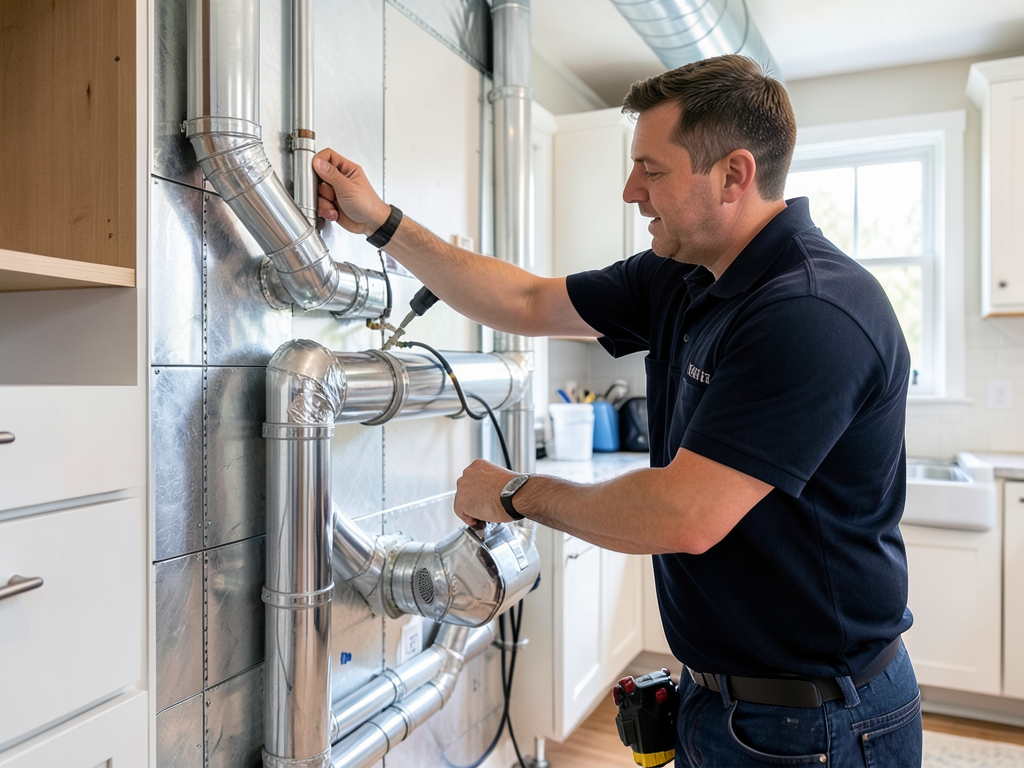
Moving Your Air Vents During a Major Kitchen Renovation in Upper Arlington Planning to move walls and reconfigure your kitchen…

Moving Your Air Vents During a Major Kitchen Renovation in Upper Arlington

Moving Your Air Vents During a Major Kitchen Renovation in Upper Arlington Planning to move walls and reconfigure your kitchen…

The Landlord Guide to Low Maintenance HVAC in the University District

The Landlord Guide to Low Maintenance HVAC in the University District \n\n Managing rental properties in Columbus’s University District comes…

Why Westerville Homeowners are Looking into Solar Ready HVAC Systems

Why Westerville Homeowners are Looking into Solar Ready HVAC Systems Westerville homeowners are increasingly exploring solar-ready HVAC systems as energy…

Contact Us

Every hour your storm damaged system sits exposed accelerates deterioration and increases repair costs. Call Grand HVAC Columbus now at (380) 253-3188 for immediate dispatch of certified emergency technicians who will stabilize your system and begin restoration today.