




Menu

Air Purification Systems in Columbus – Engineered Solutions for Ohio's Variable Indoor Air Quality Challenges

Grand HVAC Columbus installs and maintains whole-house air purifiers designed to combat Columbus's seasonal allergens, humidity swings, and particulate infiltration, delivering cleaner air through advanced filtration and UV technology tailored to your home's ductwork.

Slider Image 1
Slider Image 2
Slider Image 3
Slider Image 4
Slider Image 5
Slider Image 7
Slider Image 8
Slider Image 9
Slider Image 10
Slider Image 11

Why Columbus Homes Need More Than Basic Filtration

Columbus sits in a river valley where spring brings tree pollen from the Scioto corridor, summer delivers ragweed from surrounding farmland, and winter forces you to seal your home against Lake Erie's cold fronts. When you shut those windows, you trap everything inside: cooking particulates, pet dander, volatile organic compounds from furniture, and moisture that breeds mold spores in crawlspaces common to Columbus's mixed-foundation architecture.

Your standard one-inch furnace filter catches large debris. It does nothing for sub-micron particles, allergens, or biological contaminants. That thin fiberglass barrier cannot handle the dense allergen load generated in Ohio's humid summers or the recirculated stale air of our freeze-thaw winters. You smell mustiness in the basement, notice dust accumulating within days of cleaning, or suffer respiratory symptoms that improve when you leave the house.

Columbus's clay soil creates foundation settlement, which cracks basement walls and allows soil gases and particulates to infiltrate homes built before modern vapor barrier requirements. Neighborhoods near downtown, like German Village and Victorian Village, feature older homes with forced-air retrofits where duct leakage compounds the problem. Homes near I-70 and I-71 corridor intersections pull highway particulates through ventilation systems during peak traffic hours.

Central air cleaners and whole-house air purifiers integrate directly into your HVAC system, filtering every cubic foot of air that cycles through your home. HEPA-grade air filtration systems capture particles down to 0.3 microns. UV air purification systems neutralize mold, bacteria, and viruses in the ductwork. These air cleaning systems work continuously, not just when you remember to turn on a portable unit.

You need a solution that addresses Columbus-specific air quality challenges at the source.

Why Columbus Homes Need More Than Basic Filtration
How Professional Air Purification Systems Actually Work

How Professional Air Purification Systems Actually Work

Effective air purification requires integration with your existing HVAC infrastructure, not a standalone box that filters one room. Grand HVAC Columbus performs a load calculation on your home's square footage, ceiling height, and air exchange rate to determine the correct CADR rating and filtration capacity your home requires. We measure static pressure in your ductwork to ensure that adding a high-efficiency filter or electronic air cleaner will not restrict airflow and damage your blower motor.

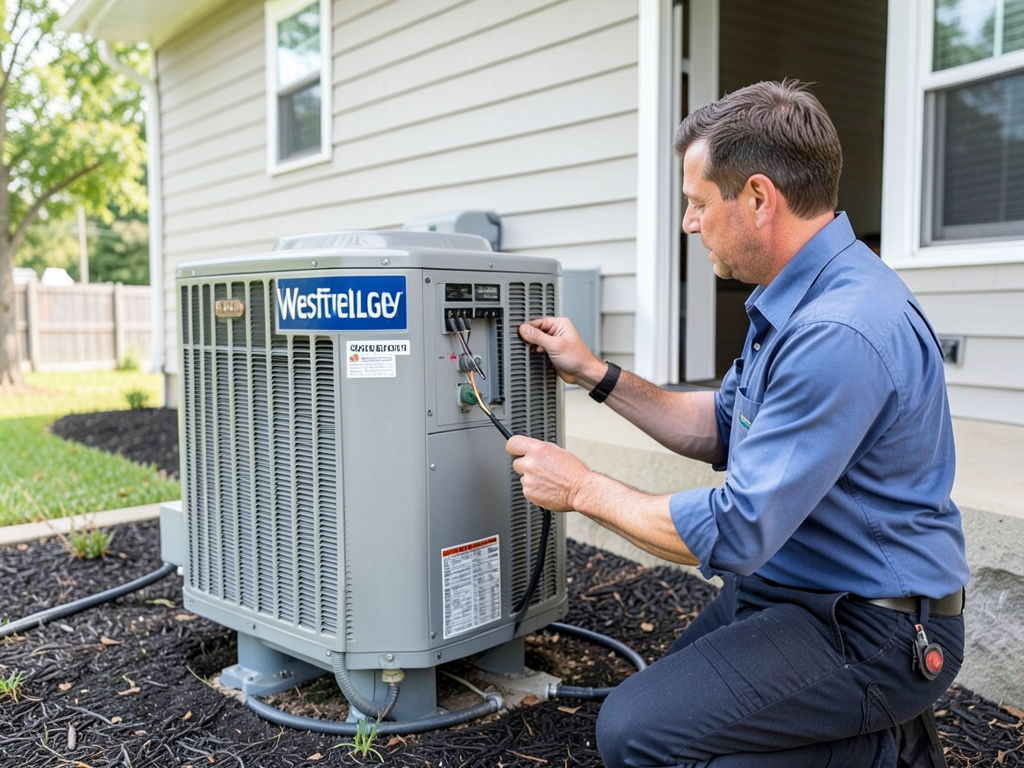
We install HVAC air purifiers directly into the return plenum or supply trunk, positioning them where they filter 100 percent of circulated air. Media air cleaners use accordion-folded filters with surface areas up to 75 times larger than standard filters, capturing particles through mechanical filtration without creating excessive pressure drop. Electronic air cleaners use ionization to charge particles, then collect them on oppositely charged plates you wash monthly instead of replacing.

UV air purification systems mount inside the ductwork near the evaporator coil, where moisture accumulates. The UV-C light disrupts microbial DNA, preventing mold and bacteria growth on the coil surface and in drain pans. This matters in Columbus because our 70-80 percent summer humidity creates perfect mold conditions inside air handlers.

Whole-house air purifiers require proper sizing to your blower CFM rating. Undersized systems cannot keep up with air circulation. Oversized systems create pressure imbalances that cause whistling at registers and premature blower failure. We use manometers to measure pre- and post-installation static pressure, keeping it within manufacturer specifications to protect your furnace or air handler warranty.

We integrate the system with your thermostat or install dedicated controls that let you adjust purification intensity based on occupancy, cooking, or seasonal allergen loads. The system runs automatically whenever your blower cycles, whether in heating, cooling, or fan-only mode.

This is engineering, not guesswork.

What Happens During Your Air Purification System Installation

Air Purification Systems in Columbus – Engineered Solutions for Ohio's Variable Indoor Air Quality Challenges
01

System Assessment and Sizing

We inspect your existing HVAC equipment, measure ductwork dimensions, and calculate airflow capacity using your blower specifications. We check for duct leakage, inadequate returns, and existing filter rack compatibility. We test static pressure at the blower cabinet to establish baseline performance. You receive a written recommendation identifying which air cleaning system matches your equipment capacity, your specific contaminant concerns, and your home's architectural limitations.
02

Installation and Integration

We cut and modify ductwork to mount the air purification unit in the optimal location for airflow and maintenance access. We run electrical connections to power electronic air cleaners or UV lamps, following NEC code for junction box placement. We seal all duct penetrations with mastic and verify no bypass airflow. We install any required mounting rails, brackets, or access panels. We integrate control wiring with your thermostat or install standalone controls where needed.
03

Testing and Performance Verification

We measure post-installation static pressure to confirm it remains within acceptable limits. We verify proper UV lamp operation using a UV detection card. We run the system through all operational modes, checking for unusual sounds, vibrations, or airflow restrictions at registers. We explain filter replacement intervals, cleaning procedures for electronic cells, and UV lamp replacement schedules. You receive documentation showing airflow data, warranty information, and a maintenance timeline.

Why Columbus Homeowners Choose Grand HVAC Columbus for Air Cleaning Systems

Columbus's building stock spans 150 years. You find balloon-framed homes in Clintonville with knob-and-tube wiring, mid-century ranches in Upper Arlington with undersized ductwork, and newer construction in New Albany with builder-grade HVAC systems. Installing air filtration systems in this variety requires understanding structural limitations, electrical capacity, and equipment compatibility across decades of HVAC evolution.

We have worked in homes where the only return duct is a floor grate cut into the furnace room ceiling. We have retrofitted systems into crawlspaces 24 inches high where you cannot stand upright. We know which Columbus neighborhoods have asbestos-wrapped ductwork requiring abatement before modification. We understand local code requirements for electrical disconnects and proper grounding on UV systems.

Grand HVAC Columbus does not sell you the most expensive system. We recommend what your home can physically support. If your blower cannot handle a high-efficiency media filter without restrictive airflow, we tell you. If your electrical panel lacks capacity for an electronic air cleaner, we explain your options. If your duct layout creates dead zones where purified air never reaches bedrooms, we identify the problem before installation.

We source equipment from manufacturers who provide local technical support and honor warranties without requiring you to ship components across the country. We stock replacement filters and UV lamps for the systems we install, so you do not wait three weeks for mail-order parts. We maintain service records that track filter change intervals and lamp replacement dates, sending you reminders before performance degrades.

You get straight answers about what works in Columbus homes. We have installed whole-house air purifiers in German Village brick townhomes where ductwork runs through party walls shared with neighbors. We have integrated systems into historic homes in Grandview Heights where we cannot penetrate exterior walls without historical commission approval. We know the difference between what marketing materials promise and what your home's HVAC system can actually deliver.

This is local expertise that comes from working in hundreds of Columbus homes with different challenges.

What to Expect from Your Air Purification System Installation

Installation Timeline

Most installations take four to six hours, depending on accessibility and ductwork modifications required. We arrive with all necessary components, sheet metal, electrical supplies, and testing equipment. We protect flooring and work areas, contain metal shavings and insulation debris, and vacuum thoroughly after completion. If we discover unexpected complications like asbestos duct wrap or inadequate electrical capacity, we stop work and present you with options before proceeding. You receive a detailed timeline at the start and updates if delays occur.

Pre-Installation Evaluation

We inspect your attic, basement, or crawlspace where ductwork runs to identify the best mounting location. We measure existing filter rack dimensions and check for compatible sizing. We verify your blower motor specifications against the static pressure requirements of different air purification systems. We photograph existing conditions and explain any limitations created by tight spaces, low clearances, or structural obstacles. You understand exactly what modifications are necessary before we start cutting ductwork or running electrical lines.

System Performance

Properly installed air cleaning systems operate silently. You should not hear humming from electronic air cleaners or notice airflow changes at registers. You will see less dust accumulation on furniture, reduced allergen symptoms, and elimination of musty odors from basements or crawlspaces. HEPA-grade filters capture visible particles within the first week. UV systems eliminate mold smell within days as they sterilize growth on evaporator coils. Performance is measurable, not subjective.

Maintenance Requirements

Media air cleaners require filter replacement every 6 to 12 months, depending on your home's particulate load and system runtime. Electronic air cleaners need monthly washing of collection plates in a dishwasher or with a garden hose. UV lamps degrade over 12 to 24 months and require replacement even if they still glow. We provide maintenance schedules specific to your installed system and send reminders before service is due. You can perform basic maintenance yourself or schedule annual service visits where we handle all cleaning, lamp replacement, and performance testing.

Frequently Asked Questions

You Have Questions,
We Have Answers

What is the best home air purifying system? +

The best home air purifying system depends on your specific needs. HEPA filters remove 99.97% of airborne particles like pollen and dust, critical for Columbus residents dealing with Ohio River Valley allergens. Whole-home systems integrate with your HVAC to treat every room, while portable units target problem areas. For Columbus homes with basement moisture issues, look for models with activated carbon to handle mold spores and musty odors. UV-C light options kill bacteria and viruses. Size matters. Match the unit's coverage area to your square footage. Professional installation ensures proper airflow and filter placement.

Is there a downside to air purifiers? +

Yes. Poorly maintained air purifiers can redistribute trapped pollutants back into your home. Filters require regular replacement, usually every 3-6 months in Columbus due to seasonal pollen loads and humidity. Ozone generators, sometimes marketed as purifiers, can irritate lungs and worsen asthma. They are not safe for occupied spaces. Undersized units waste energy without improving air quality. Noise levels from high-speed fans can disrupt sleep. Units placed incorrectly block airflow and reduce effectiveness. Budget models with cheap filters may release particles during operation. Choose HEPA-certified systems and commit to maintenance schedules.

Do air purifying machines really work? +

Yes, when properly sized and maintained. Clinical studies show HEPA filtration removes allergens, pet dander, and smoke particles that trigger respiratory issues. In Columbus, where seasonal allergies peak spring and fall, air purifiers measurably reduce indoor pollen counts. They capture mold spores common in Ohio's humid summers. Carbon filters absorb odors and volatile organic compounds from household products. However, they cannot remove gases like carbon monoxide or radon. They work best as part of a strategy that includes proper ventilation and humidity control. Effectiveness drops sharply if you skip filter changes or run an underpowered unit.

What is an air purification system? +

An air purification system removes contaminants from indoor air using filtration, UV light, or ionization technology. Whole-home systems integrate with your existing HVAC ductwork to treat air throughout your house. Portable units clean single rooms. HEPA filters trap particles as small as 0.3 microns, including dust, pollen, and bacteria. Activated carbon filters absorb odors and chemical vapors. UV-C systems kill airborne pathogens. In Columbus, where humidity breeds mold and pollen counts spike seasonally, these systems reduce allergens and improve breathing comfort. They supplement your HVAC filter, not replace it, providing an additional layer of defense.

What to avoid when buying an air purifier? +

Avoid ozone generators marketed as air purifiers. Ozone irritates lungs and worsens asthma. Skip models without true HEPA certification, as generic filters lack proven effectiveness. Do not buy undersized units. Check the Clean Air Delivery Rate (CADR) rating and match it to your room size. In Columbus homes with forced-air heating, avoid portable units that cannot integrate with existing ductwork if you need whole-home coverage. Watch for high filter replacement costs that inflate long-term ownership expenses. Ignore vague claims like "hospital-grade" without HEPA certification. Steer clear of units with reported reliability issues or poor customer support.

Which air purifier do doctors recommend? +

Doctors typically recommend HEPA-certified air purifiers for patients with allergies, asthma, or respiratory conditions. Medical-grade HEPA filters capture 99.97% of particles at 0.3 microns, removing pollen, dust mites, and pet dander that trigger symptoms. For Columbus residents dealing with Ohio Valley allergens and seasonal mold, pulmonologists often suggest whole-home HEPA systems or portable units with activated carbon for odor control. UV-C models receive endorsements for killing airborne viruses and bacteria. Avoid ionizers and ozone generators, which medical professionals warn can irritate airways. Look for units certified by AHAM (Association of Home Appliance Manufacturers) for verified performance.

What are signs you need an air purifier? +

You need an air purifier if you wake with congestion, sneezing, or itchy eyes. Visible dust accumulation on surfaces within days of cleaning signals poor air quality. Persistent musty odors, common in Columbus basements due to humidity, indicate mold spores circulating. Pet owners notice reduced dander with purifiers. If family members have asthma or allergies that worsen indoors, filtration helps. Smokers or homes near traffic see improvement in air clarity. Frequent respiratory infections suggest airborne pathogen exposure. During Columbus pollen season (spring and fall), symptoms intensify without filtration. New construction or renovations release volatile organic compounds that purifiers capture.

Is it okay to sleep with an air purifier on all night? +

Yes, it is safe and beneficial to run an air purifier all night. Continuous operation provides consistent filtration, removing allergens and pollutants while you sleep. This is especially helpful in Columbus during high pollen seasons when windows stay closed and air stagnates. Most modern units operate quietly on low settings, producing white noise that can improve sleep quality. Running the purifier overnight ensures you breathe cleaner air during the 7-8 hours spent in your bedroom. Units with auto mode adjust fan speed based on detected air quality. Check that filters are clean to prevent motor strain and maintain efficiency.

Is an air purifier good for your lungs? +

Yes, air purifiers benefit lung health by removing particles that irritate airways and trigger inflammation. HEPA filtration captures allergens, mold spores, and fine particulate matter linked to respiratory problems. In Columbus, where humidity breeds mold and seasonal pollen is heavy, purifiers reduce asthma and allergy symptoms. They remove smoke particles and volatile organic compounds that damage lung tissue over time. Carbon filters absorb chemical vapors from cleaning products and off-gassing furniture. However, purifiers cannot cure lung disease or replace medical treatment. They reduce exposure to irritants, giving lungs less work and improving breathing comfort for sensitive individuals.

Where is the best place to put an air purifier in your home? +

Place air purifiers in bedrooms first, where you spend 7-8 hours breathing. Position the unit 6-12 inches from walls to allow proper airflow around intake and exhaust vents. Avoid corners where air stagnates. In Columbus homes with forced-air systems, place portable units away from HVAC vents to prevent air circulation conflicts. Living rooms and home offices benefit next. Keep purifiers away from curtains or furniture that block airflow. For whole-home systems, install them in return air ducts to treat air before recirculation. Basements with moisture issues need dedicated units to combat mold spores common in Ohio's humid climate.

How Columbus's River Valley Geography Affects Indoor Air Quality and Filtration Needs

Columbus sits at the confluence of the Scioto and Olentangy rivers, creating a valley where air inversions trap pollen, vehicle emissions, and industrial particulates during spring and fall. When high pressure systems stall over central Ohio, these contaminants settle into neighborhoods along the river corridors and near downtown. Homes in Franklinton, Italian Village, and the Brewery District experience higher particulate infiltration than suburban areas with better elevation and air circulation. Columbus's humidity averages 70 percent in summer, creating conditions where dust mites and mold spores thrive indoors. Whole-house air purifiers address these geography-specific challenges by filtering recirculated air continuously, removing both allergens and moisture-loving biological contaminants before they accumulate.

Grand HVAC Columbus understands central Ohio building practices and the HVAC challenges they create. We know that homes built before 1980 in neighborhoods like Bexley and Worthington often have undersized return ductwork that limits air purification options. We work within Columbus's residential electrical codes and understand permit requirements for UV system installations. We have relationships with local supply houses, which means we get parts faster than national chain competitors who order from regional warehouses. When you choose a Columbus-based HVAC contractor for air filtration system installation, you get technicians who have worked in homes with your same foundation type, duct layout, and equipment age.

HVAC Services in The Columbus Area

Grand HVAC Columbus is proud to serve the entire Columbus area and surrounding communities. We are committed to being a local, dependable resource for all your heating and cooling needs. Our convenient location ensures that we can respond quickly and efficiently to service calls, whether you're a residential or commercial client. We invite you to view our service area on the map to see how we can bring our expert HVAC solutions right to your doorstep.

Address:
Grand HVAC Columbus, 420 E 5th Ave, Columbus, OH, 43201

Additional Services We Offer

Our news updates

Latest Articles & News from The Blogs

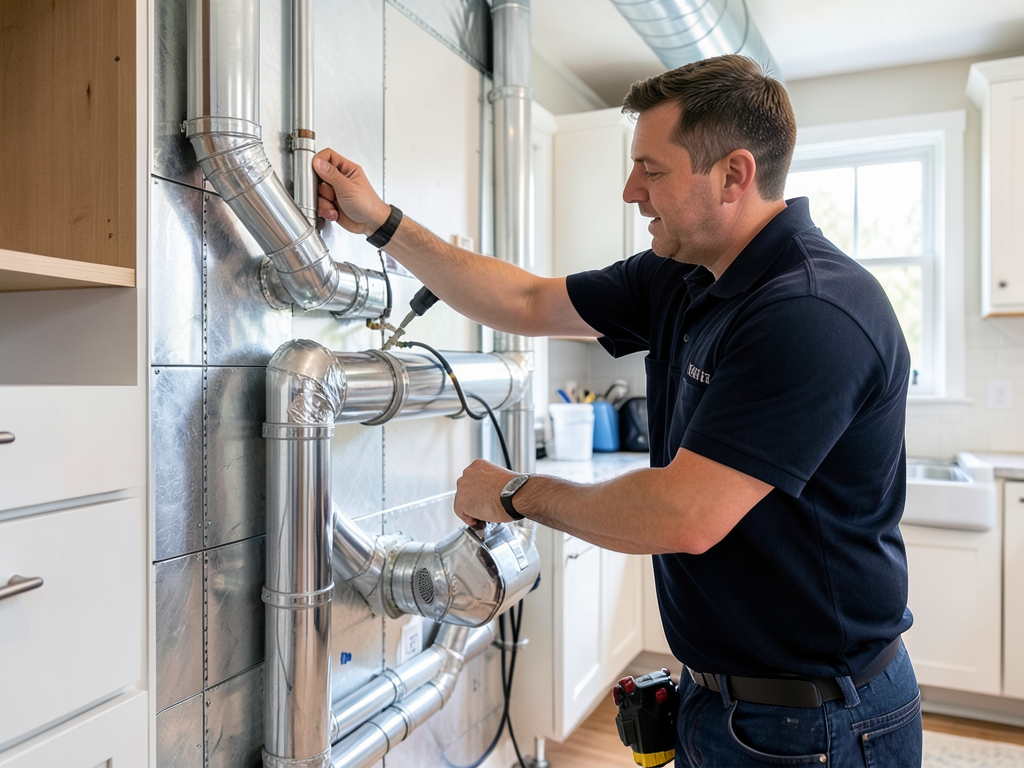
Moving Your Air Vents During a Major Kitchen Renovation in Upper Arlington Planning to move walls and reconfigure your kitchen…

Moving Your Air Vents During a Major Kitchen Renovation in Upper Arlington

Moving Your Air Vents During a Major Kitchen Renovation in Upper Arlington Planning to move walls and reconfigure your kitchen…

The Landlord Guide to Low Maintenance HVAC in the University District

The Landlord Guide to Low Maintenance HVAC in the University District \n\n Managing rental properties in Columbus’s University District comes…

Why Westerville Homeowners are Looking into Solar Ready HVAC Systems

Why Westerville Homeowners are Looking into Solar Ready HVAC Systems Westerville homeowners are increasingly exploring solar-ready HVAC systems as energy…

Contact Us

Call (380) 253-3188 to schedule your air quality assessment. Grand HVAC Columbus will evaluate your home's specific filtration needs and recommend a system that works with your existing HVAC equipment. Stop tolerating dust, allergens, and stale air.