



Menu

Commercial AC Repair in Columbus – Industrial-Grade Solutions That Keep Your Business Running

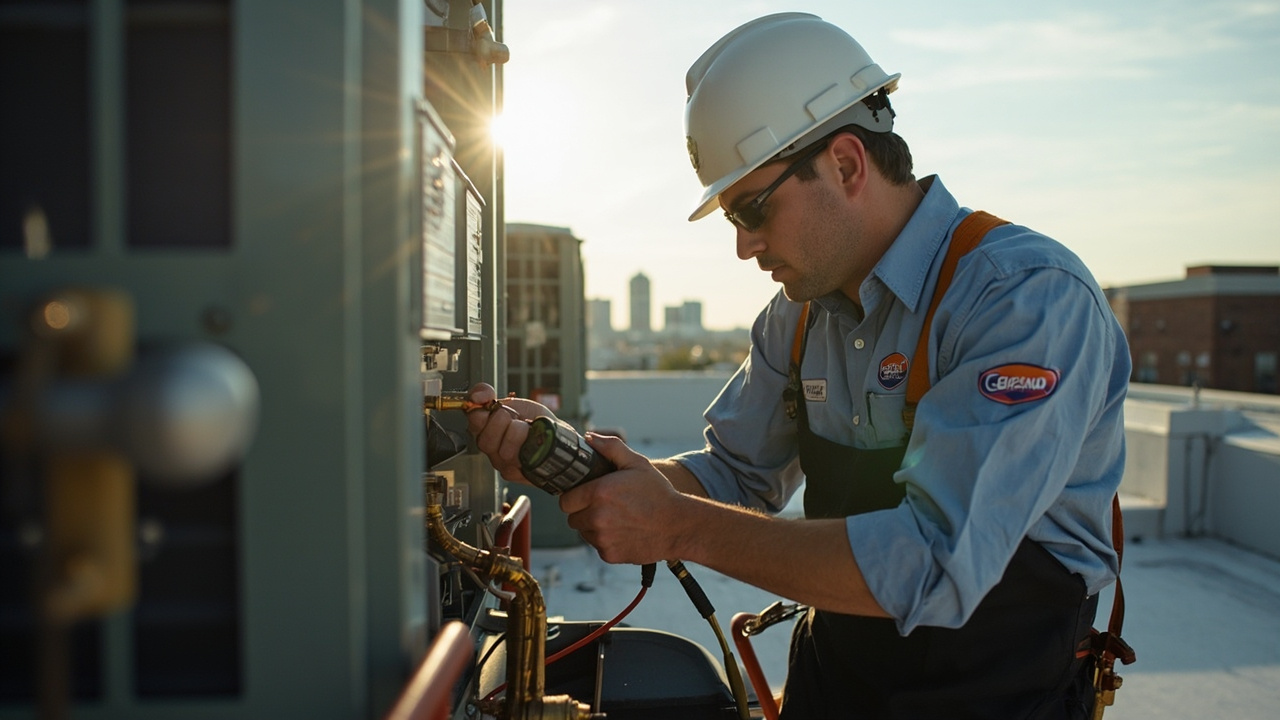
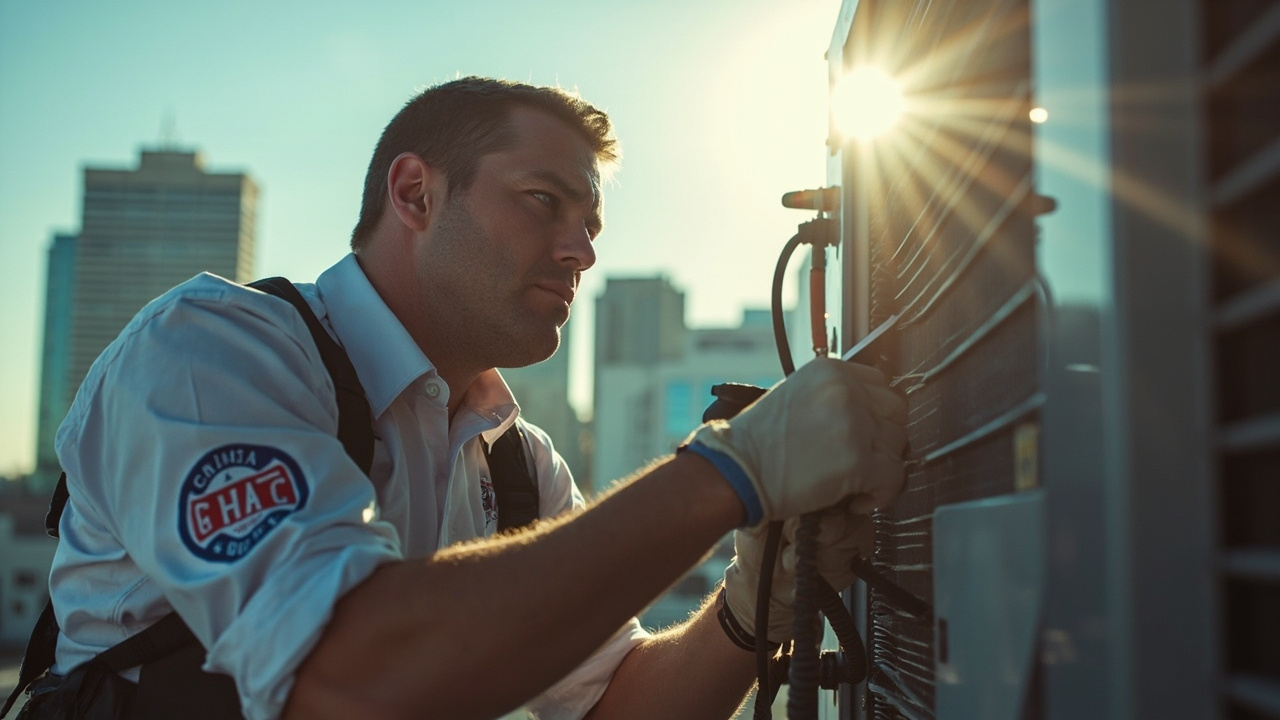
When your commercial cooling system fails, every minute of downtime costs you money. Grand HVAC Columbus delivers fast commercial AC repair with minimal business interruption, serving warehouses, office buildings, and retail spaces across the Columbus metro.

Slider Image 1
Slider Image 2
Slider Image 3
Slider Image 4
Slider Image 5
Slider Image 7
Slider Image 8
Slider Image 9
Slider Image 10
Slider Image 11

Why Commercial AC Failures in Columbus Cost More Than You Think

Columbus operates in a climate zone where summer temperatures regularly exceed 90 degrees with humidity levels that push heat indexes into dangerous territory. Your commercial cooling system does not just keep employees comfortable. It protects inventory, maintains equipment longevity, and ensures compliance with OSHA workplace temperature regulations.

When a commercial air conditioning system fails in a 15,000-square-foot retail space or a manufacturing facility, the financial impact compounds fast. Product spoilage in warehouses. Employee productivity drops by 30 percent or more in unconditioned spaces. Customer foot traffic declines when your storefront becomes unbearable.

Columbus businesses face specific challenges that residential systems never encounter. Multi-zone systems with variable refrigerant flow require diagnostic expertise beyond standard troubleshooting. Rooftop package units accumulate debris from cottonwood trees common throughout Franklin County. Commercial hvac repair demands knowledge of three-phase power systems, building automation integration, and economizer controls that optimize outside air usage during shoulder seasons.

Most commercial cooling failures stem from deferred maintenance or undersized systems pushed beyond design capacity. A failed compressor in a split system might cost a homeowner two thousand dollars. The same failure in a 20-ton rooftop unit for your office building represents a different magnitude of business disruption. Industrial ac repair requires immediate response, not next-week scheduling.

Your commercial space cannot afford extended downtime. Every hour without climate control translates to lost revenue, stressed employees, and potential code violations if your business involves food service or healthcare.

Why Commercial AC Failures in Columbus Cost More Than You Think
How Professional Commercial AC Repair Restores Business Continuity

How Professional Commercial AC Repair Restores Business Continuity

Business ac repair starts with accurate diagnosis, not guesswork. Our technicians arrive with commercial-grade diagnostic equipment including thermal imaging cameras, refrigerant analyzers, and amperage meters that identify failing components before they cause cascading system damage.

We assess the entire commercial cooling system as an integrated unit. A compressor running hot might indicate a failing condenser fan motor, restricted airflow from dirty coils, or incorrect refrigerant charge. Each component affects system performance. Band-aid repairs that address symptoms instead of root causes lead to repeat failures and extended downtime.

Commercial air conditioning repair requires understanding of building pressurization, makeup air requirements, and how your HVAC system interacts with process equipment. A restaurant kitchen exhaust system that creates negative pressure will pull conditioned air from dining spaces, forcing your AC units to work harder. A server room with inadequate cooling capacity will throttle equipment performance long before you see a temperature alarm.

Our approach prioritizes minimizing business interruption. For critical systems, we implement temporary cooling solutions while sourcing replacement components. A retail space during peak season cannot close for three days while parts ship. We maintain relationships with local supply houses and can cross-reference components to find compatible alternatives that meet manufacturer specifications.

We document every repair with detailed service reports that include thermal readings, amperage draws, and superheat/subcool measurements. This data establishes baseline performance metrics and helps facility managers plan preventive maintenance schedules. Commercial cooling systems require different service intervals than residential equipment because they operate under constant load conditions.

Your business cannot afford to treat commercial AC repair as a low-priority maintenance issue. System failures compound, and reactive repairs cost more than proactive service.

What Happens During Your Commercial AC Service Call

Commercial AC Repair in Columbus – Industrial-Grade Solutions That Keep Your Business Running
01

Immediate System Assessment

Our technician performs a complete system evaluation within the first 20 minutes. We check refrigerant pressures, measure supply and return air temperatures, inspect electrical connections, and verify control sequences. This diagnostic phase identifies whether you need a simple repair or if multiple components require attention. We explain findings in operational terms, not technical jargon, so you understand the scope and business impact before we begin work.
02

Targeted Repair Execution

We execute repairs using OEM-equivalent parts that meet or exceed original equipment specifications. Our service vehicles stock common commercial components including contactors, capacitors, fan motors, and control boards. For larger components like compressors or heat exchangers, we provide temporary cooling solutions while parts arrive. We coordinate repairs during off-hours when possible to minimize disruption to your business operations and maintain your customer-facing environment.
03

Performance Verification and Documentation

After completing repairs, we run the system through complete cooling cycles and verify all safety controls function correctly. We measure airflow at supply registers, check zone temperatures, and confirm the building automation system communicates properly with HVAC equipment. You receive a detailed service report documenting pre-repair conditions, work performed, and post-repair performance metrics. This documentation supports your facility maintenance records and helps track equipment lifecycle costs.

Why Columbus Businesses Choose Local Commercial HVAC Expertise

Commercial cooling systems in Columbus face environmental challenges that out-of-town contractors miss. Spring storms deposit pollen and organic debris that clog condenser coils faster than in drier climates. High summer humidity means your AC units work harder to dehumidify air, stressing compressors and reducing equipment lifespan.

Columbus operates under Ohio Building Code and mechanical permits through the Columbus Department of Building and Zoning Services. Commercial HVAC work that affects building pressurization or ventilation rates requires permit compliance and inspection coordination. Contractors unfamiliar with local permitting processes create delays that extend your downtime.

Grand HVAC Columbus understands the building types common throughout Franklin County. The concrete tilt-up construction popular in warehouse districts near Rickenbacker Airport creates different cooling load calculations than the brick mid-rise office buildings downtown. Historic buildings in German Village require specialized approaches when upgrading commercial cooling systems to meet modern efficiency standards without compromising architectural integrity.

We maintain response times under two hours for commercial clients because we operate from local service centers, not regional hubs in Cleveland or Cincinnati. Your business cannot afford to wait while a technician drives 90 minutes through I-70 traffic.

Our technicians receive ongoing training on commercial equipment from manufacturers including Trane, Carrier, Lennox, and York. We service packaged rooftop units, split systems, variable refrigerant flow systems, and chilled water plants. This breadth of knowledge means we can service your entire facility regardless of equipment mix.

Local expertise matters when your business depends on climate control. We understand Columbus weather patterns, building codes, and the specific commercial HVAC challenges your facility faces.

What Your Business Can Expect From Our Commercial AC Service

Rapid Response Times

We prioritize commercial cooling emergencies because we understand business continuity depends on climate control. Emergency calls receive response within two hours during business hours. After-hours emergencies get same-day response. We maintain service vehicles stocked with common commercial components so most repairs complete in a single visit. For facilities requiring immediate relief, we can deploy temporary cooling equipment while diagnosing complex system failures. Our dispatch system tracks technician locations in real-time to ensure the closest available service professional reaches your facility fast.

Comprehensive System Diagnostics

Commercial AC systems are complex networks of interdependent components. Our diagnostic process examines the entire system, not just the obviously failed part. We measure electrical loads, verify refrigerant charge, check airflow rates, inspect ductwork for leaks, and test control sequences. We use thermal imaging to identify hot spots that indicate failing electrical connections or refrigerant restrictions. This thorough assessment prevents repeat failures caused by underlying issues that surface repair misses. You receive a detailed written assessment explaining what failed, why it failed, and what preventive measures reduce future breakdown risk.

Reliable Long-Term Performance

Our repairs restore your commercial cooling system to design performance specifications. We do not patch systems together with undersized components or mismatched parts that create future problems. Every repair uses parts that match original equipment specifications for capacity, efficiency, and longevity. We test system performance under full load conditions and verify all safety controls function correctly. You receive documentation showing pre-repair and post-repair performance metrics including temperature differentials, refrigerant pressures, and electrical draws. This data establishes baseline performance for future maintenance planning.

Ongoing Maintenance Planning

Commercial cooling systems require regular maintenance to maintain efficiency and prevent unexpected failures. After completing repairs, we provide a recommended maintenance schedule based on your equipment type, operating hours, and environmental conditions. Regular filter changes, coil cleaning, and refrigerant level checks extend equipment life and reduce energy consumption. We offer commercial maintenance agreements that include priority scheduling, discounted service rates, and regular inspections timed to catch problems before they cause downtime. Planned maintenance costs less than emergency repairs and gives you predictable HVAC expenses instead of surprise capital outlays.

Frequently Asked Questions

You Have Questions,
We Have Answers

What is the $5000 AC rule? +

The $5000 AC rule refers to an IRS guideline for businesses deciding between repair and replacement. If your repair cost plus your unit's adjusted basis exceeds $5000, you may need to capitalize the expense and depreciate it over time rather than deduct it immediately. This rule impacts commercial property owners in Columbus evaluating major HVAC repairs. Consult your accountant to determine if your commercial AC repair qualifies as a deductible expense or capital improvement. The rule applies to tax years after 2014 and affects how you handle significant HVAC investments on your business tax returns.

What are common commercial HVAC problems? +

Common commercial HVAC problems in Columbus include refrigerant leaks, compressor failures, thermostat malfunctions, and clogged condensate drains. Ohio's humid summers stress commercial systems, leading to frozen evaporator coils and reduced airflow. Worn contactor switches and capacitor failures interrupt cooling cycles. Dirty filters reduce efficiency and strain blowers. Commercial buildings often face zone control issues and ductwork leaks that waste energy. Neglected maintenance accelerates wear on belts, bearings, and motors. High-traffic facilities experience premature filter saturation. Rooftop units face weather exposure that corrodes electrical connections and damages outdoor components, requiring regular inspection and timely repairs.

What are the costs of commercial HVAC repair? +

Commercial HVAC repair costs vary by system size, problem complexity, and equipment age. Minor fixes like thermostat replacements or filter changes run lower, while compressor replacements, refrigerant recharges, and control board failures cost more. Columbus businesses should budget for diagnostic fees, labor rates, and parts availability. Larger rooftop units and multi-zone systems increase repair complexity. Emergency after-hours service adds premium charges. Factors affecting cost include system tonnage, accessibility, warranty status, and whether specialized components require ordering. Proactive maintenance contracts reduce unexpected repair expenses and extend equipment life, protecting your operational budget.

What is the average life of a commercial air conditioner? +

A commercial air conditioner typically lasts 15 to 20 years with proper maintenance. Columbus climate conditions, including humid summers and freeze-thaw cycles, impact longevity. Rooftop units face weather exposure that accelerates wear. Usage intensity matters: a retail space running 12 hours daily experiences different wear than a warehouse with variable schedules. Quality installation, regular filter changes, and annual professional servicing extend lifespan. Deferred maintenance shortens equipment life. Systems older than 15 years often lose efficiency and face increasing repair frequency. Plan replacement when repair costs exceed 50 percent of replacement value or efficiency drops significantly.

What is the 3 minute rule for AC? +

The 3 minute rule for AC requires waiting three minutes between compressor cycles to protect the equipment. When you shut down a commercial unit, refrigerant pressure equalizes between the high and low sides. Restarting too quickly forces the compressor to start against high pressure, stressing the motor and shortening its life. This rule prevents compressor damage and tripped breakers. Modern commercial thermostats often include built-in delay timers. Ignoring this rule leads to premature compressor failure, an expensive repair. Columbus business owners should ensure their HVAC controls respect this delay to maximize equipment longevity and avoid downtime.

Can I write off my new AC unit on my taxes? +

You can often write off a new commercial AC unit on your taxes through Section 179 deduction or bonus depreciation. Section 179 allows businesses to deduct the full purchase price of qualifying equipment in the year of installation, subject to spending caps. Bonus depreciation may apply to new HVAC systems placed in service. Columbus business owners should verify the equipment qualifies as personal property rather than a structural improvement. Consult your tax professional to determine eligibility, as rules change and depend on your specific situation, building ownership status, and equipment type. Proper documentation and professional installation records are required.

What is the 2 foot rule for HVAC? +

The 2 foot rule for HVAC requires maintaining at least two feet of clearance around outdoor condensing units for proper airflow. This applies to commercial rooftop units and ground-level equipment. Columbus businesses must keep the area free of debris, vegetation, storage items, and building additions. Restricted airflow forces the system to work harder, reducing efficiency and increasing operating costs. Poor clearance causes overheating, premature component failure, and higher energy bills. Ensure ductwork, electrical conduit, and maintenance access comply with local building codes. Adequate clearance allows technicians to service equipment safely and prevents refrigerant line damage during routine maintenance.

What is the most common part to fail on an AC unit? +

The capacitor is the most common part to fail on commercial AC units. Capacitors store electrical energy to start the compressor and fan motors. Ohio's temperature extremes and high humidity degrade capacitors over time. Signs of capacitor failure include the outdoor unit not starting, humming sounds without fan rotation, or intermittent cooling. Failed capacitors prevent compressor startup, halting cooling completely. Columbus businesses should replace capacitors every five to seven years as preventive maintenance. Other frequent failures include contactor switches, thermostats, and fan motors. Regular inspections catch capacitor issues before they cause business disruptions or secondary damage to more expensive components.

How often should a commercial HVAC system be serviced? +

Commercial HVAC systems should be serviced twice yearly, typically in spring and fall. Columbus businesses benefit from pre-season inspections before summer cooling and winter heating demands. High-use facilities like restaurants, retail stores, and data centers may require quarterly service. Professional maintenance includes filter replacement, refrigerant level checks, electrical connection inspection, condensate drain cleaning, and thermostat calibration. Regular service prevents unexpected failures, maintains efficiency, and extends equipment life. Documented maintenance preserves warranty coverage and demonstrates due diligence for insurance claims. Scheduled servicing costs less than emergency repairs and reduces downtime that impacts revenue and employee comfort.

What is the most expensive repair on an AC unit? +

Compressor replacement is the most expensive commercial AC repair, often costing thousands depending on system size and tonnage. The compressor circulates refrigerant and functions as the system's heart. Failure stems from electrical issues, refrigerant leaks, contaminant damage, or age. Columbus businesses face a decision point when compressors fail: repair or replace the entire unit. Systems over 12 years old with failed compressors often warrant full replacement due to efficiency gains and reduced future repair risk. Labor costs increase for rooftop installations requiring cranes or specialized access. Warranty coverage significantly impacts out-of-pocket expense for compressor failures.

How Columbus's Climate and Building Stock Affect Commercial AC Reliability

Columbus sits in a humid continental climate zone where summer temperatures combined with dew points above 70 degrees create extreme cooling demands. Commercial buildings in Columbus run AC systems from May through September with minimal shoulder season relief. This extended cooling season accelerates wear on compressors, contactors, and fan motors compared to drier climates. The Scioto and Olentangy Rivers create localized humidity pockets in downtown areas that push commercial HVAC systems harder. Buildings near these waterways experience faster coil corrosion and increased maintenance requirements. Columbus's mix of older industrial buildings and newer commercial construction means commercial hvac repair expertise must span equipment from 1970s-era package units to modern variable refrigerant flow systems with digital controls.

Columbus businesses need HVAC contractors who understand local building inventory and can source parts for the diverse equipment base operating throughout Franklin County. The warehouse districts near Port Columbus and Rickenbacker require knowledge of large-tonnage rooftop units serving spaces exceeding 50,000 square feet. Downtown office towers use chilled water systems with complex controls that residential-focused contractors cannot service. Retail spaces in Easton and Polaris require quick turnaround on repairs because customer-facing businesses cannot tolerate extended climate control failures. Grand HVAC Columbus maintains relationships with local supply houses and regional equipment distributors to source components fast, reducing your downtime when specialized parts are needed.

HVAC Services in The Columbus Area

Grand HVAC Columbus is proud to serve the entire Columbus area and surrounding communities. We are committed to being a local, dependable resource for all your heating and cooling needs. Our convenient location ensures that we can respond quickly and efficiently to service calls, whether you're a residential or commercial client. We invite you to view our service area on the map to see how we can bring our expert HVAC solutions right to your doorstep.

Address:
Grand HVAC Columbus, 420 E 5th Ave, Columbus, OH, 43201

Additional Services We Offer

Our news updates

Latest Articles & News from The Blogs

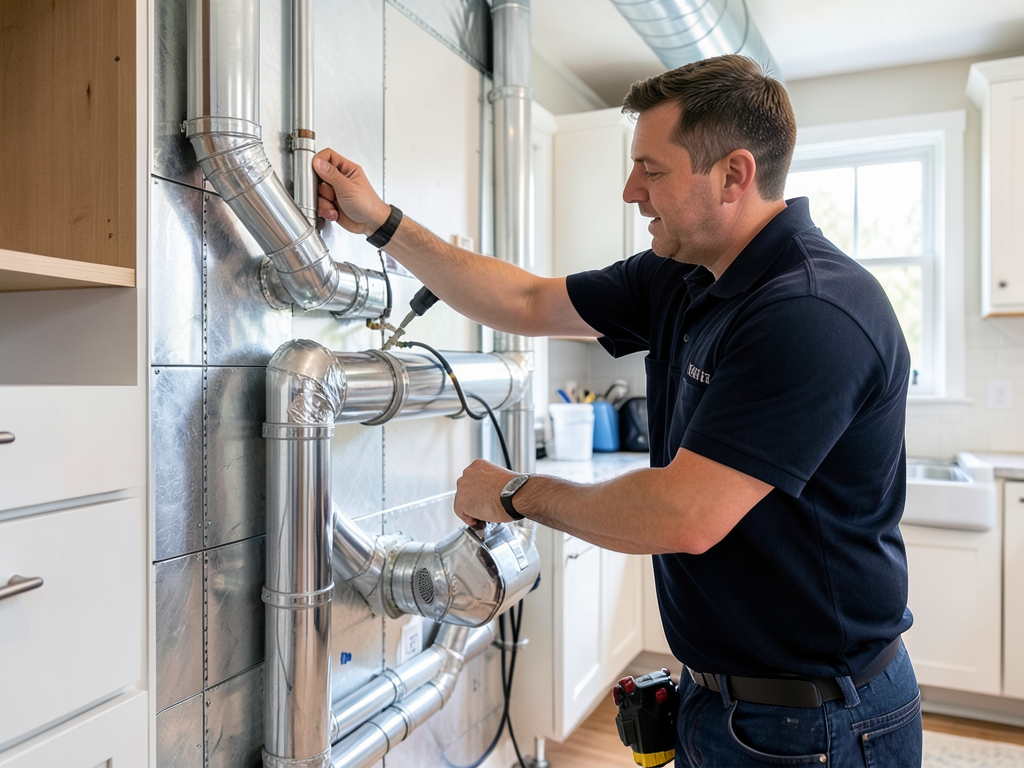
Moving Your Air Vents During a Major Kitchen Renovation in Upper Arlington Planning to move walls and reconfigure your kitchen…

Moving Your Air Vents During a Major Kitchen Renovation in Upper Arlington

Moving Your Air Vents During a Major Kitchen Renovation in Upper Arlington Planning to move walls and reconfigure your kitchen…

The Landlord Guide to Low Maintenance HVAC in the University District

The Landlord Guide to Low Maintenance HVAC in the University District \n\n Managing rental properties in Columbus’s University District comes…

Why Westerville Homeowners are Looking into Solar Ready HVAC Systems

Why Westerville Homeowners are Looking into Solar Ready HVAC Systems Westerville homeowners are increasingly exploring solar-ready HVAC systems as energy…

Contact Us

Your business cannot afford extended downtime. Call (380) 253-3188 now for fast commercial AC repair in Columbus. We respond to commercial cooling emergencies within two hours and provide upfront assessment of repair scope and timeline.