







Menu

Energy Saving Tips for Summer in Columbus – Cut Your Cooling Bills Without Sacrificing Comfort

Proven strategies to reduce air conditioning bills and lower summer utility costs in Columbus, backed by HVAC professionals who understand the unique climate challenges of central Ohio and how to maximize your system's efficiency.

Slider Image 1
Slider Image 2
Slider Image 3
Slider Image 4
Slider Image 5
Slider Image 7
Slider Image 8
Slider Image 9
Slider Image 10
Slider Image 11

Why Columbus Homeowners Fight High Summer Energy Bills

Columbus summers combine heat and humidity in a way that punishes your air conditioner. When outdoor temperatures climb into the 90s and humidity levels hover near 70 percent, your cooling system works overtime to maintain indoor comfort. That combination forces your compressor to cycle more frequently and run longer, which drives up electricity consumption.

The Midwest climate creates another problem. Spring and fall temperature swings mean you might run your AC one day and open windows the next. This inconsistency prevents homeowners from establishing efficient cooling patterns. Many Columbus residents also live in older homes built before modern energy codes. These homes leak conditioned air through poor insulation, drafty windows, and unsealed ductwork.

Your local utility rates add another layer of cost. Peak summer demand raises electricity prices right when you need cooling the most. A poorly maintained system compounds these expenses. Dirty filters, low refrigerant levels, and aging components force your equipment to consume more power while delivering less cooling.

Understanding ways to lower cooling costs starts with recognizing how Columbus weather patterns stress your HVAC system. The region's clay soil also affects basement humidity levels, which forces upper floors to work harder for comfort. Summer energy efficiency ideas must address both your equipment performance and your home's thermal envelope. Reducing air conditioning bills requires a systematic approach that considers local climate realities, not generic advice written for different regions.

Why Columbus Homeowners Fight High Summer Energy Bills
How to Save Electricity in Summer Through Smart HVAC Management

How to Save Electricity in Summer Through Smart HVAC Management

Start with your thermostat. Set it to 78 degrees when you are home and 85 degrees when you are away. Every degree below 78 increases energy consumption by approximately 3 percent. A programmable or smart thermostat automates these adjustments and prevents you from cooling an empty house.

Your air filter plays a direct role in system efficiency. Check it monthly during summer. A clogged filter restricts airflow, which forces your blower motor to work harder and reduces heat transfer across the evaporator coil. This drops your system's SEER rating and increases runtime. Replace disposable filters every 30 to 60 days during peak cooling season.

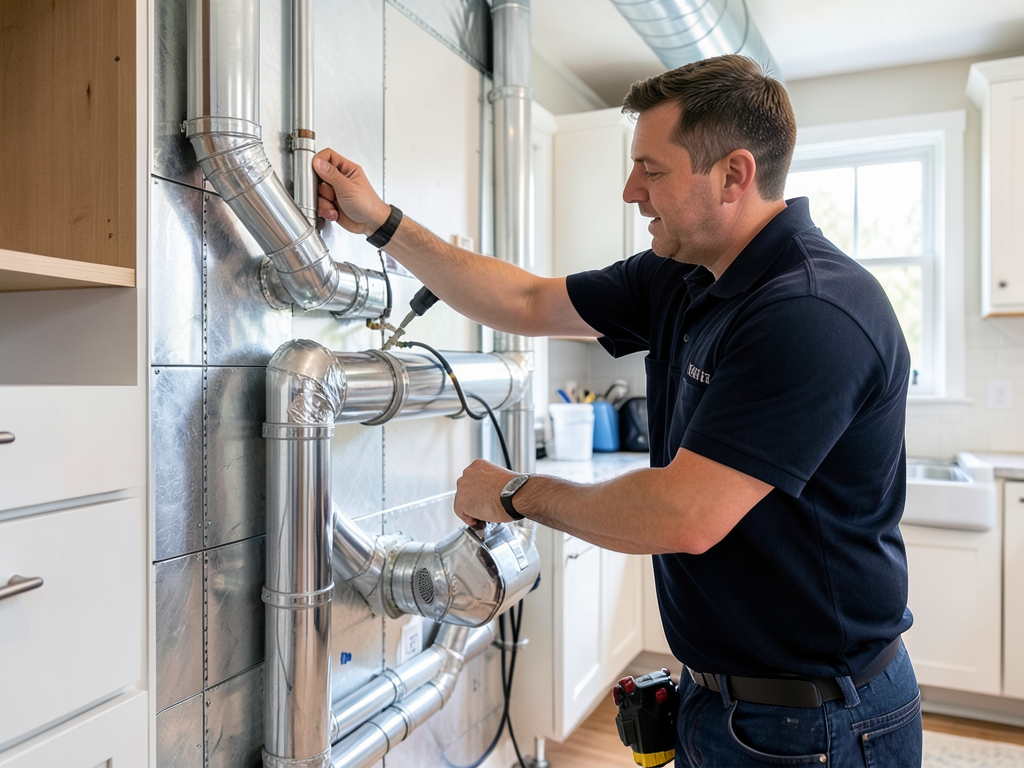
Ductwork leaks waste conditioned air before it reaches your living space. Unsealed joints and gaps in your duct system can lose 20 to 30 percent of cooled air into attics, crawl spaces, and wall cavities. Sealing these leaks with mastic or metal tape delivers immediate efficiency gains. Focus on connections near the air handler and at register boots.

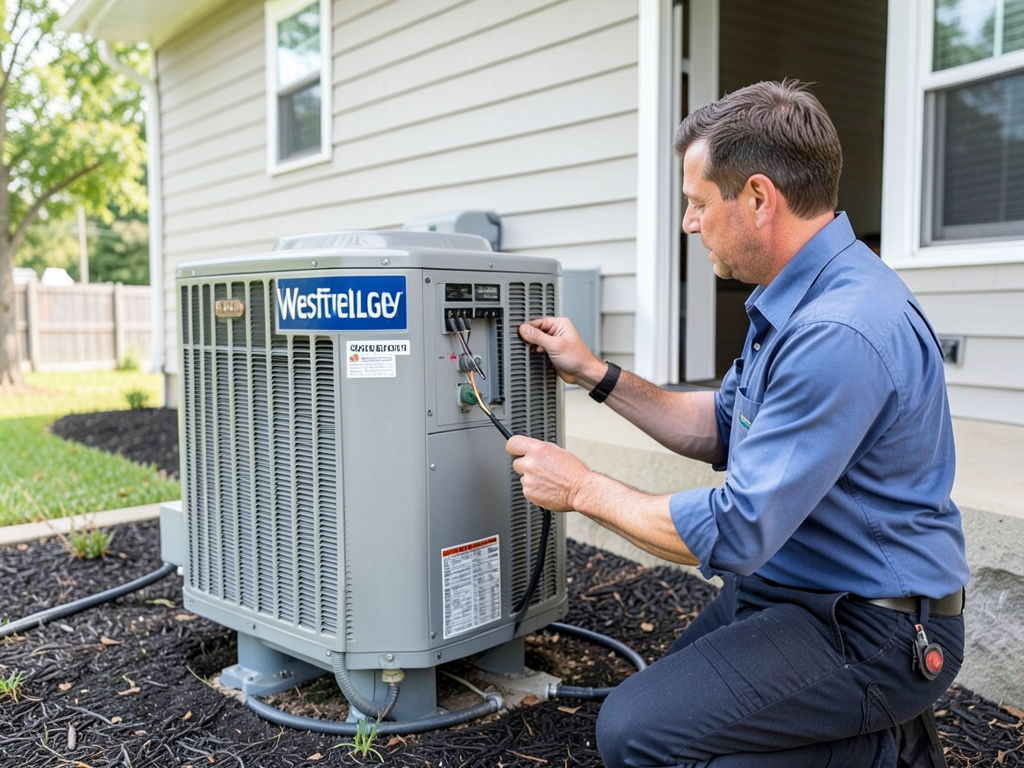
Your outdoor condenser unit needs clearance to function properly. Remove debris, trim vegetation back at least two feet, and hose down the coil fins monthly to remove pollen and dirt. A dirty condenser reduces heat rejection, which raises head pressure and forces your compressor to consume more electricity.

Ceiling fans create perceived cooling through air movement. Running fans counterclockwise allows you to raise your thermostat setting by two to three degrees without sacrificing comfort. This simple change reduces compressor runtime and lowers summer utility costs. Fans cool people, not rooms, so turn them off in empty spaces.

Your Home Energy Assessment Process

Energy Saving Tips for Summer in Columbus – Cut Your Cooling Bills Without Sacrificing Comfort
01

System Performance Evaluation

We measure your air conditioner's actual performance using refrigerant pressures, temperature splits, and airflow readings. This diagnostic approach identifies whether your system operates at its rated capacity or if mechanical issues waste energy. We check superheat and subcooling values to verify proper refrigerant charge and examine static pressure across the coil to confirm adequate airflow. These measurements reveal hidden efficiency problems.
02

Home Envelope Analysis

We inspect your home's thermal boundary to find where conditioned air escapes. This includes checking attic insulation levels, examining window and door seals, and measuring duct system leakage. We use temperature readings and visual inspection to identify hot spots where poor insulation allows heat transfer. The goal is pinpointing where your money disappears through walls, ceilings, and ductwork so you can prioritize improvements.
03

Custom Efficiency Recommendations

You receive a prioritized list of improvements ranked by impact and cost. We separate no-cost behavior changes from minor upgrades and major investments. This roadmap shows which actions deliver immediate savings and which require budget planning. Our recommendations consider your home's age, your system's condition, and Columbus climate factors. You decide which steps fit your budget and timeline.

Why Columbus Homeowners Trust Local HVAC Expertise

Energy efficiency advice written for Phoenix or Miami does not work in Columbus. You need strategies that account for humid Midwest summers and the occasional cool night that allows natural ventilation. Grand HVAC Columbus understands how local weather patterns affect cooling loads and how Central Ohio home construction influences energy consumption.

We work in homes built in every decade from the 1920s through today. That experience teaches us where older Columbus homes leak conditioned air and how newer subdivisions sometimes suffer from builder-grade ductwork that sacrifices efficiency. We know which insulation upgrades deliver the best return in your climate zone and which thermostat settings balance comfort with cost in humid conditions.

Local utility rate structures matter when prioritizing improvements. Understanding AEP Ohio's peak demand periods helps you time major electricity consumption and choose equipment with the right efficiency ratings for your rate plan. We help customers evaluate whether high-SEER equipment makes financial sense based on actual local electricity costs and typical usage patterns.

Our technicians live in the same climate you do. We face the same summer cooling challenges and understand the frustration of watching utility bills spike in July and August. That shared experience informs our recommendations. We suggest improvements we would make in our own homes, not generic upgrades that manufacturers push regardless of regional applicability.

Columbus homes need solutions designed for Central Ohio conditions. Working with local HVAC professionals means getting advice calibrated to your specific challenges, not a copy-paste list from a national blog that ignores regional climate differences.

What You Can Expect From Our Energy Efficiency Service

Fast Scheduling and Thorough Assessment

We schedule most assessments within three to five business days. The evaluation takes 90 minutes to two hours depending on your home's size and system complexity. Our technicians arrive with diagnostic tools including manifold gauges, infrared thermometers, and airflow measurement equipment. You receive results the same day, not a week later after someone reviews photos. We explain findings in plain language and answer questions on the spot so you understand exactly what we found and why it matters to your summer cooling costs.

Detailed Performance Documentation

You get written documentation showing your system's actual operating parameters compared to manufacturer specifications. This includes refrigerant pressures, temperature splits, electrical amperage draw, and airflow measurements. We photograph problem areas like dirty coils, unsealed ductwork, and inadequate insulation. These records help you track improvements over time and provide baseline data if you decide to upgrade equipment. The report separates mechanical issues from building envelope problems so you understand whether your system or your home structure causes efficiency losses.

Measurable Energy Reduction

Our recommendations focus on changes that produce measurable results. Simple fixes like filter replacement, thermostat adjustment, and coil cleaning typically reduce runtime by 10 to 15 percent. Duct sealing can cut cooling costs by 20 percent in homes with significant leakage. We explain the expected payback period for each suggestion so you can make informed decisions. The goal is lowering your summer utility costs through proven methods, not selling you services that deliver minimal benefit. Most customers see reduced electricity consumption within the first billing cycle after implementing our no-cost and low-cost recommendations.

Ongoing Support and Seasonal Adjustments

Energy efficiency requires consistent maintenance, not one-time fixes. We offer seasonal tune-up plans that keep your system operating at peak performance year after year. Spring maintenance prepares your air conditioner for summer demand, while fall service ensures your furnace runs efficiently through winter. Maintenance customers receive priority scheduling and discounted repair rates. We also provide follow-up consultations to review your utility bills after implementing changes, verify that improvements delivered expected savings, and adjust recommendations based on actual performance. This ongoing relationship helps you continuously optimize comfort and cost.

Frequently Asked Questions

You Have Questions,
We Have Answers

How can we save energy in summer? +

Start by servicing your AC unit before Columbus summer heat peaks in July. Change filters monthly, seal ductwork leaks, and set your thermostat to 78 degrees when home. Use ceiling fans to circulate air and reduce AC runtime. Close blinds during peak sun hours to block heat gain through windows. Run appliances like dishwashers and dryers at night when temperatures drop. Unplug devices that draw phantom power. Install a programmable thermostat to raise temps when you're away. These steps cut cooling costs while keeping your home comfortable through humid Ohio summers.

What are the 5 P's of energy conservation? +

The 5 P's of energy conservation are People, Process, Product, Plant, and Program. People refers to behavior changes like turning off lights. Process means optimizing how you use energy daily. Product involves choosing efficient appliances and systems. Plant focuses on your home's physical systems, from insulation to HVAC equipment. Program represents structured approaches like scheduled maintenance or energy audits. For Columbus homeowners, applying these principles means scheduling AC tune-ups before summer, weatherstripping doors against humid air infiltration, and training family members to close vents in unused rooms.

Does keeping the AC at 72 save money? +

Keeping your AC at 72 degrees does not save money. It forces your system to run longer during Columbus summer heat and humidity. Each degree below 78 increases cooling costs by roughly six to eight percent. In July and August, when outdoor temps hit 90 degrees with high humidity, maintaining 72 degrees creates a large temperature differential that strains your compressor. Set your thermostat to 78 degrees when home and 85 when away. Use fans to improve comfort without lowering the setpoint. This balance cuts energy use while preventing system breakdowns.

What runs your electric bill up the most? +

Your AC runs your electric bill up the most during Columbus summers. Cooling accounts for nearly half of residential energy use from June through August. Central air systems draw significant power, especially when fighting Ohio humidity and heat. Water heaters rank second, followed by refrigerators and washers. Old, inefficient AC units work harder and cost more. Poorly sealed homes let conditioned air escape, forcing your system to run continuously. Ductwork leaks in attics waste cooled air before it reaches living spaces. Addressing AC efficiency through maintenance and home sealing delivers the biggest bill reduction.

Is 72 a good temperature for AC in the summer? +

72 degrees is not ideal for AC in Columbus summers. The Department of Energy recommends 78 degrees when home for optimal efficiency and comfort. Columbus humidity makes lower temps feel necessary, but proper dehumidification matters more than temperature. At 72 degrees, your system runs constantly against outdoor heat, driving up bills and shortening equipment life. Start at 78 and use ceiling fans to create a wind chill effect. If you need relief, drop to 76, but avoid going lower. Your compressor and wallet will last longer with a moderate setpoint.

What are 10 ways to save energy? +

Ten ways to save energy include raising your thermostat to 78, changing AC filters monthly, sealing air leaks around doors and windows, using ceiling fans, closing blinds during peak sun, running appliances at night, unplugging idle electronics, scheduling AC maintenance, installing a programmable thermostat, and upgrading to LED bulbs. For Columbus homes, focus on managing humidity with proper ventilation and dehumidifiers. Seal ductwork in attics where summer heat penetrates. Plant shade trees on south and west sides to block afternoon sun. These actions reduce cooling demand and lower monthly bills.

What are the best energy-saving tips? +

The best energy-saving tips for Columbus summers focus on AC efficiency. Schedule professional maintenance in spring to clean coils and check refrigerant levels. Replace filters every 30 days during heavy use. Seal ductwork leaks that waste cooled air in attics and crawlspaces. Install a smart thermostat to adjust temps based on occupancy. Use window treatments to block solar heat gain during afternoon hours. Run exhaust fans only as long as needed to avoid pulling out conditioned air. Ensure attic insulation meets R-38 standards to prevent heat transfer. These steps cut cooling costs significantly.

What are 10 examples of conservation of energy? +

Ten examples of energy conservation include turning off lights when leaving rooms, unplugging phone chargers, washing clothes in cold water, air-drying dishes, taking shorter showers, using LED bulbs, keeping freezers full for thermal mass, closing vents in unused rooms, running full loads in washers and dishwashers, and setting water heaters to 120 degrees. In Columbus, add seasonal actions like closing blinds during summer afternoons, using fans instead of lowering AC temps, and servicing your cooling system before June heat arrives. Small daily habits compound into significant savings over Ohio's humid summer months.

What are 10 ways to conserve resources? +

Ten ways to conserve resources include fixing leaky faucets, installing low-flow showerheads, collecting rainwater for gardens, mulching landscaping to retain moisture, choosing native plants that need less water, upgrading to Energy Star appliances, insulating water heaters, using programmable thermostats, sealing air leaks, and replacing single-pane windows. Columbus homeowners should consider local clay soil when landscaping to reduce irrigation needs. Schedule HVAC maintenance to prevent refrigerant leaks. Use ceiling fans to reduce AC runtime. These practices cut utility use, lower bills, and reduce strain on local infrastructure during peak summer demand.

What is the $5000 AC rule? +

The $5000 AC rule is an informal guideline for deciding between repair and replacement. Add your AC unit's age to the repair cost estimate. If the total exceeds $5000, replacement makes more financial sense than repair. For example, a 12-year-old system needing a $1200 compressor replacement totals $6200, suggesting replacement. This rule accounts for diminishing returns on aging equipment. In Columbus, where humidity stresses AC systems, units older than 12 years lose efficiency. Factor in rising repair frequency and new system rebates. Consult a licensed technician for accurate assessment before major repair decisions.

How Columbus Humidity Levels Impact Your Summer Energy Bills

Columbus relative humidity frequently exceeds 60 percent during summer months, which forces your air conditioner to work as a dehumidifier and a cooler simultaneously. High humidity makes 78 degrees feel like 82 degrees, which tempts you to lower the thermostat and increase energy consumption. Your evaporator coil removes moisture from indoor air, but excessive humidity extends compressor runtime and reduces system efficiency. Central Ohio's location in the humid continental climate zone creates conditions where proper dehumidification becomes as important as temperature control for comfort and energy management.

Grand HVAC Columbus has served the greater Columbus metro area through hundreds of humid summers. We understand how Scioto River valley moisture patterns affect indoor comfort and how homes in German Village, Clintonville, and newer suburbs in Delaware County each face unique humidity challenges. Our technicians recognize when a system struggles with latent load removal versus sensible cooling, which allows us to recommend solutions calibrated to Central Ohio conditions. Local expertise means distinguishing between equipment problems and climate realities, which prevents unnecessary spending on fixes that do not address your actual efficiency obstacles.

HVAC Services in The Columbus Area

Grand HVAC Columbus is proud to serve the entire Columbus area and surrounding communities. We are committed to being a local, dependable resource for all your heating and cooling needs. Our convenient location ensures that we can respond quickly and efficiently to service calls, whether you're a residential or commercial client. We invite you to view our service area on the map to see how we can bring our expert HVAC solutions right to your doorstep.

Address:
Grand HVAC Columbus, 420 E 5th Ave, Columbus, OH, 43201

Additional Services We Offer

Our news updates

Latest Articles & News from The Blogs

Moving Your Air Vents During a Major Kitchen Renovation in Upper Arlington Planning to move walls and reconfigure your kitchen…

Moving Your Air Vents During a Major Kitchen Renovation in Upper Arlington

Moving Your Air Vents During a Major Kitchen Renovation in Upper Arlington Planning to move walls and reconfigure your kitchen…

The Landlord Guide to Low Maintenance HVAC in the University District

The Landlord Guide to Low Maintenance HVAC in the University District \n\n Managing rental properties in Columbus’s University District comes…

Why Westerville Homeowners are Looking into Solar Ready HVAC Systems

Why Westerville Homeowners are Looking into Solar Ready HVAC Systems Westerville homeowners are increasingly exploring solar-ready HVAC systems as energy…

Contact Us

Stop paying more than necessary to stay comfortable this summer. Call Grand HVAC Columbus at (380) 253-3188 to schedule your energy efficiency assessment. We will identify exactly where your money goes and give you a clear plan to reduce summer utility costs without sacrificing comfort.