




New Albany sits in central Ohio's humid continental climate zone, where temperature swings test HVAC systems year round. Summer humidity pushes air conditioners into overdrive, causing condenser coils to freeze and drain lines to clog. Winter temperatures drop below 20 degrees, forcing furnaces to cycle constantly and exposing weak heat exchangers. The clay rich soil common throughout Franklin County causes foundation settlement, which pulls ductwork apart at seams and reduces airflow efficiency.
Homes in New Albany range from historic properties near the original village center to newer construction in planned communities like New Albany Country Club and Bevelhymer Estates. Older homes often run oversized equipment that short cycles and wastes energy. Newer builds sometimes suffer from undersized returns or poorly designed zoning systems that leave bedrooms stuffy while living areas freeze. Ohio's building codes require specific efficiency ratings and carbon monoxide detection, but meeting code minimums does not guarantee comfort or reliability. Every home needs assessment based on its age, layout, insulation levels, and existing equipment condition.
Grand HVAC Columbus has served Franklin County homeowners for years, building a reputation on speed and honesty when systems fail. We do not play games with diagnostic fees or bait and switch estimates. Our technicians arrive with fully stocked trucks carrying the parts that fail most often in New Albany's climate. Compressors, blower motors, capacitors, ignitors, and thermostats are already on board. That means most repairs finish the same day without waiting for parts orders or return trips.
We answer phones 24 hours a day, seven days a week, because HVAC emergencies do not wait for business hours. When your furnace quits at midnight in January, you reach a dispatcher who sends a technician immediately, not a voicemail system that makes you wait until morning. Our pricing is transparent before work begins. You see the cost of labor and parts in writing, and we explain what failed and why. No hidden fees, no surprise charges when the job finishes.
Our technicians train continuously on new equipment and refrigerant regulations. We work on all major brands, from Carrier and Trane to Lennox and Rheem. When a system is beyond economical repair, we provide replacement options with financing available and help you choose the right size and efficiency level for your home. We do not push equipment you do not need or convince you to replace systems that still have years of life left. New Albany homeowners trust us because we treat their homes like our own and respect their time and money.

Most New Albany repairs finish the same day you call because our trucks carry common parts. No waiting days for orders or scheduling return visits. We fix your system, restore comfort, and move on. Your time matters, and dragging out simple repairs wastes it.

You see the total cost before work begins. We explain what failed, what it takes to fix it, and what you will pay. No surprises when the invoice arrives. No padding labor hours or marking up parts. Transparent pricing builds trust, and trust keeps customers.
When your furnace quits at 2 AM or your air conditioner fails on Sunday afternoon, we answer the phone and dispatch a technician. Not a voicemail system, not a call back in the morning. Real people, real help, right when you need it most.
We know the homes, the neighborhoods, and the common problems that hit New Albany systems. From older village properties to new construction in Bevelhymer Woods, we have worked on every home style and seen every failure mode. Local knowledge speeds diagnosis and repair.
Grand HVAC Columbus handles every aspect of residential heating and cooling in New Albany. Emergency repairs dominate our call volume because homeowners need systems running fast when they fail. We also provide planned maintenance to prevent breakdowns, complete system replacements when equipment reaches end of life, and indoor air quality improvements for families dealing with allergies or poor ventilation. Our service range covers central air conditioning, forced air furnaces, heat pumps, ductwork, thermostats, and ventilation systems.
Whether your air conditioner stopped cooling, your furnace is blowing cold air, or you want to replace an aging system before it fails, we have technicians trained to diagnose and fix the problem. We work on all fuel types including natural gas, propane, and electric systems. New Albany homes use different configurations based on age and builder preferences, so our technicians stay current on legacy equipment and modern high efficiency systems. Below are the three main service categories that cover most customer needs in Franklin County.
When your air conditioner quits cooling or your furnace stops heating, you need help now. We dispatch technicians to New Albany homes within hours, diagnose the failure, and complete most repairs the same day. Common emergency calls include frozen evaporator coils, failed compressors, cracked heat exchangers, broken blower motors, and tripped safety switches. Our trucks carry the parts that fail most often, so we fix problems on the first visit without waiting for parts to arrive.
Older systems eventually cost more to repair than replace. When your furnace or air conditioner reaches 15 to 20 years old, efficiency drops and breakdowns increase. We provide complete system replacement with properly sized equipment matched to your home's heating and cooling load. We handle permits, remove old equipment, install new units, and verify airflow and refrigerant charge. New installations include warranty registration and follow up visits to confirm everything operates correctly through the first season.
Regular maintenance catches small problems before they become expensive failures. Our maintenance visits include cleaning coils, checking refrigerant levels, testing capacitors, inspecting electrical connections, lubricating motors, and verifying airflow. We measure temperature splits, check carbon monoxide levels on gas furnaces, and test safety controls. Planned maintenance extends equipment life, maintains efficiency, and reduces the chance of breakdowns during peak summer and winter demand. Most plans include priority scheduling and discounted repair rates.
New Albany's climate and home construction patterns create predictable HVAC failures. Summer humidity causes condensate drainage problems and mold growth in ductwork. Winter cold stresses heat exchangers and causes older furnaces to crack. Homes built in the rapid expansion periods of the 1990s and 2000s sometimes have undersized ductwork or improperly balanced systems that leave rooms uncomfortable. Older village properties often run oversized equipment installed decades ago when sizing calculations were less precise. These common issues show up repeatedly across Franklin County, and recognizing symptoms early prevents minor problems from becoming major expenses.
Understanding what causes these failures helps homeowners catch them early. Strange noises, rising utility bills, uneven temperatures between rooms, and frequent cycling all signal developing problems. Many New Albany residents ignore small issues until complete system failure forces an emergency call. Addressing problems when they first appear costs less and prevents the discomfort of living without heating or cooling while waiting for repairs.
Low refrigerant charge or restricted airflow causes the indoor coil to freeze solid. Ice blocks airflow completely and stops cooling. Dirty filters, blocked returns, or failed blower motors restrict air movement across the coil. Once frozen, the system must be shut down to thaw before diagnosis and repair can begin.
Repeated heating and cooling cycles stress metal heat exchangers until cracks develop. These cracks allow combustion gases including carbon monoxide to mix with house air. Modern furnaces have sensors that shut down the system when cracks are detected, but older units may continue running. Cracked exchangers require furnace replacement, not repair.
Air conditioners and high efficiency furnaces produce condensation that drains through small plastic pipes. Algae and slime grow in these drains during humid months and block water flow. Backed up condensate triggers safety switches that shut down the system. Regular cleaning prevents blockages, but most homeowners only address the problem after the system stops working.
Capacitors store electrical energy to start compressors and fan motors. Heat and voltage spikes degrade capacitors over time until they fail. A failed capacitor prevents the compressor or blower from starting. Contactors are electrical switches that control current flow to motors. Pitted or burned contacts prevent proper operation. Both components fail frequently and require replacement, not repair.
Working with Grand HVAC Columbus starts with a phone call to our dispatch team. We answer 24 hours a day, every day of the year. Our dispatcher asks about your symptoms, confirms your address in New Albany, and schedules a technician. For emergency calls, we typically arrive within two to four hours. For non emergency maintenance or planned work, you pick the appointment time that fits your schedule.
Our technician arrives in a marked truck with diagnostic tools and common repair parts already loaded. After introducing themselves and confirming the problem, they start diagnosis immediately. Most issues take 15 to 30 minutes to identify. Once the problem is clear, the technician explains what failed, why it failed, and what it takes to fix it. You receive written pricing before any repair work begins. If you approve the work, most repairs finish within one to two hours. The technician tests the system, verifies proper operation, and cleans up the work area before leaving.
We explain problems in plain language without technical jargon. You understand what failed and why it matters. Our technicians show you the failed part when possible and explain the repair process step by step. You are never left guessing what is happening or why it costs what it costs. Questions are expected and answered completely before work begins.
Our technicians wear boot covers, use drop cloths, and clean up completely before leaving. We do not track dirt through your home or leave a mess after repairs. We also respect your schedule by arriving within the promised time window and finishing efficiently. If a repair takes longer than expected, we explain why and keep you informed throughout the process.
All repairs include a warranty on parts and labor. If the same problem returns, we come back and fix it at no additional charge. We also follow up after major repairs or installations to confirm the system is operating correctly and you are satisfied with the work. Our goal is a working system and a customer who calls us first next time they need help.
We keep the process simple because HVAC problems are stressful enough without complicated service procedures. Three clear steps take you from broken system to restored comfort.
Contact our dispatch team at (380) 253-3188 any time, day or night. Explain your symptoms and provide your New Albany address. For emergencies, we dispatch a technician immediately and provide an estimated arrival time. For planned work, you choose the appointment time. We confirm the appointment and send a reminder before the technician arrives.
The technician arrives, introduces themselves, and begins diagnosis using specialized tools and years of experience. Once the problem is identified, you receive a clear explanation of what failed and written pricing for the repair. You decide whether to proceed. If you approve, the technician starts work immediately using parts already stocked on the truck.
The technician completes the repair, tests the system through a full cycle, and verifies proper operation. They explain what was done, answer any final questions, and clean up the work area. You receive documentation of the work completed and warranty information. The system is back online and your home returns to comfortable temperature.
HVAC work in New Albany falls under Ohio Building Code and Franklin County regulations. Residential installations require permits for complete system replacements, major ductwork modifications, and fuel line changes. The state adopted the 2017 International Residential Code with Ohio specific amendments that set minimum efficiency standards and safety requirements. All new furnaces must meet 80 percent AFUE minimum efficiency for non condensing models and 90 percent plus for condensing units. Air conditioners require 14 SEER minimum, though most manufacturers now ship 15 SEER as base models.
Refrigerant regulations changed significantly in recent years. R-22 refrigerant, common in systems installed before 2010, is no longer produced in the United States due to environmental regulations. Systems using R-22 can still be repaired using reclaimed refrigerant, but costs have increased substantially. Most replacement systems now use R-410A refrigerant, which operates at higher pressures and requires different components. Technicians must hold EPA Section 608 certification to purchase and handle refrigerants legally. Improper refrigerant charge causes efficiency loss, compressor damage, and complete system failure. Proper charging requires measuring subcooling or superheat, not just adding refrigerant by pressure gauge.
Gas furnace installations in Ohio require carbon monoxide detectors on every level of the home and outside sleeping areas. Inspectors verify proper combustion air supply, correct venting materials, and gas line sizing during permit inspections. Furnaces must vent through approved materials like stainless steel or PVC, depending on whether they are condensing or non condensing models. Older homes sometimes have undersized vent systems or corroded vent pipes that fail inspection and require replacement during furnace upgrades.
Ductwork design and installation affects system performance more than most homeowners realize. Improperly sized ducts create static pressure that reduces airflow and stresses blower motors. Leaky duct seams waste conditioned air into attics and crawl spaces. Manual J load calculations determine correct equipment size based on home square footage, insulation levels, window area, and orientation. Manual D calculations size ductwork to deliver proper airflow to each room. Installing equipment based on rough square footage estimates without load calculations often results in oversized systems that short cycle and undersized systems that never reach set temperature.
All HVAC installations in New Albany must meet Ohio Building Code requirements including efficiency minimums, proper venting, carbon monoxide detection, and permit inspections. Work done without permits or by unlicensed contractors often fails inspection and requires expensive corrections before passing. Licensed contractors pull permits and ensure code compliance from the start.
Correct system size depends on load calculations, not square footage alone. Insulation levels, window area, ceiling height, and orientation all affect heating and cooling requirements. Oversized equipment short cycles and wastes energy. Undersized equipment runs constantly and never reaches comfortable temperature. Professional sizing using Manual J calculations ensures proper equipment selection.
EPA regulations require certified technicians to handle refrigerants. Proper charge requires measuring subcooling or superheat, not guessing by pressure alone. Incorrect charge causes compressor failure and efficiency loss. Systems using older R-22 refrigerant cost more to repair due to limited supply. New systems use R-410A, which requires different components and higher pressure ratings.
Poorly designed or leaky ductwork wastes energy and reduces comfort. Undersized ducts create excessive static pressure that stresses blower motors. Leaky seams dump conditioned air into attics or crawl spaces. Manual D calculations size ductwork properly for each installation. Sealing all seams with mastic or approved tape prevents air loss and improves efficiency.
This video explains common HVAC repair mistakes made by New Albany homeowners when heating and cooling systems fail. Grand HVAC Columbus covers frozen coils, cracked heat exchangers, capacitor failures, and refrigerant issues specific to Franklin County's climate. Viewers learn diagnostic questions to ask, warning signs of system failure, and how to evaluate repair versus replacement decisions for residential furnaces and air conditioners.
Grand HVAC Columbus serves all of New Albany, from the historic village center near Market Street and Main Street to newer developments spreading east and north. We work regularly in established neighborhoods like The Golf Club, Bevelhymer Estates, and New Albany Country Club where homes range from mid-1990s construction to brand new custom builds. Each area has distinct HVAC characteristics based on builder practices and home age. Older village properties near Dublin Granville Road sometimes have undersized ductwork or aging equipment that needs evaluation for replacement. Newer construction in areas like Kitzmiller Road and Central College Road typically features high efficiency systems but occasionally suffers from builder grade equipment that fails prematurely.
We also serve adjacent areas including Johnstown to the northeast, Blacklick Estates to the southeast, and Westerville to the west. Franklin County's central location means temperature extremes in both summer and winter. Homes near Rocky Fork Creek or other low lying areas sometimes experience humidity problems that require enhanced dehumidification or better vapor barriers. Properties on the western edge near Interstate 270 deal with highway noise that affects outdoor condenser placement and requires careful consideration during replacements.
Our service area extends throughout Franklin County because HVAC problems do not respect city boundaries. We know the common problems affecting different neighborhoods based on home age and construction style. Ranch homes built in the 1970s often have ductwork in crawl spaces that develops leaks and insulation damage. Two story homes from the 2000s building boom sometimes struggle with temperature balance between floors due to inadequate zoning or duct design. We address these location specific challenges because we have worked in these neighborhoods for years and seen the patterns repeat.
New Albany's rapid growth over the past two decades brought thousands of new homes and expanded the service territory significantly. We have kept pace with that growth, maintaining fast response times even as the community expands. Whether you live in an original village home from the early settlement period or a new construction property in one of the developing subdivisions near Jug Street or Beech Road, we know your area and can reach you quickly when systems fail.
The $5000 rule is a guideline to decide between repair and replacement. Multiply the age of your system by the repair estimate. If the total exceeds $5000, replacement makes more financial sense. For example, a 12-year-old system needing $500 in repairs equals $6000, so you should replace it. In New Albany, where high humidity stresses equipment and seasonal temperature swings demand year-round reliability, this rule helps you avoid throwing money at an aging system. Consider energy efficiency gains and long-term savings when making your decision.
A new HVAC system typically ranges from several thousand to over ten thousand dollars, depending on your home size, efficiency rating, and installation complexity. In New Albany, homes often require properly sized systems to handle humid summers and cold winters. Variables include ductwork condition, unit brand, SEER rating, and whether you need heat pump or furnace-based heating. Larger homes or multi-zone systems increase investment. Get multiple local estimates to understand your specific situation. Energy-efficient models cost more upfront but reduce monthly utility bills significantly.
For a 2000 square foot home in New Albany, expect to invest between mid-range to higher-end pricing for complete HVAC replacement. The final amount depends on system efficiency, ductwork modifications, and equipment brand. New Albany's climate demands balanced heating and cooling capacity. Humidity control features add value during summer months. Your home's insulation quality, window efficiency, and layout affect sizing requirements. Two-story homes may need zoned systems for optimal comfort. Quality installation matters as much as equipment choice for long-term performance and efficiency.
The $5000 rule is a guideline to decide between repair and replacement. Multiply the age of your system by the repair estimate. If the total exceeds $5000, replacement makes more financial sense. For example, a 12-year-old system needing $500 in repairs equals $6000, so you should replace it. In New Albany, where high humidity stresses equipment and seasonal temperature swings demand year-round reliability, this rule helps you avoid throwing money at an aging system. Consider energy efficiency gains and long-term savings when making your decision.
A new HVAC system typically ranges from several thousand to over ten thousand dollars, depending on your home size, efficiency rating, and installation complexity. In New Albany, homes often require properly sized systems to handle humid summers and cold winters. Variables include ductwork condition, unit brand, SEER rating, and whether you need heat pump or furnace-based heating. Larger homes or multi-zone systems increase investment. Get multiple local estimates to understand your specific situation. Energy-efficient models cost more upfront but reduce monthly utility bills significantly.
For a 2000 square foot home in New Albany, expect to invest between mid-range to higher-end pricing for complete HVAC replacement. The final amount depends on system efficiency, ductwork modifications, and equipment brand. New Albany's climate demands balanced heating and cooling capacity. Humidity control features add value during summer months. Your home's insulation quality, window efficiency, and layout affect sizing requirements. Two-story homes may need zoned systems for optimal comfort. Quality installation matters as much as equipment choice for long-term performance and efficiency.
HVAC installers in the New Albany area typically charge competitive hourly rates that reflect their expertise and licensing requirements. However, most companies price by the job rather than hourly to avoid surprises. Comprehensive projects include labor, materials, permits, and disposal. Emergency service calls command premium rates, especially during extreme weather when demand spikes. For maintenance visits or minor repairs, expect straightforward pricing. Choose licensed contractors who pull proper permits and follow Ohio building codes. Quality installation protects your investment and prevents callback issues.
Yes, new HVAC systems can qualify for federal tax credits in 2025 under the Inflation Reduction Act. Energy-efficient heat pumps, central air conditioners, and furnaces meeting specific SEER2 and HSPF2 ratings are eligible. Homeowners can claim up to 30% of installation costs, with annual limits. Keep all receipts and manufacturer certifications for your tax filing. Ohio may offer additional rebates or incentives for high-efficiency upgrades. Consult a tax professional to confirm your eligibility. Upgrading now in New Albany delivers both immediate comfort and financial benefits.
HVAC systems typically last 15 to 20 years with proper maintenance. In New Albany, high humidity and seasonal temperature extremes can shorten lifespan if you skip annual tune-ups. Heat pumps may last 12 to 15 years because they work year-round. Furnaces often reach 20 years when maintained correctly. Air conditioners average 15 to 18 years. Poor installation, neglected filter changes, and skipped maintenance cut these timelines significantly. Schedule annual inspections before cooling season and heating season to maximize your system's life and catch small issues early.
Fall and early spring are the best months to buy an HVAC system in New Albany. Contractors face less demand between peak cooling and heating seasons, which means better availability and potentially lower pricing. You can schedule installation without waiting weeks during emergency situations. Equipment manufacturers often run promotions during shoulder seasons. Installing before summer humidity hits or winter cold arrives ensures your home stays comfortable. Avoid buying during July heat waves or January cold snaps when emergency replacements command premium pricing and technicians are booked solid.
Installing central air conditioning in a 1500 square foot house involves equipment, ductwork, electrical upgrades, and labor. If your home already has ductwork from forced-air heating, installation costs less. Homes without existing ducts require full ductwork installation, which increases the investment significantly. New Albany's humidity levels make proper sizing critical to avoid moisture problems. SEER2 rating affects upfront investment and monthly operating costs. Two-story layouts or unique floor plans may need special considerations. Get detailed estimates from licensed contractors who assess your specific home configuration.
HVAC replacement costs reflect sophisticated engineering, skilled labor, and premium materials. Systems must precisely match your home's load calculations, ductwork, and electrical capacity. Licensed technicians spend years mastering refrigerant handling, airflow dynamics, and building codes. Equipment contains complex compressors, heat exchangers, and electronic controls. In New Albany, proper installation requires understanding local climate demands and humidity management. Permits, disposal of old refrigerants, and warranty coverage add to the total. Quality installation prevents callbacks, reduces energy waste, and ensures reliable performance for 15-plus years.
HVAC costs in 2025 will likely remain elevated due to refrigerant transitions, supply chain factors, and increased efficiency standards. New refrigerants replacing older types require updated equipment designs. Higher SEER2 requirements mean more advanced technology in base models. Labor costs reflect ongoing technician shortages nationwide. In New Albany, expect pricing to stay consistent with recent years, with premium features commanding higher investments. Energy efficiency improvements offset higher upfront costs through lower utility bills. Plan your budget now if your system is aging to avoid emergency replacement during peak demand.
HVAC installers in the New Albany area typically charge competitive hourly rates that reflect their expertise and licensing requirements. However, most companies price by the job rather than hourly to avoid surprises. Comprehensive projects include labor, materials, permits, and disposal. Emergency service calls command premium rates, especially during extreme weather when demand spikes. For maintenance visits or minor repairs, expect straightforward pricing. Choose licensed contractors who pull proper permits and follow Ohio building codes. Quality installation protects your investment and prevents callback issues.
Yes, new HVAC systems can qualify for federal tax credits in 2025 under the Inflation Reduction Act. Energy-efficient heat pumps, central air conditioners, and furnaces meeting specific SEER2 and HSPF2 ratings are eligible. Homeowners can claim up to 30% of installation costs, with annual limits. Keep all receipts and manufacturer certifications for your tax filing. Ohio may offer additional rebates or incentives for high-efficiency upgrades. Consult a tax professional to confirm your eligibility. Upgrading now in New Albany delivers both immediate comfort and financial benefits.
HVAC systems typically last 15 to 20 years with proper maintenance. In New Albany, high humidity and seasonal temperature extremes can shorten lifespan if you skip annual tune-ups. Heat pumps may last 12 to 15 years because they work year-round. Furnaces often reach 20 years when maintained correctly. Air conditioners average 15 to 18 years. Poor installation, neglected filter changes, and skipped maintenance cut these timelines significantly. Schedule annual inspections before cooling season and heating season to maximize your system's life and catch small issues early.
Fall and early spring are the best months to buy an HVAC system in New Albany. Contractors face less demand between peak cooling and heating seasons, which means better availability and potentially lower pricing. You can schedule installation without waiting weeks during emergency situations. Equipment manufacturers often run promotions during shoulder seasons. Installing before summer humidity hits or winter cold arrives ensures your home stays comfortable. Avoid buying during July heat waves or January cold snaps when emergency replacements command premium pricing and technicians are booked solid.
Installing central air conditioning in a 1500 square foot house involves equipment, ductwork, electrical upgrades, and labor. If your home already has ductwork from forced-air heating, installation costs less. Homes without existing ducts require full ductwork installation, which increases the investment significantly. New Albany's humidity levels make proper sizing critical to avoid moisture problems. SEER2 rating affects upfront investment and monthly operating costs. Two-story layouts or unique floor plans may need special considerations. Get detailed estimates from licensed contractors who assess your specific home configuration.
HVAC replacement costs reflect sophisticated engineering, skilled labor, and premium materials. Systems must precisely match your home's load calculations, ductwork, and electrical capacity. Licensed technicians spend years mastering refrigerant handling, airflow dynamics, and building codes. Equipment contains complex compressors, heat exchangers, and electronic controls. In New Albany, proper installation requires understanding local climate demands and humidity management. Permits, disposal of old refrigerants, and warranty coverage add to the total. Quality installation prevents callbacks, reduces energy waste, and ensures reliable performance for 15-plus years.
HVAC costs in 2025 will likely remain elevated due to refrigerant transitions, supply chain factors, and increased efficiency standards. New refrigerants replacing older types require updated equipment designs. Higher SEER2 requirements mean more advanced technology in base models. Labor costs reflect ongoing technician shortages nationwide. In New Albany, expect pricing to stay consistent with recent years, with premium features commanding higher investments. Energy efficiency improvements offset higher upfront costs through lower utility bills. Plan your budget now if your system is aging to avoid emergency replacement during peak demand.
Grand HVAC Columbus is proud to serve the entire Columbus area and surrounding communities. We are committed to being a local, dependable resource for all your heating and cooling needs. Our convenient location ensures that we can respond quickly and efficiently to service calls, whether you're a residential or commercial client. We invite you to view our service area on the map to see how we can bring our expert HVAC solutions right to your doorstep.
Address:
New Albany, OH, 43054
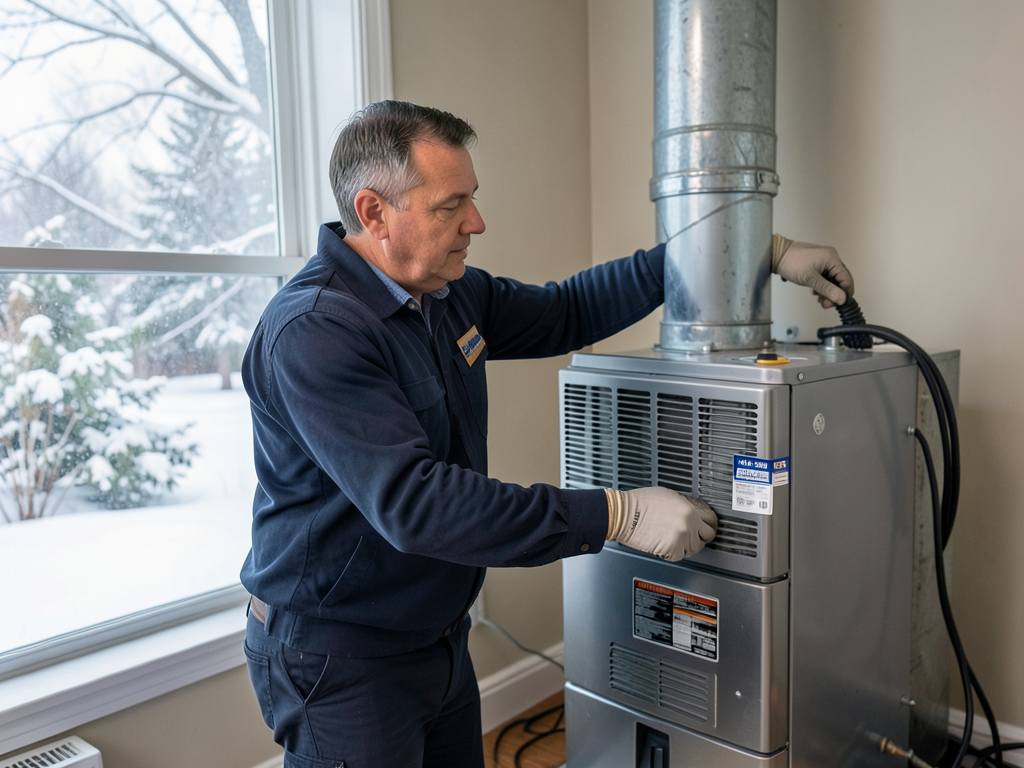
How Much You Should Actually Save for a Future HVAC Replacement Fund Replacing your HVAC system ranks among the biggest home investments you will make. In Columbus where winters can drop below zero and summers…
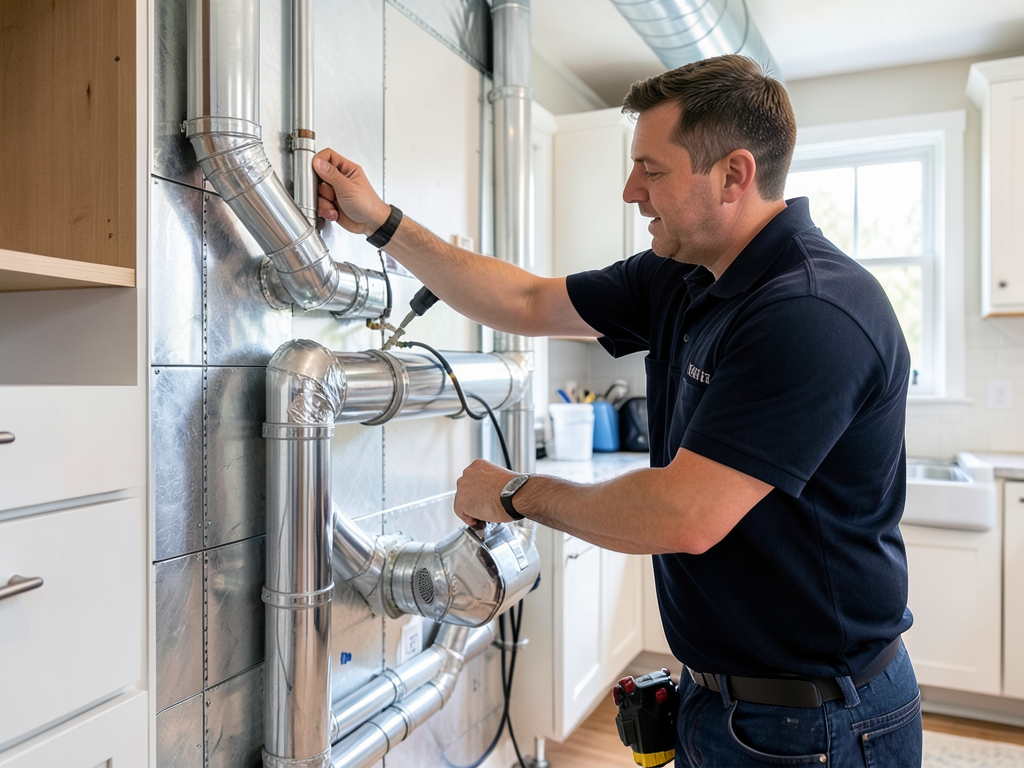
Moving Your Air Vents During a Major Kitchen Renovation in Upper Arlington Planning to move…

The Landlord Guide to Low Maintenance HVAC in the University District \n\n Managing rental properties…
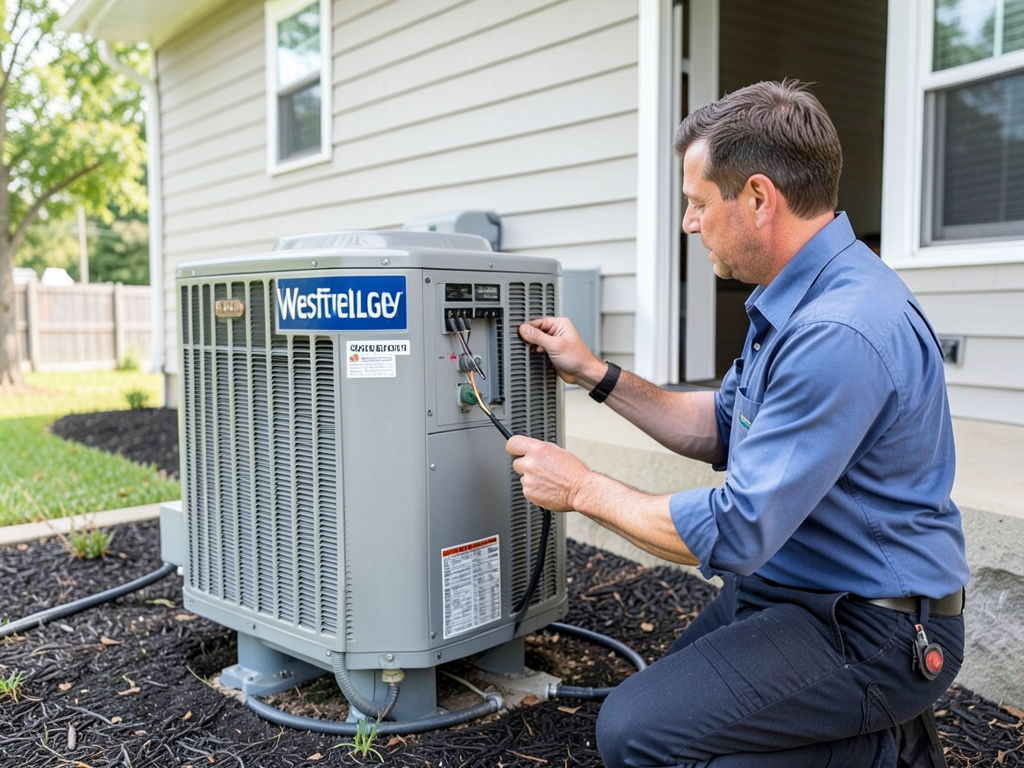
Why Westerville Homeowners are Looking into Solar Ready HVAC Systems Westerville homeowners are increasingly exploring…
Your comfort should not wait. Call Grand HVAC Columbus at (380) 253-3188 right now for fast diagnosis and same day repairs. We answer 24/7, arrive quickly, and fix it right the first time with upfront pricing you can trust.