





Columbus sits in the humid continental zone where summer humidity regularly tops 80 percent and winter temperatures drop below 20 degrees. Your HVAC system works harder here than in milder climates. The freeze-thaw cycles common from November through March stress furnace heat exchangers and cause condensate lines to crack. Summer storms with high winds knock out condenser units in neighborhoods from German Village to Clintonville.
The clay-rich soil throughout Franklin County shifts with moisture changes, settling foundations and pulling ductwork connections apart in crawl spaces. Homes in older areas like Victorian Village and the Short North have outdated systems struggling to cool high-ceilinged rooms efficiently. Newer developments in Dublin and New Albany push modern heat pumps to their limits during our temperature extremes.
Columbus building codes require specific efficiency ratings and proper sizing calculations based on local climate data. A system designed for Tennessee won't survive an Ohio winter. The combination of extreme humidity, dramatic temperature swings, and soil movement means your heating and cooling equipment takes constant punishment. Regular breakdowns aren't just inconvenient in this climate. They're dangerous.
Grand HVAC Columbus built our reputation responding to middle-of-the-night emergencies when other companies send you to voicemail. We staff technicians 24 hours a day because HVAC failures don't wait for business hours. When your furnace quits at 2 AM with single-digit temperatures outside, we answer the phone and dispatch immediately.
Our technicians carry comprehensive parts inventory on every truck. We stock components for all major brands because waiting three days for a part order means three days of discomfort. Most repairs finish the same visit. If we need to order a specialty part, we set you up with temporary heating or cooling so you're not left suffering.
We price every job before starting work. You get a clear quote that covers the repair completely with no surprise charges when we finish. Our technicians explain what failed, why it failed, and what you can do to prevent the same problem. We don't upsell replacement systems when a repair makes sense, and we don't patch failing equipment that will break again next month.
Every repair comes with our parts and labor warranty. We stand behind the work because we use quality components and install them correctly. Our technicians receive ongoing training on new equipment and diagnostic techniques. When you call Grand HVAC Columbus, you get experienced professionals who solve the problem right the first time.

Your HVAC emergency gets immediate attention any time of day or night. We dispatch technicians within the hour across Columbus and answer every call with a real person, not a recording. No waiting until Monday morning when your system fails Friday night.

Our service trucks stock parts for all major HVAC brands so most repairs complete the same day. You get your comfort back in hours, not days. When we do need to order parts, we provide temporary climate control so you're never left without heating or cooling.
You know the exact cost before any work begins. Our technicians diagnose the problem, explain your options, and give you a firm price that includes all labor and materials. No hidden fees or surprise charges when the job finishes.
We understand how Franklin County's weather extremes and clay soil affect your HVAC system. Our technicians know the common failure points in Columbus homes and can spot problems before they cause breakdowns. Local knowledge means faster diagnosis and more reliable repairs.
Grand HVAC Columbus handles every heating and cooling need from emergency repairs to complete system replacements. Our technicians service all equipment types including central air conditioners, heat pumps, gas furnaces, electric furnaces, and ductless mini-splits. We work on residential properties from single-family homes to apartment complexes and commercial buildings from retail spaces to office parks.
Emergency repair calls get priority dispatch because we know a broken air conditioner in August or failed furnace in January creates genuine hardship. Our planned maintenance programs catch small problems before they become expensive breakdowns. When repair costs approach replacement value, we provide honest guidance about your best option with detailed proposals for new system installation.
We organize our services around what Columbus property owners actually need. Emergency situations require immediate response and fast fixes. Preventive maintenance keeps systems running efficiently and extends equipment life. System replacement projects need careful planning, proper sizing, and expert installation. Each service category gets the specialized attention it deserves.
When your air conditioning fails during a heat wave or your furnace quits on the coldest night of the year, you need help immediately. Our emergency repair service provides same-day fixes for heating and cooling failures across Franklin County. We diagnose the problem, source the parts from our truck inventory, and restore your comfort fast. Most emergency calls resolve the same visit with our comprehensive parts stock and experienced technicians who can troubleshoot any system.
Regular maintenance catches small problems before they become expensive emergencies. Our technicians inspect all system components, clean coils and burners, test safety controls, measure refrigerant levels, and verify proper airflow. We identify worn parts and recommend replacement before they fail. Scheduled service improves efficiency, extends equipment life, and gives you peace of mind knowing your system will work when you need it most during Columbus temperature extremes.
When repair costs exceed the value of your aging equipment, replacement makes better financial sense. We design new systems sized correctly for your home's square footage, insulation levels, and Columbus climate demands. Our installations include proper ductwork modifications, precise refrigerant charging, and thorough testing to ensure peak efficiency. You get detailed proposals comparing equipment options with honest guidance about which system fits your needs and budget best for long-term performance.
Columbus homes face specific HVAC challenges tied directly to our climate and geography. The humid continental weather creates extreme demands on heating and cooling equipment. Summer humidity levels that regularly exceed 80 percent force air conditioners to work harder removing moisture from indoor air. Winter cold snaps push furnaces to run continuously for days, stressing heat exchangers and ignition systems.
The clay soil common throughout Franklin County expands when wet and contracts when dry. This movement settles foundations and pulls apart ductwork connections in crawlspaces and basements. Older neighborhoods with mature trees see root intrusion damaging underground refrigerant lines. Homes built before modern efficiency standards struggle with inadequate insulation and ductwork that leaks conditioned air into attics and crawlspaces. These local factors combine to create predictable failure patterns we see repeatedly across Columbus properties.
Columbus summer humidity forces air conditioners to run longer cycles removing moisture, which strains compressors and fan motors. Condensate drains clog with algae growth in the humid conditions, causing water backup and system shutdown. Dirty evaporator coils freeze up when airflow drops, stopping cooling completely during the hottest weeks.
Extended runs during January and February temperature drops crack heat exchangers in aging furnaces, creating dangerous carbon monoxide risks. Ignition systems fail from constant cycling. Blower motors overheat and quit after running continuously for days. These failures always happen during the worst weather when you need heat most desperately.
Franklin County's expansive clay soil shifts with moisture changes throughout the year. Foundation settling pulls ductwork apart at connection points in crawlspaces and basements. Separated ducts dump expensive conditioned air into spaces you're not trying to heat or cool, driving up energy bills and reducing comfort in living areas.
Homes in German Village, Victorian Village, and the Short North often have outdated HVAC equipment struggling to handle high ceilings and poor insulation. Undersized systems run constantly without maintaining comfort. Oversized systems short-cycle, failing to remove humidity properly. Improper sizing wastes energy and shortens equipment life significantly.
From your first call to final system checkout, we focus on clear communication and quick resolution. You get honest answers about what's wrong, realistic timelines for repairs, and upfront pricing with no surprises. Our process eliminates the frustration and uncertainty that usually comes with HVAC problems.
When you call with an emergency, we dispatch immediately and give you an accurate arrival window. Our technicians call when they're on the way so you're not waiting around wondering when help will arrive. For scheduled service, we confirm appointments the day before and arrive on time ready to work.
You stay informed throughout the repair. Our technicians explain what they find, show you the failed components when possible, and discuss your options before doing any work. If you have choices between repair and replacement, we walk through the cost comparison so you can make the best decision for your situation. No pressure, just clear information.
Emergency calls get technician dispatch within the hour. We give you a realistic arrival window and call when we're 15 minutes away. You reach a real person when you call, not an answering service. We keep you updated throughout the repair process with clear explanations of what we find and what needs to happen next. No leaving you wondering what's taking so long or what's actually wrong.
Our technicians test all system components to find the root cause, not just the obvious symptom. We explain what failed and why it failed so you understand the problem completely. You get honest guidance about repair versus replacement when costs get close. We never push unnecessary work or replacement systems when a straightforward repair solves the problem. Our job is fixing your HVAC issue correctly, not maximizing the invoice.
Every repair includes our parts and labor warranty covering the work completely. If something goes wrong with a repair we completed, we come back and make it right at no additional charge. We follow up after major repairs to verify everything is working as expected. You get our direct number for questions or concerns after the job finishes. We're still here after we cash your check.
We keep the repair process simple and transparent. You know what's happening at each stage, what it costs, and when you'll have your comfort back. No confusion or surprises.
Our technician arrives within your scheduled window, examines your system thoroughly, and identifies exactly what failed. We test components, check refrigerant levels, measure airflow, and inspect electrical connections. You get a clear explanation of the problem in plain language and a firm price quote that covers all labor and materials needed to fix it completely. No work starts until you approve the price.
Once you approve the quote, we complete the repair using quality parts from our truck inventory. Most jobs finish the same visit. Our technicians clean up the work area completely and test the system under operating conditions to verify the fix works correctly. You see the failed parts and understand what we replaced and why it matters for reliable operation.
Before we leave, we run your system through complete heating or cooling cycles to confirm proper operation. We verify temperatures, check airflow, and ensure all safety controls work correctly. You receive documentation of the repair and warranty information covering parts and labor. We answer any questions about system operation or maintenance and provide our direct contact information for future needs.
Columbus operates under Ohio building codes that mandate specific HVAC standards for new installations and major replacements. The state requires minimum SEER ratings of 14 for air conditioners and 8.2 HSPF for heat pumps in residential applications. These efficiency requirements reflect our climate demands and help reduce energy consumption across the region.
Proper refrigerant handling follows EPA Section 608 certification requirements. Technicians must recover existing refrigerant before opening systems, preventing harmful releases into the atmosphere. R-22 refrigerant is no longer produced in the United States, which affects older systems needing repairs. Converting to newer R-410A refrigerant requires complete system replacement, not just a refrigerant swap, because of different operating pressures and oil requirements.
Manual J load calculations determine correct system sizing based on your home's specific characteristics. These calculations account for square footage, insulation levels, window efficiency, ceiling heights, and Columbus climate data. Undersized systems run constantly without maintaining comfort. Oversized systems short-cycle, failing to remove humidity and wearing out components prematurely. Both sizing errors waste energy and money.
Ductwork design and installation follow ACCA Manual D standards for proper airflow distribution. Supply registers and return grilles must balance throughout the house to avoid hot or cold spots. Duct sealing with mastic or approved tape prevents conditioned air loss in attics and crawlspaces. Proper duct insulation in unconditioned spaces maintains temperature and prevents condensation problems.
Furnace installations require proper venting sized for the appliance output and configured according to manufacturer specifications. Gas furnaces need adequate combustion air supply and proper clearances from combustible materials. Carbon monoxide detectors are mandatory in homes with fuel-burning appliances under Ohio law.
State building codes mandate minimum 14 SEER for air conditioners and 8.2 HSPF for heat pumps in residential installations. These standards ensure equipment can handle Columbus climate demands while maintaining reasonable energy consumption. Higher efficiency systems qualify for utility rebates and reduce monthly operating costs significantly over equipment life.
Proper equipment sizing uses Manual J calculations specific to your home's insulation, windows, orientation, and local climate data. Oversized systems waste energy through short-cycling and fail to remove humidity. Undersized systems run constantly without maintaining comfort during temperature extremes. Correct sizing ensures efficient operation and long equipment life.
EPA Section 608 certification is required for all refrigerant handling. R-22 refrigerant is no longer produced, making repairs on older systems expensive. Converting to R-410A requires complete system replacement because of different operating pressures and incompatible oils. Proper refrigerant charging within manufacturer specifications ensures peak efficiency and prevents compressor damage.
ACCA Manual D standards govern ductwork sizing and layout for proper airflow distribution. Sealed ducts prevent conditioned air loss in unconditioned spaces. Balanced supply and return airflow eliminates hot and cold spots throughout the home. Proper duct insulation in crawlspaces and attics maintains temperature and prevents condensation issues.
This video explains common HVAC system failures in Columbus, Ohio and how to address them quickly. Topics include air conditioner problems during summer humidity, furnace breakdowns in winter cold, and how Franklin County's clay soil and climate extremes affect heating and cooling equipment. Grand HVAC Columbus demonstrates diagnostic techniques, explains repair options, and shows what homeowners should know about emergency service, preventive maintenance, and system replacement decisions.
Grand HVAC Columbus provides emergency repair and installation services throughout Franklin County and surrounding areas. We know the unique challenges facing different Columbus neighborhoods from aging infrastructure in established areas to new construction demands in growing suburbs.
German Village and Victorian Village properties feature older HVAC systems in historic homes with high ceilings and minimal insulation. These areas require careful system sizing and often benefit from ductless mini-split installations that preserve historic architecture while providing efficient climate control. The Short North sees a mix of renovated commercial buildings converted to residential use and new construction, each with distinct HVAC requirements.
Clintonville and Beechwold neighborhoods have mostly mid-century homes with original ductwork that often needs modification for modern high-efficiency systems. Upper Arlington and Grandview Heights feature well-maintained properties where homeowners invest in premium equipment and regular maintenance to protect their home values.
Growing areas like Dublin, New Albany, and Hilliard have newer construction with modern HVAC systems, but rapid building sometimes means cut corners on installation quality. We frequently correct improper duct sizing and inadequate refrigerant charging in systems only a few years old. Powell and Westerville properties span from older homes needing system replacements to new builds requiring warranty service.
Downtown Columbus high-rise and mid-rise buildings present unique challenges with rooftop equipment exposed to weather extremes and complex distribution systems serving multiple floors. We handle commercial HVAC service for retail spaces, restaurants, and office buildings throughout the central business district and surrounding commercial corridors along High Street and Broad Street.
Our service area extends throughout Franklin County including Reynoldsburg, Whitehall, and Grove City. We respond to emergency calls across all areas with the same rapid dispatch and quality service. Whether you're near Ohio State University campus, out in the suburbs, or in rural areas of the county, you get the same professional HVAC service from technicians who understand your local challenges.
The $5000 rule is a simple formula to decide between repair or replacement. Multiply your system's age by the repair cost. If the result exceeds $5000, replace the unit. For example, a 12-year-old system needing a $500 repair equals $6000, so replacement makes sense. Columbus homeowners face humid summers and cold winters, which stress aging equipment. If your system is over 10 years old and repairs keep adding up, a new energy-efficient unit often saves money long-term through lower utility bills and fewer breakdowns.
HVAC job costs in Columbus vary widely based on scope. A basic furnace tune-up runs a few hundred dollars. Replacing a single component like a blower motor or capacitor costs more. Full system replacements for average homes typically fall into the mid-four-figure range, while larger homes or high-efficiency equipment pushes costs higher. Columbus's temperature swings mean systems work hard year-round, affecting pricing for labor and equipment. Always get multiple quotes and ask about efficiency ratings that match Ohio's climate demands.
Replacing HVAC in a 2000 square foot Columbus home depends on equipment type and efficiency level. A standard split system with matching furnace and air conditioner typically costs mid-range for quality equipment. High-efficiency variable-speed systems cost more upfront but reduce monthly bills during Columbus's hot, humid summers and freezing winters. Ductwork condition, home insulation, and local installation rates affect final pricing. Most Columbus contractors recommend 16 SEER minimum for air conditioning and 95 percent AFUE furnaces to handle our four-season climate.
The $5000 rule is a simple formula to decide between repair or replacement. Multiply your system's age by the repair cost. If the result exceeds $5000, replace the unit. For example, a 12-year-old system needing a $500 repair equals $6000, so replacement makes sense. Columbus homeowners face humid summers and cold winters, which stress aging equipment. If your system is over 10 years old and repairs keep adding up, a new energy-efficient unit often saves money long-term through lower utility bills and fewer breakdowns.
HVAC job costs in Columbus vary widely based on scope. A basic furnace tune-up runs a few hundred dollars. Replacing a single component like a blower motor or capacitor costs more. Full system replacements for average homes typically fall into the mid-four-figure range, while larger homes or high-efficiency equipment pushes costs higher. Columbus's temperature swings mean systems work hard year-round, affecting pricing for labor and equipment. Always get multiple quotes and ask about efficiency ratings that match Ohio's climate demands.
Replacing HVAC in a 2000 square foot Columbus home depends on equipment type and efficiency level. A standard split system with matching furnace and air conditioner typically costs mid-range for quality equipment. High-efficiency variable-speed systems cost more upfront but reduce monthly bills during Columbus's hot, humid summers and freezing winters. Ductwork condition, home insulation, and local installation rates affect final pricing. Most Columbus contractors recommend 16 SEER minimum for air conditioning and 95 percent AFUE furnaces to handle our four-season climate.
Average HVAC system replacement costs vary based on home size, equipment efficiency, and installation complexity. Columbus homeowners typically invest several thousand dollars for complete systems. Factors affecting price include existing ductwork condition, refrigerant type, brand selection, and whether you choose single-stage or variable-speed equipment. Ohio's climate requires year-round heating and cooling, so investing in quality equipment pays off. Columbus homes with poor insulation or outdated ductwork may need additional work, increasing total project costs. Get detailed quotes that itemize equipment, labor, and materials.
In 2025, certain HVAC systems qualify for federal tax credits through the Energy Efficient Home Improvement Credit. High-efficiency air conditioners, heat pumps, and furnaces meeting specific ENERGY STAR criteria may qualify. The credit covers a percentage of equipment costs up to set limits. Columbus homeowners should verify current IRS guidelines, as requirements change yearly. Keep all receipts and manufacturer certification statements. Some utility companies in the Columbus area also offer rebates for energy-efficient upgrades. Consult a tax professional to understand how these credits apply to your situation.
The average HVAC system lasts 15 to 20 years with proper maintenance. Furnaces often reach 20 years, while air conditioners typically last 15 to 18 years. Columbus's humid summers and cold winters create year-round demand on equipment, potentially shortening lifespan without regular service. Heat pumps work harder in our climate and may need replacement sooner. Factors affecting longevity include installation quality, maintenance frequency, thermostat usage, and air filter changes. Annual tune-ups catch small problems before they cause system failure, maximizing your investment.
The 3-minute rule prevents compressor damage by requiring a three-minute wait between shut-off and restart. When your AC stops, refrigerant pressure needs time to equalize between the high and low sides of the system. Restarting too quickly forces the compressor to work against unbalanced pressure, causing premature failure. Most modern thermostats have built-in delay timers. Columbus homeowners should never rapidly cycle their systems during summer heat waves. If your AC short-cycles without the 3-minute delay, you likely have a failing compressor, refrigerant issues, or thermostat problems.
Standard homeowners insurance rarely covers HVAC repairs from normal wear and tear. Insurance typically covers damage from covered perils like fire, lightning strikes, vandalism, or storm damage. If a tree falls on your condenser during a Columbus storm, insurance likely pays. Gradual equipment failure from age or poor maintenance is your responsibility. Some home warranty plans cover HVAC repairs, but read the fine print for exclusions. Regular maintenance prevents most failures and costs far less than emergency repairs or filing claims that raise premiums.
The most common HVAC repairs in Columbus include capacitor failures, dirty coils, refrigerant leaks, blower motor issues, and thermostat malfunctions. Capacitors fail frequently due to our temperature extremes. Clogged condensate drains are common in humid summers. Cracked heat exchangers occur in older furnaces during harsh winters. Electrical component failures happen year-round. Many repairs result from skipped maintenance. Annual tune-ups catch worn parts before they fail, saving money on emergency service calls. Air filter neglect causes most avoidable breakdowns by restricting airflow and overworking components.
HVAC replacement costs in 2025 depend on equipment type, efficiency ratings, and home size. Columbus homeowners should budget several thousand dollars for quality systems that handle Ohio's four-season climate. Prices include removal of old equipment, installation labor, refrigerant, ductwork modifications if needed, and disposal fees. High-efficiency variable-speed systems cost more upfront but lower monthly bills. Supply chain stability has improved, but labor costs reflect current market rates. Federal tax credits and local utility rebates can offset expenses. Get multiple detailed quotes from licensed contractors who know Columbus building codes.
Average HVAC system replacement costs vary based on home size, equipment efficiency, and installation complexity. Columbus homeowners typically invest several thousand dollars for complete systems. Factors affecting price include existing ductwork condition, refrigerant type, brand selection, and whether you choose single-stage or variable-speed equipment. Ohio's climate requires year-round heating and cooling, so investing in quality equipment pays off. Columbus homes with poor insulation or outdated ductwork may need additional work, increasing total project costs. Get detailed quotes that itemize equipment, labor, and materials.
In 2025, certain HVAC systems qualify for federal tax credits through the Energy Efficient Home Improvement Credit. High-efficiency air conditioners, heat pumps, and furnaces meeting specific ENERGY STAR criteria may qualify. The credit covers a percentage of equipment costs up to set limits. Columbus homeowners should verify current IRS guidelines, as requirements change yearly. Keep all receipts and manufacturer certification statements. Some utility companies in the Columbus area also offer rebates for energy-efficient upgrades. Consult a tax professional to understand how these credits apply to your situation.
The average HVAC system lasts 15 to 20 years with proper maintenance. Furnaces often reach 20 years, while air conditioners typically last 15 to 18 years. Columbus's humid summers and cold winters create year-round demand on equipment, potentially shortening lifespan without regular service. Heat pumps work harder in our climate and may need replacement sooner. Factors affecting longevity include installation quality, maintenance frequency, thermostat usage, and air filter changes. Annual tune-ups catch small problems before they cause system failure, maximizing your investment.
The 3-minute rule prevents compressor damage by requiring a three-minute wait between shut-off and restart. When your AC stops, refrigerant pressure needs time to equalize between the high and low sides of the system. Restarting too quickly forces the compressor to work against unbalanced pressure, causing premature failure. Most modern thermostats have built-in delay timers. Columbus homeowners should never rapidly cycle their systems during summer heat waves. If your AC short-cycles without the 3-minute delay, you likely have a failing compressor, refrigerant issues, or thermostat problems.
Standard homeowners insurance rarely covers HVAC repairs from normal wear and tear. Insurance typically covers damage from covered perils like fire, lightning strikes, vandalism, or storm damage. If a tree falls on your condenser during a Columbus storm, insurance likely pays. Gradual equipment failure from age or poor maintenance is your responsibility. Some home warranty plans cover HVAC repairs, but read the fine print for exclusions. Regular maintenance prevents most failures and costs far less than emergency repairs or filing claims that raise premiums.
The most common HVAC repairs in Columbus include capacitor failures, dirty coils, refrigerant leaks, blower motor issues, and thermostat malfunctions. Capacitors fail frequently due to our temperature extremes. Clogged condensate drains are common in humid summers. Cracked heat exchangers occur in older furnaces during harsh winters. Electrical component failures happen year-round. Many repairs result from skipped maintenance. Annual tune-ups catch worn parts before they fail, saving money on emergency service calls. Air filter neglect causes most avoidable breakdowns by restricting airflow and overworking components.
HVAC replacement costs in 2025 depend on equipment type, efficiency ratings, and home size. Columbus homeowners should budget several thousand dollars for quality systems that handle Ohio's four-season climate. Prices include removal of old equipment, installation labor, refrigerant, ductwork modifications if needed, and disposal fees. High-efficiency variable-speed systems cost more upfront but lower monthly bills. Supply chain stability has improved, but labor costs reflect current market rates. Federal tax credits and local utility rebates can offset expenses. Get multiple detailed quotes from licensed contractors who know Columbus building codes.
Grand HVAC Columbus is proud to serve the entire Columbus area and surrounding communities. We are committed to being a local, dependable resource for all your heating and cooling needs. Our convenient location ensures that we can respond quickly and efficiently to service calls, whether you're a residential or commercial client. We invite you to view our service area on the map to see how we can bring our expert HVAC solutions right to your doorstep.
Address:
Columbus, OH, 43215
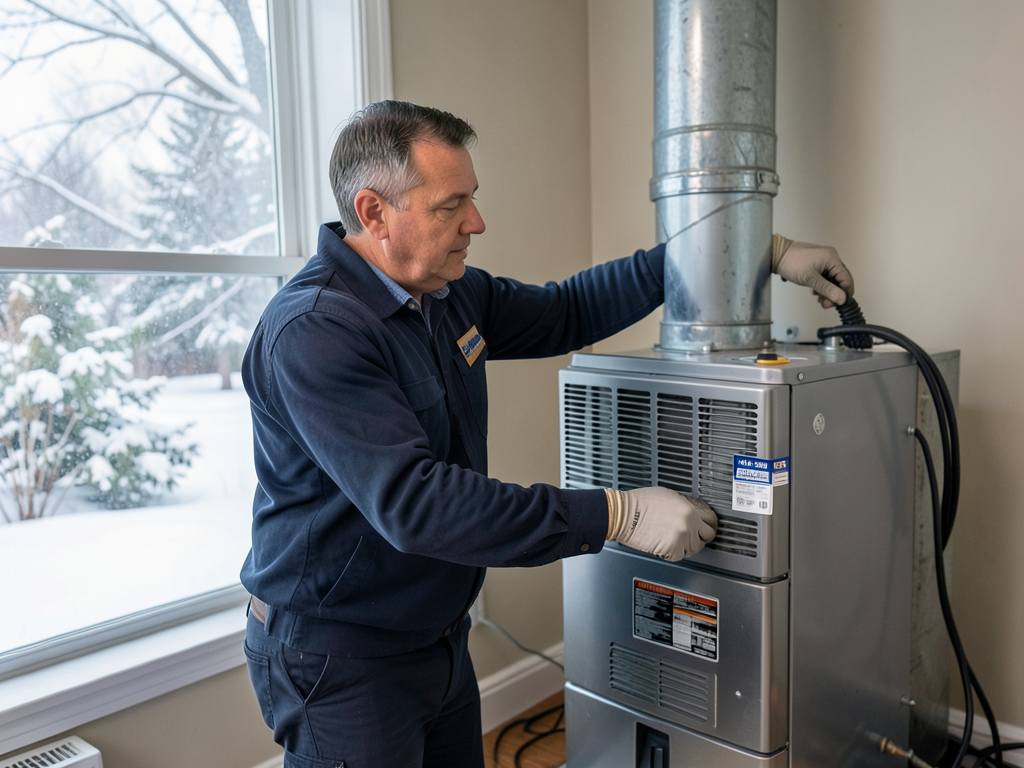
How Much You Should Actually Save for a Future HVAC Replacement Fund Replacing your HVAC system ranks among the biggest home investments you will make. In Columbus where winters can drop below zero and summers…
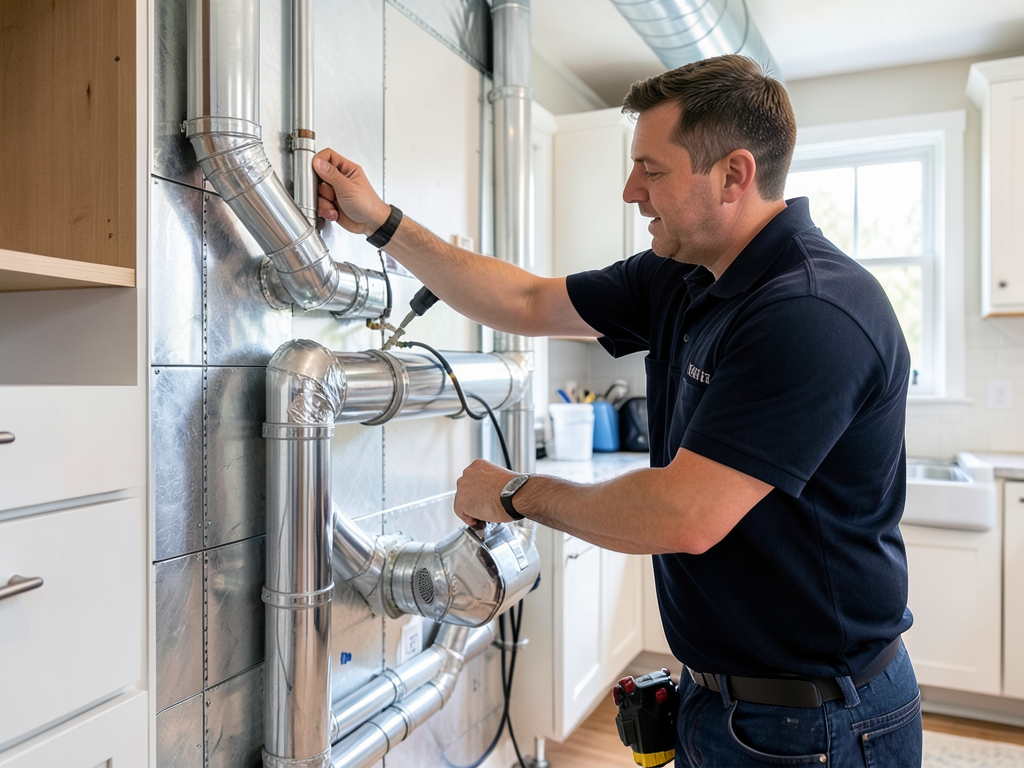
Moving Your Air Vents During a Major Kitchen Renovation in Upper Arlington Planning to move…

The Landlord Guide to Low Maintenance HVAC in the University District \n\n Managing rental properties…
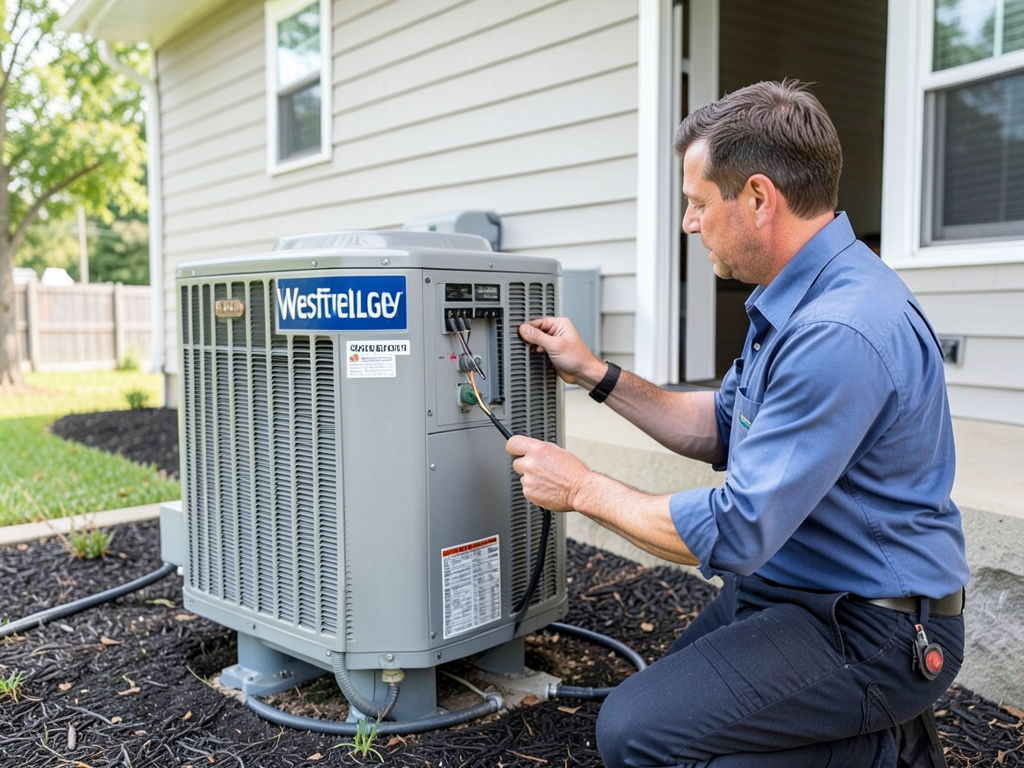
Why Westerville Homeowners are Looking into Solar Ready HVAC Systems Westerville homeowners are increasingly exploring…
Don't suffer through another day without reliable heating or cooling. Call Grand HVAC Columbus at (380) 253-3188 right now for same-day service. Our technicians are standing by to restore your comfort fast.