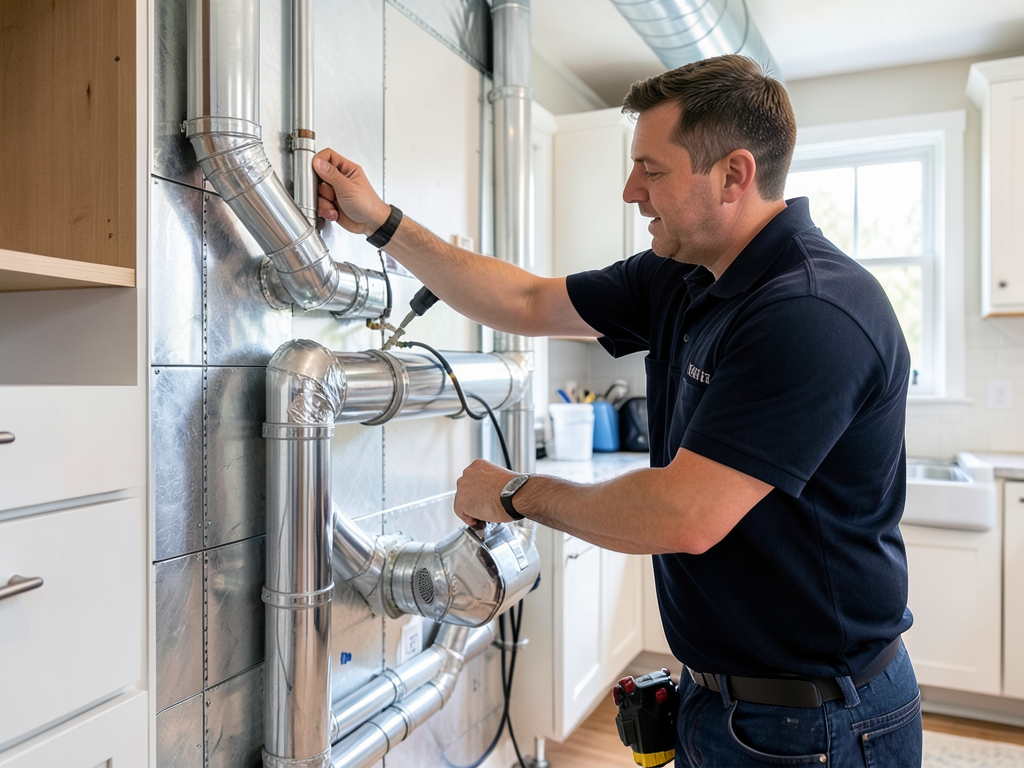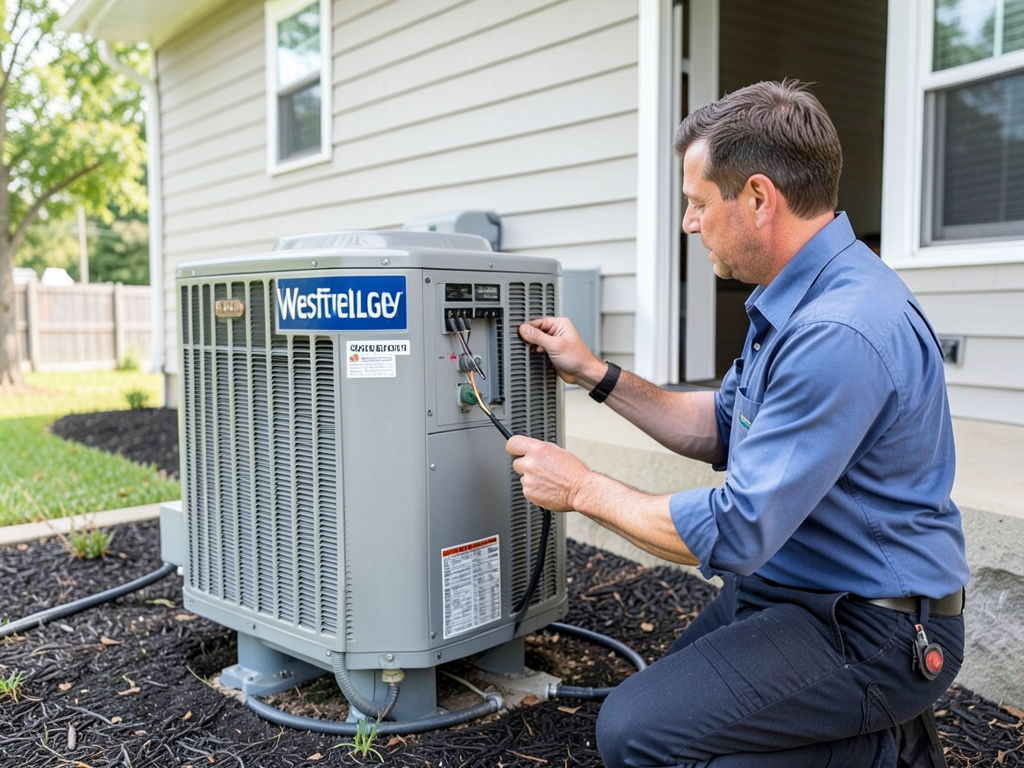







Columbus experiences extreme seasonal temperature variations that stress HVAC equipment beyond normal operating parameters. Summer heat index values regularly exceed 100 degrees while winter temperatures drop below 10 degrees, creating a 90-degree annual swing that degrades compressor windings, cracks heat exchangers, and fails control boards. The humidity from the Scioto River and Olentangy River watersheds keeps summer dew points above 70 degrees, forcing air conditioning systems to run extended cycles that overheat compressors and freeze evaporator coils. Freeze-thaw cycles during Columbus winters expand and contract refrigerant lines, creating vibration-induced failures in brazed joints and flare connections. Clay soil throughout Franklin County shifts with seasonal moisture changes and can misalign outdoor condensing units or stress refrigerant line sets.
Grand HVAC Columbus technicians receive ongoing training on Columbus-specific HVAC challenges including proper refrigerant charging for high-humidity climates, condensate drain sizing for above-average moisture removal, and ductwork sealing methods for unconditioned attics common in older Columbus neighborhoods. We maintain relationships with Columbus building inspectors and understand local permitting requirements for refrigerant line modifications and electrical service upgrades. Our parts inventory reflects the common failures we see in Columbus homes, reducing the need for follow-up visits and ensuring Saturday and Sunday heating and cooling repairs restore comfort immediately. We service neighborhoods throughout the Columbus metro including German Village, Victorian Village, Clintonville, Bexley, Grandview Heights, and Upper Arlington.