




Dublin sits in central Ohio where summer humidity pushes heat indexes over 100 degrees and January lows drop below 20 degrees. Your HVAC system runs hard for eight months of the year. The Scioto River corridor creates microclimates with higher moisture levels that stress air conditioning condensers and rust heat exchangers faster than in drier regions. Clay soil common throughout Dublin shifts with freeze-thaw cycles, stressing ductwork connections in crawl spaces and causing air leaks that waste energy.
Dublin's mix of 1980s ranch homes in Karrer Place and newer construction in Ballantrae means different HVAC challenges. Older systems use R-22 refrigerant that's expensive and hard to find. Newer high-efficiency systems need precise maintenance or they fail early. Spring pollen from the surrounding farmland clogs filters and coils. Winter ice dams from poor attic insulation force furnaces to work overtime. Your HVAC system is your defense against Ohio weather extremes. When it fails, you need someone who understands Dublin conditions and can fix problems fast.
Grand HVAC Columbus built its reputation fixing HVAC emergencies across central Ohio when other companies were closed or booked out for days. We staff technicians seven days a week because furnace failures and AC breakdowns don't wait for business hours. Our trucks carry diagnostic equipment and parts inventory for Carrier, Trane, Lennox, Rheem, and Goodman systems so we can complete most repairs in one visit without ordering parts and coming back later.
We train our technicians on both legacy systems common in Dublin's established neighborhoods and high-efficiency equipment in newer developments. That means accurate diagnosis the first time. No guessing. No unnecessary part replacements. We test refrigerant pressures, measure airflow, check electrical loads, and inspect heat exchangers with combustion analysis equipment. You get a clear explanation of what failed, why it failed, and what it costs to fix.
Dublin homeowners deal with enough stress when their HVAC system quits. We show up on time, protect your floors with boot covers, explain the problem in plain language, and give you options. If your system is repairable, we fix it. If replacement makes more sense, we explain why without pressure. Our pricing is straightforward. No hidden fees. No service call charges that disappear into the final bill. The price we quote is the price you pay.
We've worked in Dublin long enough to know the common failure points in different neighborhoods. Homes near Riverside Drive have humidity issues that corrode control boards. Properties in Dublinshire face duct problems from settled foundations. We know what to check based on where you live and the age of your home.

Most HVAC companies in Dublin book repair calls three to five days out. Grand HVAC Columbus prioritizes emergency service calls. We dispatch technicians the same day you call, often within hours. Our trucks run seven days a week so weekend and evening breakdowns get fixed fast. When your family is sweating through July heat or shivering in January cold, waiting days is not an option.

Our service vehicles carry common replacement parts for major HVAC brands installed throughout Dublin. Capacitors, contactors, thermostats, control boards, and refrigerant stay organized on every truck. This means we complete most repairs during the first visit without leaving to order parts. You get your system running the same day instead of waiting for parts to ship and scheduling a second appointment.
We show you the failed component and explain what caused the breakdown. You see the burned contactor, the corroded control board, or the cracked heat exchanger. Our technicians use testing equipment to verify problems instead of guessing. You receive a written estimate before work begins. No surprise charges. No upselling unnecessary repairs. Just honest diagnosis and fair pricing for the work your system actually needs.
Grand HVAC Columbus has serviced HVAC systems across Dublin's neighborhoods for years. We know the common issues in homes built during different decades. Riverside humidity problems. Ballantrae high-efficiency system quirks. Karrer Place ductwork challenges. This neighborhood-specific knowledge means faster diagnosis and targeted solutions. We understand how Dublin's clay soil, river proximity, and weather patterns affect your HVAC system based on where you live.
Grand HVAC Columbus handles every aspect of heating and cooling service in Dublin. Air conditioning repair when your system quits cooling during summer heat waves. Furnace service when winter temperatures drop and your heat stops working. Central air installation for whole-home comfort upgrades. Heat pump repair for homes using dual-fuel systems. Ductwork inspection and sealing to stop air leaks that waste energy. Thermostat replacement and smart control upgrades for better temperature management.
Our service range covers emergency breakdowns, routine maintenance, system diagnostics, and full equipment replacement. We service residential properties from single-family homes to multi-unit buildings. Commercial clients include offices, retail spaces, and light industrial facilities across Dublin. Whether you need a quick capacitor replacement or a complete system changeout, Grand HVAC Columbus has the expertise and equipment to handle it. We organize our services around what matters most to Dublin property owners: keeping systems running, fixing problems fast, and planning smart upgrades.
Your furnace quits at midnight in January. Your air conditioner fails during a July heatwave. Grand HVAC Columbus responds to HVAC emergencies across Dublin seven days a week. We diagnose the failure, locate the problem component, and complete repairs fast. Our technicians carry common replacement parts for major brands so most emergency repairs finish the same day. No waiting days in uncomfortable conditions. We dispatch quickly, work efficiently, and restore your comfort as fast as possible. Emergency service includes air conditioning breakdowns, furnace failures, refrigerant leaks, electrical problems, and blower motor issues.
Regular maintenance prevents most HVAC breakdowns. Grand HVAC Columbus offers seasonal tune-up service for Dublin homes and businesses. Spring air conditioning checks include cleaning coils, testing refrigerant pressures, inspecting electrical connections, and measuring airflow. Fall furnace maintenance covers heat exchanger inspection, burner cleaning, safety control testing, and combustion analysis. We catch small problems before they become expensive failures. Maintenance extends equipment life, improves energy efficiency, and reduces emergency breakdown risk. Service includes filter replacement, thermostat calibration, duct inspection, and system performance testing. Keep your HVAC running reliably with scheduled maintenance.
Old HVAC systems become expensive to repair and inefficient to operate. Grand HVAC Columbus handles complete system replacement for Dublin properties. We assess your home's heating and cooling needs, calculate proper equipment sizing, and recommend systems that fit your budget and comfort goals. Installation includes removing old equipment, setting new units, connecting refrigerant lines, installing thermostats, testing system operation, and verifying airflow. We install Carrier, Trane, Lennox, Rheem, and Goodman equipment with manufacturer warranties. New high-efficiency systems reduce energy bills and improve comfort. System replacement includes air conditioners, furnaces, heat pumps, and ductless mini-split systems.
Dublin's location in central Ohio creates specific HVAC challenges. Summer humidity above 70 percent forces air conditioning systems to work harder removing moisture. This extra load wears compressors and capacitors faster. Winter temperature swings from freezing nights to moderate afternoons stress furnace components. Clay soil throughout Dublin expands and contracts with moisture changes, shifting foundations and stressing ductwork connections. Homes near the Scioto River face higher humidity that corrodes electrical components and rusts metal parts faster.
Older neighborhoods have aging HVAC systems that use discontinued refrigerants. Newer developments have complex high-efficiency equipment that requires precise maintenance. Spring pollen from surrounding fields clogs air filters and outdoor coils. Ice dams from poor attic insulation make furnaces run continuously. Understanding these Dublin-specific problems helps homeowners recognize when their HVAC system needs professional attention before small issues become expensive failures.
Your AC runs constantly but your home stays warm. Dublin's summer temperatures combined with high humidity overwork air conditioning systems. Low refrigerant from leaks, dirty coils covered in pollen, failed capacitors, and clogged filters all prevent proper cooling. The compressor runs but the system can't remove heat effectively. Grand HVAC Columbus diagnoses cooling failures fast and restores your comfort.
January temperatures in Dublin drop below 20 degrees and your furnace quits working. Cracked heat exchangers, failed igniters, broken blower motors, and dirty flame sensors cause most heating failures. Your family faces dangerous cold until the problem gets fixed. We respond quickly to furnace emergencies, diagnose the failure accurately, and complete repairs to restore heat the same day whenever possible.
Your HVAC system runs constantly and your energy bills keep climbing. Duct leaks in crawl spaces, low refrigerant from slow leaks, dirty coils, and aging equipment waste energy. Dublin's clay soil shifts foundations and disconnects ductwork joints. Air escapes into unconditioned spaces instead of heating or cooling your home. We test system efficiency, locate air leaks, and recommend cost-effective solutions.
Your furnace makes banging sounds when it starts. Your air conditioner squeals during operation. Strange noises signal mechanical problems that need immediate attention. Failing blower motors, loose fan blades, worn bearings, and cracked heat exchangers all create unusual sounds. Ignoring these warnings leads to complete system failure. We identify noise sources, explain the problem, and complete repairs before minor issues become major breakdowns.
When your HVAC system fails, you need fast service without confusion or surprises. Grand HVAC Columbus makes the repair process straightforward. You call our dispatch line at (380) 253-3188 and speak with someone who schedules service quickly. We ask about your symptoms, equipment age, and comfort situation to prioritize emergency calls. Most service requests in Dublin get same-day dispatch. Our technicians arrive in marked trucks with equipment and parts ready to diagnose and repair your system.
You receive clear communication at every step. We call when the technician is on the way. We protect your floors and workspace during service. We explain the problem in plain language without technical jargon. You see the failed component and understand what caused the breakdown. We provide written estimates before starting repair work. No hidden charges. No surprise fees. The price we quote includes parts, labor, and warranty coverage. You decide whether to proceed with confidence about the final cost. After repairs finish, we test system operation and verify everything works correctly before leaving your property.
Grand HVAC Columbus prioritizes HVAC emergencies across Dublin. When you call with a broken air conditioner during summer heat or a failed furnace in winter cold, we dispatch technicians the same day whenever possible. Most emergency calls get service within hours, not days. We schedule appointments that fit your availability including evenings and weekends. You won't wait days sweating or shivering while other companies work through their backlog. Our goal is restoring your comfort as quickly as possible with minimal disruption to your schedule.
Our technicians test your HVAC system thoroughly before recommending repairs. You receive a complete explanation of what failed, why it failed, and what it costs to fix. We show you the broken component when possible. No guessing. No unnecessary part replacements. Written estimates include parts and labor costs before work begins. You approve the price before we start repairs. Our pricing is competitive and transparent. Service call fees apply to the final repair cost. You know exactly what you're paying before authorizing work.
Grand HVAC Columbus stands behind repair work with warranty coverage on parts and labor. We use quality replacement components from reliable suppliers. Our technicians complete repairs correctly the first time. After finishing repairs, we test system operation thoroughly before leaving. You get documentation of work completed and warranty terms in writing. If problems develop with repaired components during the warranty period, we return to make it right. Quality work and accountability matter more than fast exits and cheap parts.
Grand HVAC Columbus follows a simple three-step process for every service call in Dublin. This structured approach ensures accurate diagnosis, quality repairs, and verified results. You get professional service without confusion or delays.
Our technician arrives at your Dublin property with diagnostic equipment and parts inventory. We listen to your description of the problem and observe system operation. Testing includes measuring refrigerant pressures, checking electrical voltages, inspecting mechanical components, and verifying airflow. We locate the failed component and determine what caused the breakdown. You receive a clear explanation of the problem and a written estimate for repairs. We answer your questions and help you understand your options before starting work.
After you approve the estimate, we complete repairs using quality parts carried on our service trucks. Most common repairs finish during the first visit without ordering parts or scheduling return trips. We replace failed components, make necessary adjustments, and clean affected areas. Our technicians work efficiently while maintaining quality standards. We protect your floors and workspace throughout the repair process. You stay informed about progress and timing as we work.
Grand HVAC Columbus tests system operation thoroughly after completing repairs. We verify proper refrigerant pressures, measure airflow, check electrical loads, and confirm all safety controls function correctly. Your HVAC system must operate properly before we leave. We clean up the work area and provide documentation of repairs completed. You receive warranty information and maintenance recommendations. We answer final questions and ensure you're satisfied with the repair quality and system performance.
Professional HVAC service in Dublin requires following industry standards and local regulations. Grand HVAC Columbus adheres to Ohio mechanical code requirements for all installation and repair work. We maintain proper EPA certifications for refrigerant handling under Section 608 and Section 609 regulations. Our technicians complete continuing education on evolving HVAC technology including high-efficiency variable-speed systems and smart thermostat integration.
Air conditioning repair requires precise refrigerant charging using superheat and subcooling measurements, not guesswork or rule-of-thumb methods. Overcharging reduces efficiency and damages compressors. Undercharging prevents proper cooling and causes ice buildup on coils. We use calibrated manifold gauges and digital thermometers to verify exact refrigerant levels match manufacturer specifications for Dublin's climate conditions.
Furnace service includes combustion analysis using flue gas analyzers to measure carbon monoxide levels, oxygen content, and combustion efficiency. Cracked heat exchangers pose deadly carbon monoxide risks that visual inspection alone might miss. We test draft pressure, verify venting integrity, and inspect heat exchanger surfaces using inspection cameras when necessary. Ohio building codes require specific clearances around furnaces and proper venting materials. We ensure all installations and repairs meet these safety standards.
Duct system design follows Manual D protocols from the Air Conditioning Contractors of America. Proper duct sizing prevents airflow restrictions that reduce system capacity and increase energy consumption. Dublin's clay soil causes foundation settlement that stresses duct connections in crawl spaces. We inspect ductwork for disconnected joints, crushed sections, and missing insulation. Duct leakage testing using pressure measurement equipment quantifies air loss and guides sealing priorities. Properly sealed ductwork improves comfort, reduces energy costs, and extends equipment life.
Equipment sizing requires accurate load calculations using Manual J methodology. Oversized systems short-cycle and fail to dehumidify properly. Undersized systems run constantly without reaching setpoint temperatures. We calculate heating and cooling loads based on Dublin's climate data, home construction details, insulation levels, window specifications, and occupancy patterns. Correct sizing ensures optimal comfort, efficiency, and equipment longevity. Installing the right size equipment matters more than upgrading to higher efficiency ratings on improperly sized systems.
Federal EPA regulations govern refrigerant handling, recovery, and disposal. Grand HVAC Columbus maintains required Section 608 certifications for all technicians. We recover refrigerant properly before opening systems, use certified recovery equipment, and document refrigerant charges accurately. Many older Dublin homes still have R-22 systems that require careful handling of this discontinued refrigerant. Modern R-410A systems need precise charging for proper operation. We follow exact manufacturer specifications for refrigerant quantities and charging methods.
HVAC equipment must match your home's actual heating and cooling needs. Manual J load calculations determine proper equipment capacity based on Dublin's climate, home size, insulation levels, window areas, and construction details. Contractors who size equipment using square footage rules or match existing equipment often install wrong-sized systems. Oversized units waste energy and fail to control humidity. Undersized units run constantly without maintaining comfort. Proper sizing requires detailed calculations and proper equipment selection.
Gas furnaces produce carbon monoxide during combustion. Cracked heat exchangers, improper venting, and incomplete combustion create deadly carbon monoxide hazards. Grand HVAC Columbus tests combustion gases using calibrated analyzers during every furnace service call. We measure carbon monoxide levels, verify proper draft pressure, and inspect heat exchanger integrity. Ohio mechanical codes require specific clearances and venting materials. We ensure furnace installations and repairs meet all safety standards to protect Dublin families.
Ductwork must deliver proper airflow to every room for balanced comfort. Manual D design standards specify duct sizes, fitting types, and layout requirements. Undersized ducts restrict airflow and reduce system capacity. Disconnected joints waste conditioned air in unconditioned spaces. Dublin's clay soil shifts foundations and stresses duct connections. We inspect ductwork for leaks, crushed sections, and improper installation. Sealing duct leaks improves efficiency by 20 percent or more in many homes. Proper duct design matters as much as equipment quality.
Expert explanation of common HVAC problems affecting Dublin, Ohio homes including air conditioning failures, furnace breakdowns, and high energy bills. Covers Dublin-specific challenges like clay soil ductwork stress, Scioto River humidity effects, and neighborhood-based HVAC issues. Grand HVAC Columbus explains diagnostic processes, repair solutions, and maintenance recommendations for central Ohio climate conditions. Learn when to call for emergency HVAC service and what professional repairs involve.
Grand HVAC Columbus provides HVAC service throughout Dublin and surrounding central Ohio communities. We respond to service calls across established neighborhoods like Karrer Place and Indian Run where homes built in the 1980s and 1990s face aging HVAC equipment and ductwork challenges from settled foundations. These areas feature split-level and ranch-style homes with crawl space ductwork that develops leaks as Dublin's clay soil shifts with seasonal moisture changes. Original equipment in these neighborhoods often uses R-22 refrigerant that's expensive and difficult to obtain.
Newer developments like Ballantrae, Wyandotte Woods, and Tartan Ridge feature modern high-efficiency HVAC systems that require precise maintenance and proper thermostat programming. These neighborhoods have larger homes with complex zoned systems and smart controls. Homeowners appreciate our technicians' expertise with variable-speed equipment and multi-stage systems common in premium installations. We understand the specific equipment brands and models popular in these developments and stock appropriate parts.
Properties near the Scioto River corridor including Riverside Drive and Dublin Road face higher humidity that accelerates corrosion on electrical components and outdoor condensing units. These locations require more frequent coil cleaning and electrical connection inspection. Homes in Muirfield Village and Tartan West feature custom HVAC installations where equipment placement and ductwork routing differ significantly from standard builder installations. We diagnose problems in custom systems efficiently because our technicians work across all HVAC configurations.
Dublin's proximity to Columbus means we also serve surrounding communities including Powell to the north, Hilliard to the south, and Plain City to the west. These areas share Dublin's climate challenges and soil conditions. We understand how location affects HVAC performance across central Ohio. Properties closer to rural areas deal with more pollen and dust loading on filters and coils. Homes in developing areas often have construction debris in ductwork that restricts airflow. Our service area knowledge helps us diagnose location-specific problems quickly and recommend appropriate solutions for your specific Dublin neighborhood.
The $5000 rule is a replacement guideline. Multiply your system age by the repair cost. If the total exceeds $5000, replacement makes more sense than repair. For example, a 12-year-old system needing $500 in repairs equals $6000, signaling replacement time. This rule helps Dublin homeowners avoid throwing money at aging equipment that will fail again soon. Factor in Ohio's humid summers and cold winters, which stress older systems. A new energy-efficient unit often pays for itself through lower utility bills and fewer breakdowns.
HVAC job costs vary widely based on complexity. Minor repairs like thermostat replacements or capacitor swaps run lower, while refrigerant leaks or compressor failures cost more. System replacements represent the biggest expense. Dublin homeowners should expect seasonal pricing differences, with peak demand during summer heat waves and winter cold snaps. Service call fees typically include diagnostics. Get written estimates before approving work. Costs also depend on your home's size, existing ductwork condition, and efficiency requirements for Ohio's climate zones.
A new HVAC system cost depends on home size, efficiency rating, and installation complexity. Single-stage systems cost less upfront but use more energy. Variable-speed systems cost more but reduce utility bills and handle Dublin's temperature swings better. Factor in ductwork modifications, permits, and disposal fees for old equipment. Ohio's climate demands systems that handle humid summers and freezing winters. Brand choice affects price and longevity. Higher SEER ratings mean better efficiency. Get multiple quotes and compare equipment specifications, not just bottom-line prices.
The $5000 rule is a replacement guideline. Multiply your system age by the repair cost. If the total exceeds $5000, replacement makes more sense than repair. For example, a 12-year-old system needing $500 in repairs equals $6000, signaling replacement time. This rule helps Dublin homeowners avoid throwing money at aging equipment that will fail again soon. Factor in Ohio's humid summers and cold winters, which stress older systems. A new energy-efficient unit often pays for itself through lower utility bills and fewer breakdowns.
HVAC job costs vary widely based on complexity. Minor repairs like thermostat replacements or capacitor swaps run lower, while refrigerant leaks or compressor failures cost more. System replacements represent the biggest expense. Dublin homeowners should expect seasonal pricing differences, with peak demand during summer heat waves and winter cold snaps. Service call fees typically include diagnostics. Get written estimates before approving work. Costs also depend on your home's size, existing ductwork condition, and efficiency requirements for Ohio's climate zones.
A new HVAC system cost depends on home size, efficiency rating, and installation complexity. Single-stage systems cost less upfront but use more energy. Variable-speed systems cost more but reduce utility bills and handle Dublin's temperature swings better. Factor in ductwork modifications, permits, and disposal fees for old equipment. Ohio's climate demands systems that handle humid summers and freezing winters. Brand choice affects price and longevity. Higher SEER ratings mean better efficiency. Get multiple quotes and compare equipment specifications, not just bottom-line prices.
A 3000 square foot house typically needs a 3.5 to 5-ton HVAC system, depending on insulation, ceiling height, window quality, and sun exposure. Dublin's climate requires proper sizing to handle humid July days and January freezes. Oversized units short-cycle and waste energy. Undersized units run constantly and fail prematurely. A Manual J load calculation determines exact needs based on your home's specific characteristics. Two-story homes often need zoned systems. Ductwork condition affects sizing too. Always get a professional load calculation before purchasing equipment.
The Inflation Reduction Act offers tax credits for energy-efficient HVAC systems through 2032. You can claim up to 30 percent of costs, capped at specific amounts for qualifying equipment. Your new system must meet minimum efficiency standards. Heat pumps often qualify for higher credits than standard air conditioners. Dublin homeowners should keep all receipts and manufacturer certification statements. Consult a tax professional to verify eligibility based on your specific situation. State and utility rebates may stack with federal credits, increasing total savings on qualifying high-efficiency systems.
The 3-minute rule prevents compressor damage. After your AC shuts off, wait at least three minutes before restarting. This allows refrigerant pressure to equalize throughout the system. Starting too soon forces the compressor to work against high pressure, causing wear and potential failure. Modern thermostats have built-in delay features. Never rapidly cycle your thermostat up and down. Dublin's hot summers tempt homeowners to keep adjusting settings, but this damages equipment. Set your desired temperature and leave it. Patience protects your compressor and extends system life.
A 1200 square foot house usually needs a 1.5 to 2.5-ton system. Exact sizing depends on insulation quality, window efficiency, and layout. Older Dublin homes with single-pane windows and minimal insulation need more capacity than newer energy-efficient builds. Ranch-style homes cool differently than two-story layouts. Proper duct sizing matters as much as equipment capacity. Open floor plans distribute air better than chopped-up layouts. A professional load calculation prevents oversizing or undersizing. Climate zone, sun exposure, and shade coverage all affect requirements for Central Ohio conditions.
HVAC technician hourly wages in the Dublin area vary by experience, certifications, and employer type. Entry-level techs earn less than master technicians with EPA certifications and specialized training. Residential service techs and commercial installers have different pay scales. Union positions typically offer higher wages and benefits. Self-employed techs set their own rates. Demand stays strong year-round in Ohio due to extreme seasonal weather. Overtime during peak summer and winter months increases take-home pay. Continuing education and additional certifications like NATE boost earning potential significantly throughout careers.
HVAC systems last 15 to 20 years with proper maintenance. Dublin's climate, with hot humid summers and cold winters, stresses equipment and may shorten lifespan without regular service. Furnaces often outlast air conditioners. Coastal or industrial areas see faster corrosion, but Central Ohio's environment is moderate. Annual tune-ups, filter changes, and prompt repairs extend life. Cheap installations fail sooner than quality work. System abuse like constant thermostat changes or blocked vents reduces longevity. Higher-efficiency systems often last longer due to better components and less operational stress.
A 2000 square foot home typically needs a 2.5 to 4-ton system. Pricing varies based on efficiency ratings, brand selection, and installation complexity. Single-stage units cost less than variable-speed models but use more energy. Factor in ductwork modifications, electrical upgrades, permits, and old equipment removal. Dublin's climate requires systems that handle Ohio's temperature extremes efficiently. Multi-zone systems cost more but improve comfort in two-story homes. Higher SEER ratings increase upfront costs but lower monthly utility bills. Get detailed written estimates comparing equipment specifications and warranty coverage.
A 3000 square foot house typically needs a 3.5 to 5-ton HVAC system, depending on insulation, ceiling height, window quality, and sun exposure. Dublin's climate requires proper sizing to handle humid July days and January freezes. Oversized units short-cycle and waste energy. Undersized units run constantly and fail prematurely. A Manual J load calculation determines exact needs based on your home's specific characteristics. Two-story homes often need zoned systems. Ductwork condition affects sizing too. Always get a professional load calculation before purchasing equipment.
The Inflation Reduction Act offers tax credits for energy-efficient HVAC systems through 2032. You can claim up to 30 percent of costs, capped at specific amounts for qualifying equipment. Your new system must meet minimum efficiency standards. Heat pumps often qualify for higher credits than standard air conditioners. Dublin homeowners should keep all receipts and manufacturer certification statements. Consult a tax professional to verify eligibility based on your specific situation. State and utility rebates may stack with federal credits, increasing total savings on qualifying high-efficiency systems.
The 3-minute rule prevents compressor damage. After your AC shuts off, wait at least three minutes before restarting. This allows refrigerant pressure to equalize throughout the system. Starting too soon forces the compressor to work against high pressure, causing wear and potential failure. Modern thermostats have built-in delay features. Never rapidly cycle your thermostat up and down. Dublin's hot summers tempt homeowners to keep adjusting settings, but this damages equipment. Set your desired temperature and leave it. Patience protects your compressor and extends system life.
A 1200 square foot house usually needs a 1.5 to 2.5-ton system. Exact sizing depends on insulation quality, window efficiency, and layout. Older Dublin homes with single-pane windows and minimal insulation need more capacity than newer energy-efficient builds. Ranch-style homes cool differently than two-story layouts. Proper duct sizing matters as much as equipment capacity. Open floor plans distribute air better than chopped-up layouts. A professional load calculation prevents oversizing or undersizing. Climate zone, sun exposure, and shade coverage all affect requirements for Central Ohio conditions.
HVAC technician hourly wages in the Dublin area vary by experience, certifications, and employer type. Entry-level techs earn less than master technicians with EPA certifications and specialized training. Residential service techs and commercial installers have different pay scales. Union positions typically offer higher wages and benefits. Self-employed techs set their own rates. Demand stays strong year-round in Ohio due to extreme seasonal weather. Overtime during peak summer and winter months increases take-home pay. Continuing education and additional certifications like NATE boost earning potential significantly throughout careers.
HVAC systems last 15 to 20 years with proper maintenance. Dublin's climate, with hot humid summers and cold winters, stresses equipment and may shorten lifespan without regular service. Furnaces often outlast air conditioners. Coastal or industrial areas see faster corrosion, but Central Ohio's environment is moderate. Annual tune-ups, filter changes, and prompt repairs extend life. Cheap installations fail sooner than quality work. System abuse like constant thermostat changes or blocked vents reduces longevity. Higher-efficiency systems often last longer due to better components and less operational stress.
A 2000 square foot home typically needs a 2.5 to 4-ton system. Pricing varies based on efficiency ratings, brand selection, and installation complexity. Single-stage units cost less than variable-speed models but use more energy. Factor in ductwork modifications, electrical upgrades, permits, and old equipment removal. Dublin's climate requires systems that handle Ohio's temperature extremes efficiently. Multi-zone systems cost more but improve comfort in two-story homes. Higher SEER ratings increase upfront costs but lower monthly utility bills. Get detailed written estimates comparing equipment specifications and warranty coverage.
Grand HVAC Columbus is proud to serve the entire Columbus area and surrounding communities. We are committed to being a local, dependable resource for all your heating and cooling needs. Our convenient location ensures that we can respond quickly and efficiently to service calls, whether you're a residential or commercial client. We invite you to view our service area on the map to see how we can bring our expert HVAC solutions right to your doorstep.
Address:
Dublin, OH, 43017
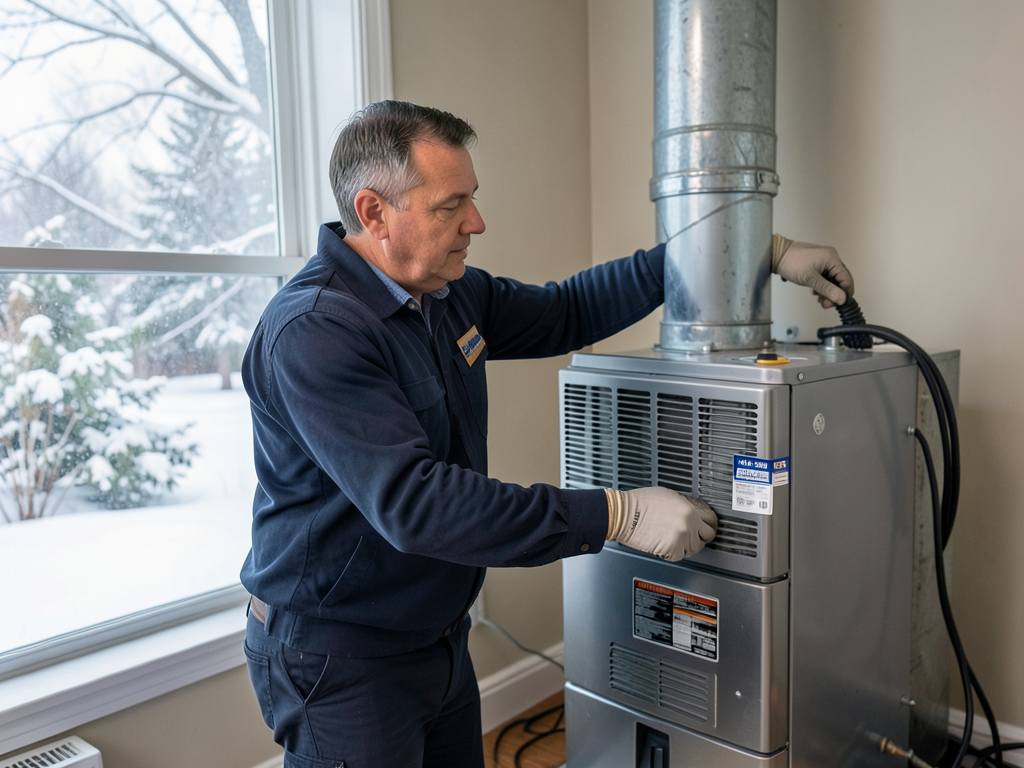
How Much You Should Actually Save for a Future HVAC Replacement Fund Replacing your HVAC system ranks among the biggest home investments you will make. In Columbus where winters can drop below zero and summers…
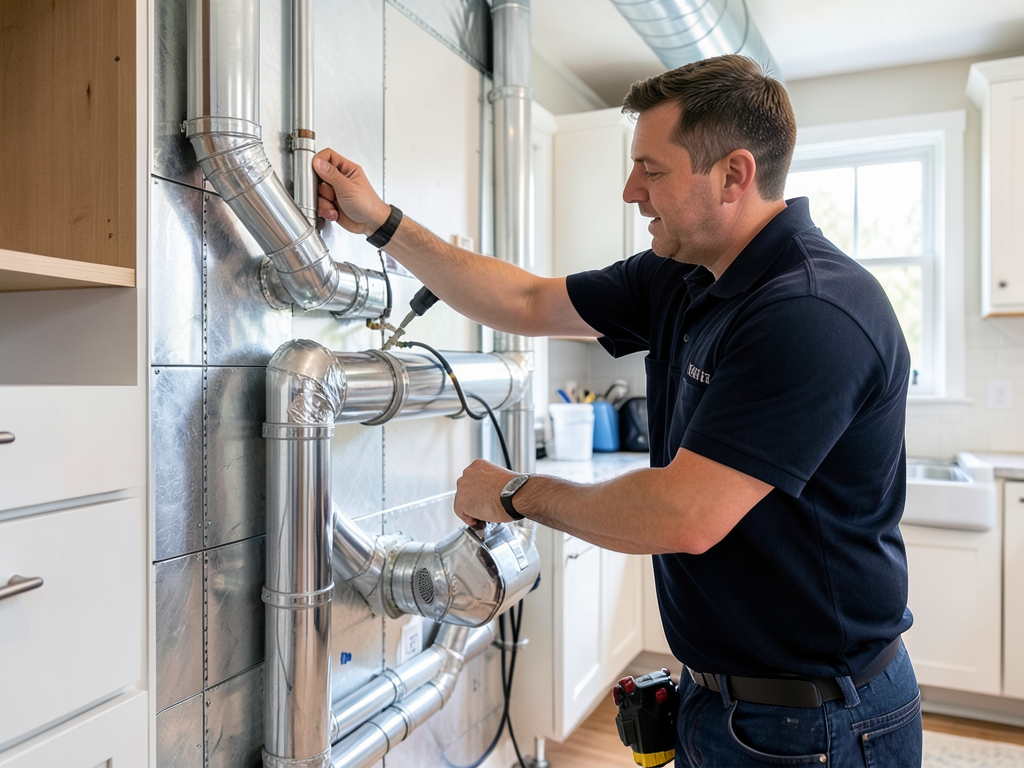
Moving Your Air Vents During a Major Kitchen Renovation in Upper Arlington Planning to move…

The Landlord Guide to Low Maintenance HVAC in the University District \n\n Managing rental properties…
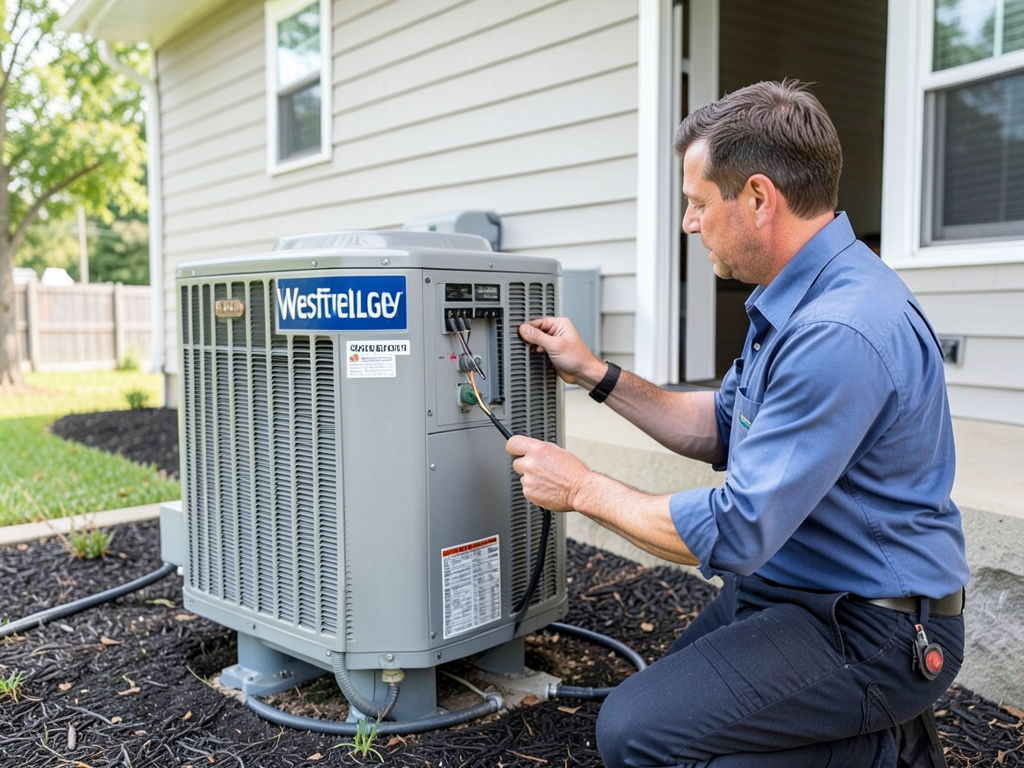
Why Westerville Homeowners are Looking into Solar Ready HVAC Systems Westerville homeowners are increasingly exploring…
Your HVAC emergency can't wait. Grand HVAC Columbus responds fast to restore comfort in Dublin homes. Call (380) 253-3188 now for same-day service. Our technicians arrive ready to diagnose and repair your system quickly. Stop suffering in uncomfortable temperatures and get professional HVAC service today.