
The Real Differences Between Single Stage and Variable Speed Units for Gahanna Homeowners
Choosing between a single stage and variable speed air conditioning unit affects your comfort, energy bills, and indoor air quality in Gahanna’s humid climate. Single stage units operate at full capacity or not at all, while variable speed systems adjust their output continuously to match your home’s cooling needs. This difference matters because Central Ohio summers bring high humidity and temperature swings that impact how efficiently your AC removes heat and moisture from your home. Improving the Air Quality in Your Older Clintonville Home.
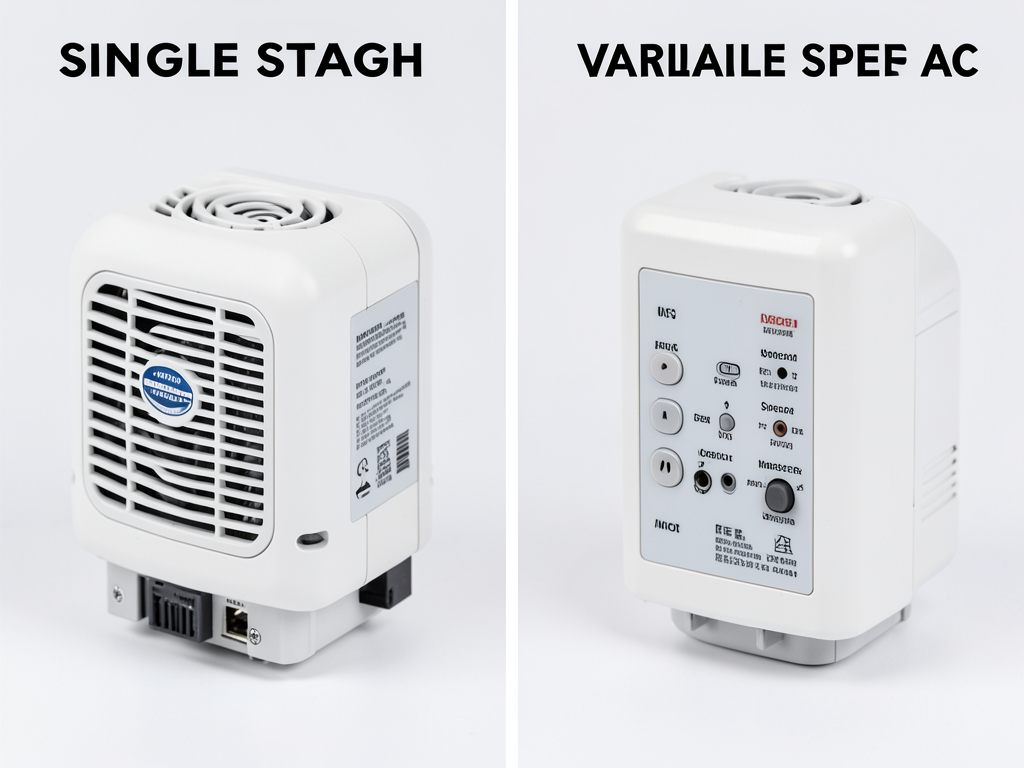
Single Stage vs Variable Speed: The Core Technology Difference
Single stage compressors use one fixed-speed motor that runs at 100% capacity when cooling is needed. The system turns on, runs at full blast until the thermostat reaches the set temperature, then shuts off completely. This on-off cycling happens multiple times per hour, creating temperature swings and higher energy use during startup.
Variable speed units use inverter-driven compressors that can operate at any capacity between 30% and 100%. Instead of cycling on and off, the system adjusts its speed continuously based on cooling demand. This technology works like a dimmer switch for your lights, providing just enough cooling to maintain consistent comfort without the energy spikes of starting and stopping.
Two-stage units offer a middle ground with two operating speeds: high for hot days and low for mild conditions. However, they still lack the fine-tuning ability of true variable speed systems that can make hundreds of adjustments per hour.
Upfront Costs and Installation Requirements
| Feature | Single Stage | Variable Speed |
|---|---|---|
| Unit Cost | $2,500 – $4,000 | $4,500 – $7,000 |
| Installation Complexity | Standard | Advanced wiring and controls |
| Thermostat Compatibility | Basic programmable | Smart/communicating thermostat |
| Typical Lifespan | 12-15 years | 15-20 years |
Single stage units cost less initially because they use simpler technology and standard components. The installation process is straightforward, requiring basic electrical connections and standard ductwork. Variable speed systems need specialized controls, compatible thermostats, and sometimes upgraded electrical service to handle the inverter technology.
Older homes in Gahanna’s established neighborhoods often need electrical panel upgrades before installing variable speed equipment. The additional cost ranges from $500 to $1,500 depending on your home’s existing electrical capacity and the specific system requirements. HVAC Gahanna.
Energy Efficiency and Operating Costs
Variable speed units achieve higher SEER2 ratings by running continuously at lower speeds rather than cycling on and off. A typical single stage unit might have a SEER2 rating of 14-16, while variable speed systems can reach 18-26 SEER2. This efficiency translates to real savings on your AEP Ohio electric bill.
During a typical July in Gahanna, a single stage unit might run 30% of the time at full power, while a variable speed system runs 70-80% of the time at 30-50% capacity. The continuous operation uses less electricity than the frequent starts and stops of single stage units, which consume the most power during compressor startup.
Based on AEP Ohio’s current rates and Central Ohio’s cooling season length, homeowners typically save $25-40 per month on electricity with variable speed technology. Over a 15-year system life, these savings can offset the higher initial cost, especially when combined with available utility rebates.
Humidity Control and Indoor Air Quality
Humidity control separates good air conditioning from great air conditioning in Gahanna. Ohio summers bring dew points in the 60s and 70s, creating that sticky feeling when your AC can’t keep up with moisture removal. Single stage units cool the air but often shut off before adequately dehumidifying, leaving your home feeling clammy. EPA Information on Indoor Air Quality.
Variable speed systems excel at humidity control because they run longer at lower speeds. This extended operation allows the indoor coil to stay cold longer, condensing more moisture from the air. The result is indoor humidity levels of 45-55% compared to 55-65% with single stage units during peak summer months.
Better humidity control also means improved indoor air quality. Lower humidity reduces dust mite populations and mold growth potential. The continuous air circulation in variable speed systems filters your home’s air more times per day, removing pollen, pet dander, and other allergens that affect Gahanna residents during spring and fall.
Many older homes in Gahanna’s historic districts have ductwork that wasn’t designed for modern HVAC systems. Variable speed units work better with these older duct systems because they operate at lower pressures, reducing air leaks and improving overall system efficiency.
Noise Levels and Comfort
Sound levels during operation differ significantly between the two technologies. Single stage units produce 70-80 decibels when running, creating noticeable noise that can interrupt conversations or wake light sleepers. The sound comes from the compressor motor running at full speed and the rush of high-volume air through ducts.
Variable speed units operate at 50-60 decibels during normal cooling, about as loud as a refrigerator. The lower fan speeds and reduced compressor strain create a gentle hum rather than the roar of a single stage unit. This quiet operation is especially valuable for bedrooms and home offices in Gahanna’s newer developments.
Temperature consistency improves dramatically with variable speed technology. Single stage units create 2-4 degree temperature swings as they cycle on and off. Variable speed systems maintain temperatures within 1 degree of your thermostat setting by making constant micro-adjustments to cooling output.
This consistent comfort means no more hot spots in upstairs bedrooms or cold drafts when the system kicks on. The continuous air circulation also helps distribute conditioned air more evenly throughout your home, eliminating the temperature differences common in multi-story houses.. Read more about How to Fix Hot and Cold Spots in Your Two Story Merion Village Home.
Maintenance Requirements and System Longevity
Maintenance needs differ between the two system types. Single stage units require annual professional maintenance and monthly filter changes. The frequent cycling on and off creates more wear on components, particularly the compressor and contactor, which are common failure points after 8-10 years. Why Your Westerville AC Needs a Tune Up Before the Humidity Hits.
Variable speed systems need professional maintenance twice yearly due to their complexity. However, they often last 15-20 years compared to 12-15 years for single stage units. The reduced stress from continuous operation at lower speeds means fewer mechanical failures and longer component life.
The indoor air quality benefits extend to system protection. Better humidity control prevents the coil freezing and condensate drainage issues that plague single stage units in humid conditions. This means fewer emergency service calls during the peak cooling season when you need reliability most. Where to Find 24 Hour Emergency HVAC Help Anywhere in Columbus.
Ohio’s freeze-thaw cycles and humidity create unique challenges for HVAC equipment. Variable speed systems handle these conditions better because they can adjust operation based on outdoor temperature and humidity, preventing the stress that comes from running at full capacity in mild conditions.
Who Should Choose Which System
Single stage units make sense for rental properties, vacation homes, or homeowners planning to move within 5 years. The lower upfront cost and adequate cooling performance provide good value when long-term efficiency isn’t the priority. They also work well in smaller homes under 1,500 square feet where the cycling impact is less noticeable.
Variable speed systems are ideal for forever homes, families with allergy sufferers, or anyone who values consistent comfort and lower utility bills. They’re particularly beneficial in multi-story homes, houses with open floor plans, or properties where the AC runs frequently due to sun exposure or poor insulation.
Gahanna’s mix of historic homes and newer developments means installation requirements vary. Older homes may need electrical upgrades but benefit greatly from the improved humidity control. Newer constructions with better insulation see maximum efficiency gains from variable speed technology.
Consider your AEP Ohio rate plan when making this decision. If you’re on a time-of-use plan with higher rates during peak afternoon hours, the efficiency of variable speed units during these periods provides greater savings. The continuous operation also means your home stays comfortable during power company conservation alerts.
AEP Ohio Rebates and Energy Incentives
AEP Ohio offers rebates for high-efficiency HVAC equipment that can offset the higher cost of variable speed systems. Current incentives include $300-600 for units with SEER2 ratings above 16, with additional rebates available for complete system replacements that include variable speed air handlers.
These rebates change annually based on program funding, but variable speed systems typically qualify for the maximum available incentives. The utility company also offers free energy audits that can identify additional savings opportunities in your home’s insulation, windows, and ductwork.
Combining utility rebates with federal tax credits for energy-efficient equipment can reduce the cost difference between single stage and variable speed systems by 30-40%. This makes the long-term economics much more favorable for variable speed technology, especially in homes where the AC runs frequently.
Making the Right Choice for Your Home
The decision between single stage and variable speed cooling comes down to your priorities, budget, and how long you plan to stay in your Gahanna home. Both technologies will keep your home cool, but they do so in fundamentally different ways that impact your comfort, energy bills, and indoor air quality.
Consider having a professional load calculation performed to determine the exact cooling capacity your home needs. This analysis accounts for your home’s size, insulation, windows, orientation, and local climate factors specific to Gahanna. Oversized systems, common with single stage units, lead to short cycling and poor humidity control.. Read more about A Local Guide to Understanding HVAC SEER2 Ratings in Central Ohio.
Ask about two-stage options if you’re torn between the two technologies. These systems offer improved efficiency and comfort over single stage units while keeping costs closer to the lower end of the spectrum. They represent a good compromise for many Gahanna homeowners who want better performance without the highest upfront investment.. Read more about Keeping Your Italian Village Loft Cool with Modern Zone Control Systems.
The best choice depends on your specific situation. A variable speed system costs more initially but provides superior comfort, efficiency, and air quality. Single stage units offer reliable cooling at a lower price point. Understanding these real differences helps you make an informed decision that will keep your Gahanna home comfortable for years to come.
Frequently Asked Questions
How much more does a variable speed AC unit cost compared to single stage?
Variable speed units typically cost $2,000 to $3,500 more upfront than comparable single stage systems. However, when you factor in energy savings of $25-40 per month during cooling season and available utility rebates, the total cost of ownership often favors variable speed technology within 5-7 years.
Can I install a variable speed system in my older Gahanna home?
Yes, but older homes may need electrical panel upgrades and potentially new thermostats. The installation requires compatible controls and sometimes ductwork modifications. Many historic homes in Gahanna benefit greatly from variable speed technology’s improved humidity control and quieter operation.
What SEER2 rating should I look for in a new AC unit?
For Gahanna’s climate, aim for at least 16 SEER2 for adequate efficiency. Variable speed systems typically offer 18-26 SEER2, with the higher ratings providing the best long-term value. The energy savings increase significantly with each step up in efficiency, especially during the humid Ohio summers.
How long does it take to recover the extra cost of a variable speed system?
Most homeowners recover the additional cost through energy savings within 5-7 years. This timeline shortens with higher cooling usage, available utility rebates, and rising electricity rates. Over a 15-20 year system life, variable speed owners typically save $3,000 to $5,000 compared to single stage operation.
Will a variable speed system really make my home more comfortable?
Yes. Variable speed systems maintain temperatures within 1 degree of your thermostat setting compared to 2-4 degree swings with single stage units. They also provide better humidity control, eliminate hot and cold spots, operate more quietly, and filter your air more effectively throughout the day.
Ready to upgrade your home’s cooling system? Call (380) 253-3188 today to schedule your free consultation and learn which system is right for your Gahanna home. Our NATE-certified technicians will evaluate your specific needs and help you make the best choice for your comfort and budget.
Don’t wait until your old system fails on the hottest day of the year. Pick up the phone and call (380) 253-3188 now to schedule your inspection. We’ll help you understand all your options and find the perfect cooling solution for your Gahanna home. For more information, visit U.S. Department of Energy on Central Air Conditioning.
{
“@context”: “https://schema.org”,
“@type”: “BlogPosting”,
“headline”: “The Real Differences Between Single Stage and Variable Speed Units for Gahanna Homeowners”,
“description”: “Comparing single stage vs variable speed AC units for Gahanna homes. Learn about efficiency, humidity control, and cost savings for Central Ohio’s humid climate.”,
“wordCount”: 2054,
“datePublished”: “2026-03-18T08:23:00.000Z”,
“dateModified”: “2026-03-18T08:23:00.000Z”,
“inLanguage”: “en-US”,
“mainEntityOfPage”: {
“@type”: “WebPage”,
“@id”: “https://grandhvaccolumbus.com”
},
“publisher”: {
“@type”: “LocalBusiness”,
“name”: “Grand HVAC Columbus”,
“url”: “https://grandhvaccolumbus.com”
},
“author”: {
“@type”: “Organization”,
“name”: “Grand HVAC Columbus”,
“url”: “https://grandhvaccolumbus.com”
},
“image”: {
“@type”: “ImageObject”,
“url”: “https://grandhvaccolumbus.com/wp-content/uploads/2026/03/the-real-differences-between-single-stage-and-vari-1.png”
}
}
{
“@context”: “https://schema.org”,
“@type”: “HVACBusiness”,
“name”: “Grand HVAC Columbus”,
“url”: “https://grandhvaccolumbus.com”,
“address”: {
“@type”: “PostalAddress”,
“addressLocality”: “Columbus”
},
“areaServed”: {
“@type”: “City”,
“name”: “Columbus”
}
}
{
“@context”: “https://schema.org”,
“@type”: “FAQPage”,
“mainEntity”: [
{
“@type”: “Question”,
“name”: “How much more does a variable speed AC unit cost compared to single stage?”,
“acceptedAnswer”: {
“@type”: “Answer”,
“text”: “Variable speed units typically cost $2,000 to $3,500 more upfront than comparable single stage systems. However, when you factor in energy savings of $25-40 per month during cooling season and available utility rebates, the total cost of ownership often favors variable speed technology within 5-7 years.”
}
},
{
“@type”: “Question”,
“name”: “Can I install a variable speed system in my older Gahanna home?”,
“acceptedAnswer”: {
“@type”: “Answer”,
“text”: “Yes, but older homes may need electrical panel upgrades and potentially new thermostats. The installation requires compatible controls and sometimes ductwork modifications. Many historic homes in Gahanna benefit greatly from variable speed technology’s improved humidity control and quieter operation.”
}
},
{
“@type”: “Question”,
“name”: “What SEER2 rating should I look for in a new AC unit?”,
“acceptedAnswer”: {
“@type”: “Answer”,
“text”: “For Gahanna’s climate, aim for at least 16 SEER2 for adequate efficiency. Variable speed systems typically offer 18-26 SEER2, with the higher ratings providing the best long-term value. The energy savings increase significantly with each step up in efficiency, especially during the humid Ohio summers.”
}
},
{
“@type”: “Question”,
“name”: “How long does it take to recover the extra cost of a variable speed system?”,
“acceptedAnswer”: {
“@type”: “Answer”,
“text”: “Most homeowners recover the additional cost through energy savings within 5-7 years. This timeline shortens with higher cooling usage, available utility rebates, and rising electricity rates. Over a 15-20 year system life, variable speed owners typically save $3,000 to $5,000 compared to single stage operation.”
}
},
{
“@type”: “Question”,
“name”: “Will a variable speed system really make my home more comfortable?”,
“acceptedAnswer”: {
“@type”: “Answer”,
“text”: “Yes. Variable speed systems maintain temperatures within 1 degree of your thermostat setting compared to 2-4 degree swings with single stage units. They also provide better humidity control, eliminate hot and cold spots, operate more quietly, and filter your air more effectively throughout the day.”
}
}
]
}
{
“@context”: “https://schema.org”,
“@type”: “BreadcrumbList”,
“itemListElement”: [
{
“@type”: “ListItem”,
“position”: 1,
“name”: “Home”,
“item”: “https://grandhvaccolumbus.com”
},
{
“@type”: “ListItem”,
“position”: 2,
“name”: “Blog”,
“item”: “https://grandhvaccolumbus.com/blog”
},
{
“@type”: “ListItem”,
“position”: 3,
“name”: “The Real Differences Between Single Stage and Variable Speed Units for Gahanna Homeowners”
}
]
}
{
“@context”: “https://schema.org”,
“@type”: “Service”,
“serviceType”: “HVAC”,
“provider”: {
“@type”: “LocalBusiness”,
“name”: “Grand HVAC Columbus”,
“url”: “https://grandhvaccolumbus.com”
},
“areaServed”: {
“@type”: “City”,
“name”: “Columbus”
},
“description”: “Comparing single stage vs variable speed AC units for Gahanna homes. Learn about efficiency, humidity control, and cost savings for Central Ohio’s humid climate.”
}