
Modern HVAC Solutions for the Open Floor Plans of the Brewery District
The Brewery District’s historic warehouses and modern lofts share one major challenge: open floor plans create uneven temperatures that standard HVAC systems struggle to handle. High ceilings trap heat at the top while large windows bring in solar gain that overwhelms traditional cooling. You feel it every summer when your living room turns into a sauna while the bedroom stays chilly.
We’ve installed dozens of systems in Brewery District homes and know exactly what works. The solution starts with understanding how air moves in these spaces and ends with equipment that delivers consistent comfort without breaking your budget.
Why Open Floor Plans Create HVAC Headaches
Open concept living changes everything about how your HVAC system works. Without walls to contain air, your system must condition much larger volumes of space. Heat rises to 12-foot ceilings and stays there. Large windows facing south or west let in intense afternoon sun that can add 5-10 degrees to your room temperature.
The return air path becomes critical when walls disappear. Your system needs proper return vents to pull air back efficiently, but many Brewery District conversions were built without modern HVAC in mind. The result? Hot spots near windows, cold zones near exterior walls, and rooms that never quite feel comfortable. Why Your Westerville AC Needs a Tune Up Before the Humidity Hits.
Columbus summers make these problems worse. Our humidity levels often exceed 70% in July and August. When your system can’t remove moisture effectively, that open floor plan feels muggy and uncomfortable even when the temperature reads right.
Top Solutions for Brewery District Open Floor Plans
Zoned HVAC Systems
Zoning divides your home into separate temperature areas controlled by individual thermostats. For Brewery District lofts, this means you can keep the main living area cooler while letting bedrooms stay warmer at night. Dampers in your ductwork direct airflow where you need it most. EPA indoor air quality guidelines.
Modern zoning systems use variable speed blowers that adjust automatically based on demand. When only one zone calls for cooling, the system runs at lower capacity instead of blasting cold air through the entire house. This saves energy and extends equipment life. ENERGY STAR heating and cooling products.
Installation requires careful planning. We map out your space, calculate load requirements for each zone, and install dampers at key junctions. The upfront cost runs higher than standard systems, but energy savings typically pay for the upgrade within 3-5 years.
Ductless Mini-Split Systems
Mini-splits offer the most flexible solution for Brewery District homes. These systems mount indoor units on walls or ceilings and connect to outdoor compressors through small refrigerant lines. No ductwork means no energy loss through leaky ducts, and you can place units exactly where you need them. Where to Find 24 Hour Emergency HVAC Help Anywhere in Columbus.
For open floor plans, we often install one powerful outdoor unit with multiple indoor heads. One head covers the main living area, another handles bedrooms, and a third can cool a home office or studio space. Each indoor unit has its own remote control for personalized comfort.
Modern mini-splits achieve SEER ratings up to 25, meaning they use 30-40% less electricity than standard systems. They also provide excellent dehumidification, removing 2-3 pints of moisture per hour during peak summer conditions. Ductless Mini-Split Systems.
High-Velocity HVAC Systems
High-velocity systems use small, flexible ducts that fit inside existing walls and ceilings. The ducts are only 2-3 inches in diameter, making them perfect for Brewery District renovations where space is limited. Air moves at much higher speeds through these smaller ducts, creating a gentle mixing effect that eliminates temperature stratification.
The system delivers air through small, round outlets instead of large floor registers. These outlets can be painted to match your decor and placed in less obtrusive locations. The high-velocity air creates a slight draft that helps circulate air throughout the room.
Installation requires professional design. We calculate the exact duct sizing and outlet placement to ensure proper air distribution. The system works best when integrated during renovations, but we can retrofit many Brewery District homes without major demolition.
Smart Thermostats with Remote Sensors
Standard thermostats only measure temperature where they’re mounted. In open floor plans, that might be a hallway or corner that doesn’t represent the actual living space. Smart thermostats with remote sensors solve this problem by placing temperature sensors where you actually spend time. Upgrading to a Smart Thermostat in Grandview Heights to Lower Your Electric Bill.
You can put sensors in the main living area, bedroom, or any room that needs special attention. The thermostat averages readings from all sensors and adjusts heating or cooling to maintain comfort throughout your space. Some systems even learn your schedule and preferences over time.
Integration with your smartphone lets you adjust settings remotely and monitor energy usage. You’ll see exactly how much energy each zone uses and can make adjustments to save money without sacrificing comfort.
The Critical Role of Manual J Load Calculations
Every successful Brewery District HVAC installation starts with a Manual J calculation. This detailed analysis determines exactly how much heating and cooling your space needs based on square footage, ceiling height, window area, insulation levels, and local climate conditions.
For open floor plans, Manual J becomes even more important. Standard rule-of-thumb calculations often undersize equipment by 30-40% for these spaces. We measure every window, assess sun exposure, and calculate heat gain from appliances and occupants.
Columbus presents unique challenges. Our design temperature for cooling is 92°F with 50% humidity. That means your system must handle extreme conditions, not just average summer days. Manual J accounts for these worst-case scenarios to ensure your system never struggles during heat waves.
The calculation also determines proper return air sizing. In open concepts, return air ducts must be larger than in traditional homes to handle the increased air volume. Undersized returns create pressure imbalances that reduce efficiency and comfort.
Airflow Management for High Ceilings
Heat naturally rises, and in Brewery District lofts with 10-14 foot ceilings, this creates a significant temperature difference between floor and ceiling. You might have 75°F at eye level but 80°F near the ceiling. This stratification wastes energy and creates discomfort.
Ceiling fans help, but they need to run in the correct direction. In summer, blades should rotate counterclockwise to push air downward. This creates a wind-chill effect that makes you feel cooler without actually changing the room temperature. In winter, reverse the direction to pull cool air up and push warm air down.
For HVAC systems, we use specialized diffusers that direct air along the ceiling instead of straight down. This horizontal air movement helps break up temperature layers and creates more even conditions throughout the space.
Supply register placement matters too. We position registers to create air patterns that sweep across the room rather than create dead zones. The goal is continuous air circulation that prevents hot spots from forming.
Brewery District Case Study: The Glassworks Lofts
A recent project at the Glassworks Lofts on Front Street demonstrates how proper HVAC design transforms open floor plan living. The 1,800 square foot unit had 12-foot ceilings, floor-to-ceiling windows on the south and west walls, and an open kitchen-living-dining layout.
The original system struggled during summer afternoons. Indoor temperatures would climb to 82°F while the thermostat read 74°F in the hallway. Humidity levels stayed above 65%, making the space feel muggy and uncomfortable.
We installed a zoned system with a variable speed air handler and three ductless mini-split heads. One head serves the main living area, another handles the bedroom and office, and the third conditions the kitchen and dining space. Each zone has its own remote sensor.
Results were immediate. The system maintains 72°F throughout the space with humidity levels between 45-50%. Energy bills dropped 28% compared to the previous year, and the homeowners report they never think about temperature anymore.
Energy Efficiency and Cost Considerations
Modern HVAC solutions for open floor plans cost more upfront but deliver significant long-term savings. A properly sized, high-efficiency system can reduce energy consumption by 30-40% compared to standard equipment.
Look for ENERGY STAR certification and high SEER ratings. In Columbus, a SEER 16 system is the minimum for new installations, but SEER 18-20 equipment provides better humidity control and lower operating costs. The price difference typically pays for itself in 5-7 years through energy savings.
Utility rebates can offset installation costs. AEP Ohio offers rebates up to $600 for high-efficiency heat pumps and air conditioners. Columbia Gas provides additional incentives for efficient gas furnaces. These programs change annually, so check current offers before making decisions.. Read more about What to Look for Before Hiring a Commercial HVAC Contractor in Franklinton.
Consider the total cost of ownership, not just installation price. Higher efficiency means lower monthly bills, fewer repairs, and longer equipment life. A quality system should last 15-20 years with proper maintenance. Improving the Air Quality in Your Older Clintonville Home.
Maintenance Requirements for Open Floor Plan Systems
Open floor plan HVAC systems need regular maintenance to perform at their best. The increased air volume and larger spaces mean filters get dirty faster. Check and replace filters every 60-90 days instead of the standard 6-month interval.
Keep supply and return registers clean and unobstructed. In open spaces, furniture placement can accidentally block airflow. Make sure nothing sits in front of vents, and vacuum registers regularly to prevent dust buildup.
Annual professional maintenance is essential. We check refrigerant levels, clean coils, inspect electrical connections, and verify proper airflow. For zoned systems, we test each zone independently to ensure all dampers and controls work correctly.
Watch for warning signs. If certain areas feel warmer or cooler than others, if you hear unusual noises, or if energy bills suddenly increase, call for service before small problems become expensive repairs.
Smart Home Integration
Modern HVAC systems integrate seamlessly with smart home technology. Voice control through Alexa or Google Assistant lets you adjust temperatures without touching a thermostat. Geofencing can automatically adjust settings when you leave or return home.
Smart vents add another layer of control. These battery-powered dampers fit into existing registers and can be controlled individually through smartphone apps. You can close vents in unused rooms or direct more air to problem areas.
Energy monitoring shows exactly how much electricity your HVAC system uses. This data helps identify patterns and opportunities for savings. Some systems can even predict maintenance needs based on performance trends.
Integration with other smart devices creates automated comfort. Your system can work with smart blinds to block afternoon sun, with ceiling fans for optimal air circulation, and with air purifiers to maintain indoor air quality.
Frequently Asked Questions
How much does it cost to zone an existing HVAC system?
Zoning an existing system typically costs $3,000-$6,000 depending on your home’s layout and the number of zones needed. This includes new thermostats, zoning controls, and installation labor. The investment usually pays for itself through energy savings within 3-5 years.
Are ceiling fans enough for open floor plans?
Ceiling fans help with air circulation but cannot replace proper HVAC. They make you feel cooler through the wind-chill effect but don’t actually change room temperature or remove humidity. For true comfort in Brewery District summers, you need a properly sized cooling system.
What is the best SEER rating for Ohio climates?
For Columbus, SEER 16 is the minimum efficiency standard, but SEER 18-20 provides better performance and lower operating costs. The higher initial cost typically pays for itself in 5-7 years through energy savings. Look for systems with good humidity control features, which are especially important in our climate.
Can I add a mini-split to my existing system?
Yes, mini-splits work great as supplements to existing systems. They’re perfect for additions, sunrooms, or problem areas that your main system can’t cool adequately. The installation is relatively simple and doesn’t require major modifications to your current setup.
How long does installation take for a new HVAC system?
Most residential installations take 1-2 days. Complex zoning systems or high-velocity installations might require 3-4 days. We always provide a detailed timeline before starting work and work to minimize disruption to your home.
[IMAGE_PLACEHOVER_1]
Diagram showing optimal register placement and airflow patterns in an open floor plan loft with high ceilings and large windows.
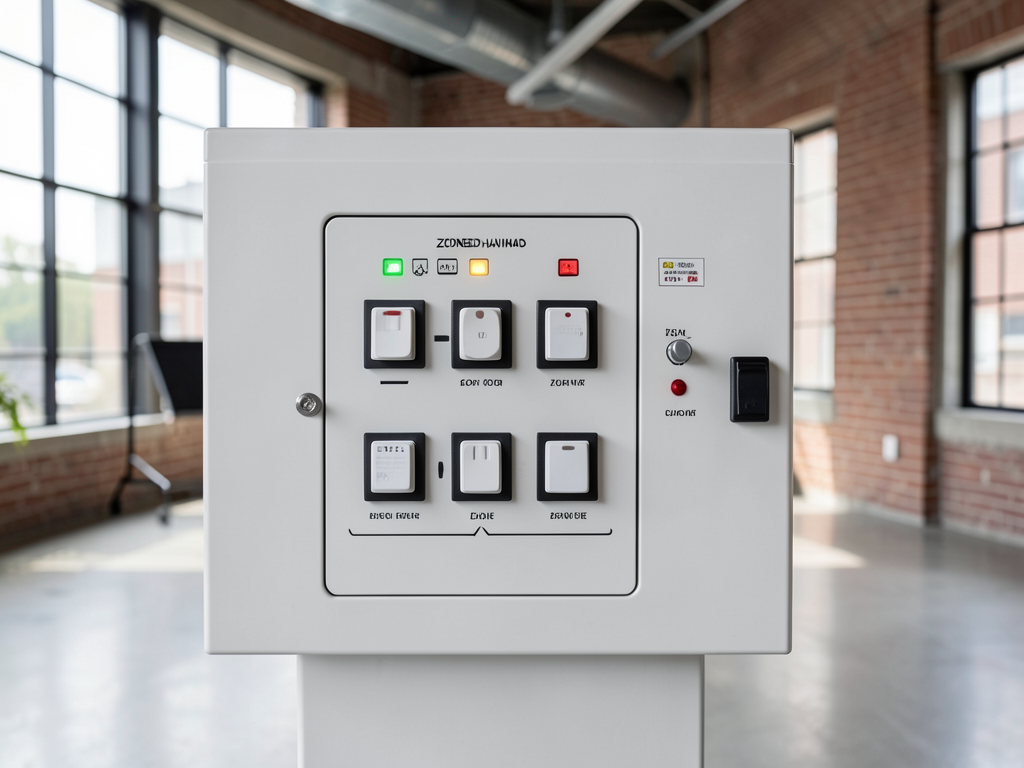
Photo of a zoned HVAC control panel showing multiple zone thermostats and damper controls in a Brewery District renovation.
Before and after thermal imaging of an open floor plan showing temperature distribution improvements after HVAC upgrades.
Take Control of Your Comfort Today
Your Brewery District loft deserves an HVAC system that matches its unique character. Stop fighting with uneven temperatures and high humidity. Our team understands the specific challenges of open floor plans and can design a solution that delivers consistent comfort year-round.
Call (380) 253-3188 today to schedule your free consultation. We’ll assess your space, discuss your options, and provide a detailed proposal with no pressure or hidden fees. Your perfect indoor climate is just one phone call away.
Don’t wait for the next heat wave to remind you of the problem. Pick up the phone and call (380) 253-3188 before temperatures climb into the 90s. Your comfort can’t wait, and neither should you.
{
“@context”: “https://schema.org”,
“@type”: “BlogPosting”,
“headline”: “Modern HVAC Solutions for the Open Floor Plans of the Brewery District”,
“description”: “Struggling with uneven temperatures in your Brewery District loft? Discover HVAC solutions for high ceilings, large windows, and open layouts that Columbus homeowners need.”,
“wordCount”: 2203,
“datePublished”: “2026-03-16T08:25:00.000Z”,
“dateModified”: “2026-03-16T08:25:00.000Z”,
“inLanguage”: “en-US”,
“mainEntityOfPage”: {
“@type”: “WebPage”,
“@id”: “https://grandhvaccolumbus.com”
},
“publisher”: {
“@type”: “LocalBusiness”,
“name”: “Grand HVAC Columbus”,
“url”: “https://grandhvaccolumbus.com”
},
“author”: {
“@type”: “Organization”,
“name”: “Grand HVAC Columbus”,
“url”: “https://grandhvaccolumbus.com”
},
“image”: {
“@type”: “ImageObject”,
“url”: “https://grandhvaccolumbus.com/wp-content/uploads/2026/03/modern-hvac-solutions-for-the-open-floor-plans-of-1.png”
}
}
{
“@context”: “https://schema.org”,
“@type”: “HVACBusiness”,
“name”: “Grand HVAC Columbus”,
“url”: “https://grandhvaccolumbus.com”,
“address”: {
“@type”: “PostalAddress”,
“addressLocality”: “Columbus”
},
“areaServed”: {
“@type”: “City”,
“name”: “Columbus”
}
}
{
“@context”: “https://schema.org”,
“@type”: “FAQPage”,
“mainEntity”: [
{
“@type”: “Question”,
“name”: “How much does it cost to zone an existing HVAC system?”,
“acceptedAnswer”: {
“@type”: “Answer”,
“text”: “Zoning an existing system typically costs $3,000-$6,000 depending on your home’s layout and the number of zones needed. This includes new thermostats, zoning controls, and installation labor. The investment usually pays for itself through energy savings within 3-5 years.”
}
},
{
“@type”: “Question”,
“name”: “Are ceiling fans enough for open floor plans?”,
“acceptedAnswer”: {
“@type”: “Answer”,
“text”: “Ceiling fans help with air circulation but cannot replace proper HVAC. They make you feel cooler through the wind-chill effect but don’t actually change room temperature or remove humidity. For true comfort in Brewery District summers, you need a properly sized cooling system.”
}
},
{
“@type”: “Question”,
“name”: “What is the best SEER rating for Ohio climates?”,
“acceptedAnswer”: {
“@type”: “Answer”,
“text”: “For Columbus, SEER 16 is the minimum efficiency standard, but SEER 18-20 provides better performance and lower operating costs. The higher initial cost typically pays for itself in 5-7 years through energy savings. Look for systems with good humidity control features, which are especially important in our climate.”
}
},
{
“@type”: “Question”,
“name”: “Can I add a mini-split to my existing system?”,
“acceptedAnswer”: {
“@type”: “Answer”,
“text”: “Yes, mini-splits work great as supplements to existing systems. They’re perfect for additions, sunrooms, or problem areas that your main system can’t cool adequately. The installation is relatively simple and doesn’t require major modifications to your current setup.”
}
},
{
“@type”: “Question”,
“name”: “How long does installation take for a new HVAC system?”,
“acceptedAnswer”: {
“@type”: “Answer”,
“text”: “Most residential installations take 1-2 days. Complex zoning systems or high-velocity installations might require 3-4 days. We always provide a detailed timeline before starting work and work to minimize disruption to your home.”
}
}
]
}
{
“@context”: “https://schema.org”,
“@type”: “BreadcrumbList”,
“itemListElement”: [
{
“@type”: “ListItem”,
“position”: 1,
“name”: “Home”,
“item”: “https://grandhvaccolumbus.com”
},
{
“@type”: “ListItem”,
“position”: 2,
“name”: “Blog”,
“item”: “https://grandhvaccolumbus.com/blog”
},
{
“@type”: “ListItem”,
“position”: 3,
“name”: “Modern HVAC Solutions for the Open Floor Plans of the Brewery District”
}
]
}
{
“@context”: “https://schema.org”,
“@type”: “Service”,
“serviceType”: “HVAC”,
“provider”: {
“@type”: “LocalBusiness”,
“name”: “Grand HVAC Columbus”,
“url”: “https://grandhvaccolumbus.com”
},
“areaServed”: {
“@type”: “City”,
“name”: “Columbus”
},
“description”: “Struggling with uneven temperatures in your Brewery District loft? Discover HVAC solutions for high ceilings, large windows, and open layouts that Columbus homeowners need.”
}