
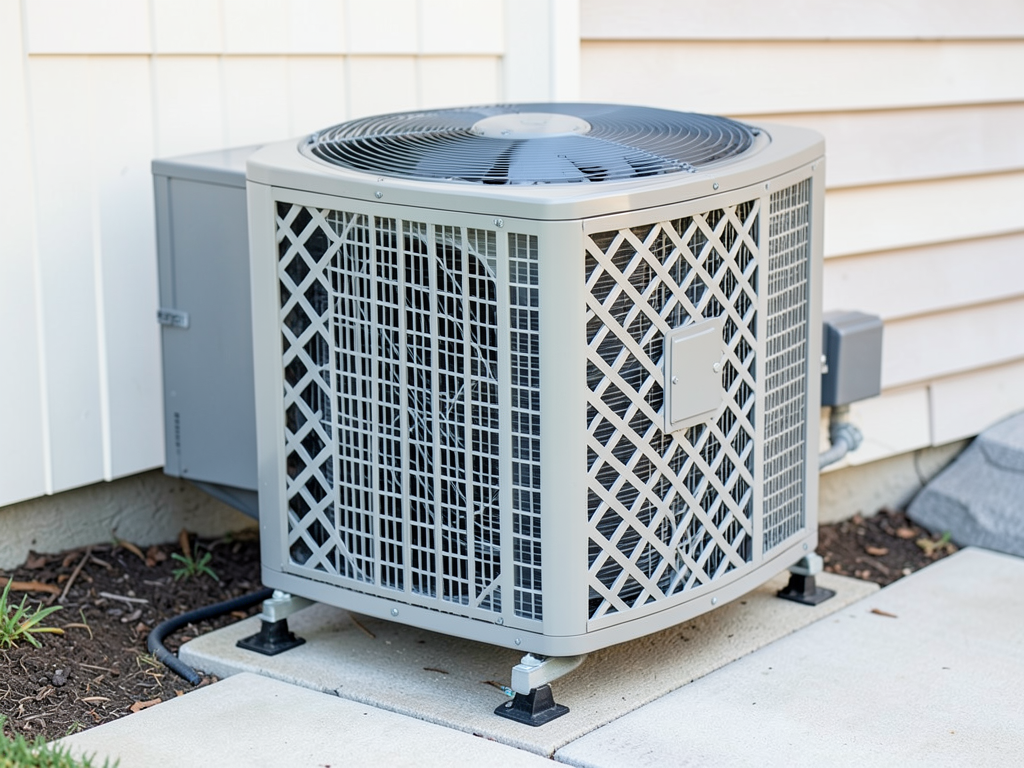
Why Hiding Your AC Unit Without Proper Airflow Can Cost You Thousands
If you live in Minerva Park you know outdoor AC units can be an eyesore. But wrapping them in a solid box or planting too close can restrict airflow and cause your compressor to overheat. That leads to higher energy bills and expensive repairs. The key is finding ways to hide the unit while keeping at least 12 inches of clearance on the sides and 60 inches above for proper ventilation. This guide shows you the best options for Minerva Park homes so you get curb appeal without sacrificing HVAC efficiency.. Read more about How to Quiet a Noisy AC Unit Without Breaking Your Tuttle Crossing Condo Association Rules.
The Science Behind AC Airflow and Efficiency
Your outdoor condenser needs constant airflow to release heat from the refrigerant. When airflow is blocked the system works harder and efficiency drops. In Columbus’s humid summers restricted airflow can reduce SEER ratings by up to 15% causing the compressor to run longer and hotter. That extra strain can shorten the unit’s life by years. The Ohio Mechanical Code (Section 1305.1) requires minimum clearances for all outdoor HVAC equipment to prevent overheating and ensure service access. Blocking those clearances is not just a bad idea – it can violate local code. Ohio Mechanical Code.
Top 5 Ways to Hide Your AC Unit in Columbus Homes
1. Decorative Lattice Screens With Proper Ventilation
Lattice panels offer a classic look while allowing air to pass through. Choose vinyl or cedar lattice with at least 50% open space. Mount the screen on hinges or with removable fasteners so technicians can access the unit. In Minerva Park many homeowners use white vinyl lattice for a clean contrast against brick or siding. Always maintain a 12-inch gap between the lattice and the unit to prevent heat buildup.
2. Strategic Landscaping With Ohio Hardy Plants
Plants can soften the look of your AC unit but choose wisely. In Central Ohio’s Zone 6a/6b climate boxwood shrubs, ornamental grasses like Karl Foerster, and dwarf juniper work well because they stay compact and don’t drop heavy debris into the coils. Plant them at least 24 inches from the unit to allow airflow and maintenance access. Avoid flowering plants that attract bees near the unit and trees that drop leaves or seeds in fall. Commercial Maintenance Agreements.
3. Custom Louvered Enclosures
Louvered panels are angled slats that let air pass through while blocking the view. These can be built from cedar, composite, or powder-coated aluminum. The key is to use horizontal or vertical louvers with at least a 45-degree angle to direct air away from the unit. Louvered enclosures can also help reduce noise by up to 30% compared to solid fences. In Minerva Park where homes sit close together this is a big plus.
4. Privacy Trellis With Climbing Vines
A trellis with non-invasive vines like clematis or honeysuckle can create a living screen. The trellis should be at least 18 inches from the unit and the vines should be trimmed to prevent overgrowth. This option works best on the side of the unit that faces the street or patio. In Ohio’s climate choose deciduous vines so the unit gets sun in winter when it runs less often.
5. Built-In Cabinet With Removable Panels
For a seamless look a built-in cabinet can match your home’s exterior. Use louvered or perforated metal panels for the sides and a hinged top for service access. The cabinet should be on wheels or anchored with a gap underneath for drainage. This is a more expensive option but it can boost curb appeal and property value in Minerva Park’s established neighborhoods.
The ‘Rule of 2 Feet’: Essential Clearances for Columbus HVAC Systems
Technicians need room to work. The ‘Rule of 2 Feet’ means at least 24 inches of clearance on all sides and 60 inches above the unit. This allows for coil cleaning, refrigerant line inspection, and emergency repairs. In winter Columbus’s heavy snow can pile up against enclosures so build or plant with that in mind. A snow fence or raised platform can keep the area clear without blocking airflow. Emergency Ductwork Repair.
Material Choice: What Holds Up Best in Ohio Weather?
| Material | Pros | Cons | Best For |
|---|---|---|---|
| Vinyl Lattice | Low maintenance, resists moisture, affordable | Can crack in extreme cold | Quick DIY projects |
| Cedar Wood | Natural look, durable, resists insects | Needs sealing every 2-3 years | High-end landscaping |
| Aluminum Louvers | Long-lasting, rust-proof, modern look | Higher cost, professional install | Noise reduction, durability |
| Composite Panels | Weather resistant, no warping | Limited color options | Low maintenance homes |
Maintenance Access: Don’t Box Yourself Out of a Repair
Even the best-looking enclosure is a problem if a technician can’t open it. Always use removable panels, hinged doors, or a lift-off top. Label any access points clearly. In Minerva Park where many homes have tight side yards make sure there’s a clear path from the street to the unit. If you use a lockable enclosure give your HVAC company a key or combination. One missed repair because of a locked box can cost more than the enclosure itself.
Winter Considerations: Protecting Units From Columbus Snow and Ice
Columbus averages 22 inches of snow per year. Wet heavy snow can bend coil fins and block airflow. A breathable cover made of mesh or canvas can protect the unit while allowing air to circulate. Never use plastic tarps – they trap moisture and cause rust. In Minerva Park where homes often sit on small lots snow from driveways can pile up near the unit. A small snow fence or landscape berm can redirect drifts without blocking service access.
When to Call a Professional vs. DIY Enclosures
DIY is fine for simple lattice screens or planting beds. But if you need a custom-built enclosure that attaches to your home’s structure or involves electrical wiring for lighting or fans, call a pro. In Minerva Park many homes are in historic or tightly regulated areas where permits are required. A licensed HVAC contractor can also check that your chosen design meets code and won’t void your unit’s warranty.
Frequently Asked Questions
Can I use a solid wood fence to hide my AC unit?
Solid fences block airflow and can cause the unit to overheat. If you want a solid look use louvered panels or leave a 6-inch gap at the top and bottom for ventilation.
How far should plants be from the AC unit?
Plant shrubs and flowers at least 24 inches from the unit. This allows airflow and gives technicians room to work. Choose plants that don’t drop heavy debris into the coils.
Will enclosing my AC unit void the warranty?
It can if the enclosure blocks required clearances or makes service difficult. Always check your warranty terms and keep access panels removable.
What’s the best material for a DIY screen in Ohio?
Vinyl lattice is affordable and weather resistant. Cedar is more attractive but needs sealing every few years. Avoid untreated pine – it rots quickly in Ohio’s humid climate.
Call (380) 253-3188 Today to Schedule Your AC Enclosure Consultation
Don’t risk overheating your system with the wrong enclosure. Our Columbus HVAC experts can design a custom solution that hides your unit and keeps it running efficiently. Call (380) 253-3188 today to schedule your consultation before the next heat wave hits. For more information, visit USDA Plant Hardiness Zone Map.
You may also find this helpful. What to Do When Your Central Village Apartment Air Conditioning Just Can’t Keep Up with the Heat.
{
“@context”: “https://schema.org”,
“@type”: “BlogPosting”,
“headline”: “The Best Ways to Hide Your Outdoor AC Unit Without Overheating the System in Minerva Park”,
“description”: “Learn how to hide your outdoor AC unit in Minerva Park without blocking airflow. Expert HVAC advice on landscaping, fencing, and clearance rules from Columbus pros.”,
“wordCount”: 1219,
“datePublished”: “2026-04-06T13:24:00.000Z”,
“dateModified”: “2026-04-06T13:24:00.000Z”,
“inLanguage”: “en-US”,
“mainEntityOfPage”: {
“@type”: “WebPage”,
“@id”: “https://grandhvaccolumbus.com”
},
“publisher”: {
“@type”: “LocalBusiness”,
“name”: “Grand HVAC Columbus”,
“url”: “https://grandhvaccolumbus.com”
},
“author”: {
“@type”: “Organization”,
“name”: “Grand HVAC Columbus”,
“url”: “https://grandhvaccolumbus.com”
},
“image”: {
“@type”: “ImageObject”,
“url”: “https://grandhvaccolumbus.com/wp-content/uploads/2026/03/the-best-ways-to-hide-your-outdoor-ac-unit-without-1.png”
}
}
{
“@context”: “https://schema.org”,
“@type”: “HVACBusiness”,
“name”: “Grand HVAC Columbus”,
“url”: “https://grandhvaccolumbus.com”,
“address”: {
“@type”: “PostalAddress”,
“addressLocality”: “Columbus”
},
“areaServed”: {
“@type”: “City”,
“name”: “Columbus”
}
}
{
“@context”: “https://schema.org”,
“@type”: “FAQPage”,
“mainEntity”: [
{
“@type”: “Question”,
“name”: “Can I use a solid wood fence to hide my AC unit?”,
“acceptedAnswer”: {
“@type”: “Answer”,
“text”: “Solid fences block airflow and can cause the unit to overheat. If you want a solid look use louvered panels or leave a 6-inch gap at the top and bottom for ventilation.”
}
},
{
“@type”: “Question”,
“name”: “How far should plants be from the AC unit?”,
“acceptedAnswer”: {
“@type”: “Answer”,
“text”: “Plant shrubs and flowers at least 24 inches from the unit. This allows airflow and gives technicians room to work. Choose plants that don’t drop heavy debris into the coils.”
}
},
{
“@type”: “Question”,
“name”: “Will enclosing my AC unit void the warranty?”,
“acceptedAnswer”: {
“@type”: “Answer”,
“text”: “It can if the enclosure blocks required clearances or makes service difficult. Always check your warranty terms and keep access panels removable.”
}
},
{
“@type”: “Question”,
“name”: “What’s the best material for a DIY screen in Ohio?”,
“acceptedAnswer”: {
“@type”: “Answer”,
“text”: “Vinyl lattice is affordable and weather resistant. Cedar is more attractive but needs sealing every few years. Avoid untreated pine – it rots quickly in Ohio’s humid climate.”
}
}
]
}
{
“@context”: “https://schema.org”,
“@type”: “BreadcrumbList”,
“itemListElement”: [
{
“@type”: “ListItem”,
“position”: 1,
“name”: “Home”,
“item”: “https://grandhvaccolumbus.com”
},
{
“@type”: “ListItem”,
“position”: 2,
“name”: “Blog”,
“item”: “https://grandhvaccolumbus.com/blog”
},
{
“@type”: “ListItem”,
“position”: 3,
“name”: “The Best Ways to Hide Your Outdoor AC Unit Without Overheating the System in Minerva Park”
}
]
}
{
“@context”: “https://schema.org”,
“@type”: “Service”,
“serviceType”: “HVAC”,
“provider”: {
“@type”: “LocalBusiness”,
“name”: “Grand HVAC Columbus”,
“url”: “https://grandhvaccolumbus.com”
},
“areaServed”: {
“@type”: “City”,
“name”: “Columbus”
},
“description”: “Learn how to hide your outdoor AC unit in Minerva Park without blocking airflow. Expert HVAC advice on landscaping, fencing, and clearance rules from Columbus pros.”
}