
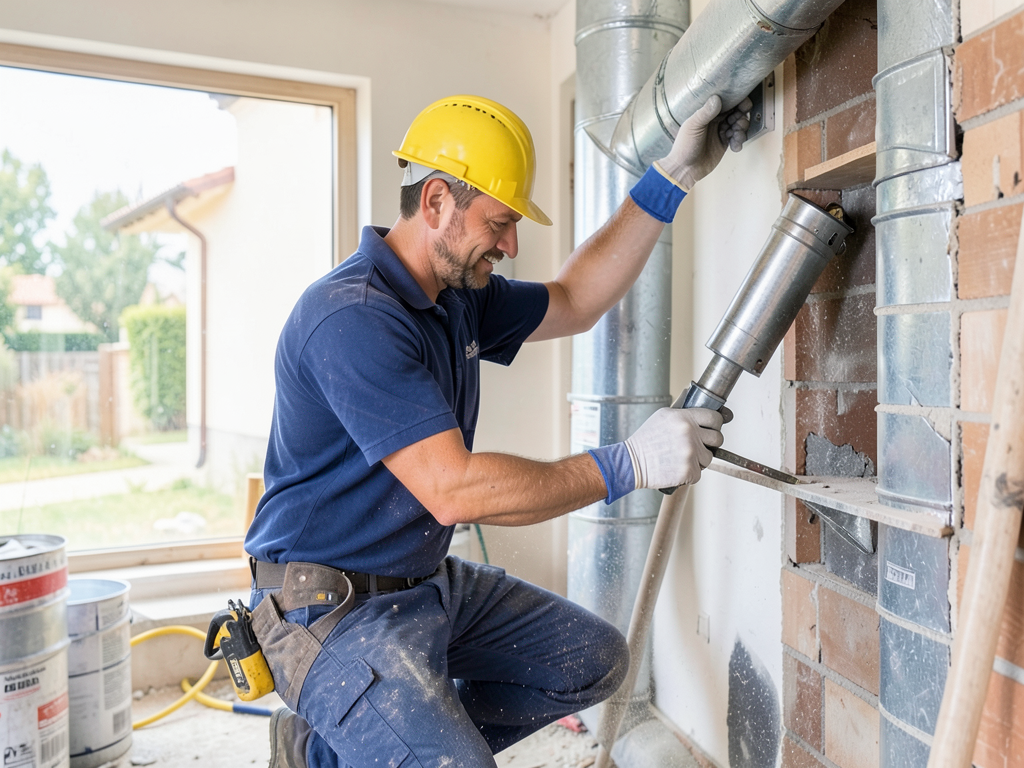
Protecting Your HVAC System from Dust and Debris During a Major Kitchen Remodel in San Margherita
Kitchen remodels create massive amounts of fine dust that can permanently damage your HVAC system. In San Margherita where many homes have mid-century ductwork and older furnace systems construction dust poses a serious threat to your heating and cooling equipment. This guide shows you exactly how to shield your system from drywall particles sawdust and other debris that could cost you thousands in repairs. The Honest Guide to Replacing Your Upper Arlington Furnace This Winter.
Why Construction Dust is an HVAC System Killer
Drywall dust particles are so fine they can pass through standard filters and coat your evaporator coils. When this happens your AC loses efficiency and may freeze up completely. Sawdust from cabinet cutting creates similar problems but with the added risk of clogging condensate lines and creating fire hazards near heat exchangers.
During a typical kitchen remodel in San Margherita contractors generate 50-100 pounds of fine dust. Without protection this dust enters your return vents and settles deep inside your furnace or air handler. The result is reduced airflow increased energy bills and potential system failure.. Read more about Protecting Your Furnace from Construction Dust During the Major Infrastructure Projects in Downtown Columbus.
Phase 1: Pre-Renovation Preparation
Before demolition begins take these steps to create a dust barrier between your construction zone and HVAC system. Start by changing your filter to a fresh MERV 11 rated filter. This provides better particle capture than standard MERV 8 filters without restricting airflow.. Read more about Identifying Red Flags Before You Hire a Columbus HVAC Contractor.
Seal all return air vents in the kitchen area with painter’s tape and plastic sheeting. Create an airtight seal around each vent cover. For supply vents use magnetic vent covers or tape plastic over them to prevent positive pressure from pushing dust into your ducts.. Read more about Why High Static Pressure is Killing the Blower Motor in Your West Jefferson Home.
Turn off your HVAC system during the heaviest dust-generating work. When sanding drywall or cutting tile your system should remain off to prevent it from becoming a dust distribution system. Consider running temporary fans to maintain air circulation without pulling dust through your ducts.. Read more about How Much Does a Brand New HVAC System Actually Add to the Resale Value of Your Worthington House?.
Phase 2: During the Remodel
Maintain your protection throughout the project. Check your filter weekly and replace it if it appears dirty. Construction dust can clog a filter in just days rather than months. Keep supply and return vents sealed until all dusty work is complete.
Establish a no-run rule with your contractor. They should agree not to operate your HVAC system during any sanding drywall work or tile cutting. This simple agreement prevents the most common cause of HVAC damage during renovations.
Consider using HEPA air scrubbers in your work zone. These portable units capture particles as small as 0.3 microns preventing them from circulating through your home. Position them near the highest dust-generating activities.
Phase 3: Post-Renovation Recovery
After construction ends your HVAC system needs a thorough check-up. Start by replacing your filter again. Construction dust can accumulate in your ducts even with good protection so plan to change filters more frequently for the first month after your remodel. Why Your Westerville AC Needs a Tune Up Before the Humidity Hits.
Check your evaporator coils for dust buildup. If you notice reduced cooling efficiency or ice forming on the coils you may need professional cleaning. The coils are located in your air handler or furnace and dust on them significantly reduces heat transfer.
Inspect your condensate drain line. Sawdust and other debris can clog this small pipe causing water to back up and potentially damage your furnace or create water damage under your unit.
Columbus-Specific Considerations
San Margherita homes built before 1980 often have galvanized ductwork that rusts when exposed to moisture from construction dust. The combination of dust and humidity creates an acidic environment that accelerates corrosion. Consider having your ducts inspected if your home is in this age range.
Ohio’s high summer humidity means your AC runs more frequently pulling more air through your system. This increases the risk of dust-related problems. Schedule your remodel during spring or fall when humidity is lower and your system runs less often.
Franklin County building codes require permits for most kitchen remodels. When you pull a permit your HVAC system modifications must meet current mechanical code requirements. This includes proper venting for new gas appliances and adequate return air for added square footage. Franklin County Building Permits.
Cost-Benefit Analysis: Protection vs. Replacement
A MERV 11 filter costs $15-25. Professional duct cleaning ranges from $300-500. A new evaporator coil replacement costs $1,200-2,500. The math is clear: spending $50-100 on protection during your remodel saves you thousands in potential repairs.
Older systems in San Margherita homes are particularly vulnerable. If your furnace is over 15 years old the dust stress during renovation could push it to failure. Consider whether this is the right time to upgrade your entire system rather than risking emergency replacement. Where to Find 24 Hour Emergency HVAC Help Anywhere in Columbus.
When to Call a Professional
Call for service if you notice reduced airflow from your vents unusual noises from your furnace or ice forming on your AC lines. These symptoms indicate your system is struggling with dust contamination.
Schedule a post-renovation inspection even if everything seems fine. A technician can check for hidden problems like dust in your blower wheel or restricted airflow through your ducts. This inspection costs $100-200 but can prevent a $4,000 system replacement.
Don’t wait until your system fails. The dust from your kitchen remodel is already in your ducts. Schedule your post-construction HVAC inspection today to catch small problems before they become expensive emergencies.. Read more about How to Heat Your Outdoor Kitchen or Patio for Year-Round Use in New Albany.
Frequently Asked Questions
How long should I wait to turn my HVAC back on after construction ends?
Wait until all dusty work is completely finished and the area has been thoroughly cleaned. This typically means waiting 24-48 hours after the final cleaning to ensure all airborne particles have settled.
Can I use my HVAC if I seal the vents?
No. Sealing vents creates pressure imbalances that can damage your system. The proper approach is to turn the system off during dusty work and use temporary fans for air circulation.
Will my home warranty cover dust damage?
Most home warranties exclude damage from construction activities. You’ll need to work with your contractor to address any HVAC issues that arise during the remodel. Troubleshooting AC Issues.
How often should I change my filter during construction?
Check your filter every 3-4 days during active construction. Replace it when it appears dirty which could be as often as once per week depending on the amount of dust generated.
What’s the difference between MERV 8 and MERV 11 filters?
MERV 11 filters capture smaller particles than MERV 8 filters including many construction dust particles. However they slightly restrict airflow so they’re best used temporarily during construction rather than as your permanent filter. For more information, visit ASHRAE HVAC Standards.
You may also find this helpful. Why Cottonwood Season is a Total Nightmare for Your Westerville Air Conditioner.
{
“@context”: “https://schema.org”,
“@type”: “BlogPosting”,
“headline”: “Protecting Your HVAC System from Dust and Debris During a Major Kitchen Remodel in San Margherita”,
“description”: “Learn how to protect your HVAC system from construction dust during kitchen remodels in San Margherita. Essential tips to prevent costly damage.”,
“wordCount”: 1134,
“datePublished”: “2026-05-02T15:43:00.000Z”,
“dateModified”: “2026-05-02T15:43:00.000Z”,
“inLanguage”: “en-US”,
“mainEntityOfPage”: {
“@type”: “WebPage”,
“@id”: “https://grandhvaccolumbus.com”
},
“publisher”: {
“@type”: “LocalBusiness”,
“name”: “Grand HVAC Columbus”,
“url”: “https://grandhvaccolumbus.com”
},
“author”: {
“@type”: “Organization”,
“name”: “Grand HVAC Columbus”,
“url”: “https://grandhvaccolumbus.com”
},
“image”: {
“@type”: “ImageObject”,
“url”: “https://grandhvaccolumbus.com/wp-content/uploads/2026/03/protecting-your-hvac-system-from-dust-and-debris-d-1.png”
}
}
{
“@context”: “https://schema.org”,
“@type”: “HVACBusiness”,
“name”: “Grand HVAC Columbus”,
“url”: “https://grandhvaccolumbus.com”,
“address”: {
“@type”: “PostalAddress”,
“addressLocality”: “Columbus”
},
“areaServed”: {
“@type”: “City”,
“name”: “Columbus”
}
}
{
“@context”: “https://schema.org”,
“@type”: “FAQPage”,
“mainEntity”: [
{
“@type”: “Question”,
“name”: “How long should I wait to turn my HVAC back on after construction ends?”,
“acceptedAnswer”: {
“@type”: “Answer”,
“text”: “Wait until all dusty work is completely finished and the area has been thoroughly cleaned. This typically means waiting 24-48 hours after the final cleaning to ensure all airborne particles have settled.”
}
},
{
“@type”: “Question”,
“name”: “Can I use my HVAC if I seal the vents?”,
“acceptedAnswer”: {
“@type”: “Answer”,
“text”: “No. Sealing vents creates pressure imbalances that can damage your system. The proper approach is to turn the system off during dusty work and use temporary fans for air circulation.”
}
},
{
“@type”: “Question”,
“name”: “Will my home warranty cover dust damage?”,
“acceptedAnswer”: {
“@type”: “Answer”,
“text”: “Most home warranties exclude damage from construction activities. You’ll need to work with your contractor to address any HVAC issues that arise during the remodel. Troubleshooting AC Issues.”
}
},
{
“@type”: “Question”,
“name”: “How often should I change my filter during construction?”,
“acceptedAnswer”: {
“@type”: “Answer”,
“text”: “Check your filter every 3-4 days during active construction. Replace it when it appears dirty which could be as often as once per week depending on the amount of dust generated.”
}
},
{
“@type”: “Question”,
“name”: “What’s the difference between MERV 8 and MERV 11 filters?”,
“acceptedAnswer”: {
“@type”: “Answer”,
“text”: “MERV 11 filters capture smaller particles than MERV 8 filters including many construction dust particles. However they slightly restrict airflow so they’re best used temporarily during construction rather than as your permanent filter. For more information, visit ASHRAE HVAC Standards.”
}
}
]
}
{
“@context”: “https://schema.org”,
“@type”: “BreadcrumbList”,
“itemListElement”: [
{
“@type”: “ListItem”,
“position”: 1,
“name”: “Home”,
“item”: “https://grandhvaccolumbus.com”
},
{
“@type”: “ListItem”,
“position”: 2,
“name”: “Blog”,
“item”: “https://grandhvaccolumbus.com/blog”
},
{
“@type”: “ListItem”,
“position”: 3,
“name”: “Protecting Your HVAC System from Dust and Debris During a Major Kitchen Remodel in San Margherita”
}
]
}
{
“@context”: “https://schema.org”,
“@type”: “Service”,
“serviceType”: “HVAC”,
“provider”: {
“@type”: “LocalBusiness”,
“name”: “Grand HVAC Columbus”,
“url”: “https://grandhvaccolumbus.com”
},
“areaServed”: {
“@type”: “City”,
“name”: “Columbus”
},
“description”: “Learn how to protect your HVAC system from construction dust during kitchen remodels in San Margherita. Essential tips to prevent costly damage.”
}