
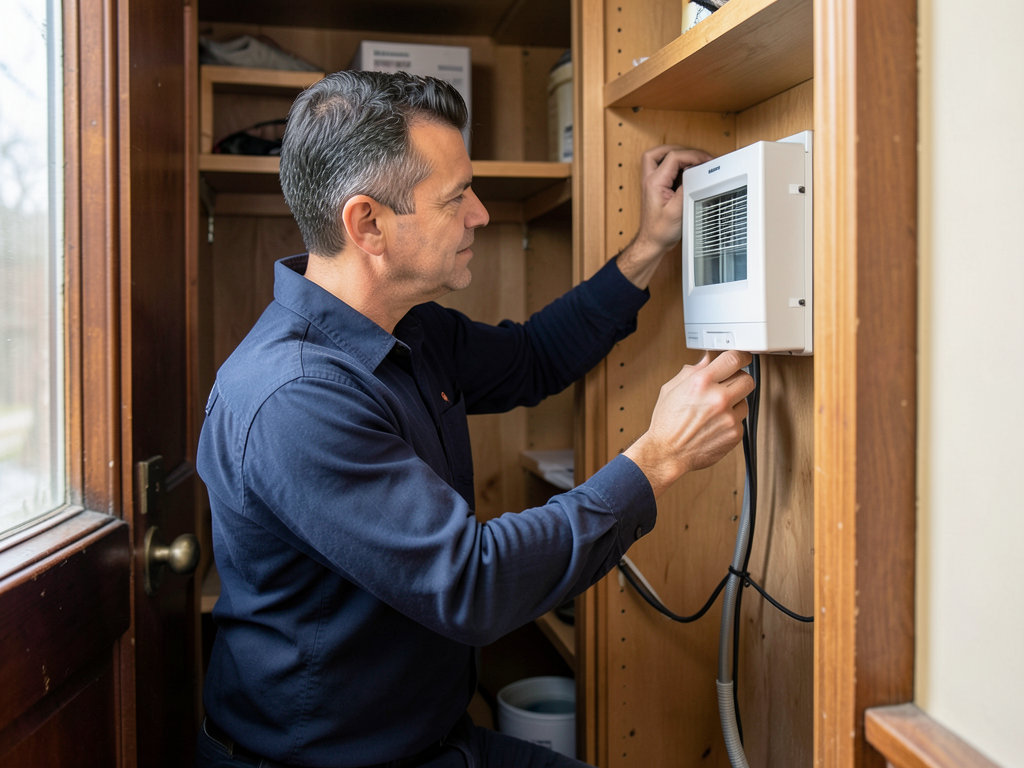
Choosing an HVAC System That Actually Fits in the Tight Closets of a Hungarian Village Row House
Finding the right HVAC system for a Hungarian Village row house means working with extremely narrow closets and historic construction. These 1920s brick homes were built before central air existed, leaving you with tiny utility spaces that can’t accommodate standard furnaces or air handlers. The good news is modern compact systems like ductless mini-splits and high-velocity units can deliver whole-home comfort without eating up your valuable closet space. Ductless Mini-Split Systems.
Columbus’s climate adds another layer of complexity. Our summers bring high humidity that strains older cooling systems, while winters can drop below zero. A properly sized system needs to handle both extremes efficiently in a tight footprint. The right choice depends on your home’s layout, insulation quality, and whether you can run new ductwork through existing walls. Improving the Air Quality in Your Older Clintonville Home.
Before committing to any system, you need to measure your available space precisely. Standard air handlers need at least 30 inches of width and 24 inches of depth. Many Hungarian Village closets measure only 24×24 inches. This space limitation often rules out traditional split systems and points toward wall-mounted or compact floor units that can fit in a fraction of that space.
Space-Saving HVAC Technologies for Historic Homes
Ductless mini-split systems have revolutionized heating and cooling for historic properties. These units consist of an outdoor compressor connected to one or more indoor air handlers. The indoor units mount on walls or ceilings and require only a 3-inch hole for refrigerant lines. A single outdoor unit can power multiple indoor zones, letting you control temperatures room by room.
High-velocity HVAC systems offer another solution for tight spaces. Using small, flexible ducts only 2-3 inches in diameter, these systems can snake through wall cavities, floor joists, and attic spaces where traditional ductwork won’t fit. The Unico System and SpacePak are two popular brands that specialize in these retrofits. Their compact air handlers fit in 24-inch-wide closets while delivering powerful airflow through tiny outlets. EPA Radon Information.
Compact heat pumps represent the newest frontier in small-space heating. Modern inverter-driven compressors are dramatically smaller than their predecessors while maintaining high efficiency. Some units measure just 18 inches wide and 12 inches deep, perfect for the shallow closets common in row houses. These systems provide both heating and cooling in a single package, eliminating the need for separate furnace and AC units.
When evaluating space requirements, consider not just the unit dimensions but also clearance needs for service access. HVAC technicians need at least 18 inches of clearance in front of any unit for maintenance. Wall-mounted mini-splits need no floor space but require sturdy wall mounting. Floor-mounted units need about 6 inches of clearance beneath them for airflow. Why Your Westerville AC Needs a Tune Up Before the Humidity Hits.
Comparing Your Options: Size, Cost, and Performance
| System Type | Typical Closet Footprint | Installation Complexity | Energy Efficiency |
|---|---|---|---|
| Ductless Mini-Split | 18″ x 12″ outdoor, wall/ceiling indoor | Low – minimal wall penetration | SEER2 18-24 |
| High-Velocity | 24″ x 24″ air handler | Medium – duct routing required | SEER2 15-18 |
| Compact Heat Pump | 18″ x 12″ outdoor, slim indoor | Medium – line sets needed | HSPF2 10-12 |
The efficiency ratings tell only part of the story. Mini-splits with SEER2 ratings above 20 can cut cooling costs by 30-40% compared to older central systems. However, their performance drops in extreme cold. Heat pumps with HSPF2 ratings above 10 maintain efficiency down to about 5°F, but may need supplemental heating below that point.
Noise levels also matter in historic homes with thin walls. Modern mini-splits operate at 19-25 decibels indoors – quieter than a whisper. High-velocity systems run slightly louder at 30-35 decibels due to the high-speed air movement. Both are significantly quieter than window units or older central systems.
Installation costs vary widely based on your home’s construction. A basic single-zone mini-split might cost $3,500-4,500 installed. Multi-zone systems with three or four indoor units range from $7,000-12,000. High-velocity systems typically run $12,000-18,000 due to the extensive duct work required. Compact heat pumps fall in the middle at $5,000-8,000 for whole-home systems.
Navigating Columbus Building Codes and Historic Districts
Installing HVAC in historic districts like German Village or Hungarian Village requires navigating additional regulations. The Columbus Historic Resources Commission reviews any exterior modifications, including outdoor unit placement. Units must be positioned where they’re not visible from the street or adjacent properties. This often means placing compressors on the least visible side of the house or using landscaping to screen them. Where to Find 24 Hour Emergency HVAC Help Anywhere in Columbus.
The Ohio Mechanical Code governs all HVAC installations in Franklin County. Current standards require proper refrigerant line insulation, condensate drainage to approved plumbing connections, and electrical disconnects within sight of the outdoor unit. Permits are mandatory for all new installations, with fees ranging from $75-200 depending on system size. Ohio Mechanical Code.
Many Hungarian Village homes lack adequate electrical service for modern HVAC systems. Original 60-amp panels often can’t support new circuits for compressors and air handlers. Upgrading to a 100-amp or 200-amp service might be necessary, adding $1,500-3,000 to your project cost. This work must be inspected by the City of Columbus Building Services department. Upgrading to a Smart Thermostat in Grandview Heights to Lower Your Electric Bill.
Radon mitigation systems present another consideration in older Columbus homes. If your property has an active radon system, the HVAC contractor must coordinate with the mitigation specialist to avoid interfering with existing vent pipes. The EPA recommends testing radon levels before and after HVAC installation, as changes in airflow patterns can affect radon concentrations.
Installation Considerations for Narrow Row Houses
The tight construction of row houses creates unique installation challenges. Party walls mean you can’t run new lines through shared spaces. This often forces routing through interior walls or along exterior surfaces where they must be properly protected and insulated. In some cases, exposed refrigerant lines painted to match the house exterior become the only viable option.
Attic installations offer one solution for preserving closet space. Mounting air handlers in unconditioned attics keeps them out of living areas but requires careful insulation and freeze protection. In Columbus’s climate, attic-mounted units need electric heat strips for backup during extreme cold snaps. The added complexity can increase installation costs by 15-20%.. Read more about How to Add Air Conditioning to a Finished Attic in Your Eastgate Tudor Without Using Window Units.
Basement installations work well when available, but many Hungarian Village homes have only crawl spaces or partial basements. These limited spaces require specialized compact units designed for low overhead clearance. Some manufacturers offer units as short as 16 inches tall that can fit under floor joists in crawl spaces.
Noise transmission through shared walls concerns many row house owners. Modern inverter-driven compressors produce minimal vibration, but proper mounting on rubber isolation pads remains essential. Indoor units should be mounted on exterior walls when possible to minimize sound transfer to neighboring units. Some homeowners add sound-dampening mats behind wall-mounted units as extra insurance.
Maintaining Your Compact HVAC System
Regular maintenance keeps compact systems running efficiently in tight spaces. Mini-split filters need cleaning every 30-60 days, more often if you have pets or allergies. The small indoor units accumulate dust quickly due to their proximity to living spaces. Neglecting filter cleaning can reduce efficiency by 20% and cause the system to ice up in summer.
Condensate drains in compact systems are prone to clogging due to the limited space for proper slope. Annual cleaning of drain lines prevents water damage and mold growth. Some homeowners install secondary drain pans under indoor units as cheap insurance against overflow, especially in second-floor installations where leaks could damage ceilings below.
Outdoor units need clearance for proper airflow. Manufacturers recommend at least 12 inches of clearance on all sides, but in tight row house yards, this isn’t always possible. When space is limited, units can be mounted on wall brackets to free up ground space. Just ensure the mounting structure can support the unit’s weight in high winds.
SEER2 and HSPF2 ratings degrade over time without maintenance. A system that starts at SEER2 20 might drop to 16 within five years if neglected. Annual professional tune-ups including refrigerant charge checks, coil cleaning, and electrical connection inspection help maintain efficiency. Many Columbus HVAC contractors offer maintenance plans specifically for compact systems.
Cost Factors and Energy Savings
Energy costs in Columbus make efficiency a priority. With electricity averaging 14 cents per kilowatt-hour, a high-efficiency mini-split can save $300-500 annually compared to a standard 10 SEER system. The savings justify the higher upfront cost within 5-7 years for most homeowners. Heat pumps offer similar savings while providing heating, potentially eliminating the need for a separate furnace.
Utility rebates can offset installation costs significantly. AEP Ohio offers rebates up to $750 for high-efficiency heat pumps and $500 for mini-splits meeting specific efficiency thresholds. These rebates require installation by participating contractors and submission of efficiency documentation. Some manufacturers also offer seasonal rebates that can add another $100-300 in savings.
Smart thermostats enhance savings for compact systems. Many mini-split manufacturers now offer Wi-Fi enabled controls that let you adjust temperatures remotely and monitor energy usage. These controls can integrate with whole-home automation systems, allowing coordinated operation with window shades or ceiling fans for maximum efficiency.
The limited space in row houses often means poor insulation by modern standards. Before investing in a new HVAC system, consider improving attic insulation and sealing air leaks. These upgrades can reduce heating and cooling loads by 20-30%, potentially allowing you to install a smaller, less expensive HVAC system while still maintaining comfort.
Making the Right Choice for Your Home
The best HVAC system for your Hungarian Village row house depends on your specific situation. If closet space is extremely limited and you want individual room control, ductless mini-splits offer the most flexibility. For whole-home comfort with minimal interior modifications, high-velocity systems provide powerful performance through small ducts. If you need both heating and cooling in the smallest possible package, modern compact heat pumps deliver both efficiently.
Consider your long-term plans when making this decision. If you’ll stay in the home for 10+ years, the higher efficiency of premium systems pays off through lower utility bills. If you plan to sell within a few years, a mid-range system might offer better return on investment. Either way, proper sizing by a qualified HVAC contractor prevents the common mistake of installing oversized equipment that cycles on and off frequently, reducing comfort and efficiency.
Don’t forget about indoor air quality in your decision. Compact homes can trap pollutants, making filtration essential. Look for systems with multi-stage filtration or the ability to add HEPA filters. Some mini-splits include ionizers that reduce airborne particles without restricting airflow. In Columbus’s pollen-heavy springs and summers, good filtration makes a noticeable difference in comfort.
Finally, choose a contractor experienced with historic home retrofits. Standard HVAC companies might not understand the unique challenges of row house construction. Look for contractors who can show examples of similar installations in your neighborhood. Ask about their experience with historic district approvals and their approach to preserving your home’s character while adding modern comfort.
- Measure Available Space
Take precise measurements of all potential installation locations, including closet depth, width, and ceiling height. Don’t forget to account for door clearance and service access requirements.
- Determine Your Heating and Cooling Needs
Have a professional perform a Manual J load calculation to determine the exact BTU requirements for your home. This prevents oversizing and ensures efficient operation.
- Research System Types
Compare ductless mini-splits, high-velocity systems, and compact heat pumps based on your space constraints, efficiency goals, and budget. Consider both upfront costs and long-term energy savings.
- Check Local Regulations
Verify historic district requirements and building code compliance for your specific neighborhood. Contact the Columbus Historic Resources Commission if you’re in a designated district.
- Get Multiple Quotes
Request detailed proposals from contractors experienced with historic home retrofits. Compare not just price but also warranty terms, efficiency ratings, and proposed installation methods.
Frequently Asked Questions
How much space do I need for a compact HVAC system?
Most compact systems need at least 24 inches of width and 24 inches of depth for the air handler. Wall-mounted mini-splits need only a few inches of wall space but require sturdy mounting. Always allow 18 inches of clearance in front for service access.
Can I install HVAC in a historic district without approval?
No. The Columbus Historic Resources Commission must approve any exterior modifications, including outdoor unit placement. Indoor modifications typically don’t require approval, but it’s best to check with the commission before starting work.
How long does installation take for compact systems?
Most single-zone mini-split installations complete in one day. Multi-zone systems or high-velocity installations typically require 2-3 days. Historic home retrofits may take longer due to unexpected construction issues common in older buildings.
Will a compact system heat my home in Columbus winters?
Modern heat pumps work efficiently down to about 5°F. Below that temperature, they may need supplemental heat strips. Mini-splits lose efficiency in extreme cold but can still provide heating. For Columbus’s climate, choose a system with cold-climate performance ratings.
What maintenance do compact systems require?
Filters need cleaning every 30-60 days. Annual professional maintenance includes coil cleaning, refrigerant level checks, and electrical inspections. Condensate drains should be flushed annually to prevent clogs. Most systems need 1-2 hours of maintenance per year.
Ready to find the perfect HVAC solution for your Hungarian Village row house? Call (380) 253-3188 today to schedule a consultation with our compact system specialists. We’ll measure your space, calculate your needs, and show you exactly how we can deliver whole-home comfort without sacrificing your valuable closet space.
Don’t let tight spaces keep you uncomfortable another season. Pick up the phone and call (380) 253-3188 before the next heat wave or cold snap hits. Our team understands the unique challenges of historic Columbus homes and can recommend the ideal compact system for your specific situation.
You may also find this helpful. Dealing with a Neighbor’s Noisy AC Unit in the Compact Lots of Italian Village.
You may also find this helpful. A Real World Comparison of the Best HVAC Brands for the Central Ohio Climate.
{
“@context”: “https://schema.org”,
“@type”: “BlogPosting”,
“headline”: “Choosing an HVAC System That Actually Fits in the Tight Closets of a Hungarian Village Row House”,
“description”: “Discover compact HVAC solutions for historic Columbus homes. Learn how mini-splits and high-velocity systems overcome space constraints in narrow row houses.”,
“wordCount”: 2330,
“datePublished”: “2026-05-09T08:06:00.000Z”,
“dateModified”: “2026-05-09T08:06:00.000Z”,
“inLanguage”: “en-US”,
“mainEntityOfPage”: {
“@type”: “WebPage”,
“@id”: “https://grandhvaccolumbus.com”
},
“publisher”: {
“@type”: “LocalBusiness”,
“name”: “Grand HVAC Columbus”,
“url”: “https://grandhvaccolumbus.com”
},
“author”: {
“@type”: “Organization”,
“name”: “Grand HVAC Columbus”,
“url”: “https://grandhvaccolumbus.com”
},
“image”: {
“@type”: “ImageObject”,
“url”: “https://grandhvaccolumbus.com/wp-content/uploads/2026/03/choosing-an-hvac-system-that-actually-fits-in-the-1.png”
}
}
{
“@context”: “https://schema.org”,
“@type”: “HVACBusiness”,
“name”: “Grand HVAC Columbus”,
“url”: “https://grandhvaccolumbus.com”,
“address”: {
“@type”: “PostalAddress”,
“addressLocality”: “Columbus”
},
“areaServed”: {
“@type”: “City”,
“name”: “Columbus”
}
}
{
“@context”: “https://schema.org”,
“@type”: “FAQPage”,
“mainEntity”: [
{
“@type”: “Question”,
“name”: “How much space do I need for a compact HVAC system?”,
“acceptedAnswer”: {
“@type”: “Answer”,
“text”: “Most compact systems need at least 24 inches of width and 24 inches of depth for the air handler. Wall-mounted mini-splits need only a few inches of wall space but require sturdy mounting. Always allow 18 inches of clearance in front for service access.”
}
},
{
“@type”: “Question”,
“name”: “Can I install HVAC in a historic district without approval?”,
“acceptedAnswer”: {
“@type”: “Answer”,
“text”: “No. The Columbus Historic Resources Commission must approve any exterior modifications, including outdoor unit placement. Indoor modifications typically don’t require approval, but it’s best to check with the commission before starting work.”
}
},
{
“@type”: “Question”,
“name”: “How long does installation take for compact systems?”,
“acceptedAnswer”: {
“@type”: “Answer”,
“text”: “Most single-zone mini-split installations complete in one day. Multi-zone systems or high-velocity installations typically require 2-3 days. Historic home retrofits may take longer due to unexpected construction issues common in older buildings.”
}
},
{
“@type”: “Question”,
“name”: “Will a compact system heat my home in Columbus winters?”,
“acceptedAnswer”: {
“@type”: “Answer”,
“text”: “Modern heat pumps work efficiently down to about 5°F. Below that temperature, they may need supplemental heat strips. Mini-splits lose efficiency in extreme cold but can still provide heating. For Columbus’s climate, choose a system with cold-climate performance ratings.”
}
},
{
“@type”: “Question”,
“name”: “What maintenance do compact systems require?”,
“acceptedAnswer”: {
“@type”: “Answer”,
“text”: “Filters need cleaning every 30-60 days. Annual professional maintenance includes coil cleaning, refrigerant level checks, and electrical inspections. Condensate drains should be flushed annually to prevent clogs. Most systems need 1-2 hours of maintenance per year.”
}
}
]
}
{
“@context”: “https://schema.org”,
“@type”: “HowTo”,
“name”: “How to Choose Your Compact HVAC System”,
“step”: [
{
“@type”: “HowToStep”,
“position”: 1,
“name”: “Measure Available Space”,
“text”: “Take precise measurements of all potential installation locations, including closet depth, width, and ceiling height. Don’t forget to account for door clearance and service access requirements.”
},
{
“@type”: “HowToStep”,
“position”: 2,
“name”: “Determine Your Heating and Cooling Needs”,
“text”: “Have a professional perform a Manual J load calculation to determine the exact BTU requirements for your home. This prevents oversizing and ensures efficient operation.”
},
{
“@type”: “HowToStep”,
“position”: 3,
“name”: “Research System Types”,
“text”: “Compare ductless mini-splits, high-velocity systems, and compact heat pumps based on your space constraints, efficiency goals, and budget. Consider both upfront costs and long-term energy savings.”
},
{
“@type”: “HowToStep”,
“position”: 4,
“name”: “Check Local Regulations”,
“text”: “Verify historic district requirements and building code compliance for your specific neighborhood. Contact the Columbus Historic Resources Commission if you’re in a designated district.”
},
{
“@type”: “HowToStep”,
“position”: 5,
“name”: “Get Multiple Quotes”,
“text”: “Request detailed proposals from contractors experienced with historic home retrofits. Compare not just price but also warranty terms, efficiency ratings, and proposed installation methods.”
}
],
“image”: “https://grandhvaccolumbus.com/wp-content/uploads/2026/03/choosing-an-hvac-system-that-actually-fits-in-the-1.png”
}
{
“@context”: “https://schema.org”,
“@type”: “BreadcrumbList”,
“itemListElement”: [
{
“@type”: “ListItem”,
“position”: 1,
“name”: “Home”,
“item”: “https://grandhvaccolumbus.com”
},
{
“@type”: “ListItem”,
“position”: 2,
“name”: “Blog”,
“item”: “https://grandhvaccolumbus.com/blog”
},
{
“@type”: “ListItem”,
“position”: 3,
“name”: “Choosing an HVAC System That Actually Fits in the Tight Closets of a Hungarian Village Row House”
}
]
}
{
“@context”: “https://schema.org”,
“@type”: “Service”,
“serviceType”: “HVAC”,
“provider”: {
“@type”: “LocalBusiness”,
“name”: “Grand HVAC Columbus”,
“url”: “https://grandhvaccolumbus.com”
},
“areaServed”: {
“@type”: “City”,
“name”: “Columbus”
},
“description”: “Discover compact HVAC solutions for historic Columbus homes. Learn how mini-splits and high-velocity systems overcome space constraints in narrow row houses.”
}