
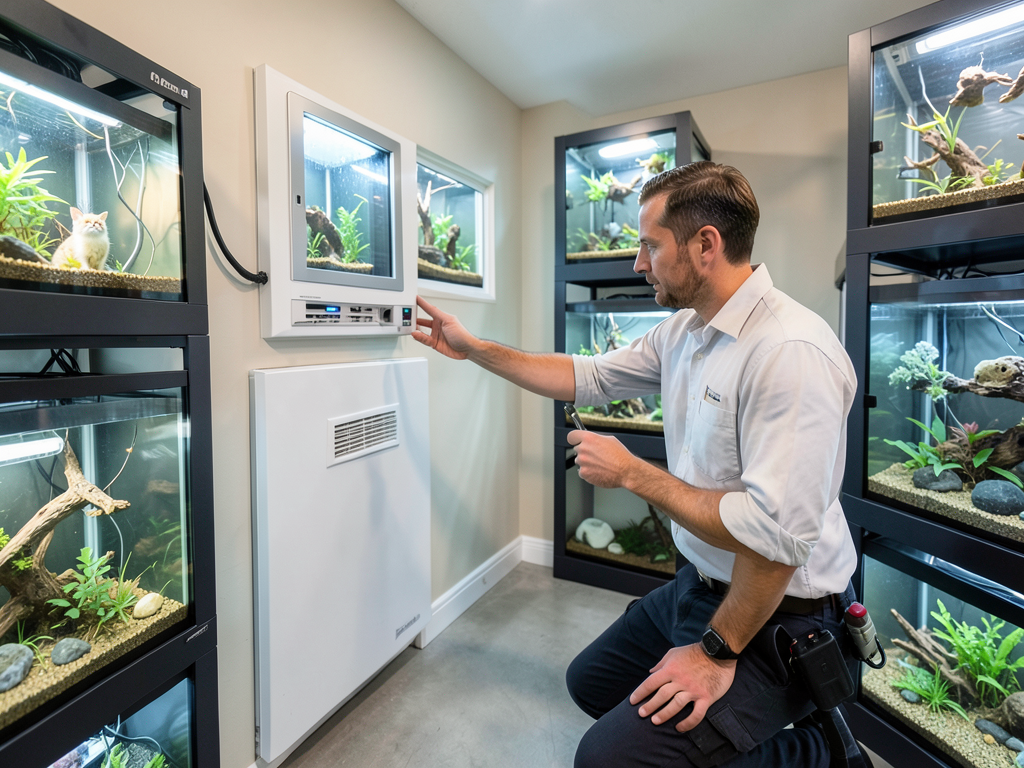
Maintaining Precise Temperature Control for Exotic Pets and Birds in Your Gahanna Home
Ohio’s unpredictable climate swings from humid summers to sub-zero winters can make maintaining stable conditions for exotic pets challenging. Standard home HVAC systems simply cannot deliver the precise temperature control that reptiles, birds, and amphibians require. This guide explains how professional HVAC solutions can create safe, reliable microclimates that protect your exotic pets from Central Ohio’s weather extremes. Ohio EPA.
Why Standard HVAC Systems Fail Exotic Pet Owners
Most residential heating and cooling systems are designed for human comfort, not animal health. They typically maintain temperatures within a 5-10 degree range, while many exotic species need conditions held to within 1-2 degrees. The problem becomes critical in Gahanna where seasonal humidity can swing from 20% to 80%, causing stress or illness in sensitive animals. Where to Find 24 Hour Emergency HVAC Help Anywhere in Columbus.
Consider a bearded dragon that requires basking temperatures of 95-105°F with a cool side at 75-80°F. Standard thermostats cycling on and off cannot maintain these precise gradients. The same applies to tropical birds needing consistent 65-70% humidity or ball pythons requiring stable 80-85°F environments for proper digestion.
Columbus Climate Challenges for Exotic Keepers
Gahanna sits in the Midwest’s volatile weather zone where polar vortex events can drop temperatures 40 degrees in 24 hours. These rapid swings overwhelm standard HVAC systems, causing dangerous fluctuations in pet enclosures. During summer humidity spikes, moisture condenses on enclosure walls, creating bacterial breeding grounds that can kill amphibians.
The Ohio EPA tracks Franklin County’s air quality, which affects respiratory-sensitive species like parrots and finches. Fine particulate matter from agricultural dust and industrial emissions can penetrate standard filters. Professional-grade HEPA filtration becomes essential for maintaining healthy air quality in exotic pet rooms. Improving the Air Quality in Your Older Clintonville Home.
Advanced HVAC Solutions: Zoning and Mini-Splits
Ductless mini-split systems offer the most precise temperature control for exotic pet rooms. Unlike central systems that cool entire homes, mini-splits create independent zones with dedicated thermostats. A 12,000 BTU unit can maintain a 200 square foot reptile room at exactly 85°F while your bedroom stays at 68°F. Ductless Mini-Split Systems.
Installation requires understanding Franklin County building codes for electrical service upgrades. Most exotic pet rooms need dedicated 240V circuits to handle heating elements and cooling systems simultaneously. The Ohio Mechanical Code Section 1301.3 requires permits for HVAC modifications affecting structural components.
Installation Considerations:
- Wall-mounted indoor units with remote sensors placed inside vivariums
- Inverter technology that modulates output rather than cycling on/off
- Dehumidification modes for controlling mold growth
- Sleep settings that maintain minimum temperatures overnight
Redundancy and Monitoring Systems
Power outages during Ohio’s severe weather events pose the greatest threat to exotic pets. AEP Ohio reports that Franklin County experiences an average of 3-4 significant outages annually, often during extreme temperature conditions. Backup power systems become non-negotiable for exotic pet owners. AEP Ohio.
Smart monitoring systems provide real-time alerts when temperatures drift outside safe ranges. WiFi-enabled hygrometers send notifications to your phone when humidity drops below 40% or rises above 80%. Professional systems integrate with home automation platforms like Ecobee or Nest, allowing remote temperature adjustments. Upgrading to a Smart Thermostat in Grandview Heights to Lower Your Electric Bill.
Essential Redundancy Components:
- Whole-home generator with automatic transfer switch
- Battery backup for critical heating/cooling equipment
- Temperature alarm systems with battery backup
- Manual override thermostats for emergency access
Species-Specific Temperature Requirements
Different exotic species have vastly different environmental needs. Creating appropriate conditions requires understanding both the animal’s biology and the technical capabilities of HVAC systems. Why Your Westerville AC Needs a Tune Up Before the Humidity Hits.
| Species | Temperature Range | Humidity Range | Special Requirements |
|---|---|---|---|
| Bearded Dragon | 75-105°F gradient | 30-40% | Basking spot with ceramic heat emitter |
| Ball Python | 75-85°F gradient | 50-60% | Under-tank heating with thermostat control |
| Macaw | 65-80°F | 45-65% | HEPA filtration for respiratory health |
| Red-Eared Slider | 75-85°F water | 50-70% | Aquatic heater with temperature controller |
Smart Home Integration for Exotic Pet Safety
Modern smart thermostats offer capabilities far beyond simple temperature control. Professional-grade units like the Ecobee SmartThermostat include remote sensors that can be placed directly in vivariums, providing accurate readings of the animal’s actual environment rather than room air temperature.
These systems learn your pets’ activity patterns and adjust accordingly. For example, they can pre-warm basking areas 30 minutes before your bearded dragon’s active period begins, then reduce temperatures during nighttime hours when reptiles enter brumation cycles.
Integration with security systems adds another layer of protection. Motion sensors can trigger HVAC adjustments when animals become active, while door contacts prevent unauthorized access to sensitive enclosures.
Emergency Power Solutions for Ohio Outages
AEP Ohio’s service area in Franklin County experiences an average of 150 minutes of outage time annually, with some events lasting 24+ hours during ice storms. For exotic pet owners, this translates to potential life-threatening temperature drops or dangerous heat buildup.
Whole-home generators provide the most reliable backup, automatically activating within 30 seconds of power loss. A 10-15 kW unit typically costs $4,000-$8,000 installed and can power essential HVAC equipment, lighting, and filtration systems.
For budget-conscious owners, portable generators offer a lower-cost alternative. A 5,000-watt portable unit costs $500-$1,000 but requires manual setup and fuel management. Critical considerations include proper ventilation to prevent carbon monoxide buildup and weather protection for outdoor operation.
Air Quality Management for Respiratory Health
Exotic birds have extremely sensitive respiratory systems. The Ohio EPA reports that Franklin County occasionally exceeds federal air quality standards for particulate matter, particularly during summer months when agricultural activities increase airborne dust.
Professional-grade HEPA filtration systems remove 99.97% of particles 0.3 microns or larger. For exotic pet rooms, this means removing pollen, dust mites, mold spores, and other respiratory irritants that standard filters cannot capture.
UV-C light systems installed in HVAC ductwork provide additional protection by killing airborne bacteria and viruses. These systems are particularly important for multi-pet households where disease transmission between species becomes a concern.
Maintenance Schedule for Optimal Performance
Exotic pet HVAC systems require more frequent maintenance than standard residential systems. The increased dust from bedding materials, the higher humidity levels, and the continuous operation all contribute to accelerated wear.
Recommended Maintenance Intervals:
- Monthly: Filter inspection and replacement
- Quarterly: Coil cleaning and condensate drain inspection
- Semi-annually: Complete system inspection and calibration
- Annually: Professional deep cleaning and performance testing
During peak summer and winter months, systems may require monthly professional inspections to ensure they’re handling the increased load without developing problems that could endanger pets.
Cost-Benefit Analysis of Professional Systems
Initial installation costs for exotic pet HVAC systems range from $3,000 to $15,000 depending on complexity. While this represents a significant investment, the cost of losing a rare or expensive animal to temperature fluctuations can be much higher.
Energy efficiency becomes a crucial factor. Professional systems with inverter technology use 30-50% less electricity than standard units while providing superior temperature control. Over a 10-year lifespan, these savings can offset much of the initial investment.
Insurance considerations also matter. Some exotic pet insurance policies offer premium discounts for homes with professional climate control systems, recognizing the reduced risk of temperature-related incidents.
Local Building Code Compliance
Franklin County requires permits for most HVAC modifications affecting structural components. The Ohio Mechanical Code Section 1301.3 specifically addresses ventilation requirements for specialized animal housing, including minimum air exchange rates and filtration standards.
Gahanna’s zoning ordinances regulate outdoor unit placement, requiring minimum distances from property lines and noise level compliance. Professional installers understand these requirements and can navigate the permit process efficiently.
Electrical upgrades often accompany HVAC installations. The National Electrical Code requires dedicated circuits for equipment drawing more than 50% of a branch circuit’s capacity. Exotic pet rooms frequently need multiple dedicated circuits for heating, cooling, lighting, and filtration systems.
Choosing the Right HVAC Professional
Not all HVAC technicians understand exotic pet requirements. Look for contractors with experience in specialized climate control applications, including server room cooling and medical facility HVAC systems. These professionals understand the importance of precise temperature control and redundancy.
Ask potential contractors about their experience with:
- Species-specific temperature requirements
- Smart home integration capabilities
- Backup power system installation
- HEPA filtration expertise
- Local building code compliance
Request references from other exotic pet owners and verify their ability to provide ongoing maintenance and emergency service.
Frequently Asked Questions
What’s the most reliable way to maintain temperature during power outages?
Whole-home generators with automatic transfer switches provide the most reliable backup power. They activate within 30 seconds of power loss and can run indefinitely as long as fuel is available. For critical systems, battery backup with enough capacity for 24-48 hours provides additional security.
How often should I replace filters in an exotic pet room?
Standard 1-inch filters should be replaced monthly in exotic pet rooms due to increased dust and dander. HEPA filters may last 2-3 months but require more frequent inspection. Use filter monitoring systems that alert you when pressure drop indicates reduced airflow.
Can I use space heaters for backup heating?
Space heaters pose significant fire hazards and should never be used as primary or backup heating for exotic pets. They lack temperature control precision, create hot spots, and can overload electrical circuits. Professional heating systems with built-in safety controls are essential.
What humidity level is safe for most exotic pets?
Safe humidity levels vary by species, but most exotic pets thrive between 40-60% relative humidity. Levels below 30% can cause dehydration and respiratory issues, while levels above 70% promote mold growth and bacterial infections. Use hygrometers with remote sensors for accurate monitoring.
How do I know if my current HVAC system is adequate?
Monitor temperature and humidity levels in your pet’s enclosure for 72 hours using accurate digital sensors. If fluctuations exceed 2-3 degrees or 5-10% humidity, your system likely needs upgrading. Professional assessment can identify specific deficiencies and recommend solutions.
Conclusion
Maintaining precise temperature control for exotic pets requires more than standard HVAC systems. Gahanna’s climate extremes and Ohio’s seasonal weather patterns create challenges that demand professional solutions. From smart thermostats with remote sensors to backup power systems and HEPA filtration, the right equipment protects your investment and ensures your pets’ health.
Don’t wait for a temperature emergency to discover your system’s limitations. Call (380) 253-3188 today to schedule a professional assessment of your exotic pet’s environmental needs. Our experienced technicians understand both the technical requirements and the emotional investment you have in your animals. We’ll design a system that provides the precise control your pets need while meeting all local building codes and safety standards.
Pick up the phone and call (380) 253-3188 before the next weather emergency hits. Your exotic pets depend on reliable climate control, and we’re here to provide it.
You may also find this helpful. Keeping Your Spare Room Comfortable as a Permanent Home Office in Blacklick.
You may also find this helpful. The Hidden Impact of Central Ohio Hard Water on Your Whole Home Humidifier.
{
“@context”: “https://schema.org”,
“@type”: “BlogPosting”,
“headline”: “Maintaining Precise Temperature Control for Exotic Pets and Birds in Your Gahanna Home”,
“description”: “Learn how to maintain exact temperature and humidity for exotic pets in Gahanna. Discover professional HVAC solutions that protect your animals from Ohio’s extreme climate swings.”,
“wordCount”: 1779,
“datePublished”: “2026-05-25T13:45:00.000Z”,
“dateModified”: “2026-05-25T13:45:00.000Z”,
“inLanguage”: “en-US”,
“mainEntityOfPage”: {
“@type”: “WebPage”,
“@id”: “https://grandhvaccolumbus.com”
},
“publisher”: {
“@type”: “LocalBusiness”,
“name”: “Grand HVAC Columbus”,
“url”: “https://grandhvaccolumbus.com”
},
“author”: {
“@type”: “Organization”,
“name”: “Grand HVAC Columbus”,
“url”: “https://grandhvaccolumbus.com”
},
“image”: {
“@type”: “ImageObject”,
“url”: “https://grandhvaccolumbus.com/wp-content/uploads/2026/03/maintaining-precise-temperature-control-for-exotic-1.png”
}
}
{
“@context”: “https://schema.org”,
“@type”: “HVACBusiness”,
“name”: “Grand HVAC Columbus”,
“url”: “https://grandhvaccolumbus.com”,
“address”: {
“@type”: “PostalAddress”,
“addressLocality”: “Columbus”
},
“areaServed”: {
“@type”: “City”,
“name”: “Columbus”
}
}
{
“@context”: “https://schema.org”,
“@type”: “FAQPage”,
“mainEntity”: [
{
“@type”: “Question”,
“name”: “What’s the most reliable way to maintain temperature during power outages?”,
“acceptedAnswer”: {
“@type”: “Answer”,
“text”: “Whole-home generators with automatic transfer switches provide the most reliable backup power. They activate within 30 seconds of power loss and can run indefinitely as long as fuel is available. For critical systems, battery backup with enough capacity for 24-48 hours provides additional security.”
}
},
{
“@type”: “Question”,
“name”: “How often should I replace filters in an exotic pet room?”,
“acceptedAnswer”: {
“@type”: “Answer”,
“text”: “Standard 1-inch filters should be replaced monthly in exotic pet rooms due to increased dust and dander. HEPA filters may last 2-3 months but require more frequent inspection. Use filter monitoring systems that alert you when pressure drop indicates reduced airflow.”
}
},
{
“@type”: “Question”,
“name”: “Can I use space heaters for backup heating?”,
“acceptedAnswer”: {
“@type”: “Answer”,
“text”: “Space heaters pose significant fire hazards and should never be used as primary or backup heating for exotic pets. They lack temperature control precision, create hot spots, and can overload electrical circuits. Professional heating systems with built-in safety controls are essential.”
}
},
{
“@type”: “Question”,
“name”: “What humidity level is safe for most exotic pets?”,
“acceptedAnswer”: {
“@type”: “Answer”,
“text”: “Safe humidity levels vary by species, but most exotic pets thrive between 40-60% relative humidity. Levels below 30% can cause dehydration and respiratory issues, while levels above 70% promote mold growth and bacterial infections. Use hygrometers with remote sensors for accurate monitoring.”
}
},
{
“@type”: “Question”,
“name”: “How do I know if my current HVAC system is adequate?”,
“acceptedAnswer”: {
“@type”: “Answer”,
“text”: “Monitor temperature and humidity levels in your pet’s enclosure for 72 hours using accurate digital sensors. If fluctuations exceed 2-3 degrees or 5-10% humidity, your system likely needs upgrading. Professional assessment can identify specific deficiencies and recommend solutions.”
}
}
]
}
{
“@context”: “https://schema.org”,
“@type”: “BreadcrumbList”,
“itemListElement”: [
{
“@type”: “ListItem”,
“position”: 1,
“name”: “Home”,
“item”: “https://grandhvaccolumbus.com”
},
{
“@type”: “ListItem”,
“position”: 2,
“name”: “Blog”,
“item”: “https://grandhvaccolumbus.com/blog”
},
{
“@type”: “ListItem”,
“position”: 3,
“name”: “Maintaining Precise Temperature Control for Exotic Pets and Birds in Your Gahanna Home”
}
]
}
{
“@context”: “https://schema.org”,
“@type”: “Service”,
“serviceType”: “HVAC”,
“provider”: {
“@type”: “LocalBusiness”,
“name”: “Grand HVAC Columbus”,
“url”: “https://grandhvaccolumbus.com”
},
“areaServed”: {
“@type”: “City”,
“name”: “Columbus”
},
“description”: “Learn how to maintain exact temperature and humidity for exotic pets in Gahanna. Discover professional HVAC solutions that protect your animals from Ohio’s extreme climate swings.”
}