
Does Homeowners Insurance Cover Your AC Unit if It Gets Damaged in a Columbus Storm?
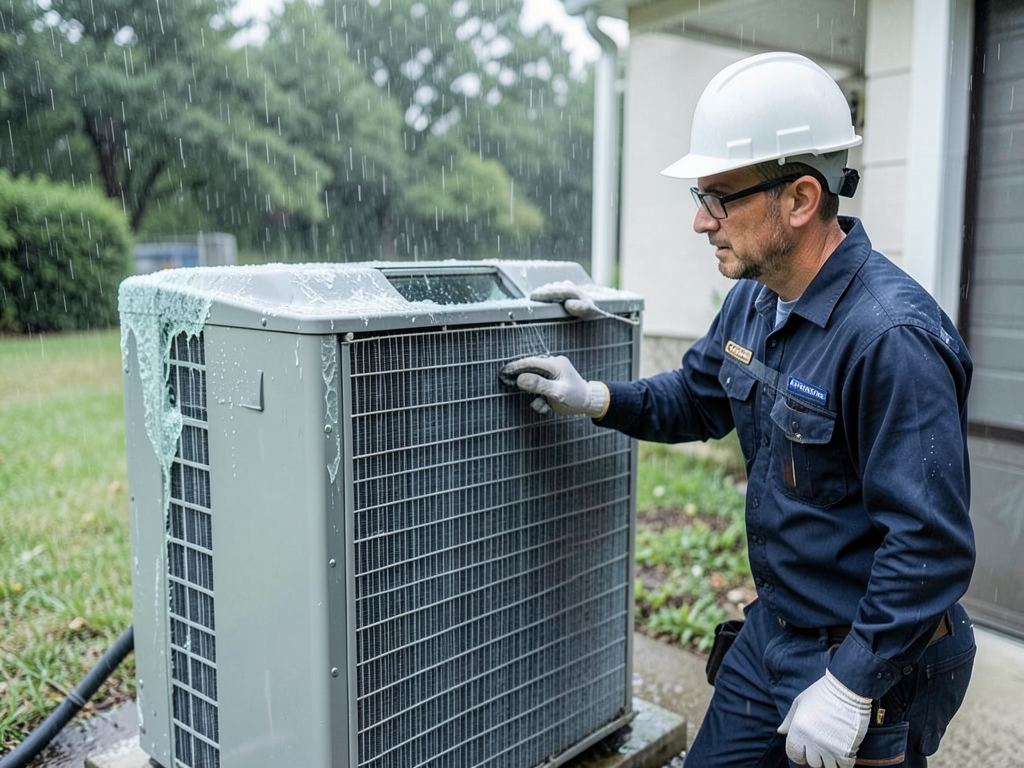
Ohio homeowners need to understand how their insurance covers storm damage to outdoor HVAC equipment. Your AC unit faces risks from lightning strikes, falling trees, and hail damage. Insurance companies pay for repairs when specific conditions get met. This guide explains what coverage you have and how to file claims properly. Ohio Department of Insurance.
Standard homeowners insurance in Ohio covers sudden, accidental damage to your HVAC system. If a storm sends a tree branch through your condenser or lightning fries the electrical components, your policy likely covers it. But if your 15-year-old unit simply stops working during a heatwave, that falls under wear and tear and insurance won’t help.
The key is understanding what Ohio insurance companies call covered perils versus maintenance issues. Covered perils include fire, lightning strikes, windstorms, hail, vandalism, and weight of ice or snow. Maintenance issues include rust, corrosion, age-related failure, and lack of upkeep. Troubleshooting AC Issues.
Columbus homeowners face unique risks. The Ohio climate delivers summer thunderstorms with high winds and hail, winter ice storms that can snap tree limbs, and spring tornadoes in Central Ohio. Each weather event creates different hazards for outdoor HVAC equipment.
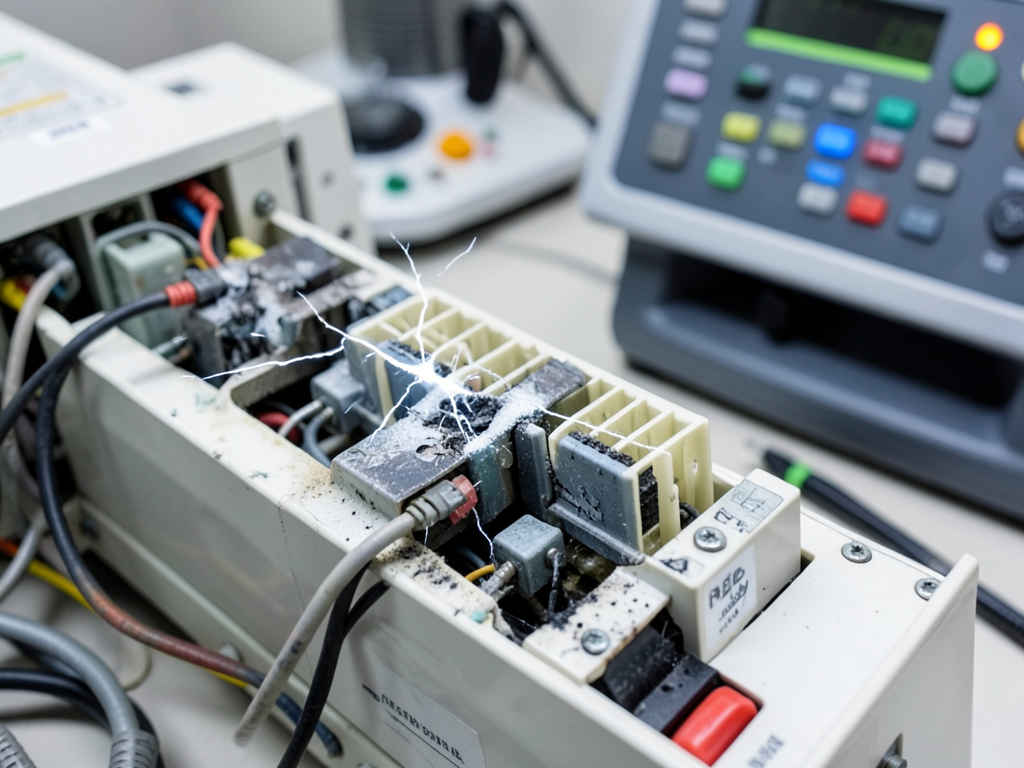
Lightning strikes pose a major threat to AC units in Franklin County. When lightning hits near your home, the electrical surge can travel through power lines and damage the compressor, contactor, or control board. This sudden electrical failure qualifies as a covered peril under most Ohio HO-3 policies. Franklin County Government.
Falling trees cause another common insurance claim. Columbus neighborhoods with mature trees like German Village or Bexley face higher risk during windstorms. If a tree limb falls on your outdoor condenser and damages the housing or coils, your insurance should cover repairs minus your deductible.
Hail damage affects AC units differently than roofs. Hail can dent the condenser fins, damage the fan blades, or crack the refrigerant lines. These impacts often require a technician to inspect the unit and document the damage for your insurance claim.
Fire damage from nearby lightning strikes or electrical malfunctions also qualifies for coverage. If fire damages your HVAC system, your policy covers repairs or replacement based on your coverage type.
Ohio homeowners should know that most insurance policies exclude coverage for normal wear and tear. A unit that fails due to age, lack of maintenance, or gradual deterioration won’t be covered. This means a 12-year-old AC that stops working on a hot July day likely requires out-of-pocket replacement.
Equipment breakdown coverage offers an optional endorsement that many Columbus homeowners overlook. This add-on covers mechanical failures that standard policies exclude, such as refrigerant leaks or compressor burnout from normal operation. The endorsement typically costs $50-$100 annually but can save thousands on repairs.
Maintenance records play a crucial role in insurance claims. If you’ve had annual tune-ups from a licensed Columbus HVAC contractor, those records prove you maintained the system properly. Insurance adjusters look for evidence that damage wasn’t due to neglect before approving claims.
Columbus homeowners should keep documentation of all HVAC maintenance, repairs, and age of equipment. When filing a claim, you’ll need photos of the damage, a technician’s diagnostic report, and proof of regular maintenance. Without this documentation, adjusters may deny claims citing wear and tear.
The claims process starts with documenting damage immediately after a storm. Take clear photos of visible damage, including any fallen debris or water intrusion. Don’t attempt repairs yourself, as this can void coverage or reduce your settlement amount.
Call a licensed HVAC technician to inspect the damage and provide a written estimate. The technician should note whether damage appears sudden and accidental or gradual in nature. This professional assessment carries weight with insurance adjusters.
Notify your insurance agent within 24-48 hours of discovering damage. Most Ohio policies require prompt notification. The agent will explain your coverage, deductible amount, and claims process timeline.
Insurance adjusters typically inspect damage within 3-5 business days in Columbus. They’ll compare the technician’s report with their own assessment and determine coverage based on your policy terms and the cause of damage.
Deductibles for HVAC claims in Ohio usually range from $500 to $2,000 depending on your policy. If repair costs fall below your deductible, filing a claim doesn’t make financial sense. For example, a $400 capacitor replacement with a $1,000 deductible means you pay the full cost.
Replacement cost value versus actual cash value affects your settlement. Replacement cost policies pay to replace your unit with new equipment, while actual cash value policies deduct depreciation based on your AC’s age. A five-year-old unit might only receive 60% of replacement cost under ACV coverage.
Columbus homeowners should review their policies annually to understand coverage limits and exclusions. Some policies limit HVAC coverage to $5,000 or require separate endorsements for high-value systems.
Commercial properties face different coverage rules. Business insurance often includes equipment breakdown coverage as standard, while residential policies treat it as optional. Restaurants and retail spaces with rooftop units should verify their coverage specifically covers HVAC systems.
Smart home technology adds complexity to insurance claims. If your smart thermostat or zoning system gets damaged, coverage depends on whether it’s considered part of the HVAC system or personal property. Some policies exclude smart home devices entirely. Upgrading to a Smart Thermostat in Grandview Heights to Lower Your Electric Bill.
Columbus’s humid continental climate creates specific HVAC challenges. High humidity in summer causes condensation issues, while winter freeze-thaw cycles stress outdoor components. These environmental factors can accelerate wear but don’t qualify as covered perils under standard policies.
Power surges from AEP Ohio grid fluctuations can damage AC units even without storms. Some Columbus homeowners install whole-house surge protectors to prevent this type of damage. While surge protectors aren’t covered by insurance, they can prevent costly repairs. AEP Ohio.
Understanding your policy’s language helps set realistic expectations. Terms like sudden and accidental, wear and tear, and maintenance have specific meanings in insurance claims. When in doubt, ask your agent to explain coverage in plain language before damage occurs.
Columbus homeowners who experience HVAC damage should act quickly but carefully. Document everything, get professional assessments, and understand your coverage before filing claims. Sometimes the cost of filing and potential premium increases outweighs the benefit of a small claim.
The best protection combines proper insurance coverage with regular maintenance. Annual HVAC tune-ups from licensed Columbus contractors not only prevent breakdowns but also provide documentation that supports insurance claims when covered damage occurs.
Remember that insurance protects against financial catastrophe, not inconvenience. A system that’s simply old and inefficient doesn’t qualify for replacement coverage. But damage from covered perils can save you thousands in unexpected repair costs.
Columbus homeowners face unique weather risks that can damage HVAC systems. Understanding your insurance coverage, maintaining your equipment, and documenting everything creates the best protection against unexpected repair costs after storms.
Common Covered Perils for HVAC Systems in Ohio
| Peril Type | Examples | Coverage Notes |
|---|---|---|
| Lightning | Electrical surge damage | Usually covered under standard HO-3 |
| Wind/Hail | Falling debris, hail impact | Standard coverage in Ohio |
| Fire | Nearby fire damage | Always covered |
| Vandalism | Intentional damage | Coverage varies by policy |
| Weight of Ice/Snow | Roof collapse on unit | Ohio-specific coverage |
Step-by-Step: Filing an HVAC Insurance Claim in Columbus
- Document Damage Immediately
Take clear photos of all visible damage from multiple angles. Include any fallen debris, water intrusion, or structural impacts. Don’t move or repair anything yet.
- Call a Licensed HVAC Technician
Have a qualified Columbus contractor inspect the unit and provide a written diagnostic report. The report should specify whether damage appears sudden and accidental versus gradual wear.
- Review Your Policy Details
Check your declarations page for coverage limits, deductibles, and exclusions. Note whether you have replacement cost value or actual cash value coverage for HVAC systems.
- Notify Your Insurance Agent
Contact your agent within 24-48 hours of discovering damage. Provide photos, the technician’s report, and details about when and how the damage occurred.
- Meet with the Insurance Adjuster
The adjuster will inspect damage and compare it with your documentation. Be present during the inspection to point out all affected areas and provide maintenance records.
- Review the Settlement Offer
Examine the adjuster’s report and settlement amount. If you disagree with the assessment, you can request a second opinion or mediation through your insurance company.
- Complete Repairs with Licensed Contractors
Once you accept the settlement, hire a qualified Columbus HVAC contractor to complete repairs. Keep all receipts and documentation for your records.
Maintenance Records That Support Insurance Claims
| Document Type | Why It Matters | Retention Period |
|---|---|---|
| Annual Tune-up Reports | Proves regular maintenance | Keep 5+ years |
| Repair Invoices | Shows system history | Keep 3+ years |
| Equipment Age Documentation | Establishes replacement value | Keep indefinitely |
| Manufacturer Warranties | May affect coverage | Keep until expired |
| Smart Thermostat Records | Proves system operation | Keep 2+ years |
Frequently Asked Questions
Does homeowners insurance cover AC unit replacement if it’s old?
No. Insurance only covers damage from covered perils like storms or lightning. Age-related failure or wear and tear is not covered under standard policies.
How long do I have to file an HVAC insurance claim in Ohio?
Most Ohio policies require notification within 24-72 hours of discovering damage. Check your specific policy for exact timeframes and reporting requirements.
Will insurance cover my AC if a tree falls on it during a storm?
Yes, if the damage results from a covered peril like wind or falling trees. You’ll need to pay your deductible and provide documentation of the damage and cause.
What’s the difference between replacement cost and actual cash value for HVAC claims?
Replacement cost pays to replace your unit with new equipment. Actual cash value deducts depreciation based on age, so an older unit receives less money.
Should I file a claim for minor HVAC damage?
Consider your deductible and potential premium increases. If repair costs are close to or below your deductible, paying out-of-pocket might be better long-term.
Don’t Wait Until Storm Damage Costs You Thousands
Columbus storms can damage your AC unit in seconds, but insurance claims take time and proper documentation. Before the next severe weather hits, review your policy coverage and consider adding equipment breakdown endorsement if you don’t have it.
If your AC shows signs of storm damage, call (380) 253-3188 today for a professional inspection. Our Columbus technicians can assess damage, provide documentation for your insurance claim, and get your system running again quickly.
Pick up the phone and call (380) 253-3188 before the next storm hits. We’re ready to help you protect your investment and restore your comfort when severe weather strikes Franklin County.
{
“@context”: “https://schema.org”,
“@type”: “BlogPosting”,
“headline”: “Does Homeowners Insurance Cover Your AC Unit if It Gets Damaged in a Columbus Storm?”,
“description”: “Learn if your homeowners insurance covers AC damage from Columbus storms. Find out about covered perils, filing claims, and when insurance pays for repairs.”,
“wordCount”: 1767,
“datePublished”: “2026-05-24T11:18:00.000Z”,
“dateModified”: “2026-05-24T11:18:00.000Z”,
“inLanguage”: “en-US”,
“mainEntityOfPage”: {
“@type”: “WebPage”,
“@id”: “https://grandhvaccolumbus.com”
},
“publisher”: {
“@type”: “LocalBusiness”,
“name”: “Grand HVAC Columbus”,
“url”: “https://grandhvaccolumbus.com”
},
“author”: {
“@type”: “Organization”,
“name”: “Grand HVAC Columbus”,
“url”: “https://grandhvaccolumbus.com”
},
“image”: {
“@type”: “ImageObject”,
“url”: “https://grandhvaccolumbus.com/wp-content/uploads/2026/03/does-homeowners-insurance-cover-your-ac-unit-if-it-1.png”
}
}
{
“@context”: “https://schema.org”,
“@type”: “HVACBusiness”,
“name”: “Grand HVAC Columbus”,
“url”: “https://grandhvaccolumbus.com”,
“address”: {
“@type”: “PostalAddress”,
“addressLocality”: “Columbus”
},
“areaServed”: {
“@type”: “City”,
“name”: “Columbus”
}
}
{
“@context”: “https://schema.org”,
“@type”: “FAQPage”,
“mainEntity”: [
{
“@type”: “Question”,
“name”: “Does homeowners insurance cover AC unit replacement if it’s old?”,
“acceptedAnswer”: {
“@type”: “Answer”,
“text”: “No. Insurance only covers damage from covered perils like storms or lightning. Age-related failure or wear and tear is not covered under standard policies.”
}
},
{
“@type”: “Question”,
“name”: “How long do I have to file an HVAC insurance claim in Ohio?”,
“acceptedAnswer”: {
“@type”: “Answer”,
“text”: “Most Ohio policies require notification within 24-72 hours of discovering damage. Check your specific policy for exact timeframes and reporting requirements.”
}
},
{
“@type”: “Question”,
“name”: “Will insurance cover my AC if a tree falls on it during a storm?”,
“acceptedAnswer”: {
“@type”: “Answer”,
“text”: “Yes, if the damage results from a covered peril like wind or falling trees. You’ll need to pay your deductible and provide documentation of the damage and cause.”
}
},
{
“@type”: “Question”,
“name”: “What’s the difference between replacement cost and actual cash value for HVAC claims?”,
“acceptedAnswer”: {
“@type”: “Answer”,
“text”: “Replacement cost pays to replace your unit with new equipment. Actual cash value deducts depreciation based on age, so an older unit receives less money.”
}
},
{
“@type”: “Question”,
“name”: “Should I file a claim for minor HVAC damage?”,
“acceptedAnswer”: {
“@type”: “Answer”,
“text”: “Consider your deductible and potential premium increases. If repair costs are close to or below your deductible, paying out-of-pocket might be better long-term.”
}
}
]
}
{
“@context”: “https://schema.org”,
“@type”: “HowTo”,
“name”: “How to File an HVAC Insurance Claim”,
“step”: [
{
“@type”: “HowToStep”,
“position”: 1,
“name”: “Document Damage Immediately”,
“text”: “Take clear photos of all visible damage from multiple angles. Include any fallen debris, water intrusion, or structural impacts. Don’t move or repair anything yet.”
},
{
“@type”: “HowToStep”,
“position”: 2,
“name”: “Call a Licensed HVAC Technician”,
“text”: “Have a qualified Columbus contractor inspect the unit and provide a written diagnostic report. The report should specify whether damage appears sudden and accidental versus gradual wear.”
},
{
“@type”: “HowToStep”,
“position”: 3,
“name”: “Review Your Policy Details”,
“text”: “Check your declarations page for coverage limits, deductibles, and exclusions. Note whether you have replacement cost value or actual cash value coverage for HVAC systems.”
},
{
“@type”: “HowToStep”,
“position”: 4,
“name”: “Notify Your Insurance Agent”,
“text”: “Contact your agent within 24-48 hours of discovering damage. Provide photos, the technician’s report, and details about when and how the damage occurred.”
},
{
“@type”: “HowToStep”,
“position”: 5,
“name”: “Meet with the Insurance Adjuster”,
“text”: “The adjuster will inspect damage and compare it with your documentation. Be present during the inspection to point out all affected areas and provide maintenance records.”
},
{
“@type”: “HowToStep”,
“position”: 6,
“name”: “Review the Settlement Offer”,
“text”: “Examine the adjuster’s report and settlement amount. If you disagree with the assessment, you can request a second opinion or mediation through your insurance company.”
},
{
“@type”: “HowToStep”,
“position”: 7,
“name”: “Complete Repairs with Licensed Contractors”,
“text”: “Once you accept the settlement, hire a qualified Columbus HVAC contractor to complete repairs. Keep all receipts and documentation for your records.”
}
],
“image”: “https://grandhvaccolumbus.com/wp-content/uploads/2026/03/does-homeowners-insurance-cover-your-ac-unit-if-it-1.png”
}
{
“@context”: “https://schema.org”,
“@type”: “BreadcrumbList”,
“itemListElement”: [
{
“@type”: “ListItem”,
“position”: 1,
“name”: “Home”,
“item”: “https://grandhvaccolumbus.com”
},
{
“@type”: “ListItem”,
“position”: 2,
“name”: “Blog”,
“item”: “https://grandhvaccolumbus.com/blog”
},
{
“@type”: “ListItem”,
“position”: 3,
“name”: “Does Homeowners Insurance Cover Your AC Unit if It Gets Damaged in a Columbus Storm?”
}
]
}
{
“@context”: “https://schema.org”,
“@type”: “Service”,
“serviceType”: “HVAC”,
“provider”: {
“@type”: “LocalBusiness”,
“name”: “Grand HVAC Columbus”,
“url”: “https://grandhvaccolumbus.com”
},
“areaServed”: {
“@type”: “City”,
“name”: “Columbus”
},
“description”: “Learn if your homeowners insurance covers AC damage from Columbus storms. Find out about covered perils, filing claims, and when insurance pays for repairs.”
}