Signs Your Downtown Columbus Office Building Needs a Modern HVAC Control System Upgrade
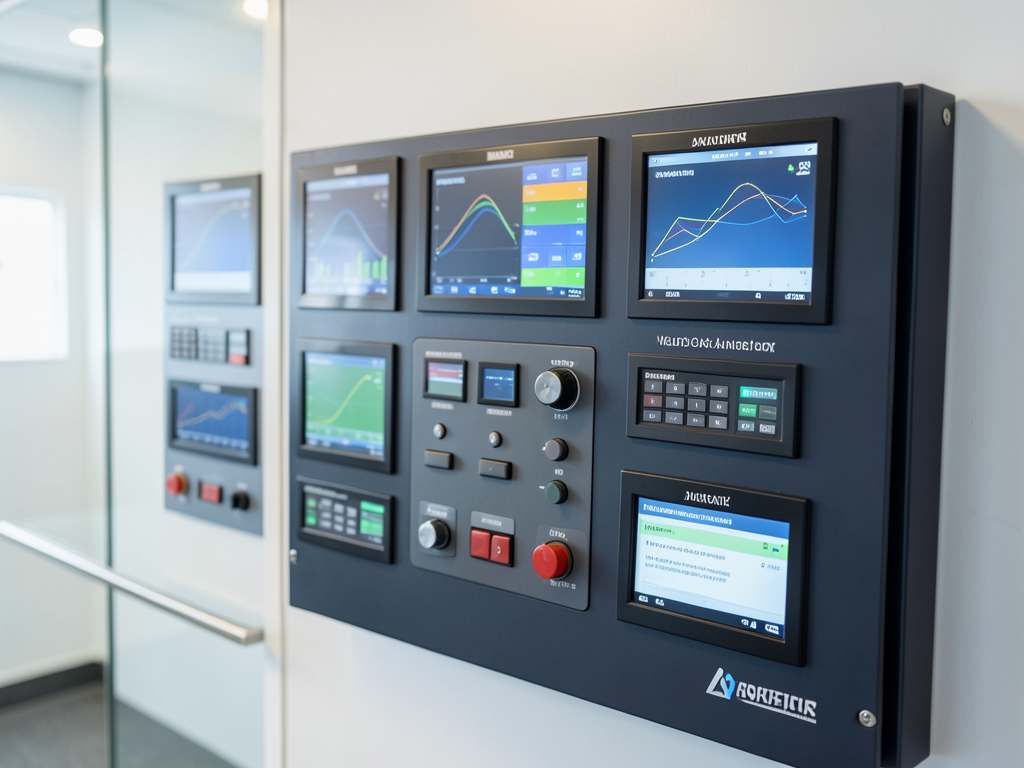
Commercial buildings in Downtown Columbus face unique climate challenges from Ohio’s humid summers and freezing winters. If your office building struggles with uneven temperatures rising energy bills or frequent equipment breakdowns your HVAC control system may be outdated. Modern building automation systems offer Downtown businesses precise climate control significant energy savings and remote monitoring capabilities that legacy systems cannot match.
Building managers in the Discovery District and surrounding areas often notice comfort complaints spike during spring and fall when rapid temperature swings stress older equipment. Smart controls can automatically adjust ventilation rates based on occupancy sensors reducing energy waste in empty conference rooms while maintaining optimal conditions in occupied spaces. The technology has evolved beyond simple thermostats to integrated systems that communicate with lighting security and fire protection for comprehensive building management. Upgrading to a Smart Thermostat in Grandview Heights to Lower Your Electric Bill.
Before your next major equipment failure forces an emergency replacement consider these warning signs that indicate your Downtown Columbus office needs a control system upgrade. From inconsistent temperatures across different floors to the inability to monitor system performance remotely these issues directly impact tenant satisfaction and your bottom line. Modern solutions like Direct Digital Control (DDC) and Building Management Systems (BMS) can transform how your building operates while qualifying for AEP Ohio commercial energy rebates. AEP Ohio Commercial Energy Efficiency.
Key Warning Signs Your Control System Is Failing
Commercial HVAC systems in Downtown Columbus office buildings typically show specific failure patterns that indicate control system obsolescence. These warning signs often develop gradually but accelerate during peak demand seasons when systems work hardest.
Temperature inconsistencies between floors represent one of the most common complaints from Downtown building managers. If your first floor feels like a refrigerator while the top floor resembles a sauna your control system cannot properly balance air distribution. This problem becomes especially noticeable in buildings near the Ohio Theatre where varying sun exposure creates additional thermal loads. Where to Find 24 Hour Emergency HVAC Help Anywhere in Columbus.
Another critical warning sign involves energy bills that continue climbing despite stable occupancy rates. Modern control systems use predictive algorithms to optimize equipment runtime based on historical usage patterns and weather forecasts. Legacy systems operate on fixed schedules that cannot adapt to changing conditions forcing equipment to work harder than necessary.
Frequent thermostat adjustments by tenants indicate your system lacks the precision of modern controls. When occupants constantly battle with temperature settings it suggests the control system cannot maintain consistent conditions across different zones. This leads to tenant dissatisfaction and potential lease renewal issues for Downtown property managers.
System response delays represent another red flag. If your building takes hours to recover from temperature setbacks or cannot quickly respond to occupancy changes the control system lacks the processing speed of current technology. Modern DDC systems can make adjustments in seconds rather than minutes or hours.
Diagnostic capabilities or lack thereof often reveal control system limitations. If maintenance staff cannot easily identify which equipment is operating inefficiently or predict when components need replacement your system lacks the data analytics capabilities that modern building automation provides.
Energy Waste Patterns in Downtown Buildings
Energy waste in Downtown Columbus office buildings follows predictable patterns that modern control systems can eliminate. Understanding these patterns helps building managers identify specific upgrade opportunities.
Nighttime and weekend operation represents a major waste source. Many Downtown buildings continue heating or cooling to occupied temperatures during unoccupied hours. Smart controls can implement intelligent setbacks that reduce energy consumption by 15-30% while ensuring comfortable recovery before the first employees arrive.
Fresh air intake represents another significant waste area. Traditional systems bring in maximum outside air regardless of indoor air quality needs. Modern controls use CO2 sensors to determine actual ventilation requirements reducing heating and cooling loads while maintaining healthy indoor air quality. Improving the Air Quality in Your Older Clintonville Home.
Equipment sequencing problems often waste energy in older systems. When multiple HVAC units start simultaneously they create demand spikes that increase utility costs. Modern controls can stage equipment startup to minimize these peaks while maintaining comfort levels.
Heat recovery opportunities frequently go unused in legacy systems. Modern controls can capture waste heat from computer rooms or kitchens and redistribute it to areas needing heating reducing overall energy consumption by up to 20% in some applications.
Standby power consumption adds up across multiple pieces of equipment. Modern controls can implement sleep modes for fans pumps and other components when they are not needed reducing overall building energy consumption by 5-10%.
Modern Control System Benefits
Upgrading to modern HVAC controls delivers multiple benefits beyond simple energy savings. These advantages directly impact building operations tenant satisfaction and property values.
Remote monitoring capabilities allow building managers to oversee system performance from anywhere with internet access. This feature proves invaluable during Columbus’s severe weather events when on-site access becomes difficult. Managers can identify issues before tenants notice problems and coordinate repairs more efficiently.
Predictive maintenance represents a significant advancement over reactive approaches. Modern controls track equipment runtime temperature trends and performance metrics to predict when components need service. This approach reduces emergency repairs by up to 40% while extending equipment life expectancy.
Occupant comfort improves dramatically with modern zoning capabilities. Smart controls can maintain different temperatures in various building areas based on occupancy sun exposure and equipment heat generation. This precision eliminates the hot and cold spots common in older systems.
Integration with other building systems creates synergies that improve overall operations. Modern controls can communicate with lighting systems to coordinate HVAC and lighting schedules reducing conflicts and improving energy efficiency across both systems.
Compliance with evolving building codes becomes easier with modern controls. Systems can automatically log performance data required for LEED certification or local energy efficiency mandates simplifying reporting requirements for Downtown property managers.
Tenant satisfaction typically improves with better temperature control and fewer comfort complaints. This improvement can translate directly to lease renewal rates and property values in competitive Downtown markets.
Integration with Legacy Equipment
Many Downtown Columbus office buildings worry that modern controls require complete equipment replacement. However most legacy HVAC systems can be retrofitted with modern control interfaces providing significant benefits without full system replacement.
Communication protocol compatibility represents the first integration consideration. Modern controls typically support BACnet Modbus and other standard protocols that allow communication with older equipment. Even systems using proprietary protocols can often be integrated through gateway devices that translate between old and new systems.
Sensor retrofitting provides another upgrade path. Modern temperature humidity and CO2 sensors can replace older analog sensors providing more accurate data to existing control systems. This upgrade alone can improve system performance by 10-15% without replacing the main control panel.
Variable Frequency Drive (VFD) integration offers significant efficiency improvements for existing equipment. VFDs allow fans and pumps to operate at variable speeds rather than simple on/off operation reducing energy consumption while improving comfort control.
Building Management System (BMS) platforms can often overlay existing controls providing modern interface and analytics without replacing the underlying equipment. This approach allows gradual upgrades as budgets allow while immediately improving system management capabilities.
Cloud-based monitoring solutions provide another integration option. These systems can connect to existing controls through network interfaces providing remote access and analytics capabilities without hardware replacement.
Phased implementation strategies allow building managers to upgrade controls systematically. Starting with critical systems like air handlers or chillers provides immediate benefits while planning for complete system integration over time.
Columbus-Specific Energy Incentives
AEP Ohio and Columbia Gas of Ohio offer substantial commercial incentives for HVAC control system upgrades. Understanding these programs can significantly reduce upgrade costs for Downtown building owners. Columbia Gas of Ohio Rebates.
AEP Ohio’s Commercial and Industrial Prescriptive Rebate Program provides specific incentives for advanced controls including occupancy sensors CO2 sensors and energy management systems. These rebates typically cover 20-30% of equipment costs for qualifying projects in Downtown Columbus.
Columbia Gas of Ohio offers similar incentives for natural gas-fired equipment with advanced controls. Their Smart Thermostats and Building Controls program provides rebates for systems that demonstrate energy savings through improved control strategies.
Combined utility incentives can cover up to 50% of control system upgrade costs when projects meet multiple criteria. Building managers should coordinate applications with both utilities to maximize available funding.
Federal tax incentives through the Energy Policy Act provide additional savings opportunities. Section 179D deductions allow building owners to deduct the full cost of energy-efficient improvements including control system upgrades in the year they are installed.
Local utility demand response programs offer ongoing incentives for buildings with advanced controls. These programs pay building owners to reduce energy consumption during peak demand periods providing additional revenue streams that offset upgrade costs.
Energy savings performance contracts allow building owners to finance upgrades through projected energy savings. These arrangements eliminate upfront costs while ensuring the building generates positive cash flow from day one.
Implementation Timeline and Planning
Successful control system upgrades require careful planning to minimize disruption to building operations. Downtown Columbus buildings face unique scheduling challenges due to high occupancy rates and limited access windows.
Initial assessment typically requires one to two weeks for comprehensive building evaluation. This phase includes reviewing existing equipment specifications control system capabilities and building usage patterns to identify specific upgrade opportunities.
Design and engineering phases require three to six weeks depending on project complexity. This phase involves selecting appropriate control hardware developing integration strategies for existing equipment and creating detailed implementation schedules.
Equipment procurement and lead times vary significantly based on system complexity. Simple sensor upgrades may ship within days while comprehensive control system replacements might require six to eight weeks for custom hardware fabrication and programming.
Installation typically occurs during off-peak hours to minimize tenant disruption. Most Downtown buildings schedule work during evenings or weekends though some upgrades can proceed during normal business hours with minimal impact.
Commissioning and testing require one to two weeks to verify proper system operation. This phase includes calibrating sensors programming control sequences and training building staff on new system operation.
Post-installation optimization continues for several months as the system learns building usage patterns. During this phase control algorithms fine-tune themselves based on actual performance data maximizing energy savings and comfort.
Documentation and training represent critical final steps. Building staff must understand new system capabilities and troubleshooting procedures to maximize the investment’s value.
Cost Considerations and ROI
Control system upgrade costs vary significantly based on building size existing equipment and desired functionality. Understanding cost factors helps Downtown building owners budget appropriately and evaluate return on investment.
Basic sensor and thermostat upgrades typically cost $5000 to $15000 for small to medium office buildings. These upgrades provide immediate benefits through better temperature control and basic scheduling capabilities.
Comprehensive control system replacements cost $50000 to $200000 for typical Downtown office buildings. These systems include advanced analytics remote monitoring and integration with multiple building systems.
Phased implementation strategies spread costs over multiple budget cycles while providing incremental benefits. Starting with critical systems allows building owners to demonstrate value before committing to complete system upgrades.
Energy savings typically provide the strongest ROI argument for control system upgrades. Most Downtown buildings achieve 15-30% energy reduction through improved control strategies with payback periods ranging from one to three years.
Reduced maintenance costs contribute to overall ROI. Predictive maintenance capabilities can reduce emergency repair costs by 30-50% while extending equipment life expectancy by several years.
Increased tenant satisfaction and retention provide additional financial benefits. Buildings with modern controls often command higher rents and achieve better lease renewal rates in competitive Downtown markets.
Property value appreciation represents a long-term benefit. Buildings with modern building automation systems typically appraise higher than comparable properties with legacy controls improving financing options and exit strategies.
Choosing the Right Control System Partner
Selecting the appropriate control system partner significantly impacts project success. Downtown Columbus building owners should evaluate potential partners based on specific criteria relevant to commercial applications.
Experience with similar building types proves essential for successful implementations. Partners should demonstrate specific experience with Downtown office buildings including knowledge of local energy codes and utility incentive programs.
Manufacturer partnerships provide access to the latest technology and support resources. Leading control system providers maintain relationships with major manufacturers like Honeywell Johnson Controls and Trane ensuring compatibility with existing equipment. Honeywell Building Automation.
Local service capabilities matter for ongoing support. Downtown buildings require rapid response times for system issues making local presence and 24/7 availability critical selection criteria.
Financial stability ensures long-term support availability. Control system partners should demonstrate strong financial health to guarantee warranty support and ongoing service availability throughout the system lifecycle.
Technical expertise in both controls and HVAC systems provides comprehensive problem-solving capabilities. Partners should employ certified technicians with both control programming and mechanical system knowledge.
References from similar Downtown buildings provide real-world performance validation. Building owners should request specific references from office buildings of comparable size and complexity.
Ongoing support agreements should be clearly defined before project initiation. Understanding support costs response times and service level agreements prevents surprises after system installation.
Future-Proofing Your Investment
Control system technology continues evolving rapidly making future-proofing an important consideration for Downtown building owners. Several strategies help ensure investments remain valuable as technology advances.
Open protocol compatibility prevents vendor lock-in and ensures system longevity. Modern controls using BACnet or similar open protocols can communicate with equipment from multiple manufacturers providing upgrade flexibility.
Scalable architecture allows system expansion as building needs change. Control systems should support additional sensors equipment and functionality without requiring complete replacement. Why Your Westerville AC Needs a Tune Up Before the Humidity Hits.
Cloud connectivity provides access to ongoing software updates and new features. Modern systems should support remote software updates that add capabilities without hardware changes.
Cybersecurity considerations become increasingly important as systems connect to building networks and the internet. Control systems should include robust security features and regular security updates to protect against evolving threats.
Integration capabilities with emerging technologies ensure compatibility with future building systems. Modern controls should support integration with renewable energy systems electric vehicle charging and other technologies becoming common in commercial buildings.
Data analytics capabilities provide ongoing value improvement. Systems should collect and analyze performance data to identify optimization opportunities throughout their operational life.
Mobile device support allows system access through smartphones and tablets. This capability becomes increasingly important as facility managers expect remote access to building systems from anywhere.
Frequently Asked Questions
How long does a typical control system upgrade take?
Most control system upgrades for Downtown office buildings require four to eight weeks from initial assessment to final commissioning. Simple sensor upgrades may complete in one week while comprehensive system replacements require longer timelines.
Will upgrading controls require replacing all my HVAC equipment?
No. Most existing HVAC equipment can work with modern controls through retrofit interfaces and communication gateways. Only equipment with major mechanical failures typically requires replacement during control upgrades.
How much energy can I expect to save with new controls?
Most Downtown office buildings achieve 15-30% energy reduction through modern control strategies. Actual savings depend on existing system efficiency building usage patterns and implementation quality.
Are utility rebates available for control system upgrades?
Yes. AEP Ohio and Columbia Gas of Ohio offer substantial rebates for qualifying control system upgrades. Combined utility incentives can cover 20-50% of project costs depending on specific improvements.
Can I upgrade controls in phases to spread costs?
Absolutely. Phased implementation allows building owners to upgrade critical systems first while planning complete integration over time. This approach provides immediate benefits while managing budget constraints.
What happens if the new controls fail?
Modern control systems include redundant components and backup capabilities to prevent complete system failure. Most providers also offer 24/7 support to address any issues that arise after installation.
How do I know if my building needs new controls?
Common signs include uneven temperatures rising energy bills frequent tenant complaints and inability to monitor system performance remotely. A professional assessment can identify specific upgrade opportunities for your building.
Next Steps for Your Building
Control system upgrades represent significant investments that require careful planning and execution. Building owners should start with a comprehensive building assessment to identify specific upgrade opportunities and develop implementation strategies.
Professional energy audits provide detailed analysis of current system performance and identify waste patterns. These audits typically cost $1000 to $5000 but provide essential data for making informed upgrade decisions.
Utility incentive coordination ensures maximum available funding for projects. Working with providers familiar with local utility programs can significantly reduce out-of-pocket costs for building owners.
Phased implementation planning allows building owners to align upgrades with budget cycles and minimize disruption. Most successful projects start with critical systems and expand over time as benefits become apparent.
Staff training ensures building teams can maximize new system capabilities. Modern controls offer extensive features that require proper training for optimal utilization.
Performance monitoring verifies expected benefits materialize after installation. Building owners should track energy consumption maintenance costs and tenant satisfaction to validate investment returns.
Regular system updates maintain optimal performance as building needs evolve. Control systems should receive periodic updates to add new features and improve existing functionality.
Long-term planning ensures control systems remain valuable as technology advances. Building owners should work with partners who understand emerging trends and can guide future upgrade decisions. The Honest Guide to Replacing Your Upper Arlington Furnace This Winter.
Ready to improve your Downtown Columbus office building’s comfort and efficiency? Call (380) 253-3188 today to schedule your professional assessment. Our experienced team will evaluate your current system and recommend specific upgrades that deliver measurable results. Don’t wait for the next equipment failure to force an emergency replacement. Take control of your building’s performance now.
Pick up the phone and call (380) 253-3188 before the next Columbus heat wave hits. Our team stands ready to help you transform your building’s operation while reducing energy costs and improving tenant satisfaction. Your building deserves modern control technology that works as hard as you do.
{
“@context”: “https://schema.org”,
“@type”: “BlogPosting”,
“headline”: “Signs Your Downtown Columbus Office Building Needs a Modern HVAC Control System Upgrade”,
“description”: “Discover warning signs your Downtown Columbus office HVAC system needs an upgrade. Learn about energy savings, tenant comfort, and modern control benefits.”,
“wordCount”: 2999,
“datePublished”: “2026-05-11T14:52:00.000Z”,
“dateModified”: “2026-05-11T14:52:00.000Z”,
“inLanguage”: “en-US”,
“mainEntityOfPage”: {
“@type”: “WebPage”,
“@id”: “https://grandhvaccolumbus.com”
},
“publisher”: {
“@type”: “LocalBusiness”,
“name”: “Grand HVAC Columbus”,
“url”: “https://grandhvaccolumbus.com”
},
“author”: {
“@type”: “Organization”,
“name”: “Grand HVAC Columbus”,
“url”: “https://grandhvaccolumbus.com”
},
“image”: {
“@type”: “ImageObject”,
“url”: “https://grandhvaccolumbus.com/wp-content/uploads/2026/03/signs-your-downtown-columbus-office-building-needs-1.png”
}
}
{
“@context”: “https://schema.org”,
“@type”: “HVACBusiness”,
“name”: “Grand HVAC Columbus”,
“url”: “https://grandhvaccolumbus.com”,
“address”: {
“@type”: “PostalAddress”,
“addressLocality”: “Columbus”
},
“areaServed”: {
“@type”: “City”,
“name”: “Columbus”
}
}
{
“@context”: “https://schema.org”,
“@type”: “FAQPage”,
“mainEntity”: [
{
“@type”: “Question”,
“name”: “How long does a typical control system upgrade take?”,
“acceptedAnswer”: {
“@type”: “Answer”,
“text”: “Most control system upgrades for Downtown office buildings require four to eight weeks from initial assessment to final commissioning. Simple sensor upgrades may complete in one week while comprehensive system replacements require longer timelines.”
}
},
{
“@type”: “Question”,
“name”: “Will upgrading controls require replacing all my HVAC equipment?”,
“acceptedAnswer”: {
“@type”: “Answer”,
“text”: “No. Most existing HVAC equipment can work with modern controls through retrofit interfaces and communication gateways. Only equipment with major mechanical failures typically requires replacement during control upgrades.”
}
},
{
“@type”: “Question”,
“name”: “How much energy can I expect to save with new controls?”,
“acceptedAnswer”: {
“@type”: “Answer”,
“text”: “Most Downtown office buildings achieve 15-30% energy reduction through modern control strategies. Actual savings depend on existing system efficiency building usage patterns and implementation quality.”
}
},
{
“@type”: “Question”,
“name”: “Are utility rebates available for control system upgrades?”,
“acceptedAnswer”: {
“@type”: “Answer”,
“text”: “Yes. AEP Ohio and Columbia Gas of Ohio offer substantial rebates for qualifying control system upgrades. Combined utility incentives can cover 20-50% of project costs depending on specific improvements.”
}
},
{
“@type”: “Question”,
“name”: “Can I upgrade controls in phases to spread costs?”,
“acceptedAnswer”: {
“@type”: “Answer”,
“text”: “Absolutely. Phased implementation allows building owners to upgrade critical systems first while planning complete integration over time. This approach provides immediate benefits while managing budget constraints.”
}
},
{
“@type”: “Question”,
“name”: “What happens if the new controls fail?”,
“acceptedAnswer”: {
“@type”: “Answer”,
“text”: “Modern control systems include redundant components and backup capabilities to prevent complete system failure. Most providers also offer 24/7 support to address any issues that arise after installation.”
}
},
{
“@type”: “Question”,
“name”: “How do I know if my building needs new controls?”,
“acceptedAnswer”: {
“@type”: “Answer”,
“text”: “Common signs include uneven temperatures rising energy bills frequent tenant complaints and inability to monitor system performance remotely. A professional assessment can identify specific upgrade opportunities for your building.”
}
}
]
}
{
“@context”: “https://schema.org”,
“@type”: “BreadcrumbList”,
“itemListElement”: [
{
“@type”: “ListItem”,
“position”: 1,
“name”: “Home”,
“item”: “https://grandhvaccolumbus.com”
},
{
“@type”: “ListItem”,
“position”: 2,
“name”: “Blog”,
“item”: “https://grandhvaccolumbus.com/blog”
},
{
“@type”: “ListItem”,
“position”: 3,
“name”: “Signs Your Downtown Columbus Office Building Needs a Modern HVAC Control System Upgrade”
}
]
}
{
“@context”: “https://schema.org”,
“@type”: “Service”,
“serviceType”: “HVAC”,
“provider”: {
“@type”: “LocalBusiness”,
“name”: “Grand HVAC Columbus”,
“url”: “https://grandhvaccolumbus.com”
},
“areaServed”: {
“@type”: “City”,
“name”: “Columbus”
},
“description”: “Discover warning signs your Downtown Columbus office HVAC system needs an upgrade. Learn about energy savings, tenant comfort, and modern control benefits.”
}