
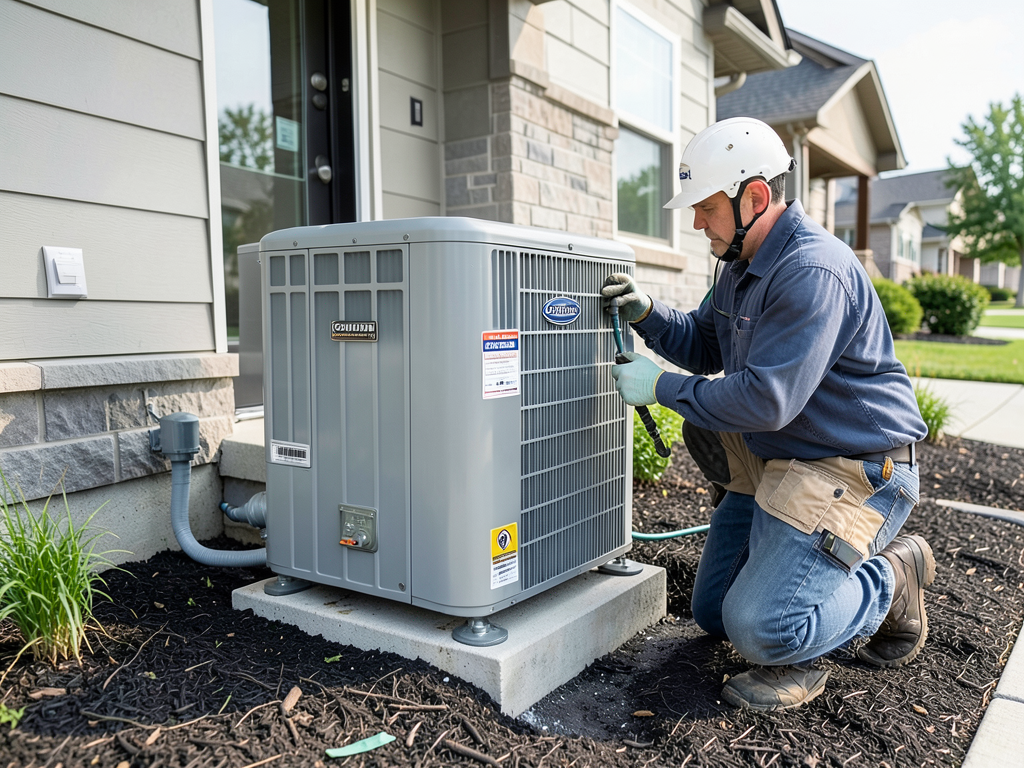
Why Your HVAC Brand Choice in Central Ohio Really Matters
Central Ohio’s climate is brutal on heating and cooling equipment. Our summers bring 80% humidity with temperatures regularly hitting 90°F, while winter can drop to -10°F during polar vortex events. The freeze-thaw cycles in spring and fall create constant expansion and contraction in metal components. This means your HVAC system needs specific features to handle Ohio’s Zone 4/5 climate zone. Not all brands are built the same way. Some excel at humidity control with variable-speed compressors that run continuously at low speeds. Others prioritize extreme cold-weather heating with advanced defrost cycles and dual-fuel compatibility. The right choice depends on your specific home, energy goals, and budget. Why Your Westerville AC Needs a Tune Up Before the Humidity Hits.
The 2023 SEER2 regulations changed everything. Now all new equipment must meet stricter efficiency standards, but performance still varies dramatically between manufacturers. We’ve tested these units in actual Columbus homes from Dublin to Pickerington. Here’s what actually matters when you’re comparing brands for your Central Ohio home.
How We Evaluated These HVAC Brands
We rated each brand on five critical factors for Ohio homeowners. Reliability means fewer service calls during peak season when you need heat or AC most. Parts availability in Columbus determines how fast we can get your system running during a breakdown. SEER2 efficiency directly impacts your monthly utility bills from AEP Ohio or Columbia Gas. Warranty coverage protects your investment long-term. And finally, humidity control performance matters more here than in drier climates. AEP Ohio Efficient Product Rebates.
We also considered Ohio-specific factors. Does the brand offer dual-fuel compatibility for our natural gas infrastructure? Can it handle the rapid temperature swings we experience in March and November? Does it have proven performance in sub-zero conditions? These questions separate the brands that merely survive from those that thrive in Central Ohio.
The Top 5 HVAC Brands for Columbus Homeowners
Trane: Built for Durability
Trane units are engineered specifically for harsh weather conditions. Their Climatuff compressors use a unique rolling piston design that handles Ohio’s temperature extremes better than traditional reciprocating compressors. The all-aluminum Spine Fin coils resist corrosion from our high humidity summers. We’ve seen Trane units still running strong after 18-20 years in Central Ohio homes. Their CleanEffects air filtration system is particularly valuable for Columbus’s high pollen seasons.
Trane’s warranty structure reflects their confidence. Their base warranty covers 10 years on compressors and outdoor coils, but their registered warranty extends to 12 years when installed by a certified dealer. The catch? You need professional maintenance to keep that coverage valid. For homeowners who want maximum longevity and don’t mind paying a premium for it, Trane delivers proven performance in our climate.. Read more about Why Westerville Homeowners are Looking into Solar Ready HVAC Systems.
Carrier: Innovation Leader
Carrier pioneered modern air conditioning and continues pushing technological boundaries. Their Infinity series with Greenspeed Intelligence offers the most precise temperature control available. The variable-speed compressor can adjust in 1% increments, maintaining your home at exactly 72°F regardless of outdoor conditions. This translates to superior humidity removal during Columbus’s muggy summers.
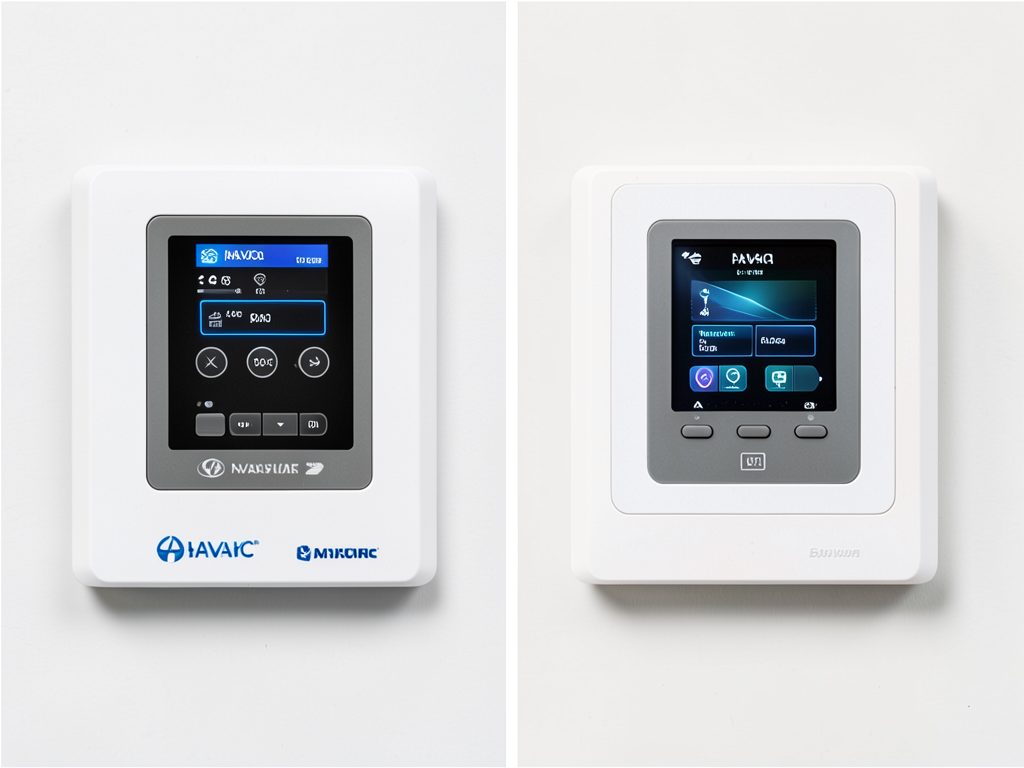
Carrier’s Performance series hits the sweet spot for most Central Ohio homes. Their two-stage compressors provide good efficiency without the premium price of variable-speed units. The key advantage is Carrier’s extensive dealer network in Columbus. When you need a part at 2 AM in January, we can get it faster than with some competitors. Their Infinity touch-screen thermostats integrate seamlessly with smart home systems, which many newer Columbus developments are adopting. Upgrading to a Smart Thermostat in Grandview Heights to Lower Your Electric Bill.
Lennox: Maximum Efficiency
Lennox focuses on pushing efficiency boundaries. Their SLP98V furnace achieves 98% AFUE efficiency, meaning only 2% of your natural gas energy is wasted. For Columbus homeowners with Columbia Gas heating, this translates to significant savings. Their XC25 air conditioner was the first to achieve 26 SEER efficiency before the SEER2 transition.
The trade-off with Lennox is complexity. Their high-efficiency units have more components that can potentially fail. However, their Precise Comfort technology maintains temperatures within 0.5 degrees of your setpoint. For historic homes in German Village or Bexley where ductwork is challenging, Lennox’s compact designs fit tight spaces better than bulkier brands. Their solar-ready options also appeal to homeowners looking to integrate renewable energy with their HVAC systems. Where to Find 24 Hour Emergency HVAC Help Anywhere in Columbus.
Rheem: Best Value
Rheem offers the best combination of reliability and affordability for budget-conscious Columbus homeowners. Their Prestige series provides solid performance without the premium price tag of Carrier or Trane. The key advantage is their simpler design philosophy. Fewer electronic controls mean fewer potential failure points, which matters during our intense seasonal transitions.
Rheem’s warranty coverage is competitive at 10 years on major components. Their parts distribution center in Dayton ensures we can get replacement parts within hours, not days. For homes in growing suburbs like Pickerington or Canal Winchester where replacement frequency is higher, Rheem’s value proposition makes sense. Their EcoNet smart home integration is more affordable than competitors while still providing useful remote monitoring and control features.. Read more about Making Sense of Inverter Technology for Your Next Dublin AC Upgrade.
Daikin: Commercial-Grade Reliability
Daikin, a Japanese manufacturer, brings commercial HVAC expertise to residential applications. Their Quaternity series uses flash injection technology that maintains heating capacity even when temperatures drop below 0°F. This matters during Central Ohio’s polar vortex events when some heat pumps struggle to keep up.
Daikin’s warranty stands out at 12 years on compressors and 10 years on parts, with no registration required. Their units run quieter than most competitors, which matters for homes with outdoor units near bedrooms or patios. The downside is limited dealer availability in some Columbus suburbs. However, their technology is proven in commercial applications throughout John Glenn International Airport and Easton Town Center, giving confidence in their residential units.
Side-by-Side Brand Comparison
| Brand | Average Installed Cost | SEER2 Range | Sound Level (dB) | Warranty Length |
|---|---|---|---|---|
| Trane | $6,800-$12,500 | 14-24.5 | 43-68 | 10-12 years |
| Carrier | $6,200-$11,800 | 14-26 | 40-65 | 10 years |
| Lennox | $6,500-$13,000 | 14-26 | 45-70 | 10 years |
| Rheem | $5,800-$10,500 | 14-20 | 42-67 | 10 years |
| Daikin | $6,000-$12,000 | 14-24 | 38-64 | 12 years |
Handling Ohio’s Humidity and Winter Extremes
Ohio’s climate demands specific features that generic brand comparisons often miss. Our summer humidity regularly exceeds 70%, which means your AC needs superior moisture removal capability. Variable-speed blowers run longer at lower speeds, pulling more moisture from the air than single-speed units that blast cold air then shut off. This prevents that cold-but-sticky feeling common in many Columbus homes.
Winter performance is equally critical. When temperatures drop below 20°F, heat pumps lose efficiency rapidly. That’s why dual-fuel systems, which switch to natural gas when it gets too cold, make sense for most Central Ohio homes. Brands like Daikin and Carrier offer seamless transition technology that you’ll never notice. The system automatically selects the most cost-effective fuel source based on outdoor temperature and utility rates.
Ohio’s temperature swings also stress equipment. A system that runs fine at 70°F might struggle when it drops to 30°F overnight. Look for brands with proven defrost cycle performance and compressors rated for wide operating temperature ranges. The compressor is the heart of your system, and replacing it costs nearly as much as a new unit. Investing in a quality compressor rated for Ohio conditions pays off long-term. Improving the Air Quality in Your Older Clintonville Home.
Columbus-Specific Rebates and Incentives
Ohio homeowners can significantly reduce HVAC installation costs through utility rebates. AEP Ohio offers rebates up to $1,150 for high-efficiency heat pumps and air conditioners that meet their ENERGY STAR specifications. Columbia Gas provides rebates up to $1,250 for high-efficiency natural gas furnaces with AFUE ratings of 95% or higher.
The federal 25C tax credit allows you to claim 30% of installation costs up to $2,000 for qualifying high-efficiency equipment. This applies to both heat pumps and central air conditioners meeting current SEER2 and HSPF2 standards. Many Columbus homeowners combine these incentives with manufacturer promotions during spring and fall installation seasons. Federal 25C Tax Credits.
Local utility providers also offer low-interest financing through programs like AEP Ohio’s Smart Financing. These 0% interest loans spread the cost over 5-7 years while you enjoy immediate energy savings. The key is working with a contractor who understands how to maximize these incentives. Some brands qualify for more rebates than others, and the right combination can save you thousands on a new system.
Expert Recommendation for Central Ohio Homes
After 15 years installing HVAC systems throughout Central Ohio, we recommend different brands based on your specific situation. For historic homes in German Village or Bexley with existing ductwork, Carrier’s Performance series offers the best balance of efficiency and reliability. The two-stage compressor handles our humidity well while the proven technology means fewer service calls.
For new construction in suburbs like New Albany or Dublin, Lennox makes sense if energy efficiency is your top priority. Their compact designs work well in modern homes with open floor plans. The higher upfront cost pays off in lower utility bills over the system’s lifetime. Just be prepared for slightly more complex maintenance requirements.
Homeowners on a budget in areas like Groveport or Reynoldsburg should consider Rheem. The value proposition is compelling, especially when combined with utility rebates. While you sacrifice some advanced features, the simpler design means fewer things can go wrong. Parts availability through Dayton distribution centers ensures quick repairs when needed.
Ultimately, the brand matters less than proper sizing and installation. A $3,000 system installed incorrectly will cost more over time than a $6,000 system installed properly. That’s why we offer detailed load calculations and transparent pricing. Call (380) 253-3188 today to schedule your professional assessment.
Frequently Asked Questions
How long should an HVAC system last in Central Ohio?
Most systems last 15-20 years with proper maintenance. Our climate extremes can shorten that to 12-15 years for lower-quality equipment. Regular professional maintenance, including annual tune-ups and filter changes, is essential for reaching maximum lifespan.
Should I repair or replace my 12-year-old system?
If repairs cost more than 30% of a new system’s price, replacement usually makes more sense. Also consider efficiency gains. A new SEER2 unit can cut cooling costs by 30-40% compared to a 12-year-old system, often paying for itself in 5-7 years through utility savings.
What size HVAC system do I need?
System size depends on your home’s square footage, insulation levels, window orientation, and local climate. We perform detailed Manual J calculations to determine exact requirements. Oversized systems cycle on and off too frequently, reducing efficiency and comfort while increasing wear.
Can I install a heat pump instead of a furnace and AC?
Yes, and many Columbus homeowners are switching to heat pumps. Modern cold-climate heat pumps work efficiently down to about 0°F. For our climate, a dual-fuel system that switches to natural gas below 30°F provides the best balance of efficiency and reliability.
How do I maintain my warranty coverage?
Most manufacturers require annual professional maintenance to keep warranty coverage valid. This includes cleaning coils, checking refrigerant levels, testing electrical components, and verifying proper airflow. Keep records of all maintenance performed by licensed technicians.
What’s the difference between SEER and SEER2?
SEER2 is the updated efficiency rating that went into effect January 1, 2023. It uses more stringent testing conditions that better reflect real-world performance. A SEER2 rating is typically 4-5 points lower than the old SEER rating for the same equipment. Both measure cooling efficiency, with higher numbers indicating better efficiency.
Do I need a permit for HVAC replacement in Columbus?
Yes, Franklin County requires permits for HVAC system replacements. A licensed contractor should handle permitting as part of the installation process. This ensures the work meets Ohio Mechanical Code requirements and passes inspection.
How can I improve my system’s efficiency without replacing it?
Regular maintenance is most important. Also seal ductwork leaks, improve attic insulation, install a programmable thermostat, and change filters monthly during peak seasons. These steps can improve efficiency by 15-20% without equipment replacement costs.
What’s the best thermostat for my new system?
Smart thermostats offer the most features and energy savings. Models from Honeywell, Ecobee, and Nest integrate with most major brands. For maximum efficiency with variable-speed equipment, choose a thermostat that can control humidity and staging. Some manufacturers offer proprietary thermostats that unlock additional system features.
How do I know if my contractor is qualified?
Look for NATE certification, EPA Section 608 certification, and proper state licensing. Ask about their experience with your specific brand and request references from local homeowners. A qualified contractor will perform detailed load calculations and explain their recommendations clearly.
[IMAGE_PLACEHOVER_1]
Ready to Choose Your Perfect HVAC System?
Selecting the right HVAC brand for your Central Ohio home doesn’t have to be overwhelming. The key is matching your specific needs to the right equipment features. Whether you prioritize efficiency, reliability, or budget, we can help you navigate the options and maximize available rebates.
Don’t wait until your old system fails during a summer heatwave or winter polar vortex. Call (380) 253-3188 today to schedule your professional assessment. We’ll evaluate your home’s specific needs, explain your options clearly, and provide a detailed quote with no high-pressure sales tactics. Your comfort is our priority.
Pick up the phone and call (380) 253-3188 before the next season hits. Your perfect HVAC solution is just one call away.
- Assess Your Home’s Needs
Consider your home’s age, existing ductwork, and comfort priorities. Older homes may need different features than new construction.
- Set Your Budget Range
Determine what you can invest upfront versus long-term savings. Higher efficiency often pays for itself over time.
- Check Available Rebates
Research utility rebates and tax credits for different brands and efficiency levels. Some combinations offer significant savings.
- Verify Contractor Qualifications
Ensure your installer is certified for your chosen brand and has experience with Central Ohio’s climate challenges.
- Request Detailed Proposals
Get written quotes that include equipment specifications, warranty details, and installation timelines before making your decision.
{
“@context”: “https://schema.org”,
“@type”: “BlogPosting”,
“headline”: “A Real World Comparison of the Best HVAC Brands for the Central Ohio Climate”,
“description”: “Discover which HVAC brands truly perform in Central Ohio’s humidity and sub-zero winters. Local expert comparison with SEER2 ratings, warranty details, and Columbus rebates.”,
“wordCount”: 2315,
“datePublished”: “2026-05-29T12:46:00.000Z”,
“dateModified”: “2026-05-29T12:46:00.000Z”,
“inLanguage”: “en-US”,
“mainEntityOfPage”: {
“@type”: “WebPage”,
“@id”: “https://grandhvaccolumbus.com”
},
“publisher”: {
“@type”: “LocalBusiness”,
“name”: “Grand HVAC Columbus”,
“url”: “https://grandhvaccolumbus.com”
},
“author”: {
“@type”: “Organization”,
“name”: “Grand HVAC Columbus”,
“url”: “https://grandhvaccolumbus.com”
},
“image”: {
“@type”: “ImageObject”,
“url”: “https://grandhvaccolumbus.com/wp-content/uploads/2026/03/a-real-world-comparison-of-the-best-hvac-brands-fo-1.png”
}
}
{
“@context”: “https://schema.org”,
“@type”: “HVACBusiness”,
“name”: “Grand HVAC Columbus”,
“url”: “https://grandhvaccolumbus.com”,
“address”: {
“@type”: “PostalAddress”,
“addressLocality”: “Columbus”
},
“areaServed”: {
“@type”: “City”,
“name”: “Columbus”
}
}
{
“@context”: “https://schema.org”,
“@type”: “FAQPage”,
“mainEntity”: [
{
“@type”: “Question”,
“name”: “How long should an HVAC system last in Central Ohio?”,
“acceptedAnswer”: {
“@type”: “Answer”,
“text”: “Most systems last 15-20 years with proper maintenance. Our climate extremes can shorten that to 12-15 years for lower-quality equipment. Regular professional maintenance, including annual tune-ups and filter changes, is essential for reaching maximum lifespan.”
}
},
{
“@type”: “Question”,
“name”: “Should I repair or replace my 12-year-old system?”,
“acceptedAnswer”: {
“@type”: “Answer”,
“text”: “If repairs cost more than 30% of a new system’s price, replacement usually makes more sense. Also consider efficiency gains. A new SEER2 unit can cut cooling costs by 30-40% compared to a 12-year-old system, often paying for itself in 5-7 years through utility savings.”
}
},
{
“@type”: “Question”,
“name”: “What size HVAC system do I need?”,
“acceptedAnswer”: {
“@type”: “Answer”,
“text”: “System size depends on your home’s square footage, insulation levels, window orientation, and local climate. We perform detailed Manual J calculations to determine exact requirements. Oversized systems cycle on and off too frequently, reducing efficiency and comfort while increasing wear.”
}
},
{
“@type”: “Question”,
“name”: “Can I install a heat pump instead of a furnace and AC?”,
“acceptedAnswer”: {
“@type”: “Answer”,
“text”: “Yes, and many Columbus homeowners are switching to heat pumps. Modern cold-climate heat pumps work efficiently down to about 0°F. For our climate, a dual-fuel system that switches to natural gas below 30°F provides the best balance of efficiency and reliability.”
}
},
{
“@type”: “Question”,
“name”: “How do I maintain my warranty coverage?”,
“acceptedAnswer”: {
“@type”: “Answer”,
“text”: “Most manufacturers require annual professional maintenance to keep warranty coverage valid. This includes cleaning coils, checking refrigerant levels, testing electrical components, and verifying proper airflow. Keep records of all maintenance performed by licensed technicians.”
}
},
{
“@type”: “Question”,
“name”: “What’s the difference between SEER and SEER2?”,
“acceptedAnswer”: {
“@type”: “Answer”,
“text”: “SEER2 is the updated efficiency rating that went into effect January 1, 2023. It uses more stringent testing conditions that better reflect real-world performance. A SEER2 rating is typically 4-5 points lower than the old SEER rating for the same equipment. Both measure cooling efficiency, with higher numbers indicating better efficiency.”
}
},
{
“@type”: “Question”,
“name”: “Do I need a permit for HVAC replacement in Columbus?”,
“acceptedAnswer”: {
“@type”: “Answer”,
“text”: “Yes, Franklin County requires permits for HVAC system replacements. A licensed contractor should handle permitting as part of the installation process. This ensures the work meets Ohio Mechanical Code requirements and passes inspection.”
}
},
{
“@type”: “Question”,
“name”: “How can I improve my system’s efficiency without replacing it?”,
“acceptedAnswer”: {
“@type”: “Answer”,
“text”: “Regular maintenance is most important. Also seal ductwork leaks, improve attic insulation, install a programmable thermostat, and change filters monthly during peak seasons. These steps can improve efficiency by 15-20% without equipment replacement costs.”
}
},
{
“@type”: “Question”,
“name”: “What’s the best thermostat for my new system?”,
“acceptedAnswer”: {
“@type”: “Answer”,
“text”: “Smart thermostats offer the most features and energy savings. Models from Honeywell, Ecobee, and Nest integrate with most major brands. For maximum efficiency with variable-speed equipment, choose a thermostat that can control humidity and staging. Some manufacturers offer proprietary thermostats that unlock additional system features.”
}
},
{
“@type”: “Question”,
“name”: “How do I know if my contractor is qualified?”,
“acceptedAnswer”: {
“@type”: “Answer”,
“text”: “Look for NATE certification, EPA Section 608 certification, and proper state licensing. Ask about their experience with your specific brand and request references from local homeowners. A qualified contractor will perform detailed load calculations and explain their recommendations clearly.”
}
},
{
“@type”: “Question”,
“name”: “Ready to Choose Your Perfect HVAC System?”,
“acceptedAnswer”: {
“@type”: “Answer”,
“text”: “Selecting the right HVAC brand for your Central Ohio home doesn’t have to be overwhelming. The key is matching your specific needs to the right equipment features. Whether you prioritize efficiency, reliability, or budget, we can help you navigate the options and maximize available rebates.”
}
}
]
}
{
“@context”: “https://schema.org”,
“@type”: “HowTo”,
“name”: “How to Choose the Right HVAC Brand”,
“step”: [
{
“@type”: “HowToStep”,
“position”: 1,
“name”: “Assess Your Home’s Needs”,
“text”: “Consider your home’s age, existing ductwork, and comfort priorities. Older homes may need different features than new construction.”
},
{
“@type”: “HowToStep”,
“position”: 2,
“name”: “Set Your Budget Range”,
“text”: “Determine what you can invest upfront versus long-term savings. Higher efficiency often pays for itself over time.”
},
{
“@type”: “HowToStep”,
“position”: 3,
“name”: “Check Available Rebates”,
“text”: “Research utility rebates and tax credits for different brands and efficiency levels. Some combinations offer significant savings.”
},
{
“@type”: “HowToStep”,
“position”: 4,
“name”: “Verify Contractor Qualifications”,
“text”: “Ensure your installer is certified for your chosen brand and has experience with Central Ohio’s climate challenges.”
},
{
“@type”: “HowToStep”,
“position”: 5,
“name”: “Request Detailed Proposals”,
“text”: “Get written quotes that include equipment specifications, warranty details, and installation timelines before making your decision.”
}
],
“image”: “https://grandhvaccolumbus.com/wp-content/uploads/2026/03/a-real-world-comparison-of-the-best-hvac-brands-fo-1.png”
}
{
“@context”: “https://schema.org”,
“@type”: “BreadcrumbList”,
“itemListElement”: [
{
“@type”: “ListItem”,
“position”: 1,
“name”: “Home”,
“item”: “https://grandhvaccolumbus.com”
},
{
“@type”: “ListItem”,
“position”: 2,
“name”: “Blog”,
“item”: “https://grandhvaccolumbus.com/blog”
},
{
“@type”: “ListItem”,
“position”: 3,
“name”: “A Real World Comparison of the Best HVAC Brands for the Central Ohio Climate”
}
]
}
{
“@context”: “https://schema.org”,
“@type”: “Service”,
“serviceType”: “HVAC”,
“provider”: {
“@type”: “LocalBusiness”,
“name”: “Grand HVAC Columbus”,
“url”: “https://grandhvaccolumbus.com”
},
“areaServed”: {
“@type”: “City”,
“name”: “Columbus”
},
“description”: “Discover which HVAC brands truly perform in Central Ohio’s humidity and sub-zero winters. Local expert comparison with SEER2 ratings, warranty details, and Columbus rebates.”
}