
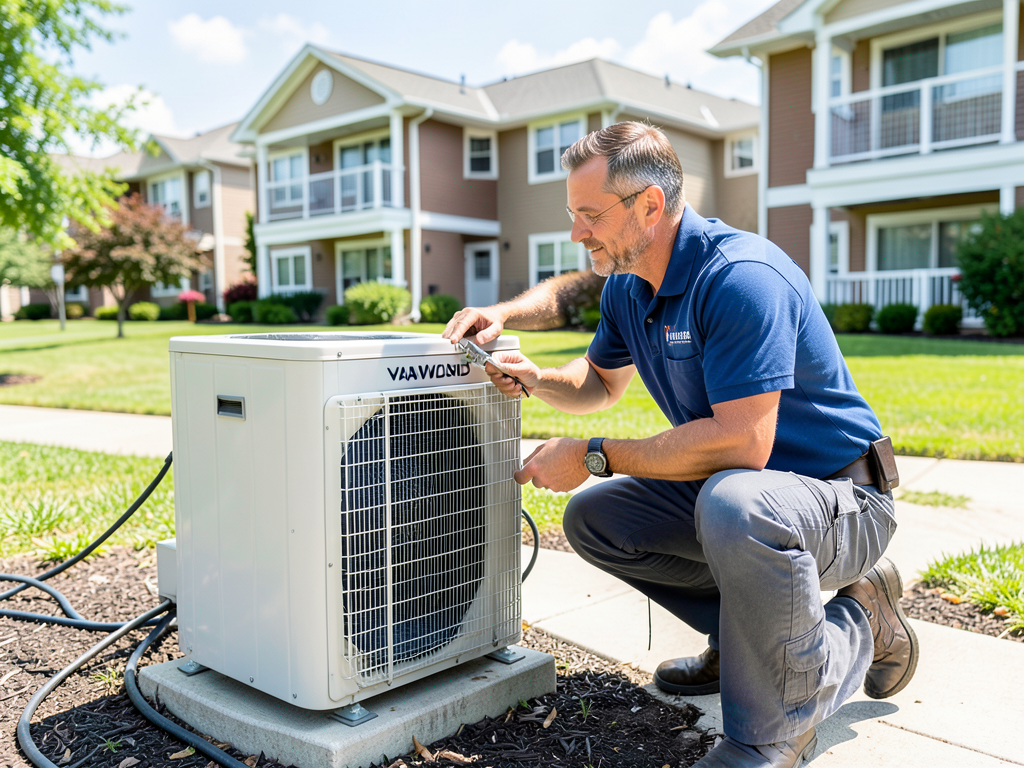
A Tenant Guide to Getting Your Landlord to Fix Your Broken AC in the Northland Area
Ohio law does not require landlords to provide air conditioning in rental units. However, Columbus City Code Section 4525.01 mandates that supplied appliances must be maintained in good working order. If your landlord provided an AC unit when you moved in, they must repair it within a reasonable timeframe under Ohio Revised Code 5321.04. In Northland’s hot summers, a broken AC qualifies as a habitability issue that can justify rent escrow or legal action through Franklin County Municipal Court. Columbus Department of Development Code Enforcement.
Understanding Your Rights Under Ohio and Columbus Law
Ohio’s landlord-tenant laws create a complex landscape for AC repairs. The state’s Warranty of Habitability applies to essential services like heat but not cooling. However, Columbus goes further by requiring landlords to maintain all supplied appliances. This means if your Northland apartment came with an AC unit, your landlord must keep it running.. Read more about The Landlord Guide to Low Maintenance HVAC in the University District.
Franklin County’s climate makes this distinction critical. Summer temperatures regularly exceed 90 degrees with humidity levels above 70 percent. The Ohio Department of Health warns that indoor temperatures above 85 degrees pose serious health risks to children, elderly residents, and those with medical conditions.
Columbus City Housing Code Requirements
Columbus Code Section 4525.01 states that landlords must maintain supplied equipment in good working condition. This includes air conditioning units, refrigerators, and other appliances provided at move-in. The code does not specify AC as mandatory, but once supplied, it becomes the landlord’s responsibility to maintain.
The Northland area faces unique challenges due to older housing stock. Many buildings along Cleveland Avenue and Morse Road were constructed before modern cooling standards existed. These units often struggle with inadequate electrical systems that cannot support new AC installations without significant upgrades.
Step-by-Step Guide to Getting Your AC Repaired
Document everything from the moment your AC stops working. Take photos of the unit, note the exact date and time of failure, and record indoor temperatures. This documentation becomes crucial if you need to file for rent escrow or appear in court.
Send a written notice to your landlord immediately. Ohio law requires landlords receive written notification before you can take further action. Use certified mail or email with read receipt to prove delivery. State the problem clearly and request specific repairs within ten business days.
If your landlord fails to respond, contact the Columbus Department of Development Code Enforcement. They can inspect your unit and issue citations for code violations. This creates official documentation of the problem and puts pressure on your landlord to act.
Emergency Repairs vs. Routine Maintenance
Columbus summers create emergency conditions when AC fails during heat waves. Temperatures above 95 degrees with high humidity can make apartments dangerous within hours. In these cases, the reasonable repair timeframe shortens from ten days to 24-48 hours. Where to Find 24 Hour Emergency HVAC Help Anywhere in Columbus.
HVAC technicians in Northland report that capacitor failures and refrigerant leaks spike during July and August. These repairs often require special parts that may not be available immediately. Document any delays caused by parts availability to strengthen your case if disputes arise.
Rent Escrow Process in Franklin County
If your landlord still refuses to repair the AC after proper notice, you can file for rent escrow through Franklin County Municipal Court. This process allows you to pay your rent into an escrow account rather than directly to the landlord until repairs are completed.
The court requires proof that you followed proper notification procedures and gave your landlord reasonable time to respond. You must continue paying rent into escrow throughout the process. The judge will hold a hearing and decide whether to release funds to the landlord once repairs are verified.
Legal Aid Society of Columbus provides free assistance for qualifying tenants navigating this process. They can help prepare your case and represent you in court if needed. Legal Aid Society of Columbus.
Understanding Reasonable Repair Timeframes
Ohio courts generally consider ten business days reasonable for non-emergency AC repairs. However, during heat waves or when health risks exist, this timeframe can be much shorter. Document indoor temperatures and any health impacts to justify expedited repairs.
Landlords often claim they cannot find available contractors. Keep records of all communication attempts. If your landlord fails to make good faith efforts to schedule repairs, this strengthens your position for rent escrow or legal action.
Legal Resources for Northland Tenants
Several organizations provide free legal assistance to Northland residents dealing with landlord disputes. The Legal Aid Society of Columbus offers services based on income eligibility. They can review your documentation and advise on the best course of action.
The Central Ohio Fair Housing Association investigates discrimination claims and can help if you believe repairs are being delayed due to protected class status. They also provide education on tenant rights and responsibilities.
Franklin County Municipal Court’s housing division handles rent escrow cases and can provide forms and procedural guidance. Their self-help center assists tenants representing themselves in court.
Tenant Responsibilities and Limitations
Tenants must maintain supplied AC units properly. This includes changing filters monthly, keeping the area around the unit clean, and reporting problems promptly. Failure to maintain the unit can shift responsibility to you for resulting damage.
You cannot simply stop paying rent if your AC breaks. Ohio law requires you to continue rent payments while pursuing other remedies. Withholding rent without following proper procedures can result in eviction proceedings against you.
Repair and deduct options exist in Ohio but carry risks. You can make repairs yourself and deduct costs from rent, but you must follow strict procedures and keep detailed documentation. Many tenants find this process more trouble than it is worth compared to rent escrow.
Documentation and Evidence Collection
Keep a detailed log of all communications with your landlord. Note dates, times, and content of conversations. Save all written correspondence, including emails and text messages. Take daily temperature readings in your apartment, especially during heat waves.
Photograph the AC unit showing any visible damage or issues. Document any health impacts on household members, particularly if anyone has medical conditions that heat exacerbates. Keep copies of all medical documentation if relevant. Troubleshooting AC Issues.
Record indoor temperatures using a simple thermometer. Take photos of the thermometer at different times of day to show how temperatures rise when the AC is not working. This evidence proves the severity of the problem.
Working with HVAC Professionals
Grand HVAC Columbus technicians understand the unique challenges of Northland’s housing stock. Many buildings along the Cleveland Avenue corridor have electrical systems that cannot support modern AC units without upgrades. This creates a gray area where landlords may claim they cannot install new equipment.
Professional HVAC technicians can document system conditions and provide written estimates for repairs. This documentation becomes crucial evidence if you need to prove the extent of problems to a judge or housing inspector.
Technicians can also identify whether your AC unit is worth repairing or should be replaced. Units over 15 years old often cost more to repair than to replace, but landlords may resist replacement due to upfront costs.
Preventive Measures for Future Tenancies
Before signing a lease, ask specifically about AC provisions. Get any promises about air conditioning in writing. Take photos of all supplied appliances, including the AC unit, when you move in. This documentation establishes the condition and existence of equipment.
Ask about the age and maintenance history of the AC system. Units over 10 years old are more likely to fail during peak summer months. Understanding the equipment’s condition helps you anticipate potential problems.
Consider negotiating AC provisions into your lease. Some landlords will agree to specific repair timeframes or provide portable units if central systems fail. Getting these agreements in writing prevents disputes later.
When to Contact Code Enforcement
Columbus Code Enforcement can inspect your unit if your landlord fails to make repairs after proper notice. They focus on code violations that affect health and safety. While AC itself may not be mandatory, related issues like electrical hazards or mold from humidity can trigger inspections.
Code inspectors can issue citations and fines to landlords who fail to maintain supplied equipment. These citations create official records that strengthen your position in court. However, the process can take weeks, so do not wait for inspections if you need immediate relief.
Document all interactions with code enforcement. Get inspection reports in writing and keep copies of any citations issued. This documentation becomes part of your legal record if disputes continue.
Health and Safety Considerations
Heat poses serious health risks, particularly for vulnerable populations. The Ohio Department of Health reports increased emergency room visits during heat waves, especially among elderly residents, young children, and those with chronic conditions.
High indoor temperatures can worsen respiratory conditions, heart problems, and other medical issues. If anyone in your household has health conditions affected by heat, document this with medical records. This documentation can justify expedited repairs or emergency interventions.
Consider temporary solutions while pursuing permanent repairs. Portable fans, cooling centers, and staying with friends or family during extreme heat can prevent health emergencies while you work through legal processes.
Building a Strong Case for Court
If your case goes to court, organization becomes crucial. Create a timeline of events with dates, communications, and actions taken. Include copies of all notices sent to your landlord and their responses or lack thereof.
Gather all repair estimates and HVAC assessments. Include documentation of any health impacts or property damage caused by the lack of AC. The more comprehensive your documentation, the stronger your case will be.
Practice explaining your case clearly and concisely. Judges appreciate tenants who can present organized, factual information without emotional appeals. Focus on the legal requirements and your landlord’s failure to meet them.
Alternative Dispute Resolution Options
Before heading to court, consider mediation services offered by Franklin County. The court provides low-cost mediation for landlord-tenant disputes. A neutral third party can help you and your landlord reach a mutually acceptable solution without lengthy court proceedings.
Community mediation centers in Northland offer free or low-cost services. These organizations understand local housing issues and can provide culturally appropriate assistance. Mediation often resolves disputes faster than court proceedings.
Even if mediation does not resolve your dispute, the process can help clarify the issues and identify potential compromises. This information becomes valuable if you later need to go to court.
Understanding Landlord Defenses
Landlords often claim they cannot find available contractors or that parts are backordered. While these may be legitimate issues, they do not excuse prolonged repair delays. Document all communication about these delays and continue pursuing other remedies.
Some landlords argue that AC is not essential and therefore not their responsibility. However, once supplied, Columbus code requires maintenance of all appliances. This argument fails if you can prove the AC was provided at move-in.
Landlords may also claim you caused the damage through misuse or neglect. Keep documentation of proper maintenance and prompt reporting of problems to counter these claims.
Moving Forward After Repairs
Once your AC is repaired, document the completion and request confirmation from your landlord in writing. If you filed for rent escrow, follow court procedures to release funds once repairs are verified.
Consider whether you want to continue renting from this landlord. Repeated AC problems or poor maintenance may indicate larger issues with property management. Document everything in case you need to break your lease or defend against eviction later.
Learn from this experience when choosing future rentals. Ask detailed questions about maintenance procedures and response times. Choose landlords with reputations for prompt repairs and good communication.
Frequently Asked Questions
How long does a landlord have to fix AC in Ohio?
Ohio courts generally consider ten business days reasonable for non-emergency AC repairs. However, during heat waves or when health risks exist, this timeframe can be much shorter. Columbus code requires landlords to maintain supplied appliances in good working order.
Can I withhold rent if my AC breaks?
No. Ohio law requires you to continue paying rent while pursuing other remedies. Withholding rent without following proper procedures can result in eviction. Consider rent escrow instead, which allows you to pay rent into a court account until repairs are completed.
What if my landlord says AC is my responsibility?
If the AC was supplied when you moved in, Columbus code makes it the landlord’s responsibility to maintain. Document the AC’s presence at move-in with photos and lease provisions. If you installed the AC yourself, maintenance may be your responsibility.
Where can I get free legal help for AC disputes?
The Legal Aid Society of Columbus provides free assistance based on income eligibility. The Central Ohio Fair Housing Association also offers services and can investigate discrimination claims. Franklin County Municipal Court’s self-help center provides procedural guidance for rent escrow cases.
What qualifies as an AC emergency?
Indoor temperatures above 85 degrees with high humidity can pose serious health risks, especially for vulnerable populations. During heat waves with temperatures above 95 degrees, AC failures may qualify as emergencies requiring 24-48 hour repair timeframes under Ohio law.
Call (380) 253-3188 today to schedule your inspection. Do not wait until the next heat wave hits. Professional HVAC technicians can document your system’s condition and provide the evidence you need to get your landlord to act.
Pick up the phone and call (380) 253-3188 before the next storm hits. Northland’s aging housing stock means AC problems often signal larger electrical or ventilation issues that only professional inspection can identify. Get peace of mind with a comprehensive system assessment.
{
“@context”: “https://schema.org”,
“@type”: “BlogPosting”,
“headline”: “A Tenant Guide to Getting Your Landlord to Fix Your Broken AC in the Northland Area”,
“description”: “Know your rights under Ohio and Columbus law when your AC breaks. Step-by-step guide for Northland tenants to get repairs made fast.”,
“wordCount”: 2268,
“datePublished”: “2026-05-17T12:46:00.000Z”,
“dateModified”: “2026-05-17T12:46:00.000Z”,
“inLanguage”: “en-US”,
“mainEntityOfPage”: {
“@type”: “WebPage”,
“@id”: “https://grandhvaccolumbus.com”
},
“publisher”: {
“@type”: “LocalBusiness”,
“name”: “Grand HVAC Columbus”,
“url”: “https://grandhvaccolumbus.com”
},
“author”: {
“@type”: “Organization”,
“name”: “Grand HVAC Columbus”,
“url”: “https://grandhvaccolumbus.com”
},
“image”: {
“@type”: “ImageObject”,
“url”: “https://grandhvaccolumbus.com/wp-content/uploads/2026/03/a-tenant-guide-to-getting-your-landlord-to-fix-you-1.png”
}
}
{
“@context”: “https://schema.org”,
“@type”: “HVACBusiness”,
“name”: “Grand HVAC Columbus”,
“url”: “https://grandhvaccolumbus.com”,
“address”: {
“@type”: “PostalAddress”,
“addressLocality”: “Columbus”
},
“areaServed”: {
“@type”: “City”,
“name”: “Columbus”
}
}
{
“@context”: “https://schema.org”,
“@type”: “FAQPage”,
“mainEntity”: [
{
“@type”: “Question”,
“name”: “How long does a landlord have to fix AC in Ohio?”,
“acceptedAnswer”: {
“@type”: “Answer”,
“text”: “Ohio courts generally consider ten business days reasonable for non-emergency AC repairs. However, during heat waves or when health risks exist, this timeframe can be much shorter. Columbus code requires landlords to maintain supplied appliances in good working order.”
}
},
{
“@type”: “Question”,
“name”: “Can I withhold rent if my AC breaks?”,
“acceptedAnswer”: {
“@type”: “Answer”,
“text”: “No. Ohio law requires you to continue paying rent while pursuing other remedies. Withholding rent without following proper procedures can result in eviction. Consider rent escrow instead, which allows you to pay rent into a court account until repairs are completed.”
}
},
{
“@type”: “Question”,
“name”: “What if my landlord says AC is my responsibility?”,
“acceptedAnswer”: {
“@type”: “Answer”,
“text”: “If the AC was supplied when you moved in, Columbus code makes it the landlord’s responsibility to maintain. Document the AC’s presence at move-in with photos and lease provisions. If you installed the AC yourself, maintenance may be your responsibility.”
}
},
{
“@type”: “Question”,
“name”: “Where can I get free legal help for AC disputes?”,
“acceptedAnswer”: {
“@type”: “Answer”,
“text”: “The Legal Aid Society of Columbus provides free assistance based on income eligibility. The Central Ohio Fair Housing Association also offers services and can investigate discrimination claims. Franklin County Municipal Court’s self-help center provides procedural guidance for rent escrow cases.”
}
},
{
“@type”: “Question”,
“name”: “What qualifies as an AC emergency?”,
“acceptedAnswer”: {
“@type”: “Answer”,
“text”: “Indoor temperatures above 85 degrees with high humidity can pose serious health risks, especially for vulnerable populations. During heat waves with temperatures above 95 degrees, AC failures may qualify as emergencies requiring 24-48 hour repair timeframes under Ohio law.”
}
}
]
}
{
“@context”: “https://schema.org”,
“@type”: “BreadcrumbList”,
“itemListElement”: [
{
“@type”: “ListItem”,
“position”: 1,
“name”: “Home”,
“item”: “https://grandhvaccolumbus.com”
},
{
“@type”: “ListItem”,
“position”: 2,
“name”: “Blog”,
“item”: “https://grandhvaccolumbus.com/blog”
},
{
“@type”: “ListItem”,
“position”: 3,
“name”: “A Tenant Guide to Getting Your Landlord to Fix Your Broken AC in the Northland Area”
}
]
}
{
“@context”: “https://schema.org”,
“@type”: “Service”,
“serviceType”: “HVAC”,
“provider”: {
“@type”: “LocalBusiness”,
“name”: “Grand HVAC Columbus”,
“url”: “https://grandhvaccolumbus.com”
},
“areaServed”: {
“@type”: “City”,
“name”: “Columbus”
},
“description”: “Know your rights under Ohio and Columbus law when your AC breaks. Step-by-step guide for Northland tenants to get repairs made fast.”
}