
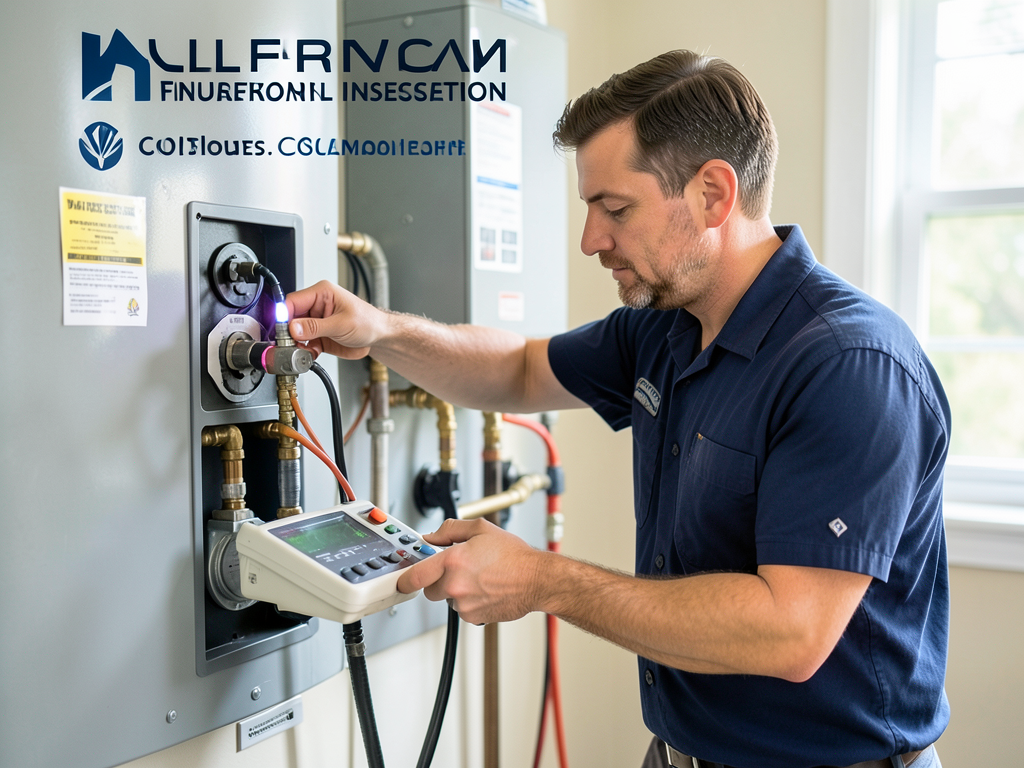
How to Build a Winter Survival Kit for Your Columbus Heating System
Columbus winters hit hard with temperatures often dropping below zero and polar vortex events that can cripple unprepared heating systems. The combination of Ohio’s high humidity and rapid temperature swings creates unique stress on furnaces and heat pumps. Building a winter survival kit isn’t just about comfort—it’s about protecting your home from frozen pipes, carbon monoxide risks, and the financial shock of emergency repairs when temperatures plummet. Where to Find 24 Hour Emergency HVAC Help Anywhere in Columbus.
Most heating failures in Central Ohio happen during the first deep freeze when systems that worked fine in fall suddenly quit. The good news is that with proper preparation you can avoid 80% of these emergency calls. This guide walks you through creating a complete winter survival kit that includes preventative maintenance, emergency supplies, and a step-by-step action plan for when things go wrong. The Honest Guide to Replacing Your Upper Arlington Furnace This Winter.
Understanding Columbus Weather Risks
Columbus sits in USDA Hardiness Zone 6a where winter temperatures regularly reach -10°F during polar vortex events. The city’s proximity to Lake Erie creates lake-effect snow patterns that can dump several inches overnight. What makes Columbus unique is the rapid temperature swings—it’s common to see 40-degree drops in a single day as arctic fronts push through.
These conditions create specific challenges for heating systems. Heat pumps struggle when temperatures drop below 35°F and may rely entirely on expensive auxiliary heat. Gas furnaces face increased strain as they run continuously for days. The high humidity during transitional seasons can cause condensation in ductwork, leading to rust and mold growth that compromises system efficiency.
The Ohio Building Code requires all new HVAC installations to meet specific efficiency standards, but many homes in neighborhoods like German Village and Olde Towne East still operate with 15-20 year old systems. These older units lack the safety features and efficiency of modern equipment, making them more vulnerable during extreme cold snaps.
Essential Components of Your Winter Survival Kit
A complete winter survival kit for your heating system includes both preventative items and emergency supplies. Start with the basics: a programmable thermostat with battery backup, high-quality air filters, and a carbon monoxide detector with digital display. These three items alone can prevent most common winter HVAC emergencies. Improving the Air Quality in Your Older Clintonville Home.
Next add thermal insulation for exposed pipes, especially in basements and crawl spaces where freezing is most likely. Include a small space heater rated for indoor use as a backup heat source. Keep a flashlight, batteries, and weather radio in an easily accessible location. Finally, create a written emergency contact list that includes your HVAC company’s 24/7 number, Columbia Gas emergency line, and local emergency services.
For homes with heat pumps, include a special emergency heat switch that allows you to bypass the heat pump and run only the auxiliary heat if the outdoor unit freezes. This simple device can keep your home warm while you wait for a technician to arrive. Consider adding a whole-house surge protector to protect against power surges that often accompany winter storms.
Pre-Season Maintenance Checklist
Before the first frost hits Columbus, perform these maintenance steps to ensure your system operates reliably. Start by replacing your air filter—a clean filter can improve efficiency by 15% and prevent overheating. Check that all vents are open and unobstructed by furniture or drapes. Test your carbon monoxide detector and replace batteries if needed.. Read more about A First Time Homeowner Guide to the Furnace Room in North Linden.
Inspect your furnace’s flame sensor by gently cleaning it with fine sandpaper. A dirty flame sensor causes 30% of no-heat calls in winter. Check the condensate drain line for clogs and pour a cup of vinegar through it to prevent algae growth. Test your thermostat by setting it several degrees above room temperature and listening for the furnace to kick on.
Examine the area around your furnace for any signs of water leaks, rust, or corrosion. Listen for unusual noises when the system runs—grinding sounds often indicate failing bearings while rattling may signal loose components. If you have a heat pump, clear any debris from around the outdoor unit and ensure it’s elevated at least 6 inches above grade to prevent snow accumulation.
Schedule a professional tune-up that includes checking gas pressure, testing safety controls, and inspecting the heat exchanger for cracks. This inspection is critical because a cracked heat exchanger can leak carbon monoxide—a colorless, odorless gas that kills dozens of Ohio residents annually. The cost of prevention is minimal compared to emergency repairs or health risks.
What to Do During a Total HVAC Failure
When your heating system suddenly stops working during a Columbus winter storm, follow these steps before calling for emergency service. First, check your thermostat batteries and settings. Many failures are simply dead batteries or incorrect programming. Next, inspect your circuit breaker panel for tripped breakers related to your HVAC system.
Check your air filter—a completely clogged filter can cause the system to shut down as a safety measure. If you have a gas furnace, verify that the gas valve is open and that other gas appliances are working. For heat pumps, check if the outdoor unit is covered in ice, which can prevent operation.
If basic troubleshooting doesn’t restore heat, implement your emergency plan. Close off unused rooms to conserve heat in occupied areas. Use your backup space heater safely, keeping it at least three feet from flammable materials. Open cabinet doors under sinks to allow warm air to reach pipes and prevent freezing.
Document the problem with photos or videos before calling for service. Note the exact symptoms, when the failure occurred, and any recent changes to your system. This information helps technicians diagnose problems faster and can save you diagnostic fees. Keep your home temperature above 55°F even during outages to prevent pipe freezing.
Emergency Safety Protocols
Carbon monoxide safety becomes critical during winter heating season. Install CO detectors on every level of your home and outside sleeping areas. The CDC reports that CO poisoning increases by 30% during winter months in Ohio. Symptoms include headache, dizziness, weakness, and confusion—often mistaken for the flu. CDC Carbon Monoxide Information.
If your CO detector alarms, evacuate immediately and call 911. Do not re-enter until emergency responders declare it safe. Common sources include cracked heat exchangers, blocked vents, and improper use of portable generators. Never use outdoor heating equipment like grills or camp stoves indoors—they produce deadly CO levels within minutes.
For gas leak emergencies, Columbia Gas of Ohio recommends leaving the area immediately if you smell rotten eggs or hear hissing sounds. Do not use any electrical devices, including light switches, as they can create sparks. Call their emergency line from a neighbor’s house or use your cell phone outside.
Keep a fire extinguisher rated for electrical and gas fires near your heating equipment. Class C extinguishers are specifically designed for electrical fires that can occur in HVAC systems. Test your smoke detectors monthly and replace them every 10 years according to manufacturer recommendations.
Local Resources and Contacts
Columbus offers several resources for heating emergencies. The City of Columbus Emergency Management Agency coordinates warming shelters during extreme cold events. The Franklin County Emergency Management office provides updates on weather-related emergencies and can direct you to available resources.
For immediate HVAC emergencies, Grand HVAC Columbus provides 24/7 service throughout Central Ohio. Their technicians carry common replacement parts and can often restore heat within hours of your call. Keep their number (380) 253-3188 programmed in your phone for quick access during emergencies.
Columbia Gas of Ohio operates a 24-hour emergency response line at 1-800-344-4077 for gas leaks and service interruptions. AEP Ohio provides outage updates and estimated restoration times through their mobile app and website. The Red Cross offers emergency shelter information and can assist with temporary housing if needed.
Local hardware stores like Home Depot and Lowe’s in Columbus typically stock emergency heating supplies, but inventory sells out quickly before major storms. Consider purchasing items like space heaters, pipe insulation, and emergency generators before the winter season begins.
Backup Power Options for HVAC Systems
Power outages during winter storms can leave you without heat for hours or days. A properly sized generator can keep your heating system running, but you need to calculate the electrical load first. Most gas furnaces require 300-600 watts to operate, while heat pumps need 1,500-3,500 watts depending on size.
Portable generators must be used outdoors with proper extension cords rated for the load. Never operate a generator in your garage or near windows—carbon monoxide can seep into your home even with doors open. Install a carbon monoxide detector near sleeping areas when using backup power.
Standby generators automatically activate during outages and can power your entire HVAC system along with essential circuits. These units require professional installation and cost $3,000-$8,000 depending on capacity. They run on natural gas or propane and can operate for days without refueling.
Battery backup systems are becoming more popular for HVAC applications. Modern lithium-ion batteries can power a furnace for 8-12 hours and recharge using solar panels. While expensive upfront, they provide silent operation and can be integrated with smart home systems for automatic failover. Upgrading to a Smart Thermostat in Grandview Heights to Lower Your Electric Bill.
Indoor Air Quality During Extreme Weather
Winter weather forces homes to remain sealed, which can trap pollutants and reduce air quality. Dust, pet dander, and volatile organic compounds accumulate when windows stay closed for months. This is especially problematic in newer, tightly sealed homes that lack proper ventilation.
Install a high-quality air filter with a MERV rating between 8 and 11 for residential use. Higher ratings can restrict airflow and damage your system. Replace filters every 30-60 days during heavy use. Consider adding a whole-house humidifier to maintain optimal humidity levels between 30-50%.
UV light systems installed in your ductwork can kill bacteria, viruses, and mold spores that circulate through your home. These systems cost $400-$800 installed and can significantly reduce respiratory irritants. Electronic air cleaners trap particles as small as 0.3 microns, improving air quality for allergy sufferers.
Regular duct cleaning removes accumulated dust and debris that can harbor allergens. While not needed annually, ducts in older Columbus homes with renovation history or recent construction may benefit from cleaning every 3-5 years. Look for NADCA-certified contractors who follow industry standards.
Columbus Seasonal Maintenance Timelines
Timing your HVAC maintenance around Columbus’s unique climate patterns maximizes system reliability. Schedule your fall furnace inspection in early October before temperatures drop consistently below freezing. This allows time for any needed repairs before the heating season begins.
Spring maintenance should occur in late March or early April when temperatures stabilize above 40°F. This timing lets technicians test both heating and cooling functions while preparing your system for summer. Clean your outdoor condenser unit of winter debris and check refrigerant levels.
Summer tune-ups in June catch problems before the July-August heat waves that strain Columbus’s power grid. Check capacitor health and clean condenser coils to maintain efficiency when your system runs continuously. Fall inspections in September prepare for the transition back to heating.
Monitor your system’s performance throughout the year. Unusual noises, uneven heating, or rising energy bills often indicate developing problems. Addressing issues early prevents emergency breakdowns during extreme weather when repair costs and wait times increase significantly.
Cost-Benefit Analysis of Emergency Preparedness
Investing in winter HVAC preparedness costs between $200-$500 for a complete survival kit and professional inspection. Compare this to emergency repair costs that can exceed $1,000 for after-hours service during winter storms. The financial case for preparation is clear—you’re essentially buying insurance against much larger expenses.
Beyond direct costs, consider the value of avoiding disruption. A heating failure during a polar vortex can force you to relocate for days while waiting for parts and repairs. Hotels in Columbus during winter emergencies often charge premium rates, and finding available rooms becomes difficult.
Energy efficiency improvements from proper maintenance can save 10-20% on heating bills throughout the winter. Clean filters, properly sealed ducts, and calibrated thermostats all contribute to lower operating costs. These savings often offset the initial investment in preventative measures within a single heating season.
Finally, factor in the peace of mind that comes from knowing you’re prepared. The stress and anxiety of potential heating failures during extreme weather can affect your quality of life. A well-prepared home allows you to weather any storm with confidence.
Frequently Asked Questions
How often should I replace my furnace filter during winter?
Replace standard 1-inch filters every 30 days during heavy use. Higher efficiency filters may last 60-90 days, but check them monthly. Homes with pets or allergies may need more frequent changes. A dirty filter reduces efficiency and can cause system shutdowns.
What temperature should I set my thermostat to prevent pipe freezing?
Maintain at least 55°F even when away. This temperature keeps pipes in exterior walls and unheated spaces above freezing. Smart thermostats can automatically adjust based on outdoor temperatures and your schedule, providing both comfort and protection.
How do I know if my carbon monoxide detector is working?
Test detectors monthly using the test button. Replace batteries annually or when the low-battery chirp sounds. Detectors lose sensitivity over time and should be replaced every 5-7 years. Digital models show CO levels and can alert you to slow leaks before they become dangerous.
Can I use a portable generator to power my furnace during an outage?
Yes, but only with proper setup. Your furnace needs a dedicated circuit and the correct wattage capacity. Never connect a generator directly to your home’s wiring without a transfer switch—this creates deadly backfeed risks for utility workers. Always operate generators outdoors away from windows. Why Your Westerville AC Needs a Tune Up Before the Humidity Hits.
What’s the difference between emergency heat and auxiliary heat on my thermostat?
Auxiliary heat automatically supplements your heat pump when outdoor temperatures drop. Emergency heat manually disables the heat pump and runs only the backup system. Use emergency heat only when your heat pump isn’t working, as it’s significantly more expensive to operate.
Take Action Before Winter Hits
Don’t wait for the first polar vortex to test your heating system’s reliability. The time to prepare is now, while temperatures are still mild and service appointments are readily available. A complete winter survival kit combined with professional maintenance can prevent 80% of common heating emergencies.
Start by scheduling your fall furnace inspection with a qualified HVAC technician. Check your emergency supplies, replace old batteries, and create your family’s emergency communication plan. These simple steps take just a few hours but can save you thousands in emergency repairs and provide invaluable peace of mind.
Call (380) 253-3188 today to schedule your pre-season HVAC inspection. Our NATE-certified technicians will perform a comprehensive 20-point safety check, clean critical components, and identify potential problems before they leave you in the cold. Don’t let winter catch you unprepared—take action now and stay warm all season long.
Pick up the phone and call (380) 253-3188 before the next storm hits. Your comfort and safety are worth the investment in preparation. Let Grand HVAC Columbus help you build a winter survival kit that keeps your home warm, safe, and efficient no matter what Mother Nature throws our way.
Remember, in Columbus winters can change from mild to brutal in hours. Being prepared isn’t just smart—it’s essential for protecting your home and family. Contact us today and sleep better knowing your heating system is ready for whatever winter brings. For more information, visit National Association of Certified Home Inspectors.
{
“@context”: “https://schema.org”,
“@type”: “BlogPosting”,
“headline”: “How to Build a Winter Survival Kit for Your Columbus Heating System”,
“description”: “Prepare your Columbus home for winter with our HVAC survival kit guide. Learn essential maintenance, emergency steps, and local tips to keep your heating system running.”,
“wordCount”: 2603,
“datePublished”: “2026-06-06T15:22:00.000Z”,
“dateModified”: “2026-06-06T15:22:00.000Z”,
“inLanguage”: “en-US”,
“mainEntityOfPage”: {
“@type”: “WebPage”,
“@id”: “https://grandhvaccolumbus.com”
},
“publisher”: {
“@type”: “LocalBusiness”,
“name”: “Grand HVAC Columbus”,
“url”: “https://grandhvaccolumbus.com”
},
“author”: {
“@type”: “Organization”,
“name”: “Grand HVAC Columbus”,
“url”: “https://grandhvaccolumbus.com”
},
“image”: {
“@type”: “ImageObject”,
“url”: “https://grandhvaccolumbus.com/wp-content/uploads/2026/03/how-to-build-a-winter-survival-kit-for-your-columb-1.png”
}
}
{
“@context”: “https://schema.org”,
“@type”: “HVACBusiness”,
“name”: “Grand HVAC Columbus”,
“url”: “https://grandhvaccolumbus.com”,
“address”: {
“@type”: “PostalAddress”,
“addressLocality”: “Columbus”
},
“areaServed”: {
“@type”: “City”,
“name”: “Columbus”
}
}
{
“@context”: “https://schema.org”,
“@type”: “FAQPage”,
“mainEntity”: [
{
“@type”: “Question”,
“name”: “How often should I replace my furnace filter during winter?”,
“acceptedAnswer”: {
“@type”: “Answer”,
“text”: “Replace standard 1-inch filters every 30 days during heavy use. Higher efficiency filters may last 60-90 days, but check them monthly. Homes with pets or allergies may need more frequent changes. A dirty filter reduces efficiency and can cause system shutdowns.”
}
},
{
“@type”: “Question”,
“name”: “What temperature should I set my thermostat to prevent pipe freezing?”,
“acceptedAnswer”: {
“@type”: “Answer”,
“text”: “Maintain at least 55°F even when away. This temperature keeps pipes in exterior walls and unheated spaces above freezing. Smart thermostats can automatically adjust based on outdoor temperatures and your schedule, providing both comfort and protection.”
}
},
{
“@type”: “Question”,
“name”: “How do I know if my carbon monoxide detector is working?”,
“acceptedAnswer”: {
“@type”: “Answer”,
“text”: “Test detectors monthly using the test button. Replace batteries annually or when the low-battery chirp sounds. Detectors lose sensitivity over time and should be replaced every 5-7 years. Digital models show CO levels and can alert you to slow leaks before they become dangerous.”
}
},
{
“@type”: “Question”,
“name”: “Can I use a portable generator to power my furnace during an outage?”,
“acceptedAnswer”: {
“@type”: “Answer”,
“text”: “Yes, but only with proper setup. Your furnace needs a dedicated circuit and the correct wattage capacity. Never connect a generator directly to your home’s wiring without a transfer switch—this creates deadly backfeed risks for utility workers. Always operate generators outdoors away from windows. Why Your Westerville AC Needs a Tune Up Before the Humidity Hits.”
}
},
{
“@type”: “Question”,
“name”: “What’s the difference between emergency heat and auxiliary heat on my thermostat?”,
“acceptedAnswer”: {
“@type”: “Answer”,
“text”: “Auxiliary heat automatically supplements your heat pump when outdoor temperatures drop. Emergency heat manually disables the heat pump and runs only the backup system. Use emergency heat only when your heat pump isn’t working, as it’s significantly more expensive to operate.”
}
}
]
}
{
“@context”: “https://schema.org”,
“@type”: “BreadcrumbList”,
“itemListElement”: [
{
“@type”: “ListItem”,
“position”: 1,
“name”: “Home”,
“item”: “https://grandhvaccolumbus.com”
},
{
“@type”: “ListItem”,
“position”: 2,
“name”: “Blog”,
“item”: “https://grandhvaccolumbus.com/blog”
},
{
“@type”: “ListItem”,
“position”: 3,
“name”: “How to Build a Winter Survival Kit for Your Columbus Heating System”
}
]
}
{
“@context”: “https://schema.org”,
“@type”: “Service”,
“serviceType”: “HVAC”,
“provider”: {
“@type”: “LocalBusiness”,
“name”: “Grand HVAC Columbus”,
“url”: “https://grandhvaccolumbus.com”
},
“areaServed”: {
“@type”: “City”,
“name”: “Columbus”
},
“description”: “Prepare your Columbus home for winter with our HVAC survival kit guide. Learn essential maintenance, emergency steps, and local tips to keep your heating system running.”
}