
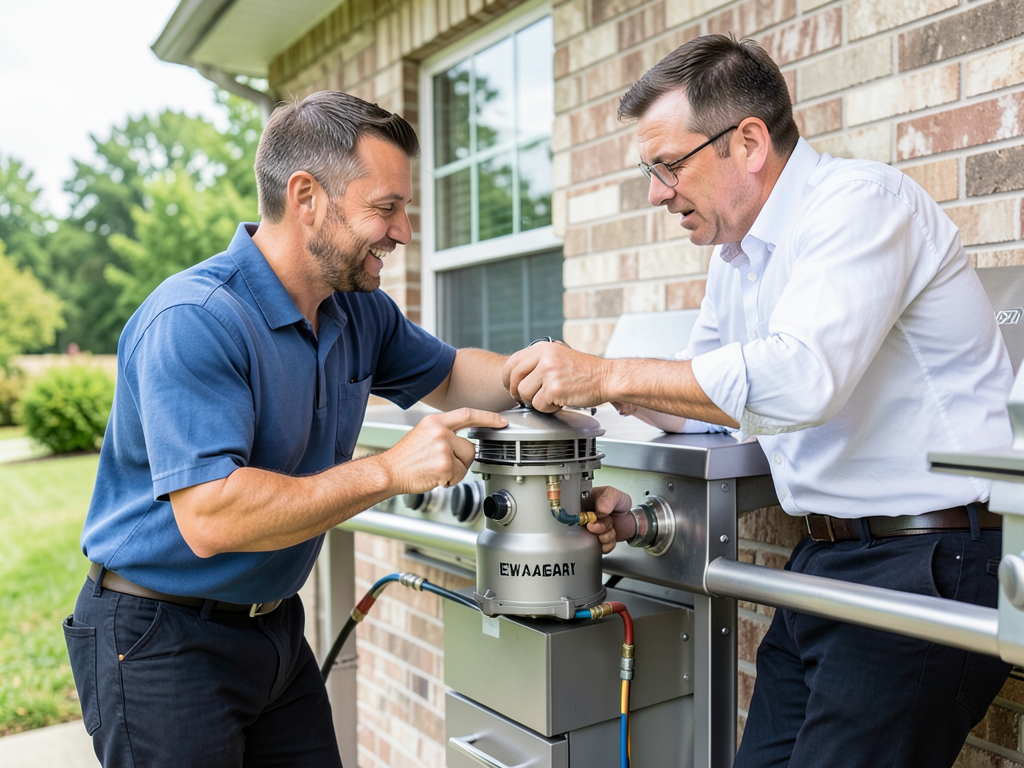
How to Heat Your Outdoor Kitchen or Patio for Year-Round Use in New Albany
Columbus winters can make your beautiful outdoor kitchen feel like a frozen tundra by November. But with the right heating system, you can extend your patio season through fall tailgates, spring brunches, and even winter gatherings. The key is choosing permanent solutions that handle Ohio’s rapid temperature swings and high humidity levels near the Scioto River. Ohio Mechanical Code.
Before you buy that portable propane heater from the big box store, understand this: New Albany’s clay-heavy soil and freeze-thaw cycles demand heating systems built for Central Ohio’s specific climate challenges. Professional installation ensures your investment withstands our notorious March snowstorms and October cold snaps.
Why Columbus Homeowners & Restaurants Choose Professional Heating
Central Ohio’s climate creates unique outdoor heating demands. Our region experiences temperature drops of 30-40 degrees within hours during spring and fall. The high humidity from the Scioto River Valley means moisture accumulates on cold surfaces, creating frost that portable heaters can’t combat effectively.
Professional systems account for these factors. A properly sized infrared heater mounted under your New Albany pergola delivers consistent radiant heat that warms people and objects directly, not just the air. This matters when evening breezes sweep across your patio at 15-20 mph, common in Franklin County during autumn.
Restaurants along the Short North corridor know this challenge well. They’ve invested in commercial-grade natural gas heaters that maintain 65-70 degree comfort zones even when ambient temperatures hover near freezing. These systems include wind sensors that automatically adjust output based on real-time conditions.
Types of Patio Heaters We Install
Choosing between heating options requires understanding your specific needs. Each system offers distinct advantages for New Albany’s climate and building regulations. Why Your Westerville AC Needs a Tune Up Before the Humidity Hits.
Natural Gas Patio Heaters
Permanent natural gas lines provide the most reliable heating for year-round outdoor use. These systems connect directly to your home’s existing gas supply, eliminating propane tank refills and electrical outlet constraints.
Installation requires Franklin County permits and must comply with Ohio Mechanical Code Section 301. Installation crews run 1/2-inch or 3/4-inch black iron pipe from your gas meter to the heater location. The pipe must maintain proper slope and include accessible shutoff valves within 6 feet of the appliance.
Natural gas heaters produce 40,000-60,000 BTUs, sufficient for 200-400 square feet in Ohio winters. The radiant heat penetrates wind better than electric options, making them ideal for exposed patios near the New Albany Country Club golf course.
Electric Infrared Heaters
Infrared technology heats objects and people directly through electromagnetic radiation, similar to how sunlight warms your skin. These units mount on walls, ceilings, or under pergolas, keeping floors clear for furniture.
240-volt units draw 15-30 amps and require dedicated circuits per National Electrical Code Article 424. Professional installation includes weatherproof electrical boxes and GFCI protection since these heaters operate near moisture from melting snow and ice.
Infrared heaters excel in covered spaces where radiant heat reflects off surfaces. A 4,000-watt unit effectively heats 150 square feet in New Albany’s climate, perfect for screened porches overlooking the Blacklick Creek watershed. Where to Find 24 Hour Emergency HVAC Help Anywhere in Columbus.
Liquid Propane Systems
Propane offers flexibility for locations without existing gas lines. Portable tanks range from 20-pound cylinders to 100-pound stationary units, providing 8-40 hours of heat depending on BTU output.
However, propane requires careful consideration in New Albany. Our clay soil retains moisture, and propane tanks need stable, elevated platforms to prevent rust and freezing. Tanks must maintain 10-foot clearances from buildings and property lines per NFPA 58 standards. NFPA 58 Standards.
Propane heaters produce immediate heat but struggle in sustained winds above 10 mph. They work best for occasional use or as backup systems when natural gas isn’t available.
Commercial vs. Residential Solutions
The heating needs of a New Albany home differ significantly from those of a Short North restaurant. Understanding these differences helps you choose the right system.
Residential Outdoor Kitchen Heating
Homeowners typically need 30,000-45,000 BTUs to heat 200-300 square feet of patio space. The focus is on creating comfortable zones for family gatherings and dinner parties.
Residential installations often integrate with existing outdoor kitchen designs. Heaters mount under granite countertops, inside custom cabinetry, or on pergola rafters. The goal is invisible comfort that doesn’t disrupt your backyard aesthetic.
Energy efficiency matters more for homes than restaurants. Infrared electric heaters cost $0.15-0.25 per hour to operate, while natural gas systems run $0.80-1.20 per hour based on current Columbia Gas rates in Franklin County.
Restaurant and Commercial Heating
Commercial spaces require higher output and durability. Restaurants need 50,000-80,000 BTUs per 200 square feet to maintain comfort when doors open frequently and patrons wear lighter clothing.
Commercial systems include commercial-grade stainless steel construction, higher wind ratings, and programmable controls. Many feature remote operation and zone control, allowing managers to heat only occupied areas.
Permitting differs for commercial installations. Franklin County Health Department approval is required for restaurant patio heaters, and fire marshal inspections ensure compliance with Ohio Fire Code Chapter 10.
BTU Calculation for Ohio Weather
Calculating heating requirements involves more than square footage. Ohio’s climate demands specific considerations that generic BTU calculators miss.
| Space Size | Wind Exposure | Required BTUs | Recommended Heater Type |
|---|---|---|---|
| 150 sq ft | Low (covered) | 25,000-30,000 | Electric Infrared |
| 200 sq ft | Medium (partial cover) | 35,000-40,000 | Natural Gas |
| 300 sq ft | High (exposed) | 50,000-60,000 | Natural Gas + Wind Guard |
Wind exposure dramatically affects heating efficiency. Each 5 mph of wind reduces effective heating by approximately 10%. New Albany’s open areas near the country club experience consistent 10-15 mph breezes, requiring 20-30% more heating capacity than sheltered locations.
Temperature differential also matters. When outdoor temperatures drop below 40 degrees, infrared heaters lose effectiveness. At 25 degrees, you need 40% more BTUs than the standard calculation suggests.
Safety and Local Building Codes
Installing outdoor heating systems in New Albany requires navigating specific regulations. Franklin County building permits are mandatory for gas line extensions and permanent electrical installations.
Gas line installations must follow Ohio Mechanical Code Section 301. Pipes require pressure testing at 1.5 times operating pressure for 15 minutes minimum. All joints must be accessible for inspection, and the entire system needs pressure gauges at both ends.
Clearance requirements are strict. Heaters must maintain 36 inches from combustible materials, 72 inches from ceilings, and 48 inches from furniture. Wall-mounted units need 24-inch side clearances and 36-inch top clearances.
Carbon monoxide detectors become mandatory when installing gas-fired heaters in enclosed or partially enclosed spaces. The detectors must be hardwired with battery backup and interconnected with your home’s smoke alarm system.
Electrical installations require permits and inspections per National Electrical Code Article 680. Weatherproof boxes, proper grounding, and GFCI protection are non-negotiable. DIY electrical work often violates code and creates fire hazards.
Cost Analysis: Electric vs. Propane vs. Natural Gas
Operating costs vary significantly between heating types. Understanding these differences helps you make informed decisions about long-term investment.
| Fuel Type | BTU Output | Cost per Hour | Installation Cost | Best For |
|---|---|---|---|---|
| Electric (240V) | 4,000-6,000 | $0.15-0.25 | $300-800 | Covered spaces, occasional use |
| Propane (20lb) | 40,000 | $1.50-2.00 | $200-400 | Portable, backup, temporary |
| Natural Gas | 40,000-60,000 | $0.80-1.20 | $1,500-3,000 | Year-round, high use |
Natural gas systems cost more upfront but provide the lowest operating costs for frequent use. If you entertain outdoors more than 15 times per year, natural gas typically pays for itself within 2-3 seasons.
Electric infrared heaters offer the best value for covered spaces used occasionally. They’re silent, emit no fumes, and require minimal maintenance beyond occasional cleaning.
Propane works for seasonal use or when gas lines aren’t available. However, the ongoing fuel costs and tank management make it less economical for daily use.
Installation Timeline and Process
Professional installation follows a specific sequence to ensure safety and code compliance. Understanding this process helps you plan your outdoor heating project.
- Site Assessment
Technicians evaluate your space, measure wind patterns, and assess existing utilities. They identify optimal heater locations and calculate required BTU output based on New Albany’s specific climate conditions. - Permit Acquisition
Applications go to Franklin County Building Department for gas and electrical permits. This process takes 3-5 business days and costs $150-300 depending on project scope. - Utility Preparation
For gas systems, crews trench and run pipe from the meter to the heater location. Electrical installations include dedicated circuits and weatherproof boxes. - Mounting and Installation
Heaters mount according to manufacturer specifications and local code requirements. Gas connections undergo pressure testing, and electrical systems get GFCI protection. - Inspection and Testing
County inspectors verify gas line integrity and electrical safety. Technicians test heater operation, calibrate controls, and demonstrate proper use.
The entire process typically takes 2-3 days for straightforward installations, but permit acquisition can extend the timeline to 1-2 weeks.
Maintenance and Winterization
Outdoor heating systems require seasonal maintenance to operate safely and efficiently. Central Ohio’s freeze-thaw cycles create specific challenges that demand professional attention.
Natural gas systems need annual inspection of gas connections, burner orifices, and ignition systems. Technicians check for corrosion, clean burner ports, and verify proper combustion. This service costs $150-250 and prevents dangerous gas leaks.
Electric heaters require less maintenance but need weatherproof covers during winter months. Infrared elements last 5,000-8,000 hours but may need replacement after 3-4 seasons of heavy use.
Propane tanks should be disconnected and stored indoors during winter. Hoses and regulators need inspection for cracks and wear before each season’s use.
Winterization includes draining water from gas lines if they run near exterior walls, covering exposed components, and securing loose connections against freeze expansion.
Common Mistakes to Avoid
Homeowners often make costly errors when installing outdoor heating. Understanding these pitfalls saves money and prevents safety hazards.
Underestimating heating requirements is the most common mistake. A 20,000 BTU heater might feel adequate on a 60-degree evening but fails completely when temperatures drop to 35 degrees with 10 mph winds.
Ignoring wind patterns leads to ineffective heating. Placing a heater on the windward side of your patio wastes energy as heat blows away before warming the space.
DIY gas line installation violates Ohio Mechanical Code and creates explosion risks. Gas leaks are odorless when they occur, and homeowners often miss small leaks that become dangerous over time.
Using indoor-rated heaters outdoors creates fire and carbon monoxide hazards. Outdoor heaters include weatherproof components and safety shutoffs that indoor units lack.
Frequently Asked Questions
How much does it cost to heat a 200 square foot patio in New Albany?
Natural gas heating for a 200 square foot patio costs $0.80-1.20 per hour to operate. Electric infrared heating costs $0.15-0.25 per hour. Propane heating costs $1.50-2.00 per hour.
Do I need a permit to install a patio heater in Franklin County?
Yes. Gas line installations require Franklin County building permits and inspections. Electrical installations need permits for new circuits and weatherproof boxes. Portable propane heaters don’t require permits but must follow NFPA 58 clearance requirements.
What’s the best heater for a covered porch in New Albany?
Electric infrared heaters work best for covered porches. They mount on walls or ceilings, don’t require venting, and provide instant heat. A 4,000-watt unit effectively heats 150 square feet in Ohio’s climate.
How long do outdoor patio heaters last in Ohio weather?
Quality outdoor heaters last 8-12 years with proper maintenance. Natural gas and electric units outlast propane systems because they lack fuel tanks that corrode. Annual professional maintenance extends lifespan by 3-5 years. Improving the Air Quality in Your Older Clintonville Home.
Can I install a patio heater myself?
Electric plug-in units are DIY-friendly. However, gas line installation and hardwired electrical work require licensed professionals and permits. DIY gas work violates Ohio Mechanical Code and creates serious safety hazards.
Ready to Extend Your Outdoor Season?
Don’t let another Columbus winter force you indoors. Professional patio heating transforms your outdoor kitchen into a year-round entertainment space. We handle everything from permit acquisition to final inspection, ensuring your system meets all Franklin County requirements.
Our technicians understand New Albany’s specific climate challenges and building codes. We’ll recommend the right system for your space, budget, and usage patterns. Whether you need a powerful natural gas heater for frequent entertaining or an efficient electric unit for occasional use, we have solutions that work.
Call (380) 253-3188 today to schedule your free consultation. We’ll assess your space, discuss options, and provide a detailed quote with no pressure. Your perfect outdoor heating solution is just one call away.
Don’t wait until the first frost hits. Contact us now to ensure your patio stays warm and inviting all season long.
Pick up the phone and call (380) 253-3188 before the next cold snap catches you unprepared. Your outdoor kitchen deserves professional heating that handles Ohio’s toughest weather.
You may also find this helpful. Dealing with a Neighbor’s Noisy AC Unit in the Compact Lots of Italian Village.
{
“@context”: “https://schema.org”,
“@type”: “BlogPosting”,
“headline”: “How to Heat Your Outdoor Kitchen or Patio for Year-Round Use in New Albany”,
“description”: “Learn how to extend your outdoor season in New Albany with professional patio heating solutions. Compare gas, electric, and propane options for Columbus winters.”,
“wordCount”: 2121,
“datePublished”: “2026-05-21T13:51:00.000Z”,
“dateModified”: “2026-05-21T13:51:00.000Z”,
“inLanguage”: “en-US”,
“mainEntityOfPage”: {
“@type”: “WebPage”,
“@id”: “https://grandhvaccolumbus.com”
},
“publisher”: {
“@type”: “LocalBusiness”,
“name”: “Grand HVAC Columbus”,
“url”: “https://grandhvaccolumbus.com”
},
“author”: {
“@type”: “Organization”,
“name”: “Grand HVAC Columbus”,
“url”: “https://grandhvaccolumbus.com”
},
“image”: {
“@type”: “ImageObject”,
“url”: “https://grandhvaccolumbus.com/wp-content/uploads/2026/03/how-to-heat-your-outdoor-kitchen-or-patio-for-year-1.png”
}
}
{
“@context”: “https://schema.org”,
“@type”: “HVACBusiness”,
“name”: “Grand HVAC Columbus”,
“url”: “https://grandhvaccolumbus.com”,
“address”: {
“@type”: “PostalAddress”,
“addressLocality”: “Columbus”
},
“areaServed”: {
“@type”: “City”,
“name”: “Columbus”
}
}
{
“@context”: “https://schema.org”,
“@type”: “FAQPage”,
“mainEntity”: [
{
“@type”: “Question”,
“name”: “How much does it cost to heat a 200 square foot patio in New Albany?”,
“acceptedAnswer”: {
“@type”: “Answer”,
“text”: “Natural gas heating for a 200 square foot patio costs $0.80-1.20 per hour to operate. Electric infrared heating costs $0.15-0.25 per hour. Propane heating costs $1.50-2.00 per hour.”
}
},
{
“@type”: “Question”,
“name”: “Do I need a permit to install a patio heater in Franklin County?”,
“acceptedAnswer”: {
“@type”: “Answer”,
“text”: “Yes. Gas line installations require Franklin County building permits and inspections. Electrical installations need permits for new circuits and weatherproof boxes. Portable propane heaters don’t require permits but must follow NFPA 58 clearance requirements.”
}
},
{
“@type”: “Question”,
“name”: “What’s the best heater for a covered porch in New Albany?”,
“acceptedAnswer”: {
“@type”: “Answer”,
“text”: “Electric infrared heaters work best for covered porches. They mount on walls or ceilings, don’t require venting, and provide instant heat. A 4,000-watt unit effectively heats 150 square feet in Ohio’s climate.”
}
},
{
“@type”: “Question”,
“name”: “How long do outdoor patio heaters last in Ohio weather?”,
“acceptedAnswer”: {
“@type”: “Answer”,
“text”: “Quality outdoor heaters last 8-12 years with proper maintenance. Natural gas and electric units outlast propane systems because they lack fuel tanks that corrode. Annual professional maintenance extends lifespan by 3-5 years. Improving the Air Quality in Your Older Clintonville Home.”
}
},
{
“@type”: “Question”,
“name”: “Can I install a patio heater myself?”,
“acceptedAnswer”: {
“@type”: “Answer”,
“text”: “Electric plug-in units are DIY-friendly. However, gas line installation and hardwired electrical work require licensed professionals and permits. DIY gas work violates Ohio Mechanical Code and creates serious safety hazards.”
}
},
{
“@type”: “Question”,
“name”: “Ready to Extend Your Outdoor Season?”,
“acceptedAnswer”: {
“@type”: “Answer”,
“text”: “Don’t let another Columbus winter force you indoors. Professional patio heating transforms your outdoor kitchen into a year-round entertainment space. We handle everything from permit acquisition to final inspection, ensuring your system meets all Franklin County requirements.”
}
}
]
}
{
“@context”: “https://schema.org”,
“@type”: “BreadcrumbList”,
“itemListElement”: [
{
“@type”: “ListItem”,
“position”: 1,
“name”: “Home”,
“item”: “https://grandhvaccolumbus.com”
},
{
“@type”: “ListItem”,
“position”: 2,
“name”: “Blog”,
“item”: “https://grandhvaccolumbus.com/blog”
},
{
“@type”: “ListItem”,
“position”: 3,
“name”: “How to Heat Your Outdoor Kitchen or Patio for Year-Round Use in New Albany”
}
]
}
{
“@context”: “https://schema.org”,
“@type”: “Service”,
“serviceType”: “HVAC”,
“provider”: {
“@type”: “LocalBusiness”,
“name”: “Grand HVAC Columbus”,
“url”: “https://grandhvaccolumbus.com”
},
“areaServed”: {
“@type”: “City”,
“name”: “Columbus”
},
“description”: “Learn how to extend your outdoor season in New Albany with professional patio heating solutions. Compare gas, electric, and propane options for Columbus winters.”
}