
Is Geothermal Heating and Cooling Worth It for Your Property Near Galena?
Geothermal heating and cooling systems use the earth’s stable underground temperature to provide year-round comfort for your home. In Galena and surrounding Delaware County areas these systems can deliver 40-70% lower energy bills compared to traditional HVAC while qualifying for a 30% federal tax credit. The answer depends on your property size soil conditions and long-term plans. For larger Galena estates with at least one acre of land geothermal often provides the best return on investment over a 10-year period. Energy Star Geothermal Heat Pumps.
The ground temperature in Central Ohio stays remarkably consistent at about 55 degrees year-round. This stable thermal mass means your system works less to heat in winter and cool in summer. But before you decide you need to understand how Delaware County’s clay soil local permitting requirements and your specific lot configuration affect installation costs and efficiency.
Why Geothermal Makes Sense for Galena Properties
Galena’s location in Delaware County puts it in a sweet spot for geothermal technology. The area’s relatively flat terrain and available acreage make horizontal loop installations feasible for many properties. Unlike urban Columbus neighborhoods where vertical drilling through bedrock adds significant costs Galena’s soil composition allows for more economical installation methods. Where to Find 24 Hour Emergency HVAC Help Anywhere in Columbus.
The Ohio climate creates ideal conditions for geothermal performance. Our humid summers mean air-source heat pumps struggle when outdoor temperatures soar above 90 degrees. Geothermal systems maintain efficiency because they exchange heat with the constant 55-degree earth rather than the fluctuating air. During our cold winters when temperatures drop below zero geothermal heat pumps still extract heat from the ground without the dramatic efficiency losses that plague air-source systems.
Delaware County’s building department has streamlined geothermal permitting for residential properties. Most installations qualify under the same mechanical permit as traditional HVAC systems though soil testing may be required for loop field design. The county recognizes geothermal as a renewable energy source which can simplify approval processes compared to some neighboring jurisdictions.
Types of Geothermal Loops for Delaware County Properties
Choosing the right loop configuration depends on your property characteristics. Each type has specific requirements for space soil conditions and installation costs.
- Site Assessment
Our technicians evaluate your property’s available land soil composition and underground utilities before recommending a loop type.
- Soil Testing
We conduct thermal conductivity tests to determine how efficiently your soil transfers heat which affects loop sizing.
- Loop Design
Based on your home’s heating and cooling load we calculate the required loop field size and configuration.
Horizontal loops work best for Galena properties with at least one acre of open land. These systems bury pipes in trenches 6-8 feet deep typically requiring 400-600 feet of trench per ton of heating capacity. The installation disturbs a significant area of your yard but costs 30-40% less than vertical systems. For a typical 3000-square-foot home you’d need approximately 1500-2000 feet of horizontal piping spread across your property.
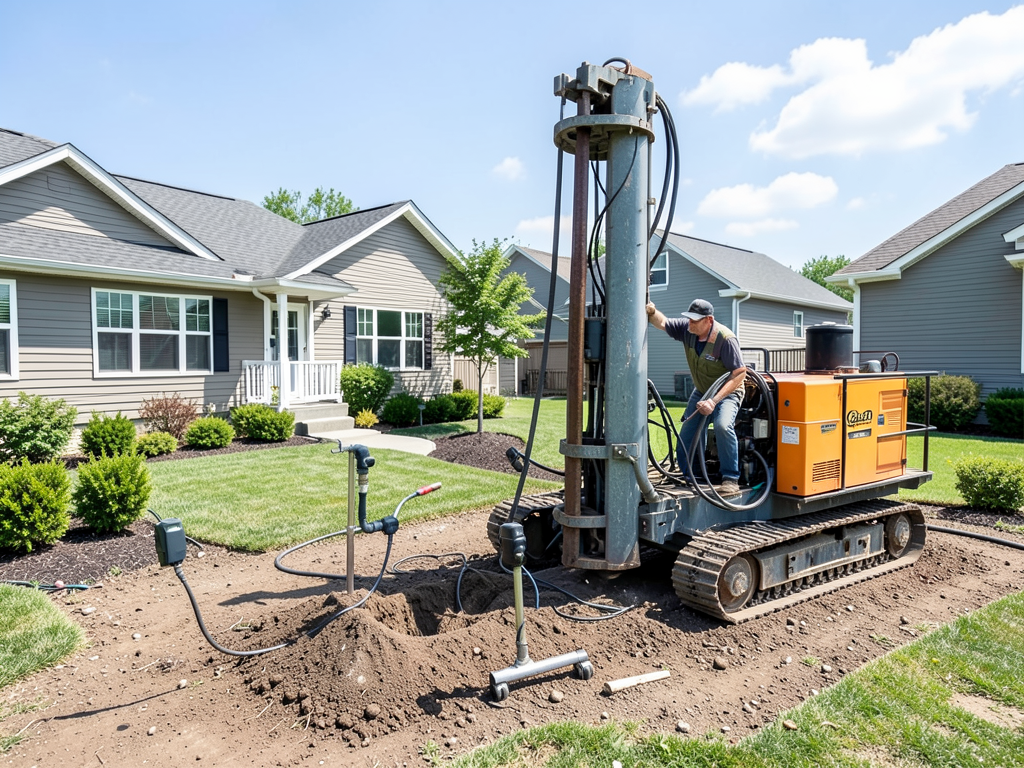
Vertical loops solve space constraints by drilling 150-400 foot deep holes instead of laying pipes horizontally. Each hole contains U-bend piping that circulates the heat transfer fluid. Vertical systems work well for Galena’s older village properties where lot sizes are smaller but drilling equipment can access the site. The drilling process creates minimal surface disruption compared to horizontal installation.
Pond or lake loops offer another option if your property has adequate water access. These systems circulate pipes through a body of water at least 8 feet deep using the water as the heat exchange medium. Delaware County’s numerous small lakes and ponds make this viable for some Galena properties though local regulations govern water-based installations.
Federal Tax Credits and Local Incentives
The federal government currently offers a 30% tax credit for geothermal heat pump installations under the Inflation Reduction Act. This credit applies to both equipment and installation costs with no upper limit. For a typical $30000 geothermal system you could claim a $9000 tax credit on your federal return.
AEP Ohio provides additional rebates for geothermal installations through their energy efficiency programs. Current incentives include $750 per ton for qualifying ground-source heat pump systems. A 4-ton system could earn $3000 in utility rebates which stack with the federal tax credit for total savings of up to 40% of installation costs. AEP Ohio Energy Efficiency Rebates.
Delaware County occasionally offers property tax incentives for renewable energy installations though these programs vary by year. Some Galena residents have qualified for reduced assessment rates when geothermal systems replace traditional HVAC equipment. Local lenders also provide green energy financing with favorable terms for geothermal projects.
The 30% federal tax credit is scheduled to step down after 2032 making now an optimal time for installation. The credit applies to both new construction and replacement of existing systems. You can claim the credit in the year of installation and if you cannot use the full amount in one year you can carry forward unused credits for up to 20 years.
Our Galena Installation Process
Professional geothermal installation requires specialized expertise and equipment. Our process ensures your system performs optimally for decades with minimal maintenance.
Site assessment begins with a comprehensive evaluation of your property’s geothermal potential. We examine soil composition available land area existing utilities and your home’s heating and cooling requirements. Our technicians use Manual J calculations to determine your exact load needs ensuring the system isn’t oversized or undersized. Why Your Westerville AC Needs a Tune Up Before the Humidity Hits.
Soil testing provides critical data for loop design. We measure thermal conductivity by extracting soil samples and testing heat transfer rates in a controlled environment. Clay soils in Delaware County typically show moderate conductivity requiring larger loop fields than sandy soils but performing better than rocky conditions. This testing prevents costly oversizing or underperformance.
Drilling and loop installation follow precise engineering specifications. For horizontal systems we use specialized trenching equipment that minimizes soil compaction and preserves landscape integrity where possible. Vertical installations employ drilling rigs similar to those used for water wells with careful attention to avoiding underground utilities and bedrock formations.
Manifold and heat pump installation connects the underground loop to your home’s distribution system. We typically install the heat pump in your basement or utility area connecting it to existing ductwork when feasible. The manifold assembly distributes fluid flow evenly across the loop field maximizing heat exchange efficiency.
System commissioning includes extensive testing of all components. We verify loop flow rates check for leaks using pressure testing and confirm heat pump performance across all operating modes. Our technicians calibrate the system to your specific home’s needs adjusting setpoints and controls for optimal comfort and efficiency.
Geothermal vs. Traditional HVAC: Cost Analysis
Understanding the total cost of ownership helps you make an informed decision. Geothermal systems require higher upfront investment but deliver substantial long-term savings through reduced operating costs.
| System Type | Installation Cost | Annual Operating Cost | Expected Lifespan | 10-Year Total Cost |
|---|---|---|---|---|
| 16-SEER AC + 96% Furnace | $12000 – $15000 | $1800 – $2200 | 15-20 years | $30000 – $37000 |
| Geothermal Heat Pump | $25000 – $35000 | $600 – $900 | 20-25 years | $31000 – $44000 |
| Geothermal with Tax Credits | $17500 – $24500 | $600 – $900 | 20-25 years | $23500 – $33500 |
The break-even point typically occurs between years 5-7 for most Galena properties. After that the annual savings compound significantly. Over a 20-year period geothermal owners save an average of $15000-$25000 compared to conventional systems when accounting for energy costs maintenance and replacement timing.
Maintenance requirements differ substantially between system types. Traditional HVAC systems need annual tune-ups filter changes every 1-3 months and typically require major repairs or replacement every 15-20 years. Geothermal systems need minimal maintenance beyond checking loop pressure annually and changing air filters. The underground loop field carries a 50-year warranty and often lasts the lifetime of your home.
Energy prices in Ohio have increased 3-5% annually over the past decade. Geothermal systems provide protection against these rising costs since they use 70% less energy than conventional heating and 50% less than conventional cooling. As electricity rates climb your savings from geothermal increase proportionally.
Soil Conditions and Geothermal Performance in Delaware County
Delaware County’s soil composition significantly impacts geothermal system design and performance. Understanding your specific soil conditions helps optimize system efficiency and installation costs.
The region’s predominant clay soils have moderate thermal conductivity typically ranging from 1.0 to 1.5 BTU/hr·ft·°F. This means heat transfers through the soil at an average rate requiring larger loop fields than sandy soils but performing better than rocky or compacted conditions. Our soil testing determines your exact conductivity value which we use to calculate optimal loop sizing.
Water table depth affects installation methods and system performance. Areas near Big Walnut Creek and Alum Creek have higher water tables which can improve heat transfer but may require specialized loop materials to prevent corrosion. Most of Galena sits on well-drained soils with water tables 15-25 feet below grade ideal for standard geothermal installation.
Soil pH and mineral content influence loop fluid chemistry and material selection. Central Ohio soils typically range from slightly acidic to neutral pH requiring standard antifreeze solutions in the loop field. In areas with high mineral content we may specify corrosion-resistant pipe materials or additional water treatment to protect system longevity.
Seasonal soil moisture variations affect system performance. Wet soils conduct heat better than dry soils so loop fields perform slightly better during Ohio’s wet springs and falls. We account for these variations in our design calculations ensuring consistent performance across all seasons.
Making the Decision for Your Galena Property
Geothermal heating and cooling represents a significant investment that pays dividends through energy savings comfort and environmental benefits. For Galena properties with adequate land and a long-term ownership horizon the technology often makes strong financial sense.
Consider your specific situation carefully. If you plan to stay in your home for 5+ years value energy independence and want to reduce your carbon footprint geothermal deserves serious consideration. The combination of federal tax credits utility rebates and dramatic energy savings can make the upfront costs manageable while delivering superior comfort and reliability.
Ready to explore whether geothermal makes sense for your Galena home? Call (380) 253-3188 today to schedule a comprehensive site assessment. Our technicians will evaluate your property explain your options clearly and provide a detailed proposal with accurate cost estimates and projected savings. Don’t wait until energy prices climb higher or your current system fails. Take control of your home’s comfort and efficiency now.
Frequently Asked Questions
How much land do I need for a geothermal system?
Horizontal loop systems typically require 1-2 acres of available land for a typical home. Vertical systems need much less surface area but require access for drilling equipment. We can often install vertical loops on properties as small as 5000 square feet if access permits drilling.
Will geothermal drilling damage my yard?
Horizontal installations disturb a significant area of your yard though we minimize damage by using proper trenching techniques and can restore landscaping after installation. Vertical drilling creates minimal surface disruption typically just a few small holes that we can easily repair and reseed.
How long does installation take?
Most residential geothermal installations take 2-4 weeks from start to finish. This includes site assessment permitting loop installation heat pump setup and system commissioning. Weather conditions and soil complications can occasionally extend timelines but we provide accurate scheduling once we evaluate your specific site.
Can I use my existing ductwork?
Often yes. Geothermal heat pumps connect to standard ductwork just like conventional furnaces and air conditioners. We evaluate your existing duct system during the assessment and recommend modifications if needed for optimal performance. In some cases upgrading ductwork improves overall system efficiency. Upgrading to a Smart Thermostat in Grandview Heights to Lower Your Electric Bill.
What happens if the system needs repairs?
Geothermal systems have fewer moving parts than conventional HVAC resulting in lower failure rates. The underground loop field rarely requires service due to its durable construction. Heat pump components are similar to standard HVAC equipment so repairs use common parts and techniques when needed.
Is geothermal noisy?
Geothermal heat pumps operate very quietly typically producing 50-60 decibels similar to a modern refrigerator. The underground components produce no noise at all. Many homeowners find geothermal systems significantly quieter than their previous conventional equipment.
{
“@context”: “https://schema.org”,
“@type”: “BlogPosting”,
“headline”: “Is Geothermal Heating and Cooling Worth It for Your Property Near Galena?”,
“description”: “Discover if geothermal heating and cooling makes financial sense for your Galena property. Learn about installation costs, federal tax credits, and local soil conditions.”,
“wordCount”: 2058,
“datePublished”: “2026-02-27T10:57:00.000Z”,
“dateModified”: “2026-02-27T10:57:00.000Z”,
“inLanguage”: “en-US”,
“mainEntityOfPage”: {
“@type”: “WebPage”,
“@id”: “https://grandhvaccolumbus.com”
},
“publisher”: {
“@type”: “LocalBusiness”,
“name”: “Grand HVAC Columbus”,
“url”: “https://grandhvaccolumbus.com”
},
“author”: {
“@type”: “Organization”,
“name”: “Grand HVAC Columbus”,
“url”: “https://grandhvaccolumbus.com”
},
“image”: {
“@type”: “ImageObject”,
“url”: “https://grandhvaccolumbus.com/wp-content/uploads/2026/03/is-geothermal-heating-and-cooling-worth-it-for-you-1.png”
}
}
{
“@context”: “https://schema.org”,
“@type”: “HVACBusiness”,
“name”: “Grand HVAC Columbus”,
“url”: “https://grandhvaccolumbus.com”,
“address”: {
“@type”: “PostalAddress”,
“addressLocality”: “Columbus”
},
“areaServed”: {
“@type”: “City”,
“name”: “Columbus”
}
}
{
“@context”: “https://schema.org”,
“@type”: “FAQPage”,
“mainEntity”: [
{
“@type”: “Question”,
“name”: “How much land do I need for a geothermal system?”,
“acceptedAnswer”: {
“@type”: “Answer”,
“text”: “Horizontal loop systems typically require 1-2 acres of available land for a typical home. Vertical systems need much less surface area but require access for drilling equipment. We can often install vertical loops on properties as small as 5000 square feet if access permits drilling.”
}
},
{
“@type”: “Question”,
“name”: “Will geothermal drilling damage my yard?”,
“acceptedAnswer”: {
“@type”: “Answer”,
“text”: “Horizontal installations disturb a significant area of your yard though we minimize damage by using proper trenching techniques and can restore landscaping after installation. Vertical drilling creates minimal surface disruption typically just a few small holes that we can easily repair and reseed.”
}
},
{
“@type”: “Question”,
“name”: “How long does installation take?”,
“acceptedAnswer”: {
“@type”: “Answer”,
“text”: “Most residential geothermal installations take 2-4 weeks from start to finish. This includes site assessment permitting loop installation heat pump setup and system commissioning. Weather conditions and soil complications can occasionally extend timelines but we provide accurate scheduling once we evaluate your specific site.”
}
},
{
“@type”: “Question”,
“name”: “Can I use my existing ductwork?”,
“acceptedAnswer”: {
“@type”: “Answer”,
“text”: “Often yes. Geothermal heat pumps connect to standard ductwork just like conventional furnaces and air conditioners. We evaluate your existing duct system during the assessment and recommend modifications if needed for optimal performance. In some cases upgrading ductwork improves overall system efficiency. Upgrading to a Smart Thermostat in Grandview Heights to Lower Your Electric Bill.”
}
},
{
“@type”: “Question”,
“name”: “What happens if the system needs repairs?”,
“acceptedAnswer”: {
“@type”: “Answer”,
“text”: “Geothermal systems have fewer moving parts than conventional HVAC resulting in lower failure rates. The underground loop field rarely requires service due to its durable construction. Heat pump components are similar to standard HVAC equipment so repairs use common parts and techniques when needed.”
}
},
{
“@type”: “Question”,
“name”: “Is geothermal noisy?”,
“acceptedAnswer”: {
“@type”: “Answer”,
“text”: “Geothermal heat pumps operate very quietly typically producing 50-60 decibels similar to a modern refrigerator. The underground components produce no noise at all. Many homeowners find geothermal systems significantly quieter than their previous conventional equipment.”
}
}
]
}
{
“@context”: “https://schema.org”,
“@type”: “HowTo”,
“name”: “Geothermal Loop Selection Process”,
“step”: [
{
“@type”: “HowToStep”,
“position”: 1,
“name”: “Site Assessment”,
“text”: “Our technicians evaluate your property’s available land soil composition and underground utilities before recommending a loop type.”
},
{
“@type”: “HowToStep”,
“position”: 2,
“name”: “Soil Testing”,
“text”: “We conduct thermal conductivity tests to determine how efficiently your soil transfers heat which affects loop sizing.”
},
{
“@type”: “HowToStep”,
“position”: 3,
“name”: “Loop Design”,
“text”: “Based on your home’s heating and cooling load we calculate the required loop field size and configuration.”
}
],
“image”: “https://grandhvaccolumbus.com/wp-content/uploads/2026/03/is-geothermal-heating-and-cooling-worth-it-for-you-1.png”
}
{
“@context”: “https://schema.org”,
“@type”: “BreadcrumbList”,
“itemListElement”: [
{
“@type”: “ListItem”,
“position”: 1,
“name”: “Home”,
“item”: “https://grandhvaccolumbus.com”
},
{
“@type”: “ListItem”,
“position”: 2,
“name”: “Blog”,
“item”: “https://grandhvaccolumbus.com/blog”
},
{
“@type”: “ListItem”,
“position”: 3,
“name”: “Is Geothermal Heating and Cooling Worth It for Your Property Near Galena?”
}
]
}
{
“@context”: “https://schema.org”,
“@type”: “Service”,
“serviceType”: “HVAC”,
“provider”: {
“@type”: “LocalBusiness”,
“name”: “Grand HVAC Columbus”,
“url”: “https://grandhvaccolumbus.com”
},
“areaServed”: {
“@type”: “City”,
“name”: “Columbus”
},
“description”: “Discover if geothermal heating and cooling makes financial sense for your Galena property. Learn about installation costs, federal tax credits, and local soil conditions.”
}