Making Sense of Inverter Technology for Your Next Dublin AC Upgrade
Dublin homeowners face unique cooling challenges during Ohio’s humid summers. When your AC cycles on and off constantly, you feel the temperature swings and notice the humidity creeping back in. That’s where inverter technology comes in. Instead of running at full blast or shutting off completely, inverter ACs adjust their compressor speed to match your home’s exact cooling needs. This means steadier temperatures, better humidity control, and lower energy bills for your Dublin home. Energy Star air conditioner efficiency guidelines.
Before you upgrade, you need to understand how inverter technology actually works and whether it’s worth the investment for your specific situation. Let’s break down the differences between inverter and standard AC units so you can make the right choice for your comfort and budget.
How Inverter AC Technology Actually Works
Standard AC units use single-stage compressors that operate like a light switch – they’re either on at 100% capacity or completely off. When your thermostat calls for cooling, the compressor roars to life and runs full speed until the target temperature is reached. Then it shuts off completely. This creates those uncomfortable temperature swings you feel throughout the day.
Inverter ACs use variable-speed compressors that work more like a car’s cruise control. Instead of jumping between full speed and off, the compressor adjusts its output from 25% to 100% based on your home’s cooling demand. On mild days, it might run at 40% capacity continuously. During heat waves, it ramps up to 90% or higher. This smooth adjustment eliminates the jarring temperature changes and reduces wear on system components.
The technology also includes soft-start features that gradually ramp up power instead of drawing a massive electrical surge when the compressor starts. This protects your home’s electrical system and reduces stress on the compressor motor, which is why inverter units typically last longer than standard models.
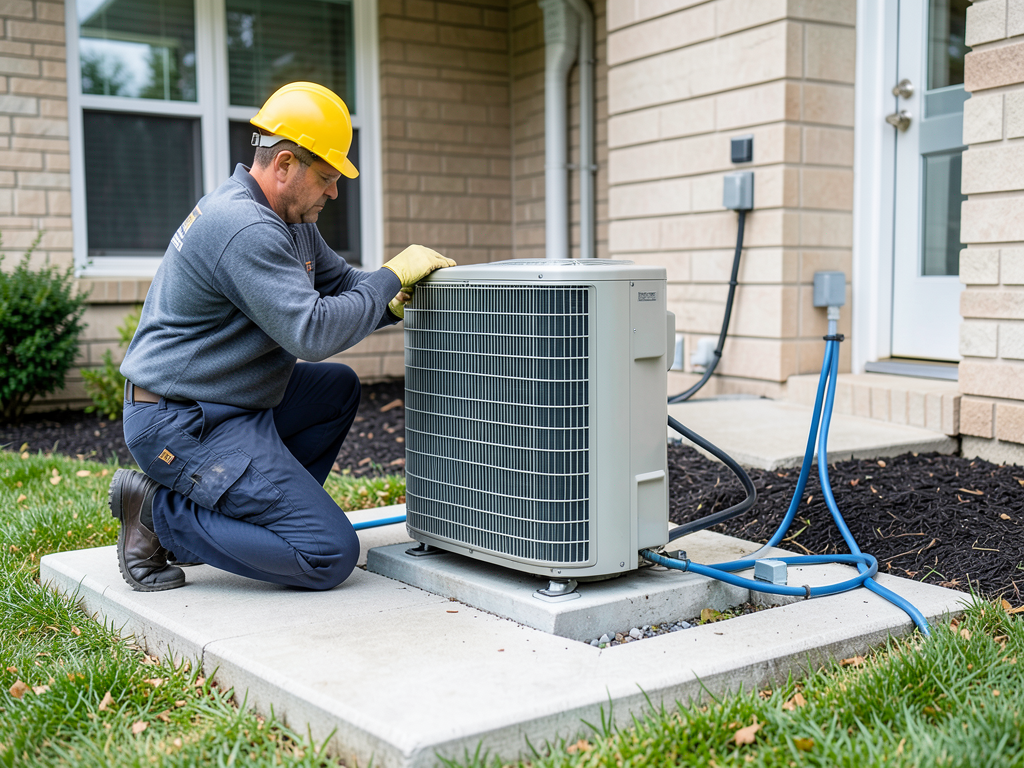
Image description: Technical diagram comparing compressor operation between standard AC (on/off cycling) and inverter AC (variable speed modulation) showing energy consumption patterns over a 24-hour period.
Comparing Inverter vs Standard AC Performance
| Feature | Standard AC | Inverter AC |
|---|---|---|
| Initial Cost | $3,500 – $5,500 | $5,000 – $7,500 |
| SEER2 Rating | 14-16 | 18-24 |
| Noise Level | 70-80 dB | 50-60 dB |
| Humidity Control | Basic | Excellent |
| Lifespan | 12-15 years | 15-20 years |
| Energy Use | High | Low |
The performance differences become clear when you look at real-world operation. Standard units create temperature swings of 2-4 degrees as they cycle on and off. Inverter systems maintain temperatures within 1 degree of your thermostat setting. This consistency matters in Dublin’s climate where humidity levels often exceed 70% during summer months. Where to Find 24 Hour Emergency HVAC Help Anywhere in Columbus.
Energy efficiency represents the biggest advantage. A standard 16 SEER2 unit might use 3,000 watts per hour when running. An inverter system with a 21 SEER2 rating uses only 2,200 watts per hour on average. Over a cooling season, this difference can save Dublin homeowners $200-$400 on their AEP Ohio electric bills.
Energy Efficiency and Real Cost Savings in Dublin
Dublin residents pay approximately 14.5 cents per kilowatt-hour to AEP Ohio, slightly above the national average. This makes energy efficiency particularly important for long-term cost savings. When you run a standard AC unit for 8 hours daily during summer, you’re looking at about $348 in monthly electricity costs at current rates.
An inverter system running the same hours uses roughly 25% less energy, dropping your monthly cooling cost to about $261. Over a five-year period, that’s $1,725 in energy savings – enough to offset the higher initial investment of an inverter unit.
The Ohio climate also affects how quickly you’ll see returns. Dublin experiences approximately 40 days per year with temperatures above 90 degrees Fahrenheit. During these extreme heat periods, standard units work hardest and consume the most energy. Inverter systems handle these conditions more efficiently by modulating output rather than running at maximum capacity continuously.
According to the Department of Energy’s Energy Star program, inverter technology can reduce cooling energy consumption by 20-40% compared to standard units. For a typical Dublin home using a 3-ton AC system, this translates to annual savings of 500-800 kilowatt-hours during the cooling season. Department of Energy heat pump and AC efficiency guide.
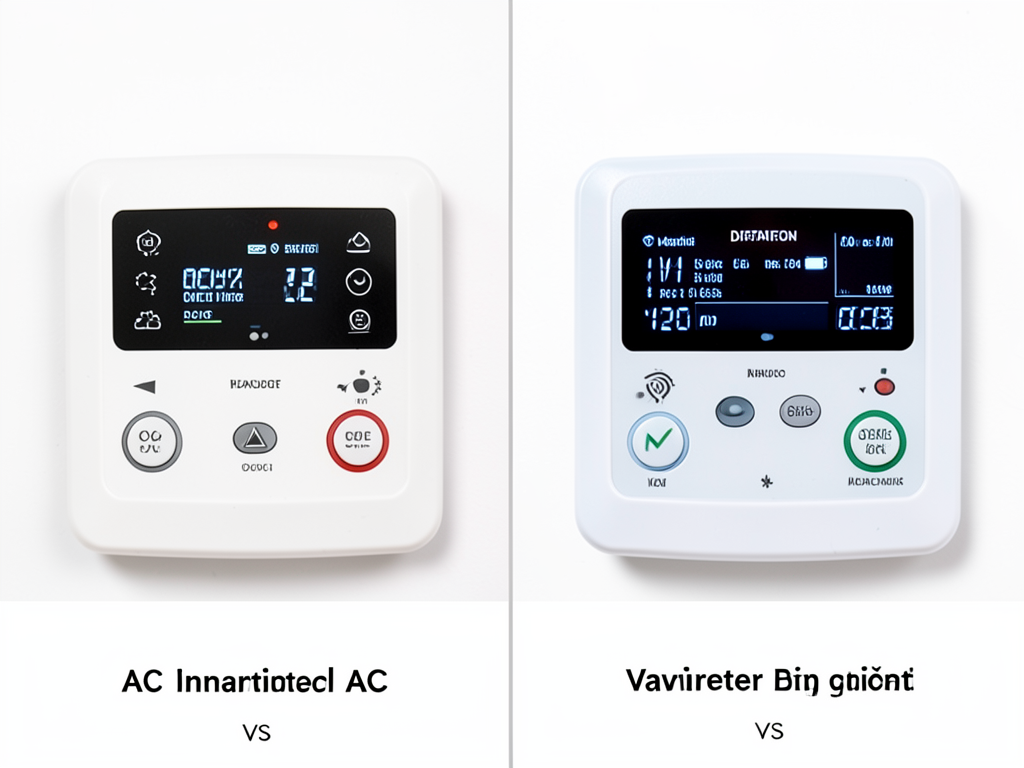
Image description: Side-by-side comparison of monthly electric bills showing standard AC vs inverter AC energy consumption patterns during a typical Dublin summer month.
Humidity Control: Why It Matters in Dublin
Ohio’s climate presents unique challenges that inverter technology handles exceptionally well. Dublin sits in the humid continental climate zone where summer dew points often reach 70 degrees Fahrenheit. This moisture in the air makes your home feel warmer than the actual temperature and creates ideal conditions for mold growth.
Standard AC units remove humidity through condensation on the evaporator coil, but they only work when actively cooling. Once the thermostat reaches the set point, the system shuts off and humidity levels start climbing again within 15-20 minutes. This cycling pattern means your home experiences constant humidity fluctuations.
Inverter systems run longer at lower speeds, which keeps the evaporator coil cold enough to continuously remove moisture from the air. Instead of removing humidity in bursts, they maintain steady dehumidification throughout the day. This means relative humidity stays between 45-55% rather than swinging between 40% and 65%.
For Dublin homes, this translates to better indoor air quality and reduced strain on your AC system. Lower humidity levels allow you to set your thermostat 2-3 degrees higher while maintaining the same comfort level. This further reduces energy consumption and extends the life of your equipment. Improving the Air Quality in Your Older Clintonville Home.
The EPA recommends maintaining indoor humidity between 30-50% for optimal comfort and health. Inverter technology makes this achievable even during Ohio’s most humid weeks, when standard units struggle to keep up.
Local Incentives and Rebates for Dublin Homeowners
Dublin residents can take advantage of several incentive programs that make inverter technology more affordable. AEP Ohio offers rebates of up to $750 for high-efficiency HVAC systems that meet specific SEER2 requirements. These rebates apply to inverter units with SEER2 ratings of 18 or higher.
The federal Inflation Reduction Act provides tax credits of up to 30% of installation costs for qualifying high-efficiency systems, capped at $2,000. This credit applies to both the equipment and installation labor, making it one of the most valuable incentives available to Dublin homeowners.
Many inverter manufacturers also offer seasonal rebates through local distributors. These manufacturer rebates typically range from $100 to $500 and can be combined with utility and federal incentives. The best time to purchase is often during spring promotion periods when multiple rebate programs overlap.
Ohio building codes require all new HVAC installations to meet current efficiency standards under the Ohio Mechanical Code. This means even if you choose a standard unit, you’ll be getting at least a 14 SEER2 system. However, inverter technology easily exceeds these minimum requirements while providing superior comfort.
Local HVAC contractors in the Dublin area often have relationships with utility companies and can help you navigate the rebate application process. Some even handle all the paperwork on your behalf, ensuring you receive every available incentive without the hassle of dealing with multiple agencies.
Maintenance Requirements and Long-Term Reliability
Inverter AC systems require specific maintenance procedures that differ from standard units. The variable-speed compressor and electronic controls need annual professional servicing to maintain optimal performance. This includes checking refrigerant levels, inspecting electrical connections, and calibrating the inverter board.
The maintenance process involves using specialized diagnostic tools to test the compressor’s operating range and verify that the system modulates properly between different speeds. Technicians use amp probes to measure current draw at various output levels and ensure the soft-start function is working correctly.
Standard AC units typically need basic maintenance like coil cleaning and filter changes. Inverter systems require these same tasks plus electronic system checks. The additional complexity means professional maintenance costs run about $30-$50 higher per visit, but this investment protects your equipment’s advanced components.
Component reliability represents a key consideration. Inverter systems have more electronic parts that could potentially fail, but they also experience less mechanical stress overall. The gradual start-up and variable-speed operation reduce wear on bearings and other moving parts, often extending the system’s operational life by 3-5 years compared to standard units.
Local Dublin HVAC contractors report that inverter systems experience fewer catastrophic failures than standard units. The controlled operation prevents the kind of electrical surges and mechanical shocks that often damage conventional compressors. When issues do occur, they’re typically related to the electronic controls rather than major mechanical components. Troubleshooting AC Issues.
Making the Right Choice for Your Dublin Home
The decision between inverter and standard AC technology depends on several factors specific to your situation. Home size matters significantly – inverter systems provide the most benefit in homes over 2,000 square feet where temperature variations between rooms become more noticeable.
Your typical occupancy patterns also influence the value proposition. If your family is home during the day or you work from home, the consistent comfort and energy savings of an inverter system will benefit you more than someone who’s away for 10 hours daily.
Budget considerations extend beyond the initial purchase price. While inverter systems cost $1,500-$2,000 more upfront, the combination of energy savings, longer lifespan, and available rebates often results in lower total cost of ownership over 10 years.
For Dublin’s climate specifically, inverter technology offers compelling advantages. The humidity control alone can justify the upgrade cost for many homeowners, especially those with allergies or respiratory sensitivities. The ability to maintain consistent temperatures throughout multi-story homes also addresses a common complaint in the area’s newer developments.
If you’re replacing an older system that’s 10-15 years old, upgrading to inverter technology represents a significant performance improvement regardless of your choice. Modern standard units already offer better efficiency than units from the early 2000s, but inverter systems provide a quantum leap in comfort and efficiency. Upgrading to a Smart Thermostat in Grandview Heights to Lower Your Electric Bill.
Consider your long-term plans as well. If you plan to stay in your Dublin home for more than five years, the energy savings and comfort benefits of inverter technology will pay for the difference in upfront cost. If you’re planning to move soon, a high-efficiency standard unit might make more financial sense.
Installation Considerations for Dublin Properties
Installing an inverter AC system requires specific expertise that not all HVAC contractors possess. The electronic controls and variable-speed compressors need proper setup and calibration to function correctly. Look for contractors with specific inverter technology certification and experience with the latest R-454B refrigerant systems.
Dublin homes vary significantly in age and construction style. Older homes in the historic districts may need electrical system upgrades to handle the sophisticated controls of modern inverter units. Newer developments typically have adequate electrical infrastructure but may require modifications for optimal zoning control.
The installation process includes programming the system for your home’s specific characteristics. This involves inputting data about square footage, insulation levels, window orientation, and local climate conditions. Proper setup ensures the inverter system modulates correctly and delivers maximum efficiency.
Outdoor unit placement also matters more with inverter systems. The variable-speed operation produces less noise than standard units, but the units still need adequate clearance for airflow. Dublin’s zoning regulations require specific setbacks from property lines and windows, which your contractor should verify before installation.
Permitting requirements in Franklin County include HVAC replacement permits that ensure installations meet current code requirements. Professional contractors handle this process as part of their service, but DIY installations or work by unlicensed individuals can result in failed inspections and costly rework.
Image description: Professional HVAC technician performing diagnostic testing on an inverter AC system using digital manifold gauges and amp probe to verify proper refrigerant charge and electrical operation.
Frequently Asked Questions
How much more does an inverter AC cost compared to a standard unit?
Inverter AC systems typically cost $1,500 to $2,500 more than comparable standard units. This higher initial cost is offset by energy savings of $200-$400 per year and longer system lifespan of 15-20 years versus 12-15 years for standard units.
Can I install an inverter AC in my older Dublin home?
Yes, inverter systems work in homes of any age, but older homes may need electrical upgrades to support the advanced controls. Homes built before 1980 often require service panel upgrades to handle the sophisticated electronics in modern inverter units.
How long does it take to recoup the extra cost of an inverter system?
Most Dublin homeowners recoup the additional investment within 3-5 years through energy savings and available rebates. With federal tax credits, utility rebates, and monthly energy savings, the payback period can be even shorter depending on your specific usage patterns.
Are inverter AC systems more reliable than standard units?
Inverter systems have fewer catastrophic failures because the controlled operation reduces mechanical stress. While they have more electronic components that could fail, the overall system experiences less wear and tear, resulting in fewer major repairs over the system’s lifetime.
What maintenance do inverter AC systems require?
Inverter systems need annual professional maintenance including refrigerant level checks, electrical connection inspections, and control system calibration. The electronic components require specialized diagnostic tools that most homeowners don’t possess, making professional service essential for optimal performance.
Do inverter AC units work during power outages?
No, inverter AC systems require electricity to operate the electronic controls and variable-speed compressor. However, they can be connected to backup power systems, and some models include features that reduce startup power requirements for generator compatibility.
Should I repair my old AC or replace it with an inverter system?
If your current system is over 10 years old or requires major repairs costing more than $500, replacement with a new inverter system often makes more financial sense. The energy savings and improved comfort typically justify replacement rather than investing in an aging system.
Ready to Upgrade Your Dublin Home’s Cooling System?
Understanding inverter technology is just the first step toward making the right decision for your home. Every Dublin property has unique cooling requirements based on size, construction, and occupancy patterns. The best way to determine if inverter technology is right for you is to get a professional assessment of your current system and cooling needs. Why Your Westerville AC Needs a Tune Up Before the Humidity Hits.
Don’t wait until your old AC fails during a July heat wave. The cooling season in Dublin runs from May through September, and scheduling your upgrade during spring or fall ensures you’ll have optimal comfort when you need it most. Plus, you’ll have access to the best rebate programs and installation scheduling flexibility.
Call (380) 253-3188 today to schedule your free cooling system evaluation. Our NATE-certified technicians will assess your home’s specific needs and provide clear recommendations without high-pressure sales tactics. We’ll show you exactly how much you can save with different system options and help you navigate available rebates and incentives.
Pick up the phone and call (380) 253-3188 before the next humidity spike hits Dublin. Your family deserves consistent comfort without the high energy bills of an outdated system.
{
“@context”: “https://schema.org”,
“@type”: “BlogPosting”,
“headline”: “Making Sense of Inverter Technology for Your Next Dublin AC Upgrade”,
“description”: “Understand inverter AC technology and how it handles Dublin’s humid summers. Compare efficiency, costs, and comfort benefits before your next AC upgrade in Columbus.”,
“wordCount”: 2533,
“datePublished”: “2026-06-03T09:53:00.000Z”,
“dateModified”: “2026-06-03T09:53:00.000Z”,
“inLanguage”: “en-US”,
“mainEntityOfPage”: {
“@type”: “WebPage”,
“@id”: “https://grandhvaccolumbus.com”
},
“publisher”: {
“@type”: “LocalBusiness”,
“name”: “Grand HVAC Columbus”,
“url”: “https://grandhvaccolumbus.com”
},
“author”: {
“@type”: “Organization”,
“name”: “Grand HVAC Columbus”,
“url”: “https://grandhvaccolumbus.com”
},
“image”: {
“@type”: “ImageObject”,
“url”: “https://grandhvaccolumbus.com/wp-content/uploads/2026/03/making-sense-of-inverter-technology-for-your-next-1.png”
}
}
{
“@context”: “https://schema.org”,
“@type”: “HVACBusiness”,
“name”: “Grand HVAC Columbus”,
“url”: “https://grandhvaccolumbus.com”,
“address”: {
“@type”: “PostalAddress”,
“addressLocality”: “Columbus”
},
“areaServed”: {
“@type”: “City”,
“name”: “Columbus”
}
}
{
“@context”: “https://schema.org”,
“@type”: “FAQPage”,
“mainEntity”: [
{
“@type”: “Question”,
“name”: “How much more does an inverter AC cost compared to a standard unit?”,
“acceptedAnswer”: {
“@type”: “Answer”,
“text”: “Inverter AC systems typically cost $1,500 to $2,500 more than comparable standard units. This higher initial cost is offset by energy savings of $200-$400 per year and longer system lifespan of 15-20 years versus 12-15 years for standard units.”
}
},
{
“@type”: “Question”,
“name”: “Can I install an inverter AC in my older Dublin home?”,
“acceptedAnswer”: {
“@type”: “Answer”,
“text”: “Yes, inverter systems work in homes of any age, but older homes may need electrical upgrades to support the advanced controls. Homes built before 1980 often require service panel upgrades to handle the sophisticated electronics in modern inverter units.”
}
},
{
“@type”: “Question”,
“name”: “How long does it take to recoup the extra cost of an inverter system?”,
“acceptedAnswer”: {
“@type”: “Answer”,
“text”: “Most Dublin homeowners recoup the additional investment within 3-5 years through energy savings and available rebates. With federal tax credits, utility rebates, and monthly energy savings, the payback period can be even shorter depending on your specific usage patterns.”
}
},
{
“@type”: “Question”,
“name”: “Are inverter AC systems more reliable than standard units?”,
“acceptedAnswer”: {
“@type”: “Answer”,
“text”: “Inverter systems have fewer catastrophic failures because the controlled operation reduces mechanical stress. While they have more electronic components that could fail, the overall system experiences less wear and tear, resulting in fewer major repairs over the system’s lifetime.”
}
},
{
“@type”: “Question”,
“name”: “What maintenance do inverter AC systems require?”,
“acceptedAnswer”: {
“@type”: “Answer”,
“text”: “Inverter systems need annual professional maintenance including refrigerant level checks, electrical connection inspections, and control system calibration. The electronic components require specialized diagnostic tools that most homeowners don’t possess, making professional service essential for optimal performance.”
}
},
{
“@type”: “Question”,
“name”: “Do inverter AC units work during power outages?”,
“acceptedAnswer”: {
“@type”: “Answer”,
“text”: “No, inverter AC systems require electricity to operate the electronic controls and variable-speed compressor. However, they can be connected to backup power systems, and some models include features that reduce startup power requirements for generator compatibility.”
}
},
{
“@type”: “Question”,
“name”: “Should I repair my old AC or replace it with an inverter system?”,
“acceptedAnswer”: {
“@type”: “Answer”,
“text”: “If your current system is over 10 years old or requires major repairs costing more than $500, replacement with a new inverter system often makes more financial sense. The energy savings and improved comfort typically justify replacement rather than investing in an aging system.”
}
},
{
“@type”: “Question”,
“name”: “Ready to Upgrade Your Dublin Home’s Cooling System?”,
“acceptedAnswer”: {
“@type”: “Answer”,
“text”: “Understanding inverter technology is just the first step toward making the right decision for your home. Every Dublin property has unique cooling requirements based on size, construction, and occupancy patterns. The best way to determine if inverter technology is right for you is to get a professional assessment of your current system and cooling needs. Why Your Westerville AC Needs a Tune Up Before the Humidity Hits.”
}
}
]
}
{
“@context”: “https://schema.org”,
“@type”: “BreadcrumbList”,
“itemListElement”: [
{
“@type”: “ListItem”,
“position”: 1,
“name”: “Home”,
“item”: “https://grandhvaccolumbus.com”
},
{
“@type”: “ListItem”,
“position”: 2,
“name”: “Blog”,
“item”: “https://grandhvaccolumbus.com/blog”
},
{
“@type”: “ListItem”,
“position”: 3,
“name”: “Making Sense of Inverter Technology for Your Next Dublin AC Upgrade”
}
]
}
{
“@context”: “https://schema.org”,
“@type”: “Service”,
“serviceType”: “HVAC”,
“provider”: {
“@type”: “LocalBusiness”,
“name”: “Grand HVAC Columbus”,
“url”: “https://grandhvaccolumbus.com”
},
“areaServed”: {
“@type”: “City”,
“name”: “Columbus”
},
“description”: “Understand inverter AC technology and how it handles Dublin’s humid summers. Compare efficiency, costs, and comfort benefits before your next AC upgrade in Columbus.”
}