Managing Severe Seasonal Allergies with Your HVAC System in the Highbanks Area
If you live in the Highbanks area of Columbus Ohio you know that spring and fall bring more than just changing leaves and blooming flowers. The Ohio River Valley’s unique climate traps pollen and allergens creating a perfect storm for seasonal allergy sufferers. Your HVAC system can be your first line of defense against these airborne irritants but only if it is properly equipped and maintained.
Central Ohio experiences some of the highest pollen counts in the nation particularly during peak seasons. Oak maple and ragweed dominate the landscape around Highbanks creating a constant barrage of allergens that can infiltrate your home through windows doors and your HVAC system. Managing these allergens requires more than just standard air filters and basic maintenance.
How Your HVAC System Protects Against Allergens
Your heating and cooling system does more than regulate temperature. It controls the air quality throughout your entire home by filtering circulating and conditioning the air you breathe. When properly maintained your HVAC system captures airborne particles before they can trigger allergy symptoms. Improving the Air Quality in Your Older Clintonville Home.
The system works through several mechanisms. Air filters trap particles as air passes through. The blower motor circulates filtered air throughout your home. Ductwork delivers conditioned air to every room. Humidity control prevents mold growth and dust mite proliferation. Each component plays a critical role in maintaining healthy indoor air quality.
During allergy season your HVAC system becomes a shield between you and the outdoor environment. However this shield is only effective if all components are working together properly. A single weak link such as a dirty filter or leaky duct can compromise your entire indoor air quality strategy.
Essential HVAC Upgrades for Allergy Sufferers
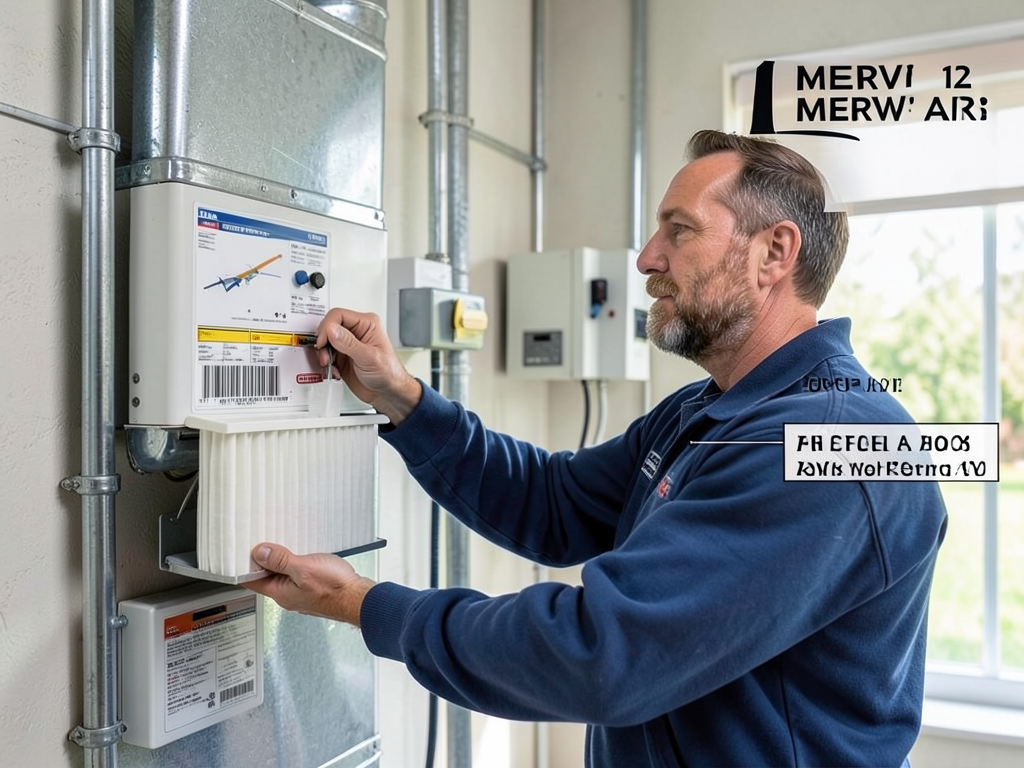
Standard HVAC filters typically use MERV 8 ratings which capture only larger particles. For severe allergy sufferers this level of filtration is insufficient. Upgrading to MERV 13 filters captures particles as small as 0.3 microns including most pollen mold spores and pet dander. Upgrading to a Smart Thermostat in Grandview Heights to Lower Your Electric Bill.
HEPA filtration represents the gold standard for allergy relief. These high efficiency particulate air filters capture 99.97% of particles 0.3 microns or larger. While traditional HVAC systems cannot accommodate true HEPA filters due to airflow restrictions whole home HEPA systems and portable units provide excellent supplemental filtration. EPA Asthma Information.
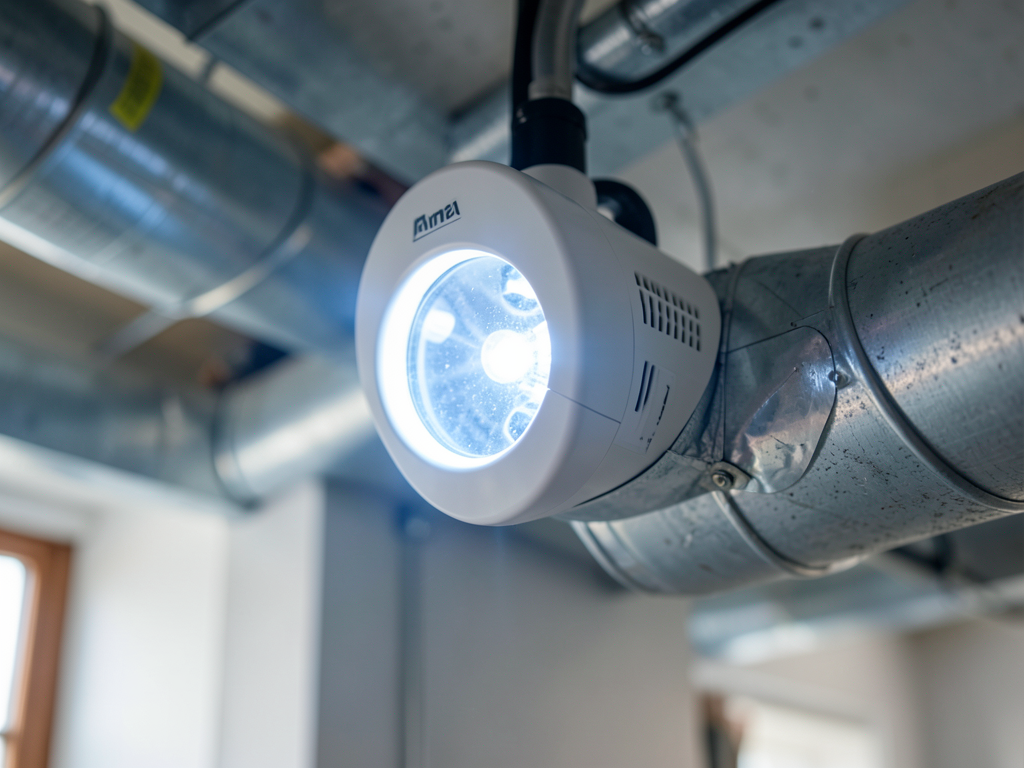
UV germicidal lights installed in your ductwork kill bacteria viruses and mold spores as air passes through. These lights work continuously providing 24/7 protection against biological contaminants. When combined with high quality filtration UV lights create a comprehensive defense system against allergens.
Whole home air purifiers like the iWave or REME HALO use ionization and oxidation to neutralize airborne contaminants. These systems actively clean the air rather than just filtering it. They are particularly effective against volatile organic compounds smoke and odors that can trigger allergy symptoms.
The Critical Role of Humidity Control
Columbus experiences high humidity levels throughout much of the year. This moisture creates ideal conditions for mold growth and dust mite populations. Maintaining proper humidity levels between 30% and 50% is essential for allergy management.
Whole home dehumidifiers work with your existing HVAC system to remove excess moisture from the air. Unlike portable dehumidifiers these systems treat your entire home maintaining consistent humidity levels in every room. This prevents mold growth in hidden areas like wall cavities and under flooring.
During winter months overly dry air can also trigger allergy symptoms by irritating nasal passages and respiratory systems. Some advanced HVAC systems include humidifiers that automatically adjust based on outdoor conditions and indoor humidity levels.
Proper humidity control also improves your HVAC system’s efficiency. When air is too humid your air conditioner must work harder to cool your home. This extra strain can lead to breakdowns and reduced lifespan of your equipment.
Maintenance Checklist for Allergy Season
Before spring allergy season hits implement a comprehensive maintenance routine. Start by replacing all air filters with MERV 13 rated filters. Check ductwork for leaks or damage that could allow unfiltered air to bypass your system.
Clean all supply and return vents removing accumulated dust and debris. Vacuum around your indoor unit to prevent dirt from being drawn into the system. Check condensate drains to ensure proper water removal preventing mold growth.
Schedule professional duct cleaning if you notice visible dust around vents or experience reduced airflow. Clean ducts can remove years of accumulated allergens mold and dust improving both air quality and system efficiency.
Test your system’s airflow using a simple tissue test. Hold a tissue near each supply vent. Strong consistent airflow indicates proper system operation. Weak or inconsistent airflow suggests duct issues or blower motor problems that need professional attention. Troubleshooting AC Issues.
Consider having your system’s coils cleaned. Dirty evaporator and condenser coils reduce efficiency and can harbor mold and bacteria. Professional coil cleaning improves both air quality and energy efficiency.
Understanding Local Allergen Sources
The Highbanks area sits in a unique geographical position that affects local allergen levels. The combination of river valleys wooded areas and urban development creates diverse pollen sources throughout the year. Oak and maple trees dominate early spring while ragweed takes over in late summer and fall.
Ohio EPA monitoring stations regularly report high pollen counts in Franklin County particularly during peak seasons. These counts often exceed national averages due to the region’s climate and vegetation patterns. Understanding these local patterns helps you prepare your home’s defenses accordingly.
Local construction and development can stir up additional allergens. Soil disruption releases mold spores and dust while new landscaping introduces different plant species. Homes near active construction sites may need additional filtration during these periods.
The Ohio River Valley’s geography creates temperature inversions that trap pollutants and allergens close to the ground. This effect is particularly pronounced in spring and fall when temperature differentials are greatest. Your HVAC system must work harder during these periods to maintain clean indoor air.
Professional HVAC Services for Allergy Relief
Professional HVAC technicians can perform specialized services that go beyond basic maintenance. Air quality testing identifies specific contaminants in your home allowing for targeted solutions. These tests measure particle counts VOC levels and humidity providing a complete picture of your indoor environment.
Duct leakage testing uses specialized equipment to measure how much conditioned air escapes through duct leaks. Even small leaks can allow unfiltered air to enter your system. Sealing these leaks improves both air quality and energy efficiency.
System performance testing ensures your HVAC equipment operates at peak efficiency. This includes checking refrigerant levels measuring airflow and verifying proper temperature differentials. A system operating below optimal efficiency cannot effectively filter and condition your air.
Many HVAC companies now offer indoor air quality assessments as part of their service offerings. These assessments evaluate your current system’s effectiveness and recommend specific upgrades based on your allergy symptoms and local conditions.
Frequently Asked Questions
How often should I change my air filter during allergy season?
During peak allergy seasons replace your MERV 13 filter every 30 to 45 days. Homes with pets or multiple allergy sufferers may need more frequent changes. Check filters monthly and replace when visibly dirty even if it has not been 30 days.
Can my HVAC system completely eliminate allergens?
While your HVAC system significantly reduces allergens it cannot eliminate them entirely. A comprehensive approach including proper filtration humidity control and regular cleaning provides the best protection. Some allergens like pet dander are continuously generated requiring ongoing management.
What MERV rating is best for allergy sufferers?
MERV 13 provides the best balance of filtration and airflow for most residential systems. Higher MERV ratings capture more particles but may restrict airflow in standard systems. Consult an HVAC professional before installing filters above MERV 13 to ensure your system can handle the increased resistance.
How do I know if my ducts need cleaning?
Signs your ducts need cleaning include visible dust around vents reduced airflow musty odors and unexplained allergy symptoms. If your home is over 10 years old and has never had duct cleaning it is likely time for professional service.
Are UV lights worth the investment for allergies?
UV lights provide excellent protection against biological contaminants like mold bacteria and viruses. They work continuously and require minimal maintenance. For severe allergy sufferers or homes with mold issues UV lights offer significant benefits that justify the initial investment.
Creating Your Allergy Management Strategy
Managing seasonal allergies requires a comprehensive approach that combines HVAC improvements with other strategies. Start by upgrading your filtration system and maintaining proper humidity levels. Then address other factors like regular cleaning and minimizing outdoor allergen entry.
Keep windows closed during high pollen days particularly during morning hours when counts are highest. Use high quality door mats and remove shoes at entryways to prevent tracking allergens inside. Regular vacuuming with HEPA filtered vacuums removes allergens from carpets and upholstery.
Consider creating an allergy free zone in your bedroom where you spend significant time. Use portable HEPA air purifiers in this space for additional protection. Wash bedding weekly in hot water to kill dust mites and remove allergens. Where to Find 24 Hour Emergency HVAC Help Anywhere in Columbus.
Monitor local pollen forecasts and adjust your home’s defenses accordingly. On high pollen days run your HVAC system on fan only mode to continuously filter indoor air without introducing additional outdoor allergens through cooling cycles.
Remember that managing allergies is an ongoing process not a one time fix. Regular maintenance combined with strategic upgrades provides the best long term protection against seasonal allergens.
Take Action Against Seasonal Allergies Today
Living with severe seasonal allergies does not mean you must suffer through every spring and fall. Your HVAC system provides powerful tools for managing indoor air quality but only if properly equipped and maintained. The right combination of filtration humidity control and professional service can transform your home into a sanctuary from outdoor allergens.
Start by scheduling a professional HVAC inspection to assess your current system’s effectiveness. A qualified technician can recommend specific upgrades based on your symptoms local conditions and system capabilities. Many companies offer indoor air quality assessments that identify exact problems and solutions.
Consider the long term benefits of investing in your home’s air quality. Reduced allergy symptoms mean better sleep fewer missed work days and improved overall health. The initial investment in proper filtration and humidity control often pays for itself through reduced medical costs and improved quality of life.
Call (380) 253-3188 today to schedule your professional HVAC inspection and take the first step toward managing your seasonal allergies effectively. Our experienced technicians understand the unique challenges of the Highbanks area and can recommend solutions tailored to your specific needs. Why Your Westerville AC Needs a Tune Up Before the Humidity Hits.
Stop letting seasonal allergies control your life. With the right HVAC system and professional support you can enjoy your home year round regardless of what is happening outside. Your journey to better indoor air quality starts with a single phone call. For more information, visit ASHRAE Indoor Air Quality Standards.
{
“@context”: “https://schema.org”,
“@type”: “BlogPosting”,
“headline”: “Managing Severe Seasonal Allergies with Your HVAC System in the Highbanks Area”,
“description”: “Severe seasonal allergies in Highbanks can be managed with the right HVAC solutions. Learn how MERV 13 filters, UV lights, and humidity control protect your indoor air quality.”,
“wordCount”: 1862,
“datePublished”: “2026-05-18T07:50:00.000Z”,
“dateModified”: “2026-05-18T07:50:00.000Z”,
“inLanguage”: “en-US”,
“mainEntityOfPage”: {
“@type”: “WebPage”,
“@id”: “https://grandhvaccolumbus.com”
},
“publisher”: {
“@type”: “LocalBusiness”,
“name”: “Grand HVAC Columbus”,
“url”: “https://grandhvaccolumbus.com”
},
“author”: {
“@type”: “Organization”,
“name”: “Grand HVAC Columbus”,
“url”: “https://grandhvaccolumbus.com”
},
“image”: {
“@type”: “ImageObject”,
“url”: “https://grandhvaccolumbus.com/wp-content/uploads/2026/03/managing-severe-seasonal-allergies-with-your-hvac-1.png”
}
}
{
“@context”: “https://schema.org”,
“@type”: “HVACBusiness”,
“name”: “Grand HVAC Columbus”,
“url”: “https://grandhvaccolumbus.com”,
“address”: {
“@type”: “PostalAddress”,
“addressLocality”: “Columbus”
},
“areaServed”: {
“@type”: “City”,
“name”: “Columbus”
}
}
{
“@context”: “https://schema.org”,
“@type”: “FAQPage”,
“mainEntity”: [
{
“@type”: “Question”,
“name”: “How often should I change my air filter during allergy season?”,
“acceptedAnswer”: {
“@type”: “Answer”,
“text”: “During peak allergy seasons replace your MERV 13 filter every 30 to 45 days. Homes with pets or multiple allergy sufferers may need more frequent changes. Check filters monthly and replace when visibly dirty even if it has not been 30 days.”
}
},
{
“@type”: “Question”,
“name”: “Can my HVAC system completely eliminate allergens?”,
“acceptedAnswer”: {
“@type”: “Answer”,
“text”: “While your HVAC system significantly reduces allergens it cannot eliminate them entirely. A comprehensive approach including proper filtration humidity control and regular cleaning provides the best protection. Some allergens like pet dander are continuously generated requiring ongoing management.”
}
},
{
“@type”: “Question”,
“name”: “What MERV rating is best for allergy sufferers?”,
“acceptedAnswer”: {
“@type”: “Answer”,
“text”: “MERV 13 provides the best balance of filtration and airflow for most residential systems. Higher MERV ratings capture more particles but may restrict airflow in standard systems. Consult an HVAC professional before installing filters above MERV 13 to ensure your system can handle the increased resistance.”
}
},
{
“@type”: “Question”,
“name”: “How do I know if my ducts need cleaning?”,
“acceptedAnswer”: {
“@type”: “Answer”,
“text”: “Signs your ducts need cleaning include visible dust around vents reduced airflow musty odors and unexplained allergy symptoms. If your home is over 10 years old and has never had duct cleaning it is likely time for professional service.”
}
},
{
“@type”: “Question”,
“name”: “Are UV lights worth the investment for allergies?”,
“acceptedAnswer”: {
“@type”: “Answer”,
“text”: “UV lights provide excellent protection against biological contaminants like mold bacteria and viruses. They work continuously and require minimal maintenance. For severe allergy sufferers or homes with mold issues UV lights offer significant benefits that justify the initial investment.”
}
}
]
}
{
“@context”: “https://schema.org”,
“@type”: “BreadcrumbList”,
“itemListElement”: [
{
“@type”: “ListItem”,
“position”: 1,
“name”: “Home”,
“item”: “https://grandhvaccolumbus.com”
},
{
“@type”: “ListItem”,
“position”: 2,
“name”: “Blog”,
“item”: “https://grandhvaccolumbus.com/blog”
},
{
“@type”: “ListItem”,
“position”: 3,
“name”: “Managing Severe Seasonal Allergies with Your HVAC System in the Highbanks Area”
}
]
}
{
“@context”: “https://schema.org”,
“@type”: “Service”,
“serviceType”: “HVAC”,
“provider”: {
“@type”: “LocalBusiness”,
“name”: “Grand HVAC Columbus”,
“url”: “https://grandhvaccolumbus.com”
},
“areaServed”: {
“@type”: “City”,
“name”: “Columbus”
},
“description”: “Severe seasonal allergies in Highbanks can be managed with the right HVAC solutions. Learn how MERV 13 filters, UV lights, and humidity control protect your indoor air quality.”
}