
Moving Your AC Unit to Make Room for a New Deck or Patio in Franklin Park
Moving an air conditioning condenser is not a weekend DIY project. In Franklin Park, where homes sit on narrow lots and outdoor living spaces are at a premium, relocating your AC unit is often the only way to fit a new deck or patio without blocking airflow or creating a code violation. The process involves refrigerant recovery, electrical rewiring, line set extension, and a new concrete pad—all under Franklin County permit requirements. A licensed HVAC contractor handles every step to protect your system’s efficiency, warranty, and your family’s safety. Franklin County Building Department.
Why Relocating Your AC Unit Is More Than Just Muscle Work
An AC condenser is a sealed system. Moving it means breaking that seal to recover refrigerant, extending copper lines, and pulling a vacuum to remove moisture before recharging. In Franklin Park’s humid summers, even a small amount of moisture in the lines can freeze the evaporator coil and destroy the compressor. The electrical disconnect must be moved and re-rated if the new location requires a longer wire run. Skipping any of these steps voids the manufacturer’s warranty and risks a $10,000+ replacement.. Read more about Identifying Red Flags Before You Hire a Columbus HVAC Contractor.
Franklin County Permit Requirements for HVAC Relocation
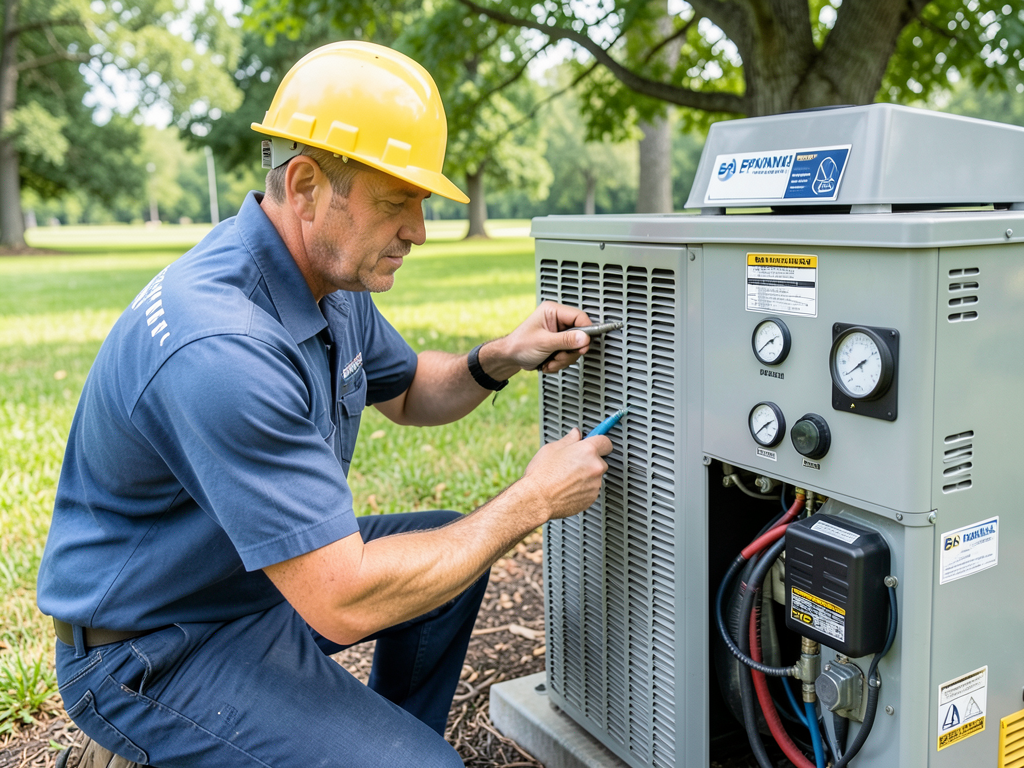
Franklin County Building Department requires a mechanical permit for any condenser move. The permit ensures the new location meets setback rules—typically five feet from property lines and ten feet from any bedroom window to control noise. In Franklin Park, many homes are close to Big Walnut Creek, so the permit office also checks for flood plain compliance. Permit fees start around $85 and take three to five business days to process. Work without a permit can result in stop-work orders and double fees. EPA Section 608 certification.
Cost Breakdown for Moving an AC Unit in Franklin Park
Relocation costs depend on distance, refrigerant type, and electrical changes. Most Franklin Park jobs fall in the $1,200 to $2,800 range. Here’s a typical cost breakdown:
| Item | Low | Average | High |
|---|---|---|---|
| Refrigerant recovery & recharge | $150 | $250 | $400 |
| Copper line set extension (per foot) | $15 | $25 | $40 |
| Electrical disconnect move | $100 | $175 | $300 |
| Concrete pad (4-inch thick) | $75 | $125 | $200 |
| Mechanical permit | $85 | $85 | $85 |
Step-by-Step Relocation Process
- Site Assessment
Technician measures line set length, checks electrical panel capacity, and marks the new pad location to meet code setbacks.
- Permit Application
Submit mechanical permit with site plan to Franklin County Building Department.
- Refrigerant Recovery
Connect recovery machine to capture R-410A or R-32 into a certified recovery cylinder; this prevents atmospheric release, which is illegal under EPA Section 608.
- Disconnect and Move
Shut off power, cut and cap refrigerant lines, disconnect wiring, and lift the condenser onto a dolly.
- Install New Pad
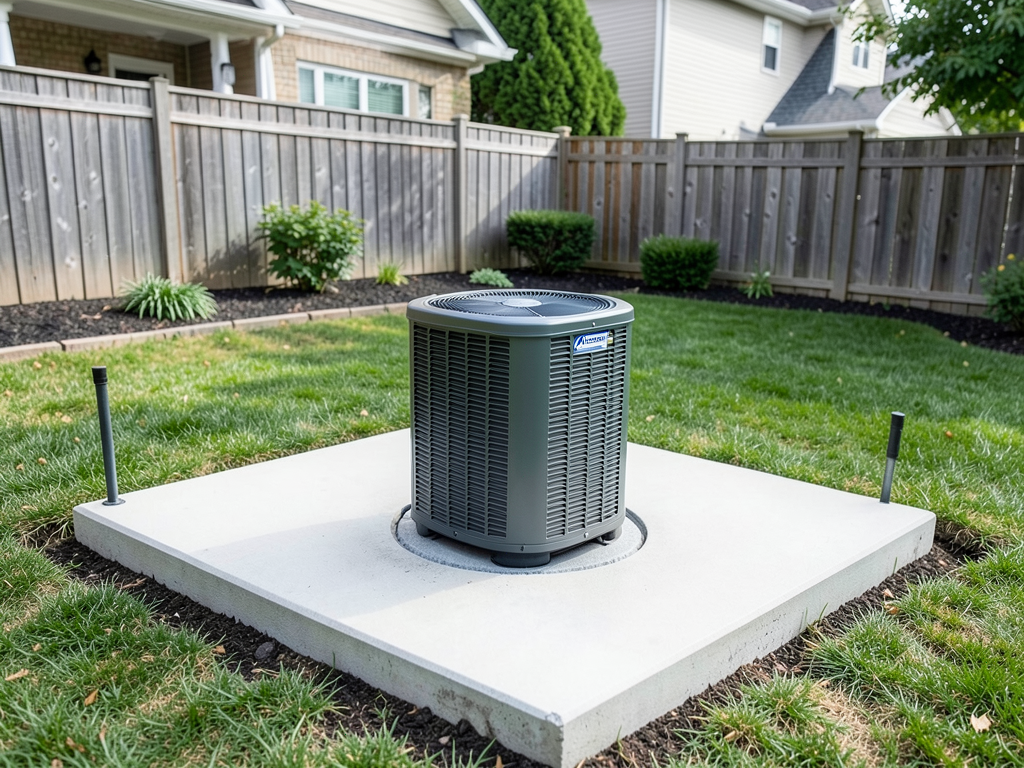
Pour a level 4-inch concrete pad or set a composite pad rated for the condenser’s weight.
- Line Set Extension
Solder new copper tubing with silver-phosphorus rod; longer runs increase refrigerant charge and may require a TXV adjustment.
- Vacuum and Recharge
Pull a 500-micron vacuum for at least 15 minutes, then recharge to manufacturer’s pressure specs.
- Electrical Reconnect
Install new whip and connect to the disconnect box; verify amperage draw matches the condenser’s nameplate.
- Test and Balance
Run the system for 15 minutes, check superheat/subcooling, and confirm delta T across the coil.
Common Mistakes That Cost More Later
Skipping vacuum time lets moisture freeze inside the lines, causing the compressor to fail within months. Using undersized copper tubing increases pressure drop and reduces SEER rating by up to 2 points. Placing the unit where the deck blocks 50% of the airflow can raise energy bills 15% and shorten compressor life by half. In Franklin Park, where summer humidity often exceeds 80%, poor placement also encourages algae growth in the condensate drain, leading to water damage under the deck. Where to Find 24 Hour Emergency HVAC Help Anywhere in Columbus.
DIY vs. Professional Relocation
Only EPA Section 608-certified technicians can legally recover refrigerant. DIY attempts often result in venting, which carries fines up to $37,500 per day. Homeowners also risk personal injury from high-pressure lines and electrical shock. Professional relocation includes a warranty on labor and parts, plus the peace of mind that the system will run at factory efficiency.
Impact on Home Value and Outdoor Living
A properly placed condenser can actually improve your deck or patio experience. Positioning it away from seating areas reduces noise by 5-10 dB. Routing refrigerant lines through an unfinished basement instead of along an exterior wall keeps the look clean and preserves curb appeal. In Franklin Park’s competitive market, a seamless integration of HVAC and outdoor design can add perceived value when buyers compare similar homes.
Frequently Asked Questions
How long does a typical relocation take?
Most jobs finish in one to two days: one day for prep, move, and new pad; a second day for line extension, vacuum, and final test.
Will my AC warranty still be valid after moving?
Yes, if a licensed HVAC contractor performs the work and documents refrigerant charge and vacuum levels. DIY moves void the warranty immediately.
Can I move the unit to the roof instead of the ground?
Roof installs require structural engineering review and a different permit type. In Franklin Park, ground relocation is usually simpler and less expensive unless roof access is the only option.
What if my new deck is being built at the same time?
Coordinate with your deck builder. The HVAC crew should move the unit before deck footings are poured to avoid cutting concrete later.
Do I need a new pad if I move just a few feet?
Yes. The old pad will be damaged during removal, and the new location must have a level, code-compliant base to prevent vibration and water pooling.
How do I know if my electrical panel can handle the move?
A technician checks the panel’s available amperage and wire gauge. If the new run exceeds 50 feet, a larger wire size may be required to prevent voltage drop.
Call (380) 253-3188 Today to Schedule Your AC Relocation
Don’t let your dream deck or patio wait because of an awkwardly placed condenser. Call (380) 253-3188 today to schedule a site assessment. We’ll handle the permits, the refrigerant recovery, and the final test so your system runs like new in its new spot. Pick up the phone now before the next heat wave hits Franklin Park.
{
“@context”: “https://schema.org”,
“@type”: “BlogPosting”,
“headline”: “Moving Your AC Unit to Make Room for a New Deck or Patio in Franklin Park”,
“description”: “Planning a deck or patio in Franklin Park? Learn the costs, permits, and technical steps to safely relocate your AC unit without damaging your system or violating Columbus codes.”,
“wordCount”: 1066,
“datePublished”: “2026-04-25T08:41:00.000Z”,
“dateModified”: “2026-04-25T08:41:00.000Z”,
“inLanguage”: “en-US”,
“mainEntityOfPage”: {
“@type”: “WebPage”,
“@id”: “https://grandhvaccolumbus.com”
},
“publisher”: {
“@type”: “LocalBusiness”,
“name”: “Grand HVAC Columbus”,
“url”: “https://grandhvaccolumbus.com”
},
“author”: {
“@type”: “Organization”,
“name”: “Grand HVAC Columbus”,
“url”: “https://grandhvaccolumbus.com”
},
“image”: {
“@type”: “ImageObject”,
“url”: “https://grandhvaccolumbus.com/wp-content/uploads/2026/03/moving-your-ac-unit-to-make-room-for-a-new-deck-or-1.png”
}
}
{
“@context”: “https://schema.org”,
“@type”: “HVACBusiness”,
“name”: “Grand HVAC Columbus”,
“url”: “https://grandhvaccolumbus.com”,
“address”: {
“@type”: “PostalAddress”,
“addressLocality”: “Columbus”
},
“areaServed”: {
“@type”: “City”,
“name”: “Columbus”
}
}
{
“@context”: “https://schema.org”,
“@type”: “FAQPage”,
“mainEntity”: [
{
“@type”: “Question”,
“name”: “How long does a typical relocation take?”,
“acceptedAnswer”: {
“@type”: “Answer”,
“text”: “Most jobs finish in one to two days: one day for prep, move, and new pad; a second day for line extension, vacuum, and final test.”
}
},
{
“@type”: “Question”,
“name”: “Will my AC warranty still be valid after moving?”,
“acceptedAnswer”: {
“@type”: “Answer”,
“text”: “Yes, if a licensed HVAC contractor performs the work and documents refrigerant charge and vacuum levels. DIY moves void the warranty immediately.”
}
},
{
“@type”: “Question”,
“name”: “What if my new deck is being built at the same time?”,
“acceptedAnswer”: {
“@type”: “Answer”,
“text”: “Coordinate with your deck builder. The HVAC crew should move the unit before deck footings are poured to avoid cutting concrete later.”
}
},
{
“@type”: “Question”,
“name”: “Do I need a new pad if I move just a few feet?”,
“acceptedAnswer”: {
“@type”: “Answer”,
“text”: “Yes. The old pad will be damaged during removal, and the new location must have a level, code-compliant base to prevent vibration and water pooling.”
}
},
{
“@type”: “Question”,
“name”: “How do I know if my electrical panel can handle the move?”,
“acceptedAnswer”: {
“@type”: “Answer”,
“text”: “A technician checks the panel’s available amperage and wire gauge. If the new run exceeds 50 feet, a larger wire size may be required to prevent voltage drop.”
}
}
]
}
{
“@context”: “https://schema.org”,
“@type”: “HowTo”,
“name”: “How to Relocate an AC Unit”,
“step”: [
{
“@type”: “HowToStep”,
“position”: 1,
“name”: “Site Assessment”,
“text”: “Technician measures line set length, checks electrical panel capacity, and marks the new pad location to meet code setbacks.”
},
{
“@type”: “HowToStep”,
“position”: 2,
“name”: “Permit Application”,
“text”: “Submit mechanical permit with site plan to Franklin County Building Department.”
},
{
“@type”: “HowToStep”,
“position”: 3,
“name”: “Refrigerant Recovery”,
“text”: “Connect recovery machine to capture R-410A or R-32 into a certified recovery cylinder; this prevents atmospheric release, which is illegal under EPA Section 608.”
},
{
“@type”: “HowToStep”,
“position”: 4,
“name”: “Disconnect and Move”,
“text”: “Shut off power, cut and cap refrigerant lines, disconnect wiring, and lift the condenser onto a dolly.”
},
{
“@type”: “HowToStep”,
“position”: 5,
“name”: “Install New Pad”,
“text”: “Pour a level 4-inch concrete pad or set a composite pad rated for the condenser’s weight.”
},
{
“@type”: “HowToStep”,
“position”: 6,
“name”: “Line Set Extension”,
“text”: “Solder new copper tubing with silver-phosphorus rod; longer runs increase refrigerant charge and may require a TXV adjustment.”
},
{
“@type”: “HowToStep”,
“position”: 7,
“name”: “Vacuum and Recharge”,
“text”: “Pull a 500-micron vacuum for at least 15 minutes, then recharge to manufacturer’s pressure specs.”
},
{
“@type”: “HowToStep”,
“position”: 8,
“name”: “Electrical Reconnect”,
“text”: “Install new whip and connect to the disconnect box; verify amperage draw matches the condenser’s nameplate.”
},
{
“@type”: “HowToStep”,
“position”: 9,
“name”: “Test and Balance”,
“text”: “Run the system for 15 minutes, check superheat/subcooling, and confirm delta T across the coil.”
}
],
“image”: “https://grandhvaccolumbus.com/wp-content/uploads/2026/03/moving-your-ac-unit-to-make-room-for-a-new-deck-or-1.png”
}
{
“@context”: “https://schema.org”,
“@type”: “BreadcrumbList”,
“itemListElement”: [
{
“@type”: “ListItem”,
“position”: 1,
“name”: “Home”,
“item”: “https://grandhvaccolumbus.com”
},
{
“@type”: “ListItem”,
“position”: 2,
“name”: “Blog”,
“item”: “https://grandhvaccolumbus.com/blog”
},
{
“@type”: “ListItem”,
“position”: 3,
“name”: “Moving Your AC Unit to Make Room for a New Deck or Patio in Franklin Park”
}
]
}
{
“@context”: “https://schema.org”,
“@type”: “Service”,
“serviceType”: “HVAC”,
“provider”: {
“@type”: “LocalBusiness”,
“name”: “Grand HVAC Columbus”,
“url”: “https://grandhvaccolumbus.com”
},
“areaServed”: {
“@type”: “City”,
“name”: “Columbus”
},
“description”: “Planning a deck or patio in Franklin Park? Learn the costs, permits, and technical steps to safely relocate your AC unit without damaging your system or violating Columbus codes.”
}