
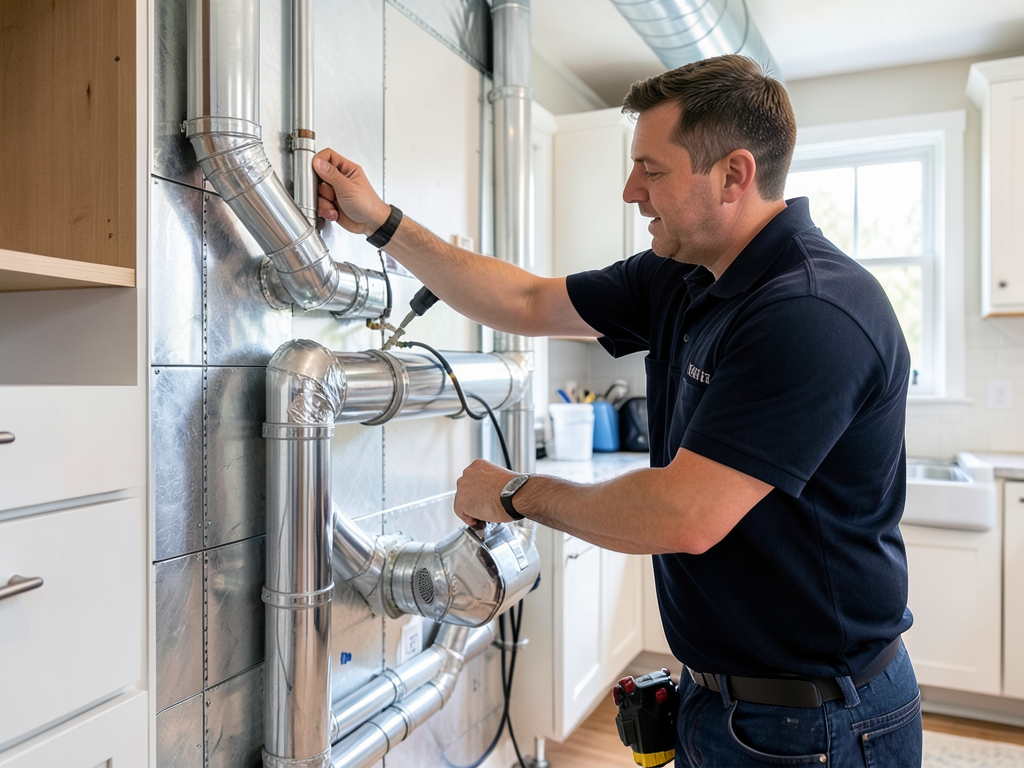
Moving Your Air Vents During a Major Kitchen Renovation in Upper Arlington
Planning to move walls and reconfigure your kitchen layout in Upper Arlington? You’ll likely need to relocate HVAC vents to maintain proper airflow and comfort. This guide explains the technical requirements, building codes, and cost factors specific to Central Ohio homes before you break ground. Ohio Mechanical Code requirements.
Why Moving Vents is More Than Just Rerouting Pipes
Airflow in your home follows specific physics. When you move a vent, you’re not just changing its location—you’re altering the entire duct system’s static pressure. This affects how much conditioned air reaches each room. In older Upper Arlington homes built before 1980, ductwork was often undersized for modern HVAC equipment, making vent relocation even more complex.. Read more about Venting and Airflow Challenges for a Small German Village Carriage House.
Static pressure measures resistance in your duct system. Moving a vent without proper calculations can create pressure imbalances that reduce efficiency by 15-30%. This means your system works harder, your energy bills increase, and some rooms feel too hot or cold.
Common structural obstacles in Upper Arlington homes include load-bearing headers above kitchen windows, floor joists that can’t be cut, and existing plumbing lines. A professional assessment identifies these before demolition begins.
Upper Arlington’s building codes require permits for any HVAC modifications. The Franklin County Building Department mandates compliance with the Ohio Mechanical Code, specifically Section 604 for duct design and Section 608 for refrigerant handling. EPA refrigerant handling regulations.
Common Scenarios for Vent Relocation (Kitchens, Basements, and Additions)
Kitchen remodels represent 60% of vent relocation projects in Upper Arlington. Homeowners typically want to remove ceiling vents that interfere with new lighting plans or relocate floor vents that will be covered by new cabinetry.
Basement finishing projects often require adding supply and return vents to unconditioned spaces. These additions must connect to existing trunk lines without creating pressure drops that affect upstairs comfort.
Home additions need entirely new duct runs. The challenge is connecting to the main system without overloading it. A Manual J load calculation determines if your current equipment can handle the additional square footage.
Supply vents deliver conditioned air to rooms. Return vents pull air back to the HVAC unit for reconditioning. Moving supply vents without corresponding return adjustments creates negative pressure that can pull contaminants from attics or crawl spaces into your living areas.
Floor vents in kitchens often conflict with new island designs or appliance placements. Ceiling vents may interfere with planned recessed lighting or range hood installations. Each scenario requires different approaches based on your home’s construction.
Key Factors Impacting the Cost of Relocating Air Ducts
Several factors determine the final cost of vent relocation. Labor typically represents 60-70% of the total expense, while materials account for the remainder.
Duct length affects both material costs and system efficiency. Longer runs require larger diameter ducts to maintain proper CFM (Cubic Feet per Minute) airflow. A 10-foot run might need 6-inch duct, while a 25-foot run requires 8-inch duct for the same airflow.
Access difficulty significantly impacts labor time. Running ducts through finished walls takes 3-4 times longer than through open wall cavities. Ceiling access often requires removing drywall, adding repair costs.
Material selection affects both cost and performance. Flexible duct costs less but creates more airflow resistance than rigid sheet metal. In Upper Arlington’s humid climate, rigid ducts resist moisture buildup better than flexible options.
Permit fees in Franklin County range from $75-150 for residential HVAC modifications. Inspections ensure work meets code requirements and protect your investment.
Structural modifications add significant costs. Cutting load-bearing walls requires engineering approval and proper header installation. This can add $500-2,000 to a project depending on wall size and required support.
Understanding Columbus Building Codes for HVAC Modifications
The Ohio Mechanical Code, adopted by Franklin County, governs all HVAC work. Section 604.4 requires proper duct sizing based on room CFM requirements. Undersized ducts create noise and reduce efficiency.
Section 608 of the Clean Air Act requires EPA certification for refrigerant handling. Any work involving refrigerant lines must be performed by certified technicians to prevent environmental damage.
Upper Arlington has specific requirements for outdoor unit placement. Units must maintain minimum distances from property lines and cannot obstruct emergency egress windows. The city’s zoning code also limits noise levels from outdoor equipment. Where to Find 24 Hour Emergency HVAC Help Anywhere in Columbus.
Fire blocking requirements affect duct routing through walls. Section 717.2 of the Residential Code mandates fire-resistant materials where ducts penetrate floor or ceiling assemblies in multi-story homes.
Energy code compliance affects duct insulation requirements. Franklin County follows the 2017 Ohio Energy Code, which mandates R-6 insulation for supply ducts in unconditioned spaces.
Permits are required for any work that changes the duct system’s configuration. This includes adding, removing, or relocating vents. Work without permits can result in fines and may void your homeowner’s insurance.
Supply vs. Return Vents: Why the Distinction Matters
Supply vents push conditioned air into rooms. Return vents pull air back to the HVAC system. This creates the continuous circulation necessary for proper temperature control.
Supply vent placement affects room comfort. In kitchens, supply vents should avoid direct airflow across cooking surfaces to prevent uneven heating. Ceiling placement often works better than floor placement for kitchen applications.
Return vent location impacts system efficiency. Central returns in hallways allow air to circulate naturally through open doors. Bedrooms often need dedicated returns to prevent pressure imbalances when doors are closed.
Moving a supply vent without adjusting returns creates negative pressure. This can pull air from unintended sources like attics, crawl spaces, or wall cavities, introducing dust and allergens into your home.
Return vents require larger duct sizes than supply vents. A typical bedroom might need a 6-inch supply duct but requires an 8-inch return duct for proper airflow balance.
Kitchen remodels often benefit from adding a dedicated return vent. This prevents cooking odors from circulating through the entire house and maintains proper pressure balance when range hoods create negative pressure.
Step-by-Step: The Professional Process of HVAC Rerouting
Professional vent relocation follows a systematic process to ensure proper function and code compliance.
Initial Assessment: A certified technician evaluates your current system, measures static pressure, and reviews your renovation plans. This identifies potential conflicts and determines if your equipment can handle the changes.
Load Calculation: Using Manual J methodology, technicians calculate the heating and cooling requirements for each room. This determines proper duct sizing and vent placement for optimal comfort.
Permit Acquisition: The contractor obtains necessary permits from Franklin County, ensuring all work meets local code requirements.
Duct Design: Engineers create detailed plans showing new duct routes, vent locations, and connections to existing systems. This includes static pressure calculations to verify system performance.
Demolition Preparation: Before cutting into walls or ceilings, technicians locate existing utilities using specialized scanning equipment to avoid damaging electrical, plumbing, or structural components.
Installation: New ducts are installed using appropriate materials and techniques. All connections are sealed with mastic or approved tape to prevent air leakage.
Testing and Balancing: After installation, technicians measure airflow at each vent using an anemometer. Dampers are adjusted to ensure even distribution throughout the home.
Final Inspection: County inspectors verify code compliance before the system is put into regular service.
This process typically takes 2-4 days for a standard kitchen remodel, depending on complexity and accessibility.
Cost Considerations for Upper Arlington Homeowners
Vent relocation costs in Upper Arlington typically range from $800-3,500 per vent, depending on complexity. Simple ceiling-to-ceiling moves in open wall cavities cost less than moves requiring structural modifications.
Material costs include ducting ($5-15 per linear foot), registers and grilles ($20-100 each), and insulation ($1-3 per linear foot). Labor rates in Franklin County average $85-125 per hour.
Permit fees add $75-150 to most projects. Inspection fees may apply if multiple inspections are required.
Unexpected costs can arise from discovering asbestos in old duct insulation, encountering load-bearing walls that require engineering, or finding inadequate existing ductwork that needs upgrading. Why Your Westerville AC Needs a Tune Up Before the Humidity Hits.
Many homeowners combine vent relocation with other HVAC upgrades like zoning system installation or air quality improvements. These bundled projects often provide better value than addressing issues separately. Improving the Air Quality in Your Older Clintonville Home.
Financing options are available through many HVAC contractors. Some offer 12-18 month same-as-cash plans for larger projects, making upgrades more affordable for renovation budgets.
Impact on System Efficiency and Home Comfort
Properly relocated vents can improve your HVAC system’s efficiency by 10-20%. This translates to lower energy bills and more consistent comfort throughout your home.
Upper Arlington’s climate creates specific challenges. Summer humidity requires proper return air placement to prevent mold growth. Winter cold spots in older homes often result from inadequate duct sizing or poor vent placement.
Modern zoning systems allow different temperature settings for various home areas. This is particularly useful for multi-story homes where heat rises to upper floors.
Smart thermostats can optimize vent operation based on occupancy patterns and outdoor conditions. Some systems automatically adjust dampers to direct more air to occupied rooms. Upgrading to a Smart Thermostat in Grandview Heights to Lower Your Electric Bill.
Air quality improvements often accompany vent relocation. Adding proper filtration and ensuring adequate return air reduces dust and allergens throughout your home.
Noise reduction is another benefit of proper vent placement. Well-designed systems operate quietly, while poorly designed systems can create whistling or rattling sounds.
Long-term system reliability improves with proper duct design. Reduced static pressure means less strain on blowers and compressors, potentially extending equipment life by several years.
Choosing the Right HVAC Professional
Not all HVAC contractors have the expertise for complex vent relocation. Look for NATE certification, which indicates advanced training in system design and installation.
Experience with Upper Arlington homes is valuable. Local contractors understand common construction methods and code requirements specific to the area.
Insurance coverage protects you from liability. Verify that contractors carry both liability and workers’ compensation insurance before work begins.
References from recent projects provide insight into work quality and customer service. Ask to see photos of similar vent relocation projects they’ve completed.
Detailed written estimates should include all costs, permit requirements, and project timelines. Avoid contractors who provide verbal quotes or refuse to put details in writing.
Warranty coverage varies by contractor. Look for at least one year on labor and the manufacturer’s warranty on materials.
Communication throughout the project prevents surprises. Good contractors keep you informed about progress and any issues that arise during installation. Troubleshooting AC Issues.
Call (380) 253-3188 today to schedule your inspection. Our NATE-certified technicians understand Upper Arlington’s unique HVAC challenges and can ensure your kitchen renovation includes proper ventilation planning.
Frequently Asked Questions
How long does vent relocation take during a kitchen remodel?
Most vent relocations take 2-4 days, depending on complexity. Simple moves might be completed in one day, while projects requiring structural modifications can take longer.
Do I need permits to move HVAC vents in Upper Arlington?
Yes, Franklin County requires permits for any HVAC modifications that change the duct system configuration. This includes adding, removing, or relocating vents.
Can I move vents myself to save money?
DIY vent relocation is not recommended. Improper installation can create safety hazards, reduce system efficiency, and violate building codes. Professional installation ensures proper function and code compliance.
How much does it cost to relocate one HVAC vent?
Costs typically range from $800-3,500 per vent in Upper Arlington, depending on complexity, materials needed, and whether structural modifications are required.
Will moving vents affect my energy bills?
Properly relocated vents can actually reduce energy bills by 10-20% through improved system efficiency. However, poorly designed changes can increase energy consumption.
What happens if I don’t get permits for vent relocation?
Working without permits can result in fines, failed inspections, and may void your homeowner’s insurance. It can also cause problems when selling your home in the future.
Should I upgrade my entire HVAC system during a kitchen remodel?
If your system is over 10-15 years old or undersized for your home, upgrading during a remodel can be cost-effective. A professional assessment can determine if replacement makes sense.
How do I know if my current HVAC can handle the changes?
A Manual J load calculation performed by a certified technician will determine if your current equipment can handle the modified duct system and any additional square footage.
What’s the difference between flexible and rigid duct for vent relocation?
Flexible duct costs less but creates more airflow resistance. Rigid duct provides better airflow and resists moisture buildup, making it preferable for most applications in Upper Arlington’s humid climate.
How soon should I schedule HVAC work during my kitchen renovation?
Schedule HVAC work after demolition but before final finishes. This allows proper installation without damaging new materials and ensures your kitchen design accommodates the new vent locations.
Call (380) 253-3188 before the next storm hits. Our team provides 24/7 emergency service for HVAC issues that arise during renovations. Don’t let ventilation problems delay your kitchen completion date.
{
“@context”: “https://schema.org”,
“@type”: “BlogPosting”,
“headline”: “Moving Your Air Vents During a Major Kitchen Renovation in Upper Arlington”,
“description”: “Learn how to relocate HVAC vents during your Upper Arlington kitchen remodel. Expert guide covering permits, costs, and airflow impact for Central Ohio homes.”,
“wordCount”: 2174,
“datePublished”: “2026-06-09T13:08:00.000Z”,
“dateModified”: “2026-06-09T13:08:00.000Z”,
“inLanguage”: “en-US”,
“mainEntityOfPage”: {
“@type”: “WebPage”,
“@id”: “https://grandhvaccolumbus.com”
},
“publisher”: {
“@type”: “LocalBusiness”,
“name”: “Grand HVAC Columbus”,
“url”: “https://grandhvaccolumbus.com”
},
“author”: {
“@type”: “Organization”,
“name”: “Grand HVAC Columbus”,
“url”: “https://grandhvaccolumbus.com”
},
“image”: {
“@type”: “ImageObject”,
“url”: “https://grandhvaccolumbus.com/wp-content/uploads/2026/03/moving-your-air-vents-during-a-major-kitchen-renov-1.png”
}
}
{
“@context”: “https://schema.org”,
“@type”: “HVACBusiness”,
“name”: “Grand HVAC Columbus”,
“url”: “https://grandhvaccolumbus.com”,
“address”: {
“@type”: “PostalAddress”,
“addressLocality”: “Columbus”
},
“areaServed”: {
“@type”: “City”,
“name”: “Columbus”
}
}
{
“@context”: “https://schema.org”,
“@type”: “FAQPage”,
“mainEntity”: [
{
“@type”: “Question”,
“name”: “How long does vent relocation take during a kitchen remodel?”,
“acceptedAnswer”: {
“@type”: “Answer”,
“text”: “Most vent relocations take 2-4 days, depending on complexity. Simple moves might be completed in one day, while projects requiring structural modifications can take longer.”
}
},
{
“@type”: “Question”,
“name”: “Do I need permits to move HVAC vents in Upper Arlington?”,
“acceptedAnswer”: {
“@type”: “Answer”,
“text”: “Yes, Franklin County requires permits for any HVAC modifications that change the duct system configuration. This includes adding, removing, or relocating vents.”
}
},
{
“@type”: “Question”,
“name”: “Can I move vents myself to save money?”,
“acceptedAnswer”: {
“@type”: “Answer”,
“text”: “DIY vent relocation is not recommended. Improper installation can create safety hazards, reduce system efficiency, and violate building codes. Professional installation ensures proper function and code compliance.”
}
},
{
“@type”: “Question”,
“name”: “How much does it cost to relocate one HVAC vent?”,
“acceptedAnswer”: {
“@type”: “Answer”,
“text”: “Costs typically range from $800-3,500 per vent in Upper Arlington, depending on complexity, materials needed, and whether structural modifications are required.”
}
},
{
“@type”: “Question”,
“name”: “Will moving vents affect my energy bills?”,
“acceptedAnswer”: {
“@type”: “Answer”,
“text”: “Properly relocated vents can actually reduce energy bills by 10-20% through improved system efficiency. However, poorly designed changes can increase energy consumption.”
}
},
{
“@type”: “Question”,
“name”: “What happens if I don’t get permits for vent relocation?”,
“acceptedAnswer”: {
“@type”: “Answer”,
“text”: “Working without permits can result in fines, failed inspections, and may void your homeowner’s insurance. It can also cause problems when selling your home in the future.”
}
},
{
“@type”: “Question”,
“name”: “Should I upgrade my entire HVAC system during a kitchen remodel?”,
“acceptedAnswer”: {
“@type”: “Answer”,
“text”: “If your system is over 10-15 years old or undersized for your home, upgrading during a remodel can be cost-effective. A professional assessment can determine if replacement makes sense.”
}
},
{
“@type”: “Question”,
“name”: “How do I know if my current HVAC can handle the changes?”,
“acceptedAnswer”: {
“@type”: “Answer”,
“text”: “A Manual J load calculation performed by a certified technician will determine if your current equipment can handle the modified duct system and any additional square footage.”
}
},
{
“@type”: “Question”,
“name”: “What’s the difference between flexible and rigid duct for vent relocation?”,
“acceptedAnswer”: {
“@type”: “Answer”,
“text”: “Flexible duct costs less but creates more airflow resistance. Rigid duct provides better airflow and resists moisture buildup, making it preferable for most applications in Upper Arlington’s humid climate.”
}
},
{
“@type”: “Question”,
“name”: “How soon should I schedule HVAC work during my kitchen renovation?”,
“acceptedAnswer”: {
“@type”: “Answer”,
“text”: “Schedule HVAC work after demolition but before final finishes. This allows proper installation without damaging new materials and ensures your kitchen design accommodates the new vent locations.”
}
}
]
}
{
“@context”: “https://schema.org”,
“@type”: “BreadcrumbList”,
“itemListElement”: [
{
“@type”: “ListItem”,
“position”: 1,
“name”: “Home”,
“item”: “https://grandhvaccolumbus.com”
},
{
“@type”: “ListItem”,
“position”: 2,
“name”: “Blog”,
“item”: “https://grandhvaccolumbus.com/blog”
},
{
“@type”: “ListItem”,
“position”: 3,
“name”: “Moving Your Air Vents During a Major Kitchen Renovation in Upper Arlington”
}
]
}
{
“@context”: “https://schema.org”,
“@type”: “Service”,
“serviceType”: “HVAC”,
“provider”: {
“@type”: “LocalBusiness”,
“name”: “Grand HVAC Columbus”,
“url”: “https://grandhvaccolumbus.com”
},
“areaServed”: {
“@type”: “City”,
“name”: “Columbus”
},
“description”: “Learn how to relocate HVAC vents during your Upper Arlington kitchen remodel. Expert guide covering permits, costs, and airflow impact for Central Ohio homes.”
}