
The Best HVAC Questions to Ask Your Builder Before Buying a New Construction in Jerome Village
Buying a new home in Jerome Village means you have a rare opportunity to get the HVAC system exactly right from the start. But many homeowners don’t realize they have a say in the heating and cooling specs until it’s too late. This guide covers the essential questions to ask your builder that will protect your comfort, your energy bills, and your long-term satisfaction with your new home. The Honest Guide to Replacing Your Upper Arlington Furnace This Winter.
Design Phase: Manual J and Manual S Calculations
The foundation of any good HVAC system starts with proper load calculations. Ask your builder if they’re using Manual J for heating and cooling loads and Manual S for equipment selection. These calculations account for your home’s orientation, insulation levels, window placement, and Jerome Village’s specific climate conditions.. Read more about How Much Does a Brand New HVAC System Actually Add to the Resale Value of Your Worthington House?.
Manual J calculations prevent the common problem of oversized units that short-cycle and waste energy. In Central Ohio’s climate, where summer humidity regularly exceeds 70 percent and winter temperatures can drop below zero, accurate sizing becomes even more critical. A system that’s too large will cool your home quickly but won’t run long enough to remove humidity effectively. Where to Find 24 Hour Emergency HVAC Help Anywhere in Columbus.
Ask to see the load calculation report. If the builder says they’re using ‘rule of thumb’ sizing or simply matching the square footage to a standard unit size, that’s a red flag. Every home in Jerome Village has different exposure to sun, wind patterns, and surrounding vegetation that affect HVAC requirements.. Read more about Essential HVAC Checklist for Every Columbus Homeowner Moving into a Pre-Owned House.
Energy Efficiency and Local Rebates
SEER2 ratings became mandatory for all new HVAC equipment in 2023, replacing the older SEER standard. Ask your builder about the SEER2 rating of the proposed system. Higher ratings mean lower energy bills but also higher upfront costs. For Jerome Village’s climate, a SEER2 rating between 16 and 18 typically provides the best balance of efficiency and value.. Read more about The Relationship Between Your HVAC System and Radon Levels in Your Delaware County Home.
Don’t forget to ask about available rebates. AEP Ohio offers rebates for high-efficiency heat pumps and air conditioners, while Columbia Gas of Ohio provides incentives for efficient gas furnaces. These rebates can reduce your upfront costs by several hundred dollars. The builder should handle the paperwork, but you need to confirm they’re actually applying for these incentives.. Read more about Protecting Your Furnace from Construction Dust During the Major Infrastructure Projects in Downtown Columbus.
Also ask about the equipment brands being installed. Some builders default to lower-cost brands that may not have the reliability or efficiency of premium options. While the initial price difference might seem significant, the long-term energy savings and fewer repair calls often justify the investment in quality equipment. EPA Indoor Air Quality information.
Zoning and Smart Home Integration
Most new homes in Jerome Village are two-story designs where upstairs and downstairs temperatures can differ by 8-10 degrees. Ask about zoning systems that use dampers in the ductwork to direct more heating or cooling to specific areas of your home.
Smart thermostats like Ecobee or Nest can learn your schedule and adjust temperatures automatically. But they work best when paired with zoning systems. Ask if the proposed system includes dampers for each floor and if the thermostat can control them independently. Upgrading to a Smart Thermostat in Grandview Heights to Lower Your Electric Bill.
Also inquire about the wiring for future smart home integration. Even if you don’t plan to install smart devices immediately, having the proper wiring and control boards installed during construction saves significant money compared to retrofitting later.
Indoor Air Quality Beyond the Filter
New construction homes in Jerome Village are built to be tightly sealed for energy efficiency. While this reduces energy loss, it also means indoor air can become stale and polluted. Ask about whole-home air purification systems that go beyond standard filters.
Energy Recovery Ventilators (ERVs) are particularly important for new homes. These systems exchange stale indoor air with fresh outdoor air while recovering the energy from the air being exhausted. This maintains healthy indoor air quality without sacrificing energy efficiency. Improving the Air Quality in Your Older Clintonville Home.
Ask about the MERV rating of the air filters being installed. Standard builder-grade filters typically have MERV ratings of 4-6, which capture only large particles. For homes in Jerome Village where pollen counts can be high in spring and fall, consider upgrading to MERV 11 or 13 filters that capture smaller particles including many allergens.
Also ask about humidity control. Ohio’s climate means both very humid summers and dry winters. A system with built-in humidity control can maintain optimal indoor humidity levels between 30-50 percent year-round, improving comfort and preventing issues like static electricity, dry skin, and mold growth. Troubleshooting AC Issues.
Warranty and Post-Build Maintenance
Understanding the warranty structure is crucial before you close on your new home. There are typically three warranty layers: the manufacturer’s parts warranty (usually 5-10 years), the extended parts warranty (up to 10 years if registered), and the labor warranty from the installing contractor.
Ask who is responsible for registering the equipment with the manufacturer. Some builders handle this, while others leave it to homeowners. Missing the registration deadline can void extended warranty coverage.. Read more about Why Westerville Homeowners are Looking into Solar Ready HVAC Systems.
Also ask about maintenance requirements to keep warranties valid. Most manufacturers require annual professional maintenance. If your builder doesn’t include this in your purchase agreement, you’ll need to budget for it separately.
Finally, ask about the local service provider. If your builder uses a national HVAC company, you might face long wait times for service calls. Local companies familiar with Jerome Village and the surrounding areas can typically respond faster when issues arise.
Heat Pump vs. Gas Furnace for Central Ohio
Central Ohio’s climate creates an interesting choice between heat pumps and gas furnaces. Heat pumps work efficiently down to about 30 degrees Fahrenheit, then switch to electric resistance heat. Gas furnaces provide consistent heat regardless of outdoor temperature but cost more to operate.. Read more about How to Heat Your Outdoor Kitchen or Patio for Year-Round Use in New Albany.
Ask your builder about dual fuel systems that combine a heat pump with a gas furnace. These systems use the heat pump when temperatures are mild and switch to the gas furnace during extreme cold, providing the best of both worlds.. Read more about A Real World Comparison of the Best HVAC Brands for the Central Ohio Climate.
Consider the long-term energy costs as well. Natural gas prices have been relatively stable, while electricity rates continue to rise. However, heat pumps are becoming more efficient each year, narrowing the cost gap.
Timeline for HVAC Installation
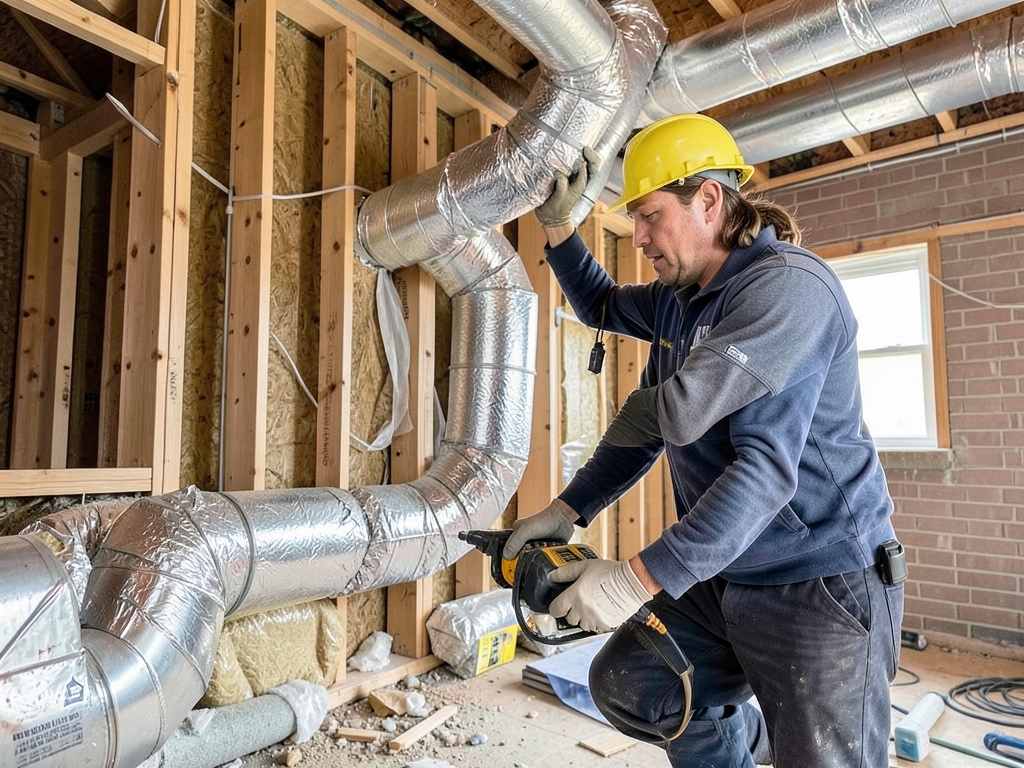
Understanding the HVAC installation timeline helps you coordinate other aspects of your home build. The rough-in phase typically occurs after framing but before insulation and drywall. This is when the ductwork is installed and the equipment is set in place.
The finish phase happens after insulation and drywall are complete. This is when the system is connected, charged with refrigerant, and tested. Ask your builder to provide specific dates for both phases and ensure they align with other construction milestones.
Also ask about the final inspection process. The HVAC system must pass several inspections including rough-in, final, and sometimes a third-party energy audit. Delays in any of these inspections can push back your closing date.
Common HVAC Mistakes in New Construction
Even experienced builders can make HVAC mistakes that affect your comfort for years. One common error is poor duct design that creates pressure imbalances. This can cause some rooms to be too hot while others are too cold.
Another frequent issue is inadequate return air pathways. Without proper return air, your system can’t circulate air effectively, leading to hot and cold spots throughout your home.
Ask your builder how they verify proper airflow after installation. Professional HVAC contractors use specialized tools to measure airflow at each register and ensure the system is balanced correctly.
Future-Proofing Your HVAC System
Technology in HVAC systems continues to advance rapidly. Ask your builder about provisions for future upgrades. This might include extra conduit for future wiring, space in the mechanical room for additional equipment, or provisions for solar integration.
Also consider the size of the equipment being installed. While it might be tempting to go with the minimum size to save money, having some excess capacity can accommodate future changes like home additions or the addition of a home office that generates extra heat.
Finally, ask about the system’s compatibility with emerging technologies. Can it integrate with whole-home automation systems? Is it prepared for potential changes in energy pricing structures that reward off-peak usage?
Questions to Ask Specific HVAC Contractors
If your builder allows you to choose your own HVAC contractor, here are additional questions to ask potential contractors:
What certifications do your technicians hold? Look for NATE (North American Technician Excellence) certification, which indicates advanced training and expertise.
How many similar installations have you completed in the Jerome Village area? Local experience matters because contractors familiar with the area understand the specific challenges of Central Ohio’s climate.
What is your process for handling warranty claims? A good contractor will handle warranty issues directly with the manufacturer, saving you time and frustration.
Can you provide references from recent installations? Speaking with past customers can reveal how well the contractor handles both installation and follow-up service.
Cost Considerations
While specific pricing varies by home size and equipment selection, expect HVAC costs to represent 10-15 percent of your total construction budget. For a typical 2,000 square foot home in Jerome Village, this translates to $8,000-$15,000 for a complete system.
Higher efficiency equipment costs more upfront but can reduce your monthly energy bills by 20-40 percent. Calculate the payback period based on your expected energy usage to determine if premium equipment makes sense for your situation.
Also consider the cost of maintenance over the system’s lifetime. Annual professional maintenance typically costs $150-$300 per year but can prevent costly repairs and extend equipment life by several years.
Environmental Impact
Modern HVAC systems have a significant environmental impact through both energy consumption and refrigerant use. Ask your builder about the system’s environmental footprint.
Newer systems use refrigerants with lower global warming potential. R-410A, common in older systems, is being phased out in favor of R-454B and other alternatives with significantly lower environmental impact.
Also ask about the system’s energy efficiency rating and how it compares to minimum code requirements. Systems that exceed code requirements by even small margins can substantially reduce your home’s carbon footprint over its lifetime.
Final Checklist Before Signing
Before you sign your final construction agreement, use this checklist to verify all HVAC details:
- Manual J and Manual S calculations completed and reviewed
- SEER2 ratings specified for all equipment
- Zoning system included if your home has multiple stories
- ERV or HRV system included for new construction
- Filter specifications and upgrade options discussed
- Warranty terms clearly defined in writing
- Installation timeline confirmed
- Local service provider identified
- Rebate applications confirmed
Getting these details right during construction saves you from costly retrofits and comfort issues later. The few hours you spend asking these questions now can save you thousands of dollars and years of frustration in the future.
Frequently Asked Questions
What is the difference between SEER and SEER2 ratings?
SEER2 ratings, which became mandatory in 2023, use more stringent testing conditions that better reflect real-world performance. SEER2 ratings are typically 4-5 points lower than the equivalent SEER rating, but they provide a more accurate representation of how the system will perform in your home.
How long does a typical HVAC system last in Central Ohio?
With proper maintenance, most HVAC systems in Central Ohio last 15-20 years. Heat pumps tend to last slightly less (12-15 years) because they operate year-round, while furnaces can last 20+ years since they only operate during heating season.
Should I upgrade my air filters in a new construction home?
Yes, upgrading to MERV 11 or 13 filters can significantly improve indoor air quality, especially in new construction homes that are tightly sealed. Higher MERV ratings capture smaller particles including allergens, but make sure your system can handle the increased airflow resistance.
What size HVAC system do I need for a 2,000 square foot home?
Square footage alone doesn’t determine system size. A 2,000 square foot home might need anywhere from 2.5 to 4 tons of cooling capacity depending on factors like insulation, window quality, home orientation, and local climate conditions. That’s why Manual J calculations are essential.
Are heat pumps effective in Ohio winters?
Modern heat pumps work efficiently down to about 30 degrees Fahrenheit. Below that temperature, they switch to electric resistance heat or a backup system. For Ohio’s climate, heat pumps are very effective for most winter days, with backup heat needed only during the coldest periods. For more information, visit U.S. Department of Energy heat pump guide.
You may also find this helpful. Keeping Your Spare Room Comfortable as a Permanent Home Office in Blacklick.
You may also find this helpful. Why Your Open Concept Great Room in Powell Never Feels Quite Warm Enough.
{
“@context”: “https://schema.org”,
“@type”: “BlogPosting”,
“headline”: “The Best HVAC Questions to Ask Your Builder Before Buying a New Construction in Jerome Village”,
“description”: “Before buying a new home in Jerome Village, ask these critical HVAC questions about Manual J calculations, SEER2 ratings, zoning systems, and IAQ to ensure comfort and efficiency.”,
“wordCount”: 2103,
“datePublished”: “2026-05-16T10:51:00.000Z”,
“dateModified”: “2026-05-16T10:51:00.000Z”,
“inLanguage”: “en-US”,
“mainEntityOfPage”: {
“@type”: “WebPage”,
“@id”: “https://grandhvaccolumbus.com”
},
“publisher”: {
“@type”: “LocalBusiness”,
“name”: “Grand HVAC Columbus”,
“url”: “https://grandhvaccolumbus.com”
},
“author”: {
“@type”: “Organization”,
“name”: “Grand HVAC Columbus”,
“url”: “https://grandhvaccolumbus.com”
},
“image”: {
“@type”: “ImageObject”,
“url”: “https://grandhvaccolumbus.com/wp-content/uploads/2026/03/the-best-hvac-questions-to-ask-your-builder-before-1.png”
}
}
{
“@context”: “https://schema.org”,
“@type”: “HVACBusiness”,
“name”: “Grand HVAC Columbus”,
“url”: “https://grandhvaccolumbus.com”,
“address”: {
“@type”: “PostalAddress”,
“addressLocality”: “Columbus”
},
“areaServed”: {
“@type”: “City”,
“name”: “Columbus”
}
}
{
“@context”: “https://schema.org”,
“@type”: “FAQPage”,
“mainEntity”: [
{
“@type”: “Question”,
“name”: “What is the difference between SEER and SEER2 ratings?”,
“acceptedAnswer”: {
“@type”: “Answer”,
“text”: “SEER2 ratings, which became mandatory in 2023, use more stringent testing conditions that better reflect real-world performance. SEER2 ratings are typically 4-5 points lower than the equivalent SEER rating, but they provide a more accurate representation of how the system will perform in your home.”
}
},
{
“@type”: “Question”,
“name”: “How long does a typical HVAC system last in Central Ohio?”,
“acceptedAnswer”: {
“@type”: “Answer”,
“text”: “With proper maintenance, most HVAC systems in Central Ohio last 15-20 years. Heat pumps tend to last slightly less (12-15 years) because they operate year-round, while furnaces can last 20+ years since they only operate during heating season.”
}
},
{
“@type”: “Question”,
“name”: “Should I upgrade my air filters in a new construction home?”,
“acceptedAnswer”: {
“@type”: “Answer”,
“text”: “Yes, upgrading to MERV 11 or 13 filters can significantly improve indoor air quality, especially in new construction homes that are tightly sealed. Higher MERV ratings capture smaller particles including allergens, but make sure your system can handle the increased airflow resistance.”
}
},
{
“@type”: “Question”,
“name”: “What size HVAC system do I need for a 2,000 square foot home?”,
“acceptedAnswer”: {
“@type”: “Answer”,
“text”: “Square footage alone doesn’t determine system size. A 2,000 square foot home might need anywhere from 2.5 to 4 tons of cooling capacity depending on factors like insulation, window quality, home orientation, and local climate conditions. That’s why Manual J calculations are essential.”
}
},
{
“@type”: “Question”,
“name”: “Are heat pumps effective in Ohio winters?”,
“acceptedAnswer”: {
“@type”: “Answer”,
“text”: “Modern heat pumps work efficiently down to about 30 degrees Fahrenheit. Below that temperature, they switch to electric resistance heat or a backup system. For Ohio’s climate, heat pumps are very effective for most winter days, with backup heat needed only during the coldest periods. For more information, visit U.S. Department of Energy heat pump guide.”
}
}
]
}
{
“@context”: “https://schema.org”,
“@type”: “BreadcrumbList”,
“itemListElement”: [
{
“@type”: “ListItem”,
“position”: 1,
“name”: “Home”,
“item”: “https://grandhvaccolumbus.com”
},
{
“@type”: “ListItem”,
“position”: 2,
“name”: “Blog”,
“item”: “https://grandhvaccolumbus.com/blog”
},
{
“@type”: “ListItem”,
“position”: 3,
“name”: “The Best HVAC Questions to Ask Your Builder Before Buying a New Construction in Jerome Village”
}
]
}
{
“@context”: “https://schema.org”,
“@type”: “Service”,
“serviceType”: “HVAC”,
“provider”: {
“@type”: “LocalBusiness”,
“name”: “Grand HVAC Columbus”,
“url”: “https://grandhvaccolumbus.com”
},
“areaServed”: {
“@type”: “City”,
“name”: “Columbus”
},
“description”: “Before buying a new home in Jerome Village, ask these critical HVAC questions about Manual J calculations, SEER2 ratings, zoning systems, and IAQ to ensure comfort and efficiency.”
}