The Hidden Impact of Central Ohio Hard Water on Your Whole Home Humidifier
Central Ohio homeowners face a silent threat that damages whole-home humidifiers before most people even notice. Hard water loaded with calcium and magnesium creates scale buildup that clogs valves shortens equipment life and releases white dust into your air. This guide shows you how to spot the damage and protect your investment. The Honest Guide to Replacing Your Upper Arlington Furnace This Winter.
What Makes Columbus Water So Hard on HVAC Systems
Columbus municipal water contains 15 to 28 grains per gallon of hardness depending on your specific suburb. The Scioto and Olentangly river basins supply water that picks up minerals as it flows through limestone bedrock. This mineral content ranks above the national average making Central Ohio one of the toughest regions for water-based HVAC equipment.
Water hardness measures dissolved calcium and magnesium. When humidifier water evaporates these minerals remain behind as scale. A typical bypass humidifier in a Dublin home might see scale accumulation of 1/8 inch within a single heating season. This buildup forces the system to work harder and reduces efficiency by 10 to 15 percent according to HVAC industry studies.
Steam humidifiers face different challenges. Electrode-type units rely on mineral content to conduct electricity. Too much scale insulates the electrodes reducing steam output. Too little mineral content from filtered water prevents the unit from operating at all. This balancing act makes steam humidifiers particularly sensitive to local water conditions.
4 Signs Hard Water is Damaging Your Whole-Home Humidifier
White dust settling on furniture signals mineral dispersal from ultrasonic or evaporative humidifiers. This fine powder contains calcium carbonate and magnesium compounds that become airborne when water evaporates. While not toxic the dust creates cleaning headaches and may irritate sensitive respiratory systems.
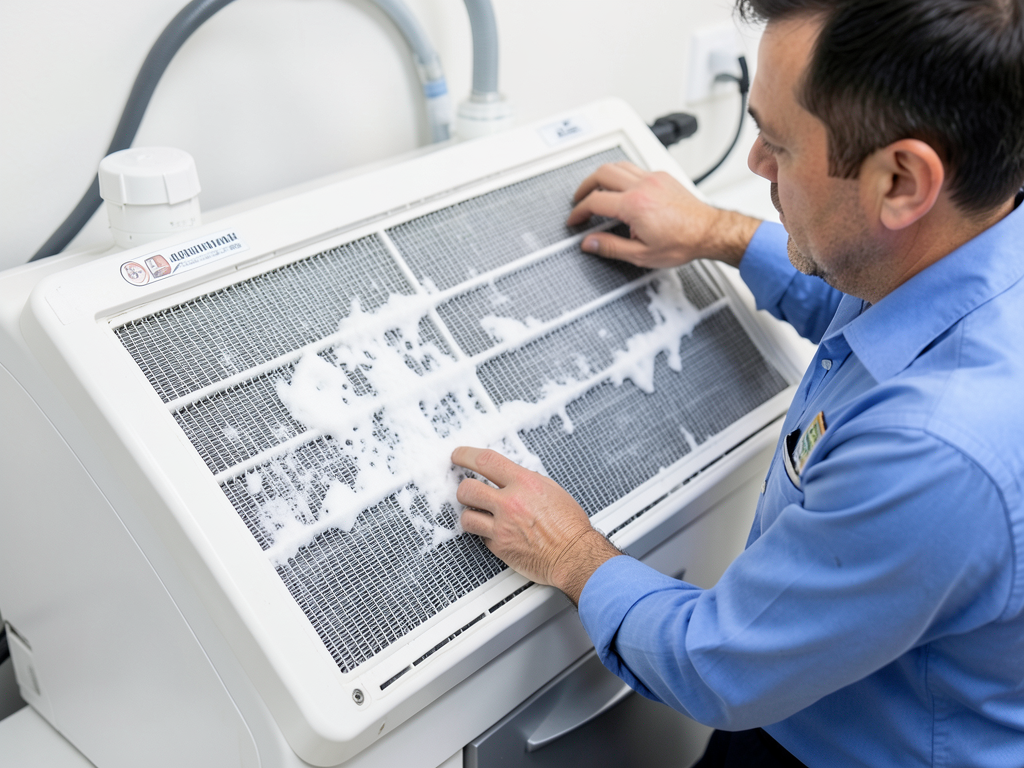
Reduced humidity output often indicates a scaled water panel. The evaporator pad becomes coated with mineral deposits blocking water flow. A normally transparent pad turns white or grayish. Flow rates drop from gallons per hour to mere trickles. Your home feels drier even when the humidifier runs constantly.
Clicking or humming sounds from the solenoid valve suggest mineral interference. Scale particles jam the valve mechanism preventing proper water flow control. The valve may stick open causing continuous water flow or fail to open at all leaving your system dry.
Water pooling around the humidifier base indicates overflow from a clogged drain. Scale blocks the small drain holes causing water to back up and spill. This creates potential water damage to nearby flooring and promotes mold growth in the equipment cabinet.
The White Dust Phenomenon and Air Quality
White dust appears as a fine white powder on surfaces near your humidifier. This mineral residue becomes airborne when ultrasonic humidifiers create cool mist. The dust settles on electronics furniture and floors creating a persistent cleaning problem.
Health impacts vary by individual sensitivity. Most people experience no effects from breathing mineral dust. However those with asthma or allergies may notice increased symptoms. The dust can also settle in nasal passages and lungs creating temporary irritation.
Testing for white dust requires only a flashlight and dark surface. Shine the light across furniture after humidifier operation. If you see floating particles your system releases minerals into the air. This indicates either ultrasonic operation or severe scaling in evaporative units.
Prevention starts with water quality. Using distilled water eliminates mineral content but increases operating costs significantly. A whole-home water softener addresses the root cause by removing calcium and magnesium before water enters any appliance. Improving the Air Quality in Your Older Clintonville Home.
Calcification of the Solenoid Valve and Water Panel
The solenoid valve controls water flow to your humidifier. Hard water deposits create scale inside the valve chamber. This buildup interferes with the magnetic plunger movement causing erratic operation. The valve may chatter click or fail completely.
Water panels consist of expanded aluminum or paper media. These materials absorb water and provide surface area for evaporation. Scale coats the media reducing absorption capacity. A scaled panel might hold only 50 percent of the water a clean panel can absorb.
Replacement intervals shorten dramatically in hard water areas. Standard recommendations suggest annual replacement. However Central Ohio homes often need panel changes every one to three months. The frequency depends on specific water hardness and humidifier usage patterns.
Cleaning scaled components requires acid-based descalers. Muriatic acid or commercial descaling solutions dissolve calcium carbonate. However acid cleaning poses risks. The chemicals can damage plastic components and create hazardous fumes. Professional cleaning ensures proper technique and disposal.
Comparing Damage: Ultrasonic vs Evaporative vs Steam Humidifiers
Ultrasonic humidifiers create visible white dust as their primary issue. These units use high-frequency vibrations to create mist. All dissolved minerals exit the unit suspended in water droplets. When droplets evaporate minerals fall as dust.
Evaporative humidifiers produce minimal white dust but suffer severe scaling. These units pass air through a wet media panel. Minerals concentrate in the panel until flow becomes restricted. The main failure mode involves complete water flow blockage.
Steam humidifiers offer the best performance but face electrode fouling. These units boil water to create steam. Minerals precipitate on heating elements reducing heat transfer. Some models use disposable cylinders to contain scale. Others require manual cleaning of electrodes.
Maintenance requirements vary by type. Ultrasonic units need frequent cleaning and distilled water. Evaporative models require regular panel replacement. Steam units need occasional cylinder replacement or electrode cleaning. All types benefit from water softening in hard water regions.
Maintenance Tips to Extend Humidifier Life in Central Ohio
Regular inspection prevents most hard water damage. Check your humidifier monthly during heating season. Look for white deposits on accessible components. Listen for unusual valve noises. Monitor humidity output on your thermostat.
Cleaning schedules depend on water hardness. Homes with 20+ gpg hardness need monthly cleaning. Those with 15-20 gpg hardness can clean every two to three months. Use manufacturer approved cleaning solutions only. Harsh chemicals can damage plastic and rubber components.
Water treatment options include whole-home softeners and inline filters. Softeners remove calcium and magnesium through ion exchange. This protects all water-using appliances. Inline filters use polyphosphate to sequester minerals preventing scale formation. Filters cost less but only protect the humidifier.
Distilled water eliminates minerals completely. However the cost ranges from 70 cents to one dollar per gallon. A typical humidifier uses 2 to 6 gallons daily during peak winter. This creates monthly costs of 100 to 180 dollars just for water.
When to Call a Columbus HVAC Professional for Scaling Issues
Professional help becomes necessary when scaling causes system failure. Signs include complete loss of humidity output persistent valve problems or water damage around the unit. DIY repairs often void warranties and can create safety hazards. EPA Ground Water and Drinking Water.
Columbus HVAC technicians use specialized equipment for scale removal. Acid cleaning stations circulate descaling solution through affected components. Ultrasonic cleaners remove deposits from small parts. Thermal imaging identifies hidden scale buildup in heat exchangers.
Replacement decisions depend on equipment age and damage extent. Units under five years old with minor scaling often clean successfully. Those over ten years old or with severe scaling may need replacement. Modern units offer improved scale resistance and efficiency.
Professional installation of water treatment systems prevents future scaling. Technicians test your water hardness and recommend appropriate treatment. They ensure proper softener sizing and installation. This protects not just your humidifier but your entire plumbing system.
Call (380) 253-3188 today to schedule your inspection. Our NATE-certified technicians understand Central Ohio water conditions and can recommend the right solution for your home. Don’t wait until scale causes expensive damage.
Frequently Asked Questions
Can hard water make you sick through a humidifier?
Hard water minerals themselves are not toxic. However white dust from ultrasonic humidifiers may irritate sensitive respiratory systems. Most people experience no health effects from mineral dust exposure.
How often should I replace my humidifier water panel in Columbus?
Central Ohio’s hard water typically requires water panel replacement every one to three months. Monitor your panel monthly and replace when you see significant white scaling or reduced moisture output.
Does a water softener help my whole home humidifier?
Yes. A water softener removes calcium and magnesium that cause scale buildup. This extends humidifier life reduces maintenance needs and prevents white dust formation. The investment often pays for itself through reduced repair costs. Why Your Westerville AC Needs a Tune Up Before the Humidity Hits.
What’s the best type of humidifier for hard water areas?
Steam humidifiers with disposable mineral collection cartridges perform best in hard water areas. They resist scaling better than evaporative units and don’t produce white dust like ultrasonic models. However they cost more initially and to operate.
How can I test my water hardness at home?
Water hardness test strips provide quick results. Dip the strip in tap water and compare the color change to the chart. For precise measurements contact the Columbus Department of Public Utilities or have an HVAC professional test your water.
Call (380) 253-3188 Before Scale Ruins Your Humidifier
Hard water damage happens gradually but accelerates once scaling begins. What starts as minor white dust becomes complete system failure within one or two seasons. The cost of prevention always falls below the expense of emergency repairs or premature replacement. Where to Find 24 Hour Emergency HVAC Help Anywhere in Columbus.
Central Ohio’s unique water chemistry demands specific solutions. Generic advice from national websites doesn’t address our 15 to 28 gpg hardness levels. Local experience matters when protecting your HVAC investment.
Our technicians see scale damage patterns unique to Gahanna Reynoldsburg and surrounding suburbs. We understand how local water conditions affect different humidifier brands and models. This knowledge allows us to recommend targeted solutions rather than one-size-fits-all approaches. HVAC Gahanna.
Don’t let hard water steal another season of comfort from your home. Pick up the phone and call (380) 253-3188 before the next cold snap hits. We’ll test your water inspect your system and create a protection plan that keeps your humidifier running efficiently for years to come.
Winter humidity affects more than comfort. It impacts wood furniture your sinuses and even your heating bills. A properly functioning humidifier maintains optimal moisture levels protecting your home and health. Let us help you achieve that protection today. For more information, visit CDC Water Quality Information.
{
“@context”: “https://schema.org”,
“@type”: “BlogPosting”,
“headline”: “The Hidden Impact of Central Ohio Hard Water on Your Whole Home Humidifier”,
“description”: “Discover how Columbus hard water damages humidifiers. Learn to spot scaling issues and protect your HVAC system. Call (380) 253-3188 for expert help.”,
“wordCount”: 1727,
“datePublished”: “2026-06-02T07:33:00.000Z”,
“dateModified”: “2026-06-02T07:33:00.000Z”,
“inLanguage”: “en-US”,
“mainEntityOfPage”: {
“@type”: “WebPage”,
“@id”: “https://grandhvaccolumbus.com”
},
“publisher”: {
“@type”: “LocalBusiness”,
“name”: “Grand HVAC Columbus”,
“url”: “https://grandhvaccolumbus.com”
},
“author”: {
“@type”: “Organization”,
“name”: “Grand HVAC Columbus”,
“url”: “https://grandhvaccolumbus.com”
},
“image”: {
“@type”: “ImageObject”,
“url”: “https://grandhvaccolumbus.com/wp-content/uploads/2026/03/the-hidden-impact-of-central-ohio-hard-water-on-yo-1.png”
}
}
{
“@context”: “https://schema.org”,
“@type”: “HVACBusiness”,
“name”: “Grand HVAC Columbus”,
“url”: “https://grandhvaccolumbus.com”,
“address”: {
“@type”: “PostalAddress”,
“addressLocality”: “Columbus”
},
“areaServed”: {
“@type”: “City”,
“name”: “Columbus”
}
}
{
“@context”: “https://schema.org”,
“@type”: “FAQPage”,
“mainEntity”: [
{
“@type”: “Question”,
“name”: “Can hard water make you sick through a humidifier?”,
“acceptedAnswer”: {
“@type”: “Answer”,
“text”: “Hard water minerals themselves are not toxic. However white dust from ultrasonic humidifiers may irritate sensitive respiratory systems. Most people experience no health effects from mineral dust exposure.”
}
},
{
“@type”: “Question”,
“name”: “How often should I replace my humidifier water panel in Columbus?”,
“acceptedAnswer”: {
“@type”: “Answer”,
“text”: “Central Ohio’s hard water typically requires water panel replacement every one to three months. Monitor your panel monthly and replace when you see significant white scaling or reduced moisture output.”
}
},
{
“@type”: “Question”,
“name”: “Does a water softener help my whole home humidifier?”,
“acceptedAnswer”: {
“@type”: “Answer”,
“text”: “Yes. A water softener removes calcium and magnesium that cause scale buildup. This extends humidifier life reduces maintenance needs and prevents white dust formation. The investment often pays for itself through reduced repair costs. Why Your Westerville AC Needs a Tune Up Before the Humidity Hits.”
}
},
{
“@type”: “Question”,
“name”: “What’s the best type of humidifier for hard water areas?”,
“acceptedAnswer”: {
“@type”: “Answer”,
“text”: “Steam humidifiers with disposable mineral collection cartridges perform best in hard water areas. They resist scaling better than evaporative units and don’t produce white dust like ultrasonic models. However they cost more initially and to operate.”
}
},
{
“@type”: “Question”,
“name”: “How can I test my water hardness at home?”,
“acceptedAnswer”: {
“@type”: “Answer”,
“text”: “Water hardness test strips provide quick results. Dip the strip in tap water and compare the color change to the chart. For precise measurements contact the Columbus Department of Public Utilities or have an HVAC professional test your water.”
}
}
]
}
{
“@context”: “https://schema.org”,
“@type”: “BreadcrumbList”,
“itemListElement”: [
{
“@type”: “ListItem”,
“position”: 1,
“name”: “Home”,
“item”: “https://grandhvaccolumbus.com”
},
{
“@type”: “ListItem”,
“position”: 2,
“name”: “Blog”,
“item”: “https://grandhvaccolumbus.com/blog”
},
{
“@type”: “ListItem”,
“position”: 3,
“name”: “The Hidden Impact of Central Ohio Hard Water on Your Whole Home Humidifier”
}
]
}
{
“@context”: “https://schema.org”,
“@type”: “Service”,
“serviceType”: “HVAC”,
“provider”: {
“@type”: “LocalBusiness”,
“name”: “Grand HVAC Columbus”,
“url”: “https://grandhvaccolumbus.com”
},
“areaServed”: {
“@type”: “City”,
“name”: “Columbus”
},
“description”: “Discover how Columbus hard water damages humidifiers. Learn to spot scaling issues and protect your HVAC system. Call (380) 253-3188 for expert help.”
}