
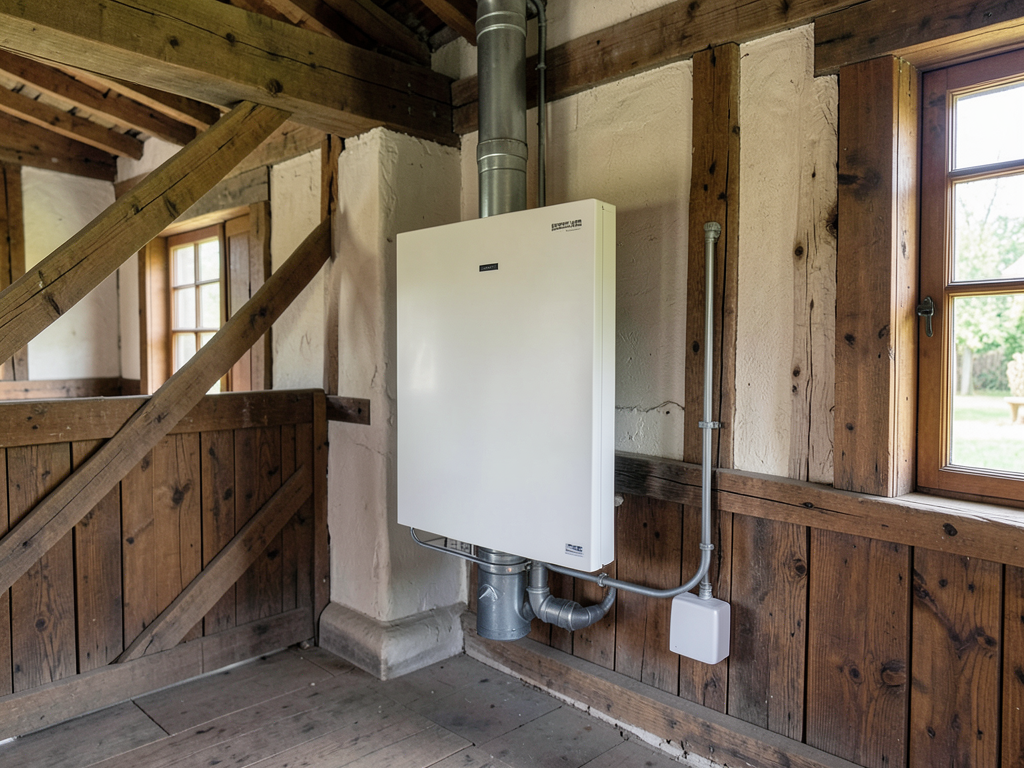
Venting and Airflow Challenges for a Small German Village Carriage House
Historic carriage houses in Columbus’s German Village face unique ventilation challenges that standard HVAC systems cannot address. These compact structures lack traditional ductwork pathways and often have thick brick walls that trap moisture and stale air. The Ohio climate compounds these issues with humid summers and cold winters that demand both efficient cooling and reliable heating in a space with limited mechanical room options. Ohio Mechanical Code.
Carriage houses typically range from 400 to 1200 square feet and were designed for horses and storage not year-round living. Their original ventilation relied on open doors and windows which modern energy codes no longer permit as primary airflow solutions. The challenge becomes creating comfortable healthy indoor air quality while preserving the historic character that makes these structures valuable. Energy Efficient Home Improvement Credit.
Structural Limitations That Affect Ventilation
The most significant challenge is the absence of traditional HVAC pathways. Carriage houses lack crawl spaces attics and the wall cavities needed for conventional ductwork installation. Many have solid brick or stone walls that cannot be modified without compromising structural integrity or violating historic preservation guidelines. The Honest Guide to Replacing Your Upper Arlington Furnace This Winter.
Floor plans often feature narrow staircases and low ceiling heights that limit equipment placement. The original horse stalls and storage areas create compartmentalized spaces that resist even airflow distribution. Any ventilation solution must work within these constraints while meeting current Ohio Mechanical Code requirements for minimum air changes per hour.
Moisture management presents another critical issue. Historic brick absorbs water during Ohio’s rainy seasons and releases it slowly. Without proper vapor barriers and ventilation this creates condensation problems that can damage finishes and promote mold growth. The challenge is balancing historic preservation with modern moisture control requirements.
Ductless Mini-Split Systems for Carriage Houses
Ductless mini-split systems offer the most practical solution for carriage house ventilation. These systems mount compact indoor units on walls or ceilings while keeping the outdoor compressor separate. The absence of ductwork eliminates the need to modify historic walls or sacrifice valuable floor space.
Modern mini-splits provide both heating and cooling with inverter technology that adjusts output based on demand. This efficiency matters in small spaces where oversized equipment creates uncomfortable temperature swings. The systems also offer individual zone control allowing different areas to maintain separate temperatures based on use patterns. Where to Find 24 Hour Emergency HVAC Help Anywhere in Columbus.
Installation requires careful planning to minimize visual impact. Indoor units can be recessed into ceilings or mounted high on walls where they become less noticeable. The refrigerant lines that connect indoor and outdoor units can run through existing chases or along exterior walls with protective covers that blend with the architecture.
High-Velocity HVAC Options
High-velocity systems like Unico or SpacePak provide an alternative when mini-splits cannot meet heating demands. These systems use small flexible ducts that can fit within 2.5-inch wall cavities making them suitable for retrofit applications in historic structures. The ducts deliver conditioned air at high velocity creating better mixing than conventional low-velocity systems.
The main advantage is heating capacity. High-velocity systems can provide sufficient heat for Ohio winters without requiring separate heating equipment. This integration simplifies the mechanical system and reduces equipment costs compared to installing both cooling and heating systems separately.
Installation challenges include finding routes for the main trunk lines and ensuring proper support for the flexible ducts. The systems require careful design to avoid excessive noise from the high-velocity air movement. Sound attenuators and proper duct sizing help minimize operational noise that could disturb historic quiet.
Ventilation Requirements and Indoor Air Quality
Ohio building codes require mechanical ventilation in occupied spaces typically 0.35 air changes per hour or 15 cubic feet per minute per person. Carriage houses converted to living spaces must meet these requirements even with limited space for equipment. The challenge is providing adequate fresh air without creating drafts or sacrificing energy efficiency.
Energy recovery ventilators (ERVs) offer an efficient solution by transferring heat and moisture between incoming and outgoing air streams. This reduces the energy penalty of bringing in fresh air during extreme weather conditions. ERVs also help manage humidity levels which is crucial in Ohio’s climate where indoor humidity can cause condensation on cold surfaces.
Air filtration becomes more important in compact spaces where pollutants concentrate quickly. HEPA filtration and activated carbon filters can remove allergens dust and volatile organic compounds that accumulate in sealed historic structures. The filtration system should be sized to handle the specific contaminants common in the local environment.
Historic Preservation Considerations
German Village and other historic districts in Columbus have strict guidelines for exterior modifications. Any ventilation equipment must be installed without altering visible architectural features. This means no new roof penetrations no visible ductwork on exterior walls and careful placement of outdoor units where they cannot be seen from public streets. German Village Society.
The German Village Society reviews all exterior modifications to ensure compatibility with historic character. They typically approve mini-split installations where the outdoor unit is placed in side yards or rear courtyards away from public view. The review process can take several weeks so planning must account for these approval timelines.
Interior modifications face fewer restrictions but still require sensitivity to historic materials. Original wood floors plaster walls and exposed brick should be preserved whenever possible. Any penetrations for wiring or refrigerant lines should be repaired with matching materials to maintain the historic appearance.. Read more about Navigating HVAC Rules and Restrictions for Your Downtown Columbus Condo.
Climate-Specific Challenges in Central Ohio
Columbus experiences significant temperature swings that stress ventilation systems. Summer humidity often exceeds 70% requiring robust dehumidification capabilities. Winter temperatures regularly drop below freezing demanding reliable heating that can maintain comfort in poorly insulated historic structures.
The freeze-thaw cycle common in Ohio winters can cause moisture problems in historic masonry. Water absorbed during warm periods freezes and expands potentially damaging mortar joints and creating pathways for air infiltration. Proper ventilation helps manage this moisture by keeping air moving through the structure.
Pollen seasons in spring and fall create additional filtration demands. Central Ohio’s mix of trees grasses and agricultural activities produces high pollen counts that can overwhelm standard filters. High-efficiency filtration becomes essential for maintaining indoor air quality during these peak seasons. Improving the Air Quality in Your Older Clintonville Home.
Cost Considerations and Energy Efficiency
Initial installation costs for carriage house ventilation typically range from $8000 to $25000 depending on system complexity and preservation requirements. Mini-split systems generally cost less than high-velocity options but may require supplemental heating in severe winters. The total investment should be evaluated against long-term energy savings and comfort improvements.
Energy efficiency matters more in small spaces where heating and cooling loads are lower. Oversized equipment wastes energy and creates comfort problems through short cycling. Properly sized systems with inverter technology can reduce energy consumption by 30-50% compared to conventional equipment.
Utility rebates and tax incentives may offset some costs. The federal Energy Efficient Home Improvement Credit offers up to $2000 for qualifying HVAC equipment. Local utility companies like AEP Ohio occasionally offer rebates for high-efficiency systems that meet specific performance criteria.
Installation Best Practices
Successful carriage house ventilation requires careful planning and experienced installers. The first step involves a comprehensive load calculation that accounts for the unique thermal characteristics of historic construction. This calculation determines the exact capacity needed rather than relying on rules of thumb that often oversize equipment.
Refrigerant line routing requires special attention to preserve historic finishes. Lines should follow existing chases when possible or be concealed within built-in cabinetry. Exterior lines need protective covers that match the building’s color and texture to minimize visual impact.
Electrical requirements must be evaluated early in the planning process. Many carriage houses have outdated electrical systems that cannot support modern HVAC equipment. Upgrading electrical service may be necessary and should be coordinated with the ventilation installation to minimize disruption. Upgrading to a Smart Thermostat in Grandview Heights to Lower Your Electric Bill.
Maintenance Requirements
Historic structures require more frequent maintenance than modern buildings. Filters should be checked monthly and replaced every three months minimum. The compact nature of carriage houses means dust and debris accumulate quickly reducing system efficiency if not addressed.
Outdoor units need protection from Ohio’s severe weather. Snow accumulation during winter can block airflow and reduce heating capacity. Units should be mounted on stands or brackets that keep them above typical snow depths while maintaining the required clearances for proper operation.
Annual professional maintenance helps identify developing problems before they cause system failure. This is especially important in historic structures where access for repairs may be limited by preservation requirements. Regular maintenance extends equipment life and maintains efficiency over time.
Common Problems and Solutions
Insufficient heating capacity is the most frequent complaint in carriage houses during Ohio winters. Mini-split systems may struggle when temperatures drop below 0°F requiring supplemental electric resistance heating or a high-efficiency gas furnace for backup. The solution involves either upsizing the heat pump or adding a secondary heat source.
Condensation on historic windows and walls indicates inadequate dehumidification or poor insulation. This problem worsens during spring and fall when temperature differences between inside and outside are greatest. Installing proper vapor barriers and using ERVs with dehumidification can address these moisture issues.
Noise complaints often arise from improperly installed indoor units. The high-velocity air movement can create whistling sounds if ducts are not properly sized or if filters become clogged. Using larger diameter ducts and higher quality sound attenuators reduces operational noise to acceptable levels.
Future-Proofing Your Ventilation System
Technology continues to improve ventilation efficiency and control capabilities. Smart thermostats can learn occupancy patterns and adjust temperatures automatically reducing energy consumption while maintaining comfort. These controls also provide remote monitoring capabilities that alert owners to developing problems.
Indoor air quality monitoring is becoming more sophisticated with sensors that detect specific pollutants and adjust ventilation rates accordingly. This targeted approach provides better air quality while using less energy than constant ventilation at fixed rates.
Integration with renewable energy systems offers long-term sustainability benefits. Solar panels can offset the electrical consumption of heat pumps and ventilation equipment particularly during peak cooling season when energy costs are highest. Battery backup systems provide resilience during power outages common in Ohio’s storm seasons.
Frequently Asked Questions
Can I install a traditional furnace and air conditioner in my carriage house?
Traditional ducted systems are rarely practical in carriage houses due to space constraints and historic preservation requirements. The cost of creating pathways for ductwork often exceeds the equipment cost itself. Mini-split or high-velocity systems provide better solutions that preserve the historic character while meeting modern comfort standards.
How long does installation typically take?
Most carriage house ventilation projects require 2-5 days for complete installation depending on system complexity and any necessary electrical upgrades. Historic preservation reviews can add several weeks to the planning process. Professional installers familiar with historic structures can often work more efficiently by anticipating preservation requirements.
Will the installation damage my historic finishes?
Experienced installers use techniques that minimize damage to historic materials. This includes careful routing of lines through existing chases use of low-profile mounting hardware and repair of any penetrations with matching materials. The goal is making the mechanical system invisible while preserving the historic character that makes your carriage house unique.
Ready to Solve Your Carriage House Ventilation Challenges?
Call (380) 253-3188 today to schedule a comprehensive evaluation of your carriage house ventilation needs. Our team understands the unique challenges of historic Columbus structures and can design a system that provides modern comfort while preserving your property’s character. Don’t let another season pass with uncomfortable temperatures and poor air quality. Why Your Westerville AC Needs a Tune Up Before the Humidity Hits.
Pick up the phone and call (380) 253-3188 before the next humidity spike or cold snap makes your carriage house unbearable. We’ll help you breathe easier in your historic space.
{
“@context”: “https://schema.org”,
“@type”: “BlogPosting”,
“headline”: “Venting and Airflow Challenges for a Small German Village Carriage House”,
“description”: “Historic German Village carriage houses need special ventilation solutions. Learn how mini-splits, high-velocity systems, and smart controls solve airflow challenges in Columbus.”,
“wordCount”: 1989,
“datePublished”: “2026-06-01T15:59:00.000Z”,
“dateModified”: “2026-06-01T15:59:00.000Z”,
“inLanguage”: “en-US”,
“mainEntityOfPage”: {
“@type”: “WebPage”,
“@id”: “https://grandhvaccolumbus.com”
},
“publisher”: {
“@type”: “LocalBusiness”,
“name”: “Grand HVAC Columbus”,
“url”: “https://grandhvaccolumbus.com”
},
“author”: {
“@type”: “Organization”,
“name”: “Grand HVAC Columbus”,
“url”: “https://grandhvaccolumbus.com”
},
“image”: {
“@type”: “ImageObject”,
“url”: “https://grandhvaccolumbus.com/wp-content/uploads/2026/03/venting-and-airflow-challenges-for-a-small-german-1.png”
}
}
{
“@context”: “https://schema.org”,
“@type”: “HVACBusiness”,
“name”: “Grand HVAC Columbus”,
“url”: “https://grandhvaccolumbus.com”,
“address”: {
“@type”: “PostalAddress”,
“addressLocality”: “Columbus”
},
“areaServed”: {
“@type”: “City”,
“name”: “Columbus”
}
}
{
“@context”: “https://schema.org”,
“@type”: “FAQPage”,
“mainEntity”: [
{
“@type”: “Question”,
“name”: “Can I install a traditional furnace and air conditioner in my carriage house?”,
“acceptedAnswer”: {
“@type”: “Answer”,
“text”: “Traditional ducted systems are rarely practical in carriage houses due to space constraints and historic preservation requirements. The cost of creating pathways for ductwork often exceeds the equipment cost itself. Mini-split or high-velocity systems provide better solutions that preserve the historic character while meeting modern comfort standards.”
}
},
{
“@type”: “Question”,
“name”: “How long does installation typically take?”,
“acceptedAnswer”: {
“@type”: “Answer”,
“text”: “Most carriage house ventilation projects require 2-5 days for complete installation depending on system complexity and any necessary electrical upgrades. Historic preservation reviews can add several weeks to the planning process. Professional installers familiar with historic structures can often work more efficiently by anticipating preservation requirements.”
}
},
{
“@type”: “Question”,
“name”: “Will the installation damage my historic finishes?”,
“acceptedAnswer”: {
“@type”: “Answer”,
“text”: “Experienced installers use techniques that minimize damage to historic materials. This includes careful routing of lines through existing chases use of low-profile mounting hardware and repair of any penetrations with matching materials. The goal is making the mechanical system invisible while preserving the historic character that makes your carriage house unique.”
}
},
{
“@type”: “Question”,
“name”: “Ready to Solve Your Carriage House Ventilation Challenges?”,
“acceptedAnswer”: {
“@type”: “Answer”,
“text”: “Call (380) 253-3188 today to schedule a comprehensive evaluation of your carriage house ventilation needs. Our team understands the unique challenges of historic Columbus structures and can design a system that provides modern comfort while preserving your property’s character. Don’t let another season pass with uncomfortable temperatures and poor air quality. Why Your Westerville AC Needs a Tune Up Before the Humidity Hits.”
}
}
]
}
{
“@context”: “https://schema.org”,
“@type”: “BreadcrumbList”,
“itemListElement”: [
{
“@type”: “ListItem”,
“position”: 1,
“name”: “Home”,
“item”: “https://grandhvaccolumbus.com”
},
{
“@type”: “ListItem”,
“position”: 2,
“name”: “Blog”,
“item”: “https://grandhvaccolumbus.com/blog”
},
{
“@type”: “ListItem”,
“position”: 3,
“name”: “Venting and Airflow Challenges for a Small German Village Carriage House”
}
]
}
{
“@context”: “https://schema.org”,
“@type”: “Service”,
“serviceType”: “HVAC”,
“provider”: {
“@type”: “LocalBusiness”,
“name”: “Grand HVAC Columbus”,
“url”: “https://grandhvaccolumbus.com”
},
“areaServed”: {
“@type”: “City”,
“name”: “Columbus”
},
“description”: “Historic German Village carriage houses need special ventilation solutions. Learn how mini-splits, high-velocity systems, and smart controls solve airflow challenges in Columbus.”
}