





Menu

Ductless Mini-Split Systems in Columbus – Zoned Comfort Without Ductwork or Central System Overhaul

From historic German Village homes without duct space to modern Brewery District condos needing room-by-room control, Grand HVAC Columbus installs ductless mini-split systems that deliver precise heating and cooling where traditional HVAC fails.

Slider Image 1
Slider Image 2
Slider Image 3
Slider Image 4
Slider Image 5
Slider Image 7
Slider Image 8
Slider Image 9
Slider Image 10
Slider Image 11

Why Columbus Homes Struggle With Traditional Forced-Air Systems

Columbus sits in a humid continental climate zone where you need reliable heating through January lows near 20 degrees and efficient cooling when July peaks hit 85 degrees with 70 percent humidity. That puts real stress on central HVAC systems, but many Columbus properties were never designed for ductwork in the first place.

Brick Italianates in Victorian Village, Craftsman bungalows in Clintonville, and converted warehouse lofts in the Short North lack the ceiling cavities and wall chases required for traditional supply and return ducts. When you add a room, finish a basement near the Scioto Mile, or convert an attic in Upper Arlington, extending ductwork becomes prohibitively expensive or structurally impossible.

Ductless air conditioners solve this problem. A mini split heat pump delivers both heating and cooling through a wall-mounted indoor unit connected to an outdoor compressor by a small refrigerant line. You get zoned climate control without tearing open walls or dropping ceilings. Each ductless AC unit operates independently, so you heat the home office in Grandview Heights during the day and cool the bedroom in Worthington at night without conditioning empty spaces.

Ductless heat pumps also address the efficiency gap. Columbus homeowners lose 20 to 30 percent of conditioned air through leaky ductwork in unconditioned attics and crawl spaces. Mini split air conditioners eliminate that waste entirely because refrigerant lines do not leak the way sheet metal ducts do. You pay for the comfort you actually receive.

Why Columbus Homes Struggle With Traditional Forced-Air Systems
How Ductless Mini-Split Installation Works in Columbus Properties

How Ductless Mini-Split Installation Works in Columbus Properties

Installing a ductless mini-split system requires precision load calculation and refrigerant line routing that respects Columbus building codes and the structural realities of older homes. Grand HVAC Columbus starts with a room-by-room heat gain and heat loss analysis using Manual J protocols. We measure window orientation, insulation values, ceiling heights, and occupancy patterns to size each indoor evaporator correctly. Oversized units short-cycle and fail to dehumidify. Undersized units run continuously and never reach setpoint.

Once we confirm capacity requirements, we select indoor unit locations based on airflow geometry and aesthetic impact. Wall-mounted cassettes install high on interior walls to distribute conditioned air across the longest throw distance without blocking windows or artwork. Ceiling-recessed units work in finished basements near the Olentangy River where headroom is limited. Floor-standing consoles fit sunrooms and additions where wall penetrations are restricted.

The refrigerant line set runs through a three-inch core-drilled hole to the outdoor condenser pad. We route lines through exterior walls whenever possible to avoid penetrating fire-rated assemblies or disturbing plaster in historic districts. The outdoor unit sits on a composite pad anchored to concrete footings, positioned to minimize noise transmission to bedrooms and meet setback requirements from property lines.

We pull a vacuum on the refrigerant circuit to remove moisture and non-condensables, then charge the system to manufacturer specifications using subcooling or superheat methods depending on metering device type. Each zone gets an infrared remote with scheduling capability and a wireless wall controller for permanent mounting.

What Happens During Your Ductless System Installation

Ductless Mini-Split Systems in Columbus – Zoned Comfort Without Ductwork or Central System Overhaul
01

Site Assessment and Load Calculation

Our technician measures each room you want conditioned and evaluates window exposure, insulation levels, and occupancy patterns. We photograph existing electrical service and outdoor placement options, then calculate exact BTU requirements using ACCA Manual J methods. You receive a written proposal with equipment specifications and a fixed installation price before any work begins.
02

System Installation and Commissioning

We mount indoor evaporators, core-drill exterior walls, and install the outdoor condenser on a leveled pad. Refrigerant lines run through protective conduit, and we terminate electrical connections at a dedicated disconnect. The system gets vacuum-tested for leaks, charged with refrigerant, and cycled through heating and cooling modes. We verify airflow, measure temperature splits, and confirm all zones respond correctly to thermostat inputs.
03

Training and System Handoff

You learn how to operate each zone controller, set schedules, and switch between heating and cooling modes. We show you where to clean filters, how to adjust louver direction, and when to call for service. You receive manufacturer documentation, warranty registration, and our direct service line. We schedule a 30-day follow-up to answer questions and verify the system performs as designed.

Why Columbus Homeowners Choose Grand HVAC for Ductless Systems

Columbus building codes require HVAC contractors to pull permits for refrigerant system installations and prove compliance with energy efficiency standards outlined in the Ohio Residential Code. Grand HVAC Columbus handles all permitting, inspections, and code compliance documentation so you avoid delays and failed inspections. We know which Columbus neighborhoods fall under historic district review and how to route line sets without violating facade preservation rules in German Village or the Near East Side.

Our technicians install ductless heat pumps in century-old homes with knob-and-tube wiring, mid-century ranches with inadequate electrical panels, and new construction where builders forgot to include ductwork for bonus rooms. We upgrade electrical service when needed, coordinate with electricians for dedicated circuits, and work around existing radiant floor heating or baseboard systems without creating conflicts.

Columbus experiences temperature swings from winter cold snaps to summer humidity spikes. We recommend inverter-driven mini split systems with variable-speed compressors that modulate capacity instead of cycling on and off. You get consistent temperatures, lower energy bills, and better dehumidification during muggy August afternoons when dew points climb into the 70s.

We service the equipment we install. That matters when a refrigerant leak develops or a condensate pump fails. You call one number, talk to a technician familiar with your system, and get same-week service without hunting for a contractor willing to work on another company's installation. We stock replacement parts for the Mitsubishi, Daikin, and Fujitsu equipment we install, so repairs happen faster.

What to Expect From Your Ductless Mini-Split Installation

Installation Timeline and Scheduling

Single-zone installations take four to six hours from start to cleanup. Multi-zone systems with three or four indoor units require a full day. We complete most residential projects in one visit, though complex installations involving electrical upgrades or structural modifications may require two trips. You schedule installation at your convenience, and we confirm arrival windows the day before. We protect floors with drop cloths, contain drilling dust with vacuum attachments, and remove all debris when we finish.

Pre-Installation Consultation and Planning

You meet with a technician who evaluates your property and explains equipment options before you commit. We discuss indoor unit styles, outdoor condenser placement, and electrical requirements. You see photos of completed installations similar to your project. We identify potential obstacles like insufficient electrical capacity or restricted outdoor placement and propose solutions. The consultation includes a written proposal with equipment specifications, labor costs, and a fixed price that includes permits and startup.

System Performance and Efficiency

Ductless mini-split systems deliver 25 to 30 SEER2 cooling efficiency and 10 to 12 HSPF2 heating efficiency, significantly outperforming central forced-air systems. You control each zone independently, so you condition only occupied rooms. Inverter-driven compressors ramp capacity up and down to match real-time load instead of cycling on and off. You get stable temperatures within one degree of setpoint, lower utility bills, and quieter operation than window units or portable air conditioners.

Maintenance and Ongoing Support

You clean or replace indoor unit filters monthly by sliding the front panel open and lifting the mesh screen. The outdoor condenser needs annual coil cleaning and refrigerant charge verification. We offer maintenance agreements that include spring and fall tune-ups, priority scheduling, and discounted repair labor. Manufacturer warranties cover compressor and parts for five to 10 years depending on brand and model. We handle all warranty claims and provide emergency service if a component fails during extreme weather.

Frequently Asked Questions

You Have Questions,
We Have Answers

What are the disadvantages of a mini split system? +

Mini splits have upfront costs higher than window units. The wall-mounted indoor units can clash with your home's aesthetic if placement is not carefully planned. You need professional installation to handle refrigerant lines and electrical work. In Columbus homes with extreme temperature swings, undersized systems may struggle during July heat or January freezes. Regular filter cleaning is required every few weeks to maintain efficiency. If the outdoor condenser fails, all connected indoor units lose cooling or heating. Some budget models produce noticeable noise during compressor cycles. Proper sizing and placement matter greatly for performance.

How much does a mini split system cost for a 2000 square foot house? +

For a 2000 square foot Columbus home, mini split systems vary widely in cost based on the number of zones, brand, efficiency rating, and installation complexity. Expect costs to increase if your home requires multiple indoor units for balanced coverage. Homes in German Village or Clintonville with older electrical panels may need upgrades. High-efficiency models cost more upfront but reduce electric bills during Columbus summers. Installation labor depends on line set length and wall penetrations. A professional load calculation ensures proper sizing for Columbus climate conditions. Request multiple quotes from licensed contractors to compare value.

What is the difference between a mini split and a ductless mini split? +

The terms are interchangeable. Both describe heat pump systems that deliver conditioned air without traditional ductwork. The name mini split refers to the split design where the outdoor compressor unit separates from the indoor air handler. Ductless emphasizes the absence of duct runs through attics or crawl spaces. In Columbus homes, this distinction matters because you avoid energy losses common with leaky ductwork in older houses. Whether you call it a mini split or ductless mini split, the function remains identical. The refrigerant line connects outdoor and indoor components through a small wall penetration.

What is the best brand of ductless mini splits? +

Mitsubishi, Daikin, Fujitsu, and LG produce reliable ductless systems with strong performance records. Mitsubishi offers excellent cold-climate performance for Columbus winters. Daikin provides robust commercial-grade options. Fujitsu balances efficiency and value. LG delivers solid mid-range performance. The best brand depends on your specific needs, budget, and who services the equipment locally. Columbus contractors often stock and service particular brands, which impacts warranty support and parts availability. Choose a brand your local HVAC company knows well. Proper installation matters more than brand name. Poor installation ruins even premium equipment.

Do mini splits work in 100 degree weather? +

Yes, quality mini splits handle 100-degree weather effectively when sized correctly. Modern inverter-driven compressors adjust capacity to meet demand during extreme Columbus summer heat. The system must match your home's cooling load, insulation quality, and sun exposure. Undersized units will struggle and run constantly. Homes in neighborhoods like Bexley or Upper Arlington with mature tree cover may need less capacity than newer builds with full sun exposure. Ensure your outdoor unit has adequate airflow and shade. Keep filters clean. Schedule pre-season maintenance to verify refrigerant charge and compressor health before peak summer demand hits.

What is the $5000 rule? +

The 5000 dollar rule is an HVAC industry guideline for repair decisions. If your system age multiplied by repair cost exceeds 5000, replacement makes more financial sense than repair. For example, a 12-year-old mini split needing a 500 dollar compressor repair equals 6000, suggesting replacement. This rule helps Columbus homeowners avoid throwing money into aging equipment that will fail again soon. Consider efficiency gains from newer models. A 15-year-old system wastes energy compared to current technology. Factor in remaining lifespan and warranty coverage. The rule provides a starting point, not an absolute answer.

Why is my electric bill so high with mini split? +

High electric bills from mini splits usually stem from incorrect sizing, dirty filters, poor insulation, or improper thermostat use. Oversized systems short-cycle and waste energy. Clogged filters force the compressor to work harder. Columbus homes with poor attic insulation or leaky windows lose conditioned air rapidly. Running units 24/7 at low temperatures costs less than frequent on-off cycling at extreme settings. Check if your outdoor unit sits in direct sun or has blocked airflow. Verify the system was charged correctly during installation. Old electrical meters sometimes misread inverter-driven compressor loads. Schedule a professional energy audit.

What's the lifespan of a mini split? +

Mini splits last 15 to 20 years with proper maintenance. Columbus climate stress from humid summers and cold winters impacts longevity. Annual professional maintenance extends lifespan by catching refrigerant leaks, cleaning coils, and testing components. Indoor units typically outlast outdoor compressors, which endure weather exposure. Coastal salt air or industrial pollution can shorten outdoor unit life, but Columbus residential areas see minimal corrosion. Quality brands with good warranties perform better long-term. Neglected systems fail early from dirty filters, refrigerant loss, or electrical issues. Budget for replacement after 15 years even with good maintenance.

How much does Home Depot charge to install a mini split? +

Home Depot subcontracts installation to local HVAC companies, so costs vary by contractor, system complexity, and your Columbus home layout. Big-box retailers often lack specialized mini split expertise compared to dedicated HVAC contractors. Installation quality matters more than who sells the equipment. You might pay less upfront through Home Depot, but warranty service and follow-up support can be complicated. Local Columbus HVAC companies provide direct accountability and faster service calls. Compare total value, not just installation price. Ask about refrigerant line length limits, electrical work, and permit handling. Verify the actual installer's license and insurance.

How do Amish cool their homes without air conditioning? +

This question falls outside mini split system topics, but Amish communities use passive cooling strategies like whole-house ventilation, strategic window placement, shade trees, and thermal mass construction. They open windows during cool mornings and close them with heavy curtains during peak heat. Basements provide natural cooling. Some use propane or natural gas absorption coolers. These methods worked before modern HVAC but require lifestyle adjustments most Columbus residents find impractical. Mini splits offer efficient climate control without the lifestyle limitations of pre-electric cooling methods. You gain comfort and convenience while maintaining reasonable energy costs.

How Columbus Humidity and Temperature Swings Make Ductless Systems Critical

Columbus sits at the intersection of humid air masses from the Gulf of Mexico and cold continental air from Canada. You get 39 inches of annual precipitation, 70 percent summer humidity, and temperature swings of 30 degrees within 24 hours during spring and fall. Traditional single-stage air conditioners cannot dehumidify effectively because they cool too quickly and shut off before removing moisture. Ductless mini-split systems with variable-speed compressors run longer at lower speeds, giving the evaporator coil time to condense water vapor out of the air. You avoid that clammy feeling in July and reduce mold risk in basements near the Scioto and Olentangy floodplains.

Columbus enforces the Ohio Residential Code for mechanical systems, which references ASHRAE standards for load calculation, duct sizing, and refrigerant handling. Grand HVAC Columbus holds an Ohio HVAC contractor license and employs EPA-certified technicians trained in refrigerant recovery and system charging. We pull permits through the Columbus Building Services Division and schedule inspections to verify installations meet code. That protects your home value and ensures the system qualifies for manufacturer warranties. Choosing a local contractor familiar with Columbus permit processes and inspection requirements saves you delays and ensures the work is done right the first time.

HVAC Services in The Columbus Area

Grand HVAC Columbus is proud to serve the entire Columbus area and surrounding communities. We are committed to being a local, dependable resource for all your heating and cooling needs. Our convenient location ensures that we can respond quickly and efficiently to service calls, whether you're a residential or commercial client. We invite you to view our service area on the map to see how we can bring our expert HVAC solutions right to your doorstep.

Address:
Grand HVAC Columbus, 420 E 5th Ave, Columbus, OH, 43201

Additional Services We Offer

Our news updates

Latest Articles & News from The Blogs

Moving Your Air Vents During a Major Kitchen Renovation in Upper Arlington Planning to move walls and reconfigure your kitchen…

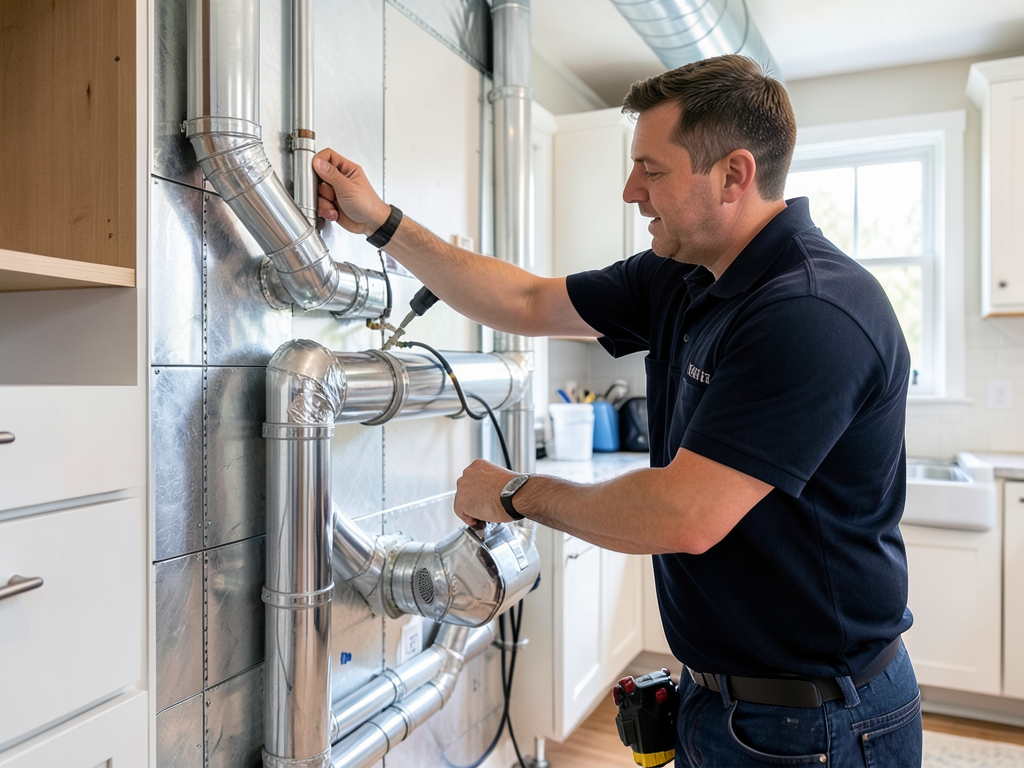
Moving Your Air Vents During a Major Kitchen Renovation in Upper Arlington

Moving Your Air Vents During a Major Kitchen Renovation in Upper Arlington Planning to move walls and reconfigure your kitchen…

The Landlord Guide to Low Maintenance HVAC in the University District

The Landlord Guide to Low Maintenance HVAC in the University District \n\n Managing rental properties in Columbus’s University District comes…

Why Westerville Homeowners are Looking into Solar Ready HVAC Systems

Why Westerville Homeowners are Looking into Solar Ready HVAC Systems Westerville homeowners are increasingly exploring solar-ready HVAC systems as energy…

Contact Us

Call Grand HVAC Columbus at (380) 253-3188 to schedule a free consultation and load calculation. We evaluate your home, explain equipment options, and provide a fixed-price proposal for ductless mini-split installation.