




Menu

Emergency Carbon Monoxide Leak Detection in Columbus – Same-Day Response When Every Minute Matters

When you smell gas or your CO alarm sounds, you need immediate carbon monoxide leak detection from technicians who arrive fast, diagnose accurately, and restore safety before exposure causes serious harm to your family.

Slider Image 1
Slider Image 2
Slider Image 3
Slider Image 4
Slider Image 5
Slider Image 7
Slider Image 8
Slider Image 9
Slider Image 10
Slider Image 11

Why Carbon Monoxide Emergencies Are More Common in Columbus Homes Than You Think

You wake up with a splitting headache. Your carbon monoxide detector is screaming. Your chest feels tight. This is not the time to wait.

Columbus experiences sharp temperature swings between seasons, forcing furnaces and water heaters to cycle harder and more frequently than in milder climates. When heating systems run at peak demand during February cold snaps or early November freezes, cracked heat exchangers, blocked flue pipes, and backdrafting combustion appliances create silent CO buildup. The older housing stock in neighborhoods like German Village and Victorian Village compounds this risk. Many homes still rely on original cast iron boilers or aging forced-air systems that were never designed for modern efficiency standards.

Carbon monoxide is invisible, odorless, and deadly. Symptoms mimic the flu: nausea, dizziness, confusion, fatigue. But unlike the flu, CO exposure can cause brain damage or death within hours. Emergency carbon monoxide testing is not optional when your alarm sounds or you suspect a leak. Professional CO leak inspection identifies the exact source, whether it is a furnace with a compromised heat exchanger, a gas water heater with improper venting, or a fireplace drafting smoke back into living spaces.

Columbus homes with attached garages face another hidden risk. Running a vehicle in the garage, even briefly, can introduce dangerous CO levels into adjacent living areas through shared walls or ductwork. Urgent carbon monoxide check services map CO concentrations room by room, pinpointing entry points you cannot see.

If your detector alarms, if you feel unexplained symptoms, or if multiple family members suddenly feel sick, evacuate immediately and call for CO gas detection service. This is a life-or-death situation.

Why Carbon Monoxide Emergencies Are More Common in Columbus Homes Than You Think
How Grand HVAC Columbus Performs Urgent Carbon Monoxide Leak Testing

How Grand HVAC Columbus Performs Urgent Carbon Monoxide Leak Testing

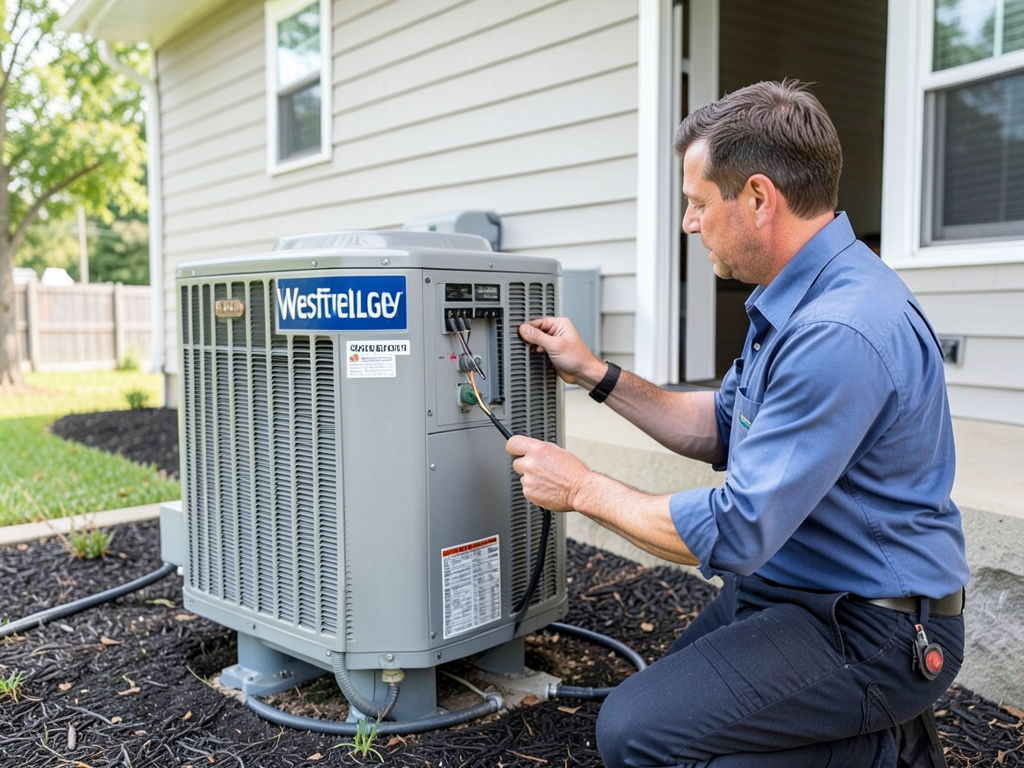
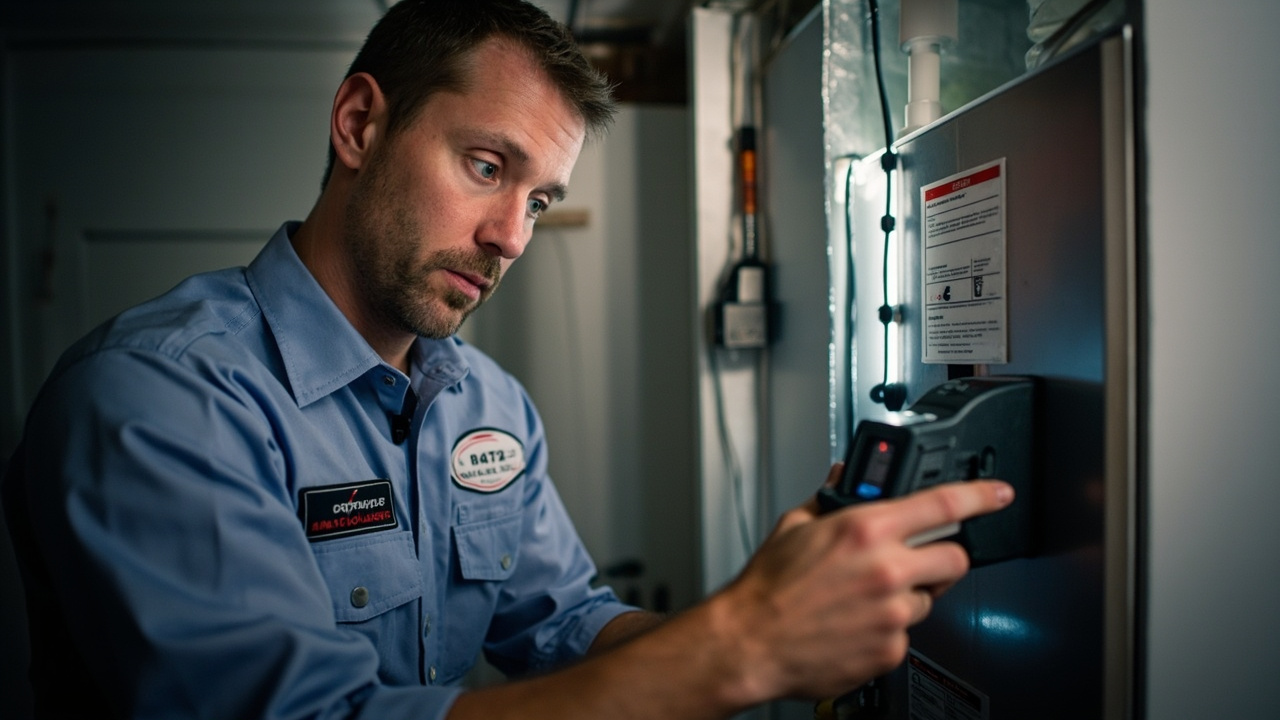
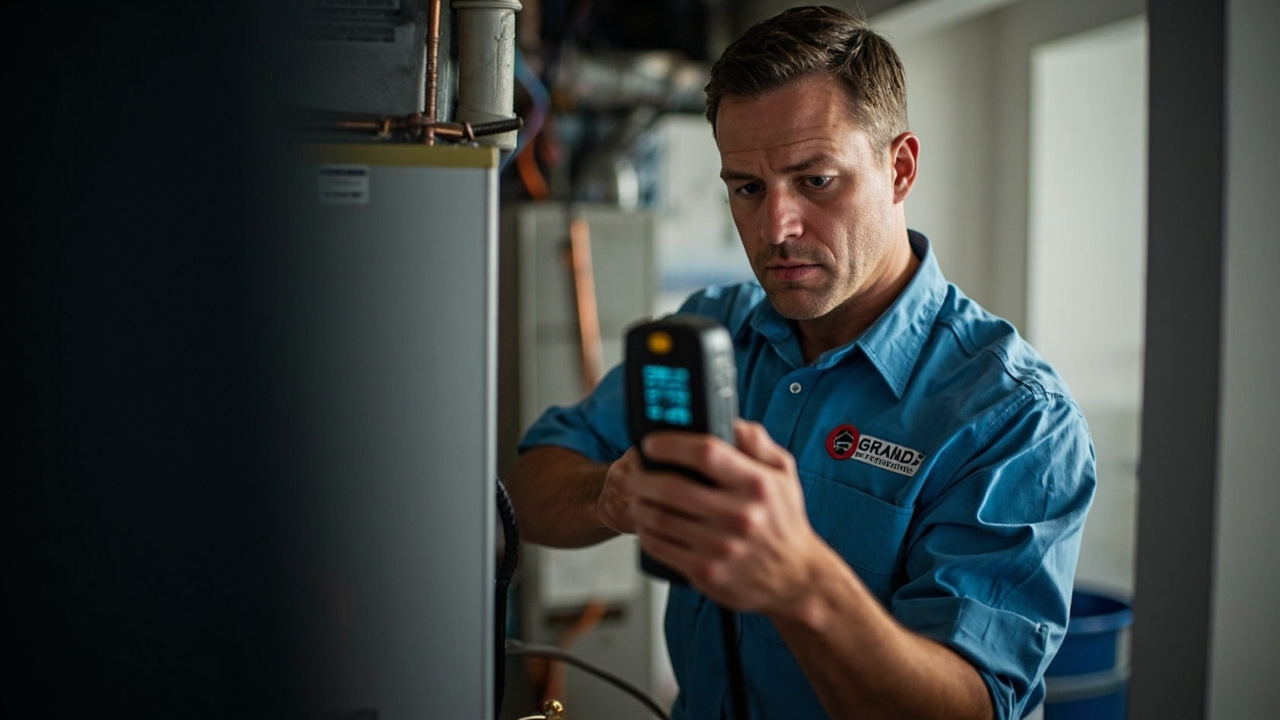
We do not waste time. When you call Grand HVAC Columbus for emergency carbon monoxide testing, we dispatch a certified technician to your property within the hour. Our trucks carry calibrated digital CO analyzers capable of detecting concentrations as low as one part per million, far more sensitive than consumer-grade detectors.

The first step is atmospheric testing. We measure ambient CO levels in every room, hallway, and basement to map where concentrations are highest. High readings near furnace rooms or water heater closets suggest combustion equipment failure. Elevated CO near windows or garage walls indicates external infiltration.

Next, we perform appliance-specific diagnostics. For furnaces, we inspect the heat exchanger for cracks using a fiber-optic borescope, check flue gas spillage at the draft hood, and measure combustion efficiency. A properly functioning furnace should produce zero detectable CO in living spaces. For gas water heaters, we verify proper draft through the vent pipe, check for corrosion or blockages, and test for backdrafting caused by negative pressure from bathroom exhaust fans or kitchen range hoods.

We also assess ventilation pathways. Blocked chimney flues, bird nests in B-vents, and improperly terminated PVC exhaust pipes from high-efficiency furnaces are common culprits. Columbus homes with finished basements often suffer from inadequate combustion air supply, starving appliances of oxygen and creating incomplete combustion.

Once we identify the source, we explain the problem in plain terms. You will understand what failed, why it happened, and what needs immediate repair versus what can wait. We prioritize life safety. If a furnace heat exchanger is cracked, we red-tag the unit and shut off gas supply. We do not leave until your home is safe.

What Happens During Your Emergency CO Inspection

Emergency Carbon Monoxide Leak Detection in Columbus – Same-Day Response When Every Minute Matters
01

Immediate Site Assessment

Our technician arrives with a handheld carbon monoxide analyzer and begins testing ambient air throughout your home. We start in bedrooms and living areas where occupants spend the most time, then move to mechanical rooms. This survey takes 10 to 15 minutes and establishes baseline CO levels. If readings exceed nine parts per million anywhere, we immediately investigate nearby combustion appliances and ventilation pathways.
02

Appliance Diagnostics and Source Tracing

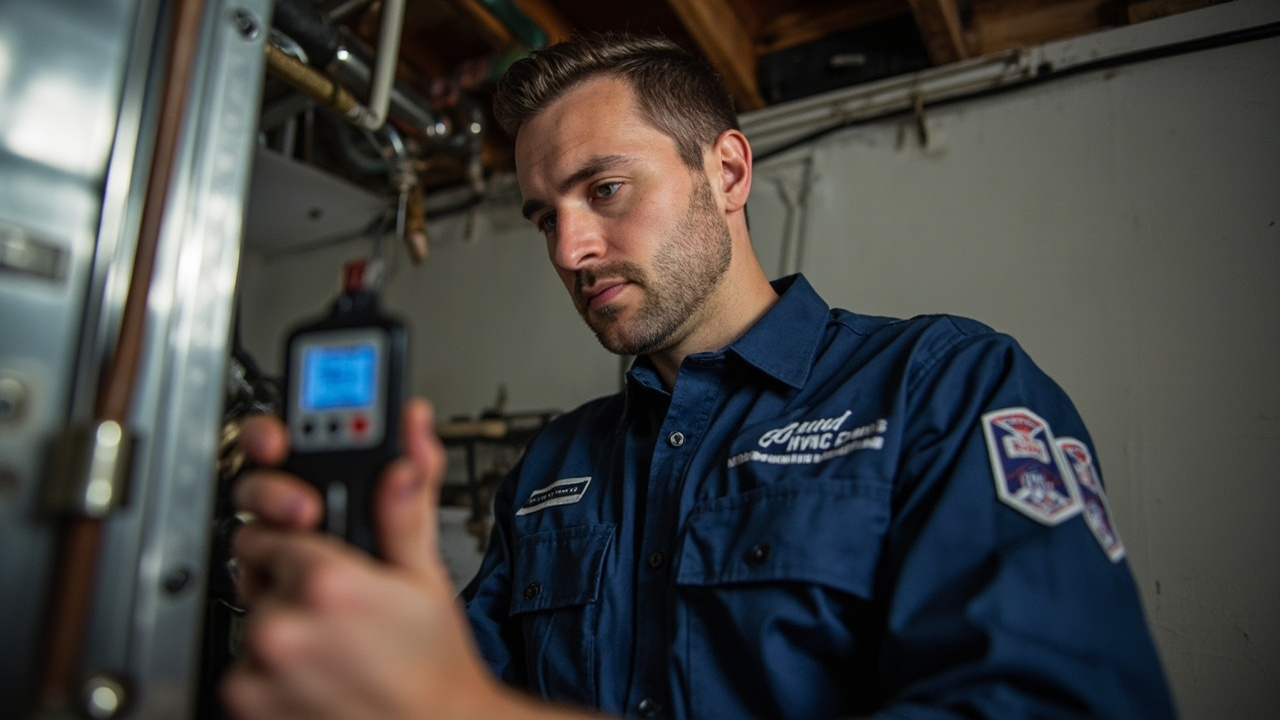
We test each gas-fired appliance individually. Using a combustion analyzer inserted into the flue pipe, we measure CO output, oxygen levels, and draft pressure. For furnaces, we remove access panels to visually inspect the heat exchanger and burner assembly. Water heaters get checked for proper venting and spillage. We also test garage ventilation, fireplace draft, and any other potential CO source until we locate the problem.
03

Safety Restoration and Documentation

Once the CO source is identified, we shut down the faulty equipment and explain the necessary repairs. You receive a written report documenting CO levels, defective components, and recommended corrective action. If immediate repair is required to restore heat safely, we provide options and complete the work on site. Before we leave, we retest the entire home to confirm CO levels have returned to zero.

Why Columbus Families Trust Grand HVAC Columbus for Carbon Monoxide Emergencies

When carbon monoxide is involved, you do not have time to research contractors or wait for callbacks. You need a team that answers immediately and arrives prepared.

Grand HVAC Columbus operates 24 hours a day, seven days a week, including holidays. We do not route calls to an answering service. You speak directly to dispatch, and we send a truck within 60 minutes. Our technicians carry advanced diagnostic equipment standard on every vehicle, so we do not need to return for additional tools or sensors.

Columbus-specific HVAC challenges require local expertise. We understand how the region's freeze-thaw cycles stress heat exchangers, how humidity affects combustion air quality, and how older homes in neighborhoods like Clintonville and Bexley often lack proper ventilation for modern high-efficiency furnaces. We have worked in every housing type this city offers, from 1920s bungalows with gravity furnaces to new-construction subdivisions in Westerville with sealed-combustion systems.

Our technicians are NATE-certified in heating and trained in combustion analysis. We follow protocols established by the American Gas Association and the National Fire Protection Association. When we red-tag an appliance, it stays off until the hazard is corrected. We do not cut corners, and we do not guess. CO detection requires precision, and we deliver it.

We also coordinate with local fire departments and utility providers when necessary. If Columbia Gas needs to shut off service or if the Columbus Division of Fire has been on site, we work within their directives and document findings for insurance or compliance purposes.

You can verify our work. We provide written reports with exact CO measurements, appliance model numbers, and photos of defective components. Transparency builds trust, and in an emergency, trust is everything.

What You Can Expect During Emergency Carbon Monoxide Testing

Response Time and Availability

We commit to same-day service for all carbon monoxide emergencies. When you call, we dispatch the nearest available technician immediately. Most Columbus-area responses occur within 60 to 90 minutes, depending on your location and current call volume. We operate around the clock, including weekends and holidays, because CO leaks do not follow business hours. If your detector alarms at 2 a.m., we answer and respond. You will not be told to wait until morning.

Diagnostic Process and Transparency

Our technician walks you through every step of the inspection. You will see real-time CO readings on our analyzers as we test each room and appliance. We explain what normal levels look like versus dangerous concentrations. If we find a cracked heat exchanger or blocked vent, we show you the defect using inspection cameras or photos. You make informed decisions because you understand the problem. We do not upsell or exaggerate. We present facts and options.

Safety Confirmation and Documentation

Once the CO source is addressed, we retest your entire home to verify air quality has returned to safe levels. You receive a written inspection report listing all measured CO concentrations, identified hazards, and completed repairs or recommendations. This documentation is critical if you need to file an insurance claim or provide proof of corrective action to landlords or property managers. We also provide guidance on when to replace CO detectors and how to maintain combustion appliances.

Follow-Up and Preventive Maintenance

After resolving the immediate emergency, we recommend an annual combustion safety inspection before each heating season. This proactive service catches heat exchanger deterioration, flue blockages, and ventilation issues before they become life-threatening. We also advise on carbon monoxide detector placement and lifespan. Detectors expire after five to seven years and lose sensitivity over time. Regular maintenance prevents future CO scares and ensures your heating system operates safely and efficiently.

Frequently Asked Questions

You Have Questions,
We Have Answers

How do you know if carbon monoxide is leaking? +

You cannot see, smell, or taste carbon monoxide, which makes leaks dangerous. Warning signs include physical symptoms like headaches, dizziness, nausea, and confusion in multiple people. Look for visual clues: soot buildup around furnaces, yellow or orange flames instead of blue in gas appliances, excess moisture on windows, and malfunctioning pilot lights. Your carbon monoxide detector alarm is the most reliable indicator. If it sounds, evacuate immediately and call 911. Columbus homes with older HVAC systems or gas appliances face higher risk during winter months when units run continuously.

How to check for carbon monoxide leak at home? +

Install UL-listed carbon monoxide detectors on every level of your home, especially near bedrooms. Test them monthly and replace batteries twice yearly. Inspect gas appliances for proper ventilation and watch for signs of incomplete combustion like soot or discoloration. Check furnace vents and chimneys for blockages, which happen frequently in Columbus due to bird nests or ice buildup. Schedule annual HVAC inspections before heating season starts. If you suspect a leak, open windows, evacuate everyone, and call for emergency service. Never ignore detector alerts or physical symptoms like headaches that improve when you leave the house.

Can my cell phone detect carbon monoxide? +

Your cell phone cannot detect carbon monoxide. There is no sensor built into standard smartphones that reads CO levels. Some apps claim detection ability, but these are misleading and dangerous. A few specialized external sensors can connect to your phone via Bluetooth, but these are not substitutes for hardwired or battery-powered UL-listed detectors. Relying on your phone puts your Columbus household at serious risk. Install proper carbon monoxide detectors instead. If you experience symptoms or suspect a leak, evacuate immediately and call 911. Technology cannot replace certified detection equipment when dealing with this silent, deadly gas.

Can you stay in a house with a carbon monoxide leak? +

No. Evacuate immediately if you detect carbon monoxide or experience symptoms. Even low-level exposure causes headaches, dizziness, and nausea. Prolonged exposure leads to unconsciousness, brain damage, and death. Carbon monoxide binds to your blood cells 200 times more effectively than oxygen, starving your organs. Columbus homeowners face increased risk during winter when homes are sealed tight and heating systems run constantly. Do not re-enter until emergency responders clear the home and a qualified HVAC technician identifies and repairs the source. Your life matters more than belongings. Get out, call 911, and wait for professional clearance.

What are two warning signs of carbon monoxide? +

Persistent headaches and dizziness affecting multiple household members are classic carbon monoxide warning signs. These symptoms worsen indoors and improve when you leave the house. Physical indicators include nausea, confusion, fatigue, and shortness of breath that feel like flu without fever. Visual warnings include yellow or orange flames on gas appliances instead of blue, excessive moisture on windows, and soot buildup around furnaces or fireplaces. Columbus homes with gas furnaces, water heaters, or fireplaces need vigilant monitoring during heating season. If you notice these signs, evacuate immediately and call for emergency help. Carbon monoxide poisoning mimics common illnesses, making detection critical.

Can a small gas leak make you feel sick? +

Yes. Even small gas leaks cause symptoms like headaches, dizziness, nausea, and fatigue. Natural gas itself contains mercaptan, which smells like rotten eggs, but carbon monoxide from incomplete combustion is odorless. You might experience respiratory irritation, difficulty concentrating, eye irritation, and general malaise. Columbus residents with older gas appliances or furnaces face higher exposure risk. Symptoms often worsen at night when HVAC systems run continuously. If you smell gas or experience unexplained illness that improves outside your home, evacuate immediately. Call your gas company and schedule an emergency HVAC inspection. Small leaks escalate quickly and create explosion hazards alongside health risks.

How quickly will you know if you have carbon monoxide poisoning? +

Symptoms appear within two hours at moderate exposure levels. At high concentrations, you lose consciousness within minutes. Initial signs include headache, dizziness, and nausea that resemble flu without fever. Severe exposure causes confusion, vomiting, chest pain, and loss of coordination before unconsciousness. Timing depends on concentration levels and duration. Columbus homeowners often experience gradual exposure from malfunctioning furnaces, noticing worsening symptoms over days. If multiple people feel sick simultaneously, suspect carbon monoxide immediately. Do not wait to feel worse. Evacuate, call 911, and seek medical attention. Brain damage occurs quickly at high concentrations, making immediate action critical for survival.

How do I use my iPhone to detect carbon monoxide? +

Your iPhone cannot detect carbon monoxide. Apple devices lack the necessary sensor technology to measure CO levels. Apps claiming detection capability are false and dangerous. Do not rely on your phone for life safety. Some third-party Bluetooth sensors connect to smartphones, but these are supplementary tools, not primary protection. Install UL-listed carbon monoxide detectors throughout your Columbus home instead. These dedicated devices use electrochemical sensors to accurately measure CO levels. Your iPhone is valuable for calling 911 during emergencies or contacting HVAC professionals for inspections. Technology shortcuts do not work for carbon monoxide detection. Use proper certified equipment to protect your household.

Can opening windows reduce carbon monoxide? +

Opening windows reduces carbon monoxide concentration but does not eliminate danger. Fresh air dilutes CO levels temporarily, but the source continues producing deadly gas. In Columbus winters, open windows also stress heating systems, potentially worsening combustion problems. If you suspect a leak, evacuate immediately rather than ventilating. Call 911 and wait outside for emergency responders. Windows provide minimal protection against active leaks from malfunctioning furnaces or blocked vents. Professional HVAC technicians must identify and repair the source before re-entry. Ventilation is not a fix. It creates false security while carbon monoxide accumulates in areas away from windows. Evacuate first, ventilate never as a solution.

What is the easiest way to detect carbon monoxide? +

Install UL-listed carbon monoxide detectors on every level of your home, including basements and near sleeping areas. These battery-powered or hardwired devices provide continuous monitoring and sound alarms when CO reaches dangerous levels. Place detectors at breathing height, not on ceilings where carbon monoxide may not concentrate immediately. Test monthly and replace batteries semi-annually. Columbus homeowners should also schedule annual HVAC inspections before heating season to catch combustion problems early. Detectors cost less than 50 dollars and save lives. Avoid relying on symptoms or visual checks alone. Carbon monoxide is invisible and odorless. Proper detectors are your only reliable early warning system.

How Columbus Home Construction Increases Carbon Monoxide Risk

Columbus sits in a region where older residential architecture dominates established neighborhoods. Homes built before 1980 often feature unlined masonry chimneys, undersized combustion air openings, and basement furnaces installed without adequate clearance. When homeowners add insulation or replace windows without addressing mechanical ventilation, they create negative pressure scenarios. Modern exhaust fans in kitchens and bathrooms pull air from the home faster than it can be replaced, causing furnaces and water heaters to backdraft. This draws combustion gases, including carbon monoxide, into living spaces instead of venting them outside. Professional CO leak inspection identifies these pressure imbalances and ensures your home breathes properly.

Columbus enforces mechanical codes based on the Ohio Building Code and International Residential Code, but older homes were grandfathered under less stringent standards. That means many properties lack the combustion air supply, proper venting, and sealed-combustion appliances required in new construction. Grand HVAC Columbus understands these local compliance gaps and helps homeowners bring aging systems up to modern safety standards. When we perform carbon monoxide leak testing, we evaluate your home through the lens of current best practices, not just what was acceptable decades ago. Local expertise matters because we know what Columbus inspectors expect and what Franklin County building officials require during renovation or resale.

HVAC Services in The Columbus Area

Grand HVAC Columbus is proud to serve the entire Columbus area and surrounding communities. We are committed to being a local, dependable resource for all your heating and cooling needs. Our convenient location ensures that we can respond quickly and efficiently to service calls, whether you're a residential or commercial client. We invite you to view our service area on the map to see how we can bring our expert HVAC solutions right to your doorstep.

Address:
Grand HVAC Columbus, 420 E 5th Ave, Columbus, OH, 43201

Additional Services We Offer

Our news updates

Latest Articles & News from The Blogs

Moving Your Air Vents During a Major Kitchen Renovation in Upper Arlington Planning to move walls and reconfigure your kitchen…

Moving Your Air Vents During a Major Kitchen Renovation in Upper Arlington

Moving Your Air Vents During a Major Kitchen Renovation in Upper Arlington Planning to move walls and reconfigure your kitchen…

The Landlord Guide to Low Maintenance HVAC in the University District

The Landlord Guide to Low Maintenance HVAC in the University District \n\n Managing rental properties in Columbus’s University District comes…

Why Westerville Homeowners are Looking into Solar Ready HVAC Systems

Why Westerville Homeowners are Looking into Solar Ready HVAC Systems Westerville homeowners are increasingly exploring solar-ready HVAC systems as energy…

Contact Us

If your carbon monoxide alarm is sounding or you suspect a leak, do not wait. Evacuate your home and call Grand HVAC Columbus at (380) 253-3188. We dispatch emergency technicians 24/7 to protect your family from this silent killer.