







Menu

AC Blowing Warm Air in Columbus – Expert Diagnosis in Under 2 Hours

When your air conditioner blows hot air instead of cooling your home, our technicians pinpoint the exact cause fast. We diagnose refrigerant leaks, compressor failures, and electrical issues specific to Columbus's climate demands.

Slider Image 1
Slider Image 2
Slider Image 3
Slider Image 4
Slider Image 5
Slider Image 7
Slider Image 8
Slider Image 9
Slider Image 10
Slider Image 11

Why Your AC Runs But Refuses to Cool Columbus Homes

You set the thermostat to 72. The unit hums along. But your central air keeps blowing warm air through the vents.

This problem escalates fast in Columbus. Summer humidity climbs above 70 percent regularly. When your air conditioning stops blowing cold air, indoor moisture builds. You notice it first in the bedrooms upstairs where heat rises. Then the discomfort spreads throughout your home.

The most common culprit is refrigerant loss. Your system needs a precise refrigerant charge to absorb heat. Even a small leak drops cooling capacity by 20 percent per pound lost. You might hear the outdoor unit running, but the ac vents blow hot air because the refrigerant cannot pull heat from your indoor air.

Compressor failure ranks second. The compressor pumps refrigerant through the system. When it fails partially, the outdoor fan spins and the indoor blower moves air, but no cooling happens. You feel air movement but zero temperature drop.

Frozen evaporator coils create the same symptom. Restricted airflow from a clogged filter forces the evaporator coil temperature below freezing. Ice blocks heat exchange. Your air conditioner runs but does not cool until the ice melts and proper airflow resumes.

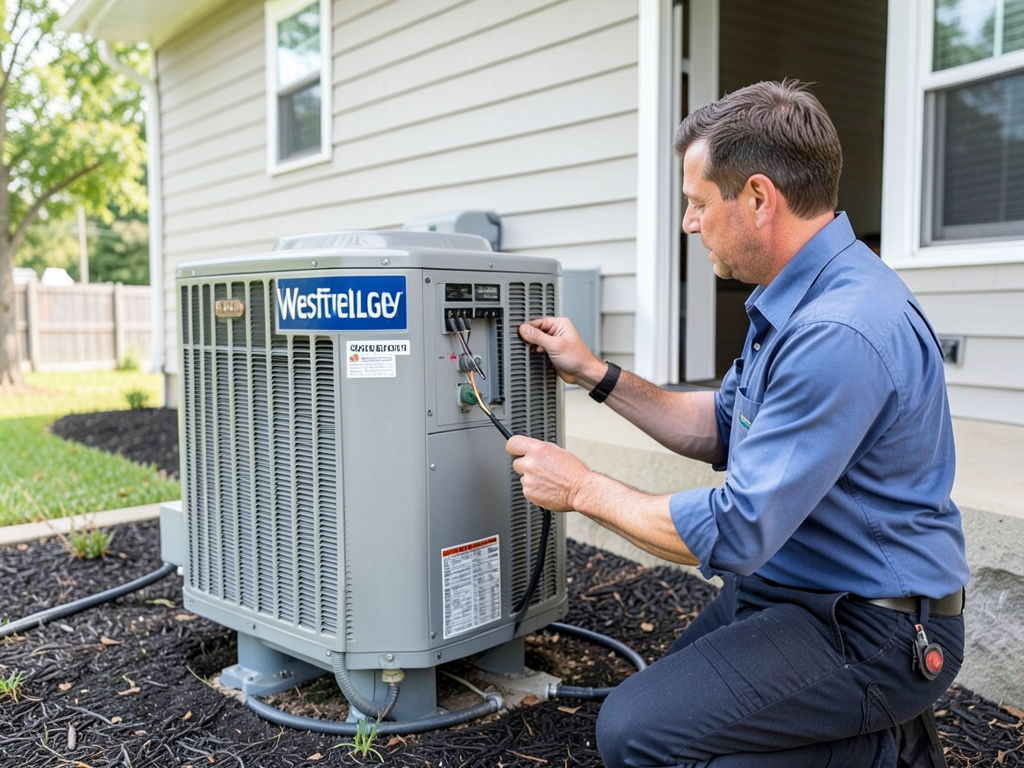
Electrical issues also cause this problem. A failed capacitor prevents the compressor from starting even though the fan runs. You see the outdoor unit operating, but only the fan blade turns. No compressor means no cooling cycle.

Columbus homeowners face another variable: undersized equipment installed during quick flips in Clintonville and German Village. These units cannot handle the cooling load during peak summer months. The system runs constantly but never achieves the set temperature.

Why Your AC Runs But Refuses to Cool Columbus Homes
How We Diagnose Why Your Air Conditioner Blows Hot Air

How We Diagnose Why Your Air Conditioner Blows Hot Air

We start with suction line temperature. A properly functioning system shows a cold suction line covered in condensation. If the line feels warm, we know immediately the refrigerant charge is low or the compressor has failed.

Next, we measure superheat and subcooling. Superheat tells us if the evaporator coil is starved for refrigerant. Subcooling reveals condenser performance and refrigerant charge accuracy. These measurements expose problems that visual inspection misses.

We check amp draw on the compressor. A compressor pulling below nameplate amps but running indicates internal mechanical failure. The motor spins but the pistons or scroll do not compress refrigerant. High amp draw suggests electrical problems or a locked rotor.

We inspect the reversing valve on heat pump systems. A stuck valve leaves the unit in heating mode even when you set it to cool. This causes the AC to blow warm air into your home while the outdoor unit rejects cold air outside.

We test capacitor microfarads with a multimeter. Capacitors lose capacity over time. A weak start capacitor prevents compressor startup. A weak run capacitor causes the compressor to overheat and shut down on thermal overload before completing a cooling cycle.

We examine the evaporator coil with a borescope camera if needed. Biological growth or debris buildup blocks airflow and refrigerant flow. This restriction creates the same symptom as low refrigerant even when the charge is correct.

We pull filter drier samples if we suspect contamination. Moisture or acid in the refrigerant circuit degrades compressor internals and creates partial blockages. The system appears to operate normally but cooling capacity drops by half.

Columbus's concrete slab foundations shift with clay soil movement. We check refrigerant line routing for kinks or crimps where lines pass through the foundation. A 30 percent restriction in liquid line diameter cuts cooling capacity significantly.

What Happens During Your Warm Air Service Call

AC Blowing Warm Air in Columbus – Expert Diagnosis in Under 2 Hours
01

Temperature and Pressure Mapping

We arrive with calibrated digital gauges and infrared thermometers. First, we record supply and return air temperatures at multiple vents to establish the temperature split. Then we attach manifold gauges to measure suction and discharge pressures. These readings tell us whether the problem sits in the refrigerant circuit, airflow path, or electrical system. We document baseline conditions before touching any components.
02

Component Isolation Testing

We systematically test each component that affects cooling. We bypass the thermostat to eliminate control board issues. We measure voltage and amperage at the compressor, condenser fan, and blower motor. We inspect the expansion device for blockage or malfunction. We check for refrigerant leaks using electronic detectors sensitive to two grams per year. This methodical approach identifies the failed component without guessing or replacing parts unnecessarily.
03

Repair and Performance Verification

After we complete the repair, we run the system through a full cooling cycle. We verify suction line temperature drops below 50 degrees. We confirm supply air temperature reaches 55 to 60 degrees with proper humidity removal. We measure the temperature split between return and supply to ensure it falls between 15 and 22 degrees. We document final pressures and temperatures so you have a performance baseline for future service.

Why Columbus Homeowners Choose United HVAC Kansas City for AC Repairs

We carry parts on the truck for 90 percent of repairs. When your air conditioning blows hot air during a July heatwave, you cannot wait three days for a part order. We stock capacitors, contactors, start components, and refrigerant so we complete most repairs the same day.

Our technicians train on heat pump systems specifically. Many Columbus homes run heat pumps because of moderate winter temperatures. Heat pumps use reversing valves and more complex refrigerant circuits than straight cool systems. Misdiagnosis wastes your money and leaves you uncomfortable.

We understand Columbus's housing stock. German Village homes with original ductwork need different solutions than new construction in New Albany. We have repaired systems in homes built in 1890 and homes completed last month. This experience means we identify problems faster and recommend solutions that actually work for your specific home.

We provide written diagnosis before repair. You receive a detailed explanation of what failed, why it failed, and what we recommend. We explain your options clearly. If your compressor failed and the system is 15 years old, we present repair cost versus replacement cost so you make an informed decision.

We pull permits for refrigerant work when required. Some contractors skip this step to save time. Unpermitted work creates liability issues and can affect your home sale later. We follow EPA regulations and local codes because proper documentation protects you.

We test airflow after every repair. A system might cool properly on the gauge set but deliver weak airflow because of duct leaks or undersized returns. We measure static pressure and airflow at the registers to confirm the entire system operates correctly, not just the refrigerant circuit.

Our Columbus office dispatches technicians from Whitehall, so we reach most addresses in 45 to 90 minutes. We do not route calls through a national call center in another state. You talk to someone in Ohio who understands local conditions.

What to Expect When Your AC Blows Warm Air

Response Time and Scheduling

We dispatch technicians within two hours for cooling failures during business hours. After hours and weekend calls receive response by the next morning unless you request emergency service. We provide a two hour arrival window, not an all-day block. You receive a text message when the technician is 20 minutes away so you do not waste your day waiting. Most diagnostic visits take 45 to 90 minutes depending on system complexity and access challenges. We complete straightforward repairs like capacitor replacement or filter changes on the same visit.

Diagnostic Process and Transparency

Our technician explains what they find in plain language. We show you the failed component when possible. If your capacitor is bulging or leaking, we show you. If your evaporator coil is frozen, we show you the ice buildup and explain why it happened. We take photos of major failures for your records. You receive a written estimate before we start any repair work. We break down parts cost and labor separately so you understand exactly what you pay for. We do not bundle diagnostic fees into inflated repair prices.

Repair Quality and Testing

We use OEM or equivalent quality parts, not economy grade components that fail prematurely. After repair completion, we run the system for at least one full cooling cycle to verify proper operation. We measure final temperatures and pressures to confirm the system meets manufacturer specifications. We clean the work area and haul away old parts. You receive documentation of all work performed, including refrigerant type and amount added if applicable. This documentation is critical for future service and proves proper refrigerant handling per EPA rules.

Ongoing Maintenance Recommendations

We provide specific maintenance recommendations based on what we found during diagnosis. If your evaporator coil was frozen because of a dirty filter, we explain the filter change schedule your system requires. If we found early signs of compressor failure, we recommend monitoring the system and planning for replacement before total failure occurs during peak summer. We offer maintenance agreements that include annual inspections, priority scheduling, and discounts on repairs. These plans catch small problems before they become expensive failures.

Frequently Asked Questions

You Have Questions,
We Have Answers

Why is my AC just blowing warm air? +

Your AC blows warm air due to refrigerant leaks, a failed compressor, frozen evaporator coils, or electrical failures. Start by checking your thermostat settings and air filter. A clogged filter restricts airflow and forces your system to work harder. In Columbus, high summer humidity can cause ice buildup on coils, blocking cold air. If the outdoor unit stops running, the compressor may have failed. Refrigerant leaks are common in older units and require professional repair. Do not ignore this problem. Warm air means your system is running without cooling, wasting energy and risking total failure.

Why is my AC running but not cooling? +

Your AC runs but fails to cool because of refrigerant loss, a broken compressor, dirty condenser coils, or a faulty capacitor. Check the outdoor unit. If the fan spins but the compressor stays silent, the capacitor or compressor has failed. Columbus summers put heavy strain on AC systems, and dirty coils lose efficiency fast. Clean debris from around the outdoor unit and replace your filter. If the system still runs without cooling, you likely need refrigerant or a compressor repair. Running a non-cooling AC wastes electricity and can damage other components.

What is the 3 minute rule for air conditioners? +

The three-minute rule prevents compressor damage by allowing pressure to equalize after shutdown. If you turn your AC off and immediately restart it, high pressure can strain the compressor and blow the capacitor. Wait three minutes before restarting your system after any shutdown. This rule applies after power outages, which are common in Columbus during summer storms. Modern thermostats often have built-in time delays to enforce this rule automatically. If your AC short-cycles or trips breakers frequently, the compressor may already be struggling. Call a technician to check for deeper electrical problems.

How to reset AC not blowing cold air? +

Reset your AC by turning off the thermostat, then switching off the circuit breaker for five minutes. This clears minor electrical glitches and resets the control board. After five minutes, turn the breaker back on and set your thermostat to cool. Wait 10 minutes for the system to start. If warm air persists, check your air filter and outdoor unit for debris. In Columbus, power surges from summer storms can trip safety switches. A reset fixes temporary issues, but recurring problems mean refrigerant loss, compressor failure, or electrical damage that requires professional diagnosis.

Should I turn off the AC if it blows hot air? +

Yes, turn off your AC if it blows hot air continuously. Running a malfunctioning system wastes energy and can cause compressor burnout or electrical damage. Check your thermostat first. If it is set correctly and the filter is clean, the problem is mechanical. Columbus heat puts stress on aging systems, and a struggling compressor can overheat and fail completely. Turn the system off at the thermostat and circuit breaker to prevent further damage. Call a technician immediately. Delaying repair turns a manageable fix into a total system replacement, especially during peak cooling season.

What are signs of a failing AC compressor? +

A failing compressor makes loud clicking, grinding, or buzzing noises when the outdoor unit tries to start. You may notice the fan running but the compressor staying silent. Warm air from vents, frequent breaker trips, and hard starting are clear warning signs. In Columbus, compressors fail from overwork during hot, humid summers and lack of maintenance. The outdoor unit may vibrate excessively or leak refrigerant oil around the base. If your system short-cycles or struggles to start, the compressor is dying. Compressor replacement costs nearly as much as a new system, so act fast.

Should you turn off AC if it's not cooling? +

Yes, shut off your AC if it stops cooling. Running a non-cooling system wastes electricity and risks compressor damage. The system circulates air without removing heat, driving up your energy bill for no benefit. Columbus summers are brutal, and a failed AC can overheat electrical components or freeze coils from restricted airflow. Turn off the thermostat and check the filter and outdoor unit for obvious problems. If you cannot identify the issue, leave the system off and call a technician. Continuing to run a broken AC accelerates wear and turns minor repairs into expensive replacements.

What is the $5000 rule for AC? +

The $5,000 rule compares repair costs to replacement costs. Multiply the repair estimate by your system's age in years. If the result exceeds $5,000, replace the unit instead of repairing it. For example, a $500 repair on a 12-year-old system equals $6,000, meaning replacement is smarter. In Columbus, older systems struggle with humidity and efficiency, driving up cooling costs. If your AC needs frequent repairs or uses R-22 refrigerant, replacement saves money long-term. Modern units are far more efficient and handle Ohio's variable climate better. Consult a technician for a cost breakdown.

How to tell if AC is low on refrigerant? +

Low refrigerant causes ice buildup on the evaporator coils, warm air from vents, hissing sounds near the indoor unit, and longer cooling cycles. Check the outdoor unit for oil stains, which indicate a refrigerant leak. In Columbus, humidity makes low refrigerant obvious because the system cannot dehumidify properly, leaving your home clammy. Your energy bill may spike as the system runs constantly without cooling. Low refrigerant is always a leak, not a maintenance issue. Refrigerant does not deplete naturally. A technician must find the leak, repair it, and recharge the system to restore cooling.

How cool should my house be if it's 100 outside? +

Your AC should keep your home 15 to 20 degrees cooler than the outdoor temperature. If it is 100 degrees outside, expect indoor temps around 80 to 85 degrees. Columbus summers combine high heat with humidity, which makes cooling harder. An oversized or undersized system struggles in extreme heat. Ensure your home is well-insulated, close blinds during peak sun, and replace air filters monthly. If your AC cannot maintain a 15-degree difference, you may have refrigerant loss, duct leaks, or an aging system. Unrealistic expectations lead to overworking your unit and premature failure.

How Columbus Humidity Accelerates AC Failures That Cause Warm Air

Columbus sits in a humid continental climate zone where summer dew points regularly exceed 65 degrees. This moisture stresses evaporator coils harder than dry climates experience. Your system must remove humidity and lower temperature simultaneously. When airflow drops even 15 percent from a partially clogged filter, the evaporator coil temperature drops below freezing. Ice forms and blocks heat exchange. The system runs but cannot cool because refrigerant cannot absorb heat through ice. This failure pattern appears more frequently in Columbus than in drier cities at the same latitude.

United HVAC Kansas City technicians train specifically on humidity-related failures common to central Ohio. We see the patterns other companies miss because we focus exclusively on this market. When your air conditioner runs but does not cool, we know to check condensate drain blockages that other climates rarely experience. We understand how Columbus's spring temperature swings stress refrigerant seals and create slow leaks that manifest as warm air problems by June. This local expertise means we diagnose the actual problem on the first visit instead of replacing parts until something works.

HVAC Services in The Columbus Area

Grand HVAC Columbus is proud to serve the entire Columbus area and surrounding communities. We are committed to being a local, dependable resource for all your heating and cooling needs. Our convenient location ensures that we can respond quickly and efficiently to service calls, whether you're a residential or commercial client. We invite you to view our service area on the map to see how we can bring our expert HVAC solutions right to your doorstep.

Address:
Grand HVAC Columbus, 420 E 5th Ave, Columbus, OH, 43201

Additional Services We Offer

Our news updates

Latest Articles & News from The Blogs

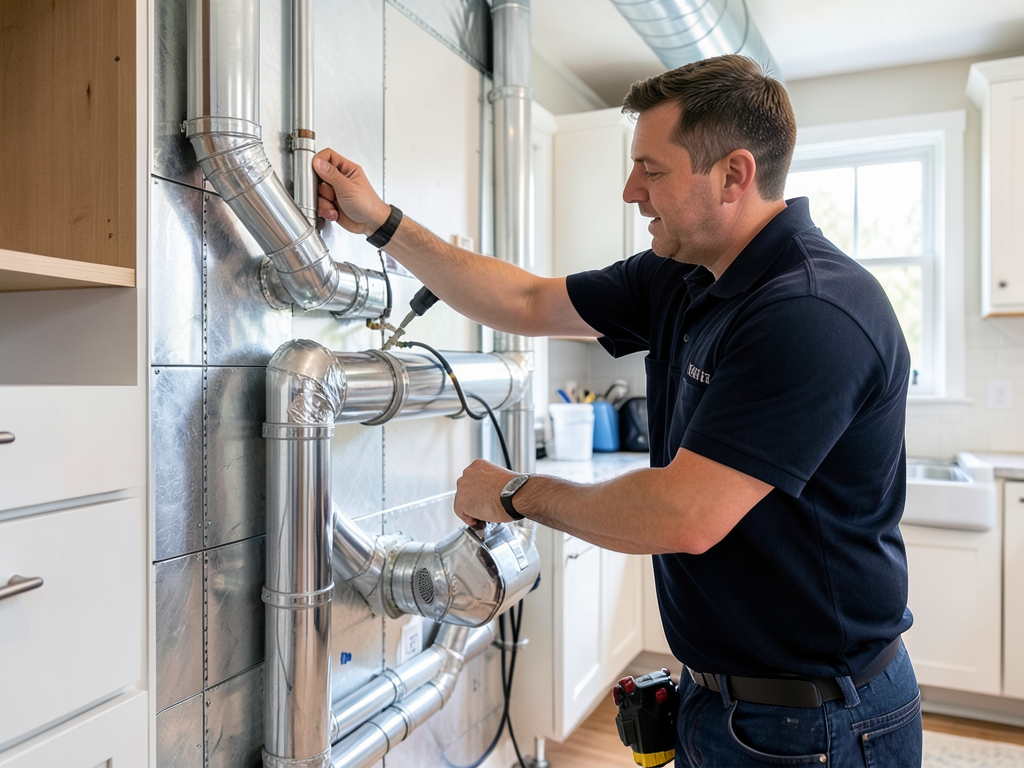
Moving Your Air Vents During a Major Kitchen Renovation in Upper Arlington Planning to move walls and reconfigure your kitchen…

Moving Your Air Vents During a Major Kitchen Renovation in Upper Arlington

Moving Your Air Vents During a Major Kitchen Renovation in Upper Arlington Planning to move walls and reconfigure your kitchen…

The Landlord Guide to Low Maintenance HVAC in the University District

The Landlord Guide to Low Maintenance HVAC in the University District \n\n Managing rental properties in Columbus’s University District comes…

Why Westerville Homeowners are Looking into Solar Ready HVAC Systems

Why Westerville Homeowners are Looking into Solar Ready HVAC Systems Westerville homeowners are increasingly exploring solar-ready HVAC systems as energy…

Contact Us

Your home should not feel like a sauna while your AC runs continuously. Call (380) 253-3188 now for same-day diagnosis. Our technicians carry the parts to fix most warm air problems on the first visit.