





Menu

Uneven Heating or Cooling in Columbus | Fast Diagnosis and Permanent Solutions

Our certified technicians identify the root cause of inconsistent room temperatures and hot and cold spots in your home, delivering targeted repairs that restore balanced comfort throughout every room.

Slider Image 1
Slider Image 2
Slider Image 3
Slider Image 4
Slider Image 5
Slider Image 7
Slider Image 8
Slider Image 9
Slider Image 10
Slider Image 11

Why Columbus Homes Struggle with Temperature Balance

You walk from your bedroom to the kitchen and feel a temperature swing. One room freezes while another stays stuffy. This home temperature imbalance frustrates Columbus residents daily, and the region's climate makes it worse.

Columbus experiences dramatic seasonal shifts. Winter brings cold snaps that push furnaces hard. Summer humidity loads stress air conditioners beyond their rated capacity. These extreme swings expose weaknesses in your HVAC system that create uneven airflow distribution.

Older homes in German Village and Victorian Village often feature additions built decades apart. Each section may have different ductwork designs, insulation standards, and ceiling heights. When a single thermostat tries to control multiple zones with different thermal characteristics, you get different temperatures in each room.

New construction faces problems too. Builders often size HVAC equipment based on square footage alone, ignoring window orientation, insulation quality, and ductwork layout. A system that looks adequate on paper creates hot and cold spots the day you move in.

Columbus's clay soil shifts with moisture changes. This movement can separate ductwork joints in crawl spaces, creating air leaks that rob certain rooms of conditioned air. You pay to heat or cool air that never reaches its destination.

Short cycling compounds the issue. When your system turns on and off rapidly, rooms far from the air handler never receive enough conditioned air to reach the thermostat setpoint. Inconsistent room temperatures become the new normal, and your energy bills climb while comfort drops.

Why Columbus Homes Struggle with Temperature Balance
How We Diagnose and Fix Temperature Imbalances

How We Diagnose and Fix Temperature Imbalances

Generic troubleshooting wastes your time and money. We use a systematic diagnostic protocol that pinpoints the actual cause of uneven heating or cooling in your home.

Our technicians start with airflow measurement at each register. We use a calibrated anemometer to record cubic feet per minute at supply vents throughout your home. This data reveals which rooms receive inadequate airflow and by how much.

Next, we perform a complete duct inspection. We access your attic, crawlspace, and basement to examine ductwork integrity. We look for disconnected joints, crushed flex duct, inadequate insulation, and improper damper settings. Thermal imaging cameras reveal hidden air leaks that visual inspection misses.

We evaluate your equipment capacity against actual load requirements. Many systems are oversized, which causes short cycling and poor dehumidification. Undersized equipment runs continuously without reaching setpoint. We calculate Manual J load requirements room by room to verify proper sizing.

Static pressure testing comes next. We measure pressure drop across the blower, supply plenum, and return plenum. High static pressure indicates restricted airflow from dirty coils, undersized ductwork, or blocked return paths. This single measurement explains many comfort problems.

We inspect your thermostat location and calibration. A thermostat in direct sunlight or near a draft gives false readings that create temperature swings in other rooms. We verify placement meets manufacturer specifications.

Finally, we test refrigerant charge, blower speed, and heat exchanger operation. A system with correct airflow but improper refrigerant charge still creates hot and cold spots. We verify every parameter falls within specification before proposing solutions.

What Happens During Your Comfort Restoration Service

Uneven Heating or Cooling in Columbus | Fast Diagnosis and Permanent Solutions
01

Complete Home Assessment

We measure temperatures in every room and document airflow at each register. Our technicians map your ductwork layout and identify insulation deficiencies. We test static pressure across your system and inspect all mechanical components. This comprehensive data collection reveals exactly why you experience uneven heating or cooling, eliminating guesswork from the repair process.
02

Targeted System Corrections

Based on diagnostic findings, we implement specific corrections. This might include sealing duct leaks, adding return pathways, adjusting dampers, upgrading insulation, or modifying airflow patterns. We address the root cause rather than symptoms. If equipment replacement makes economic sense, we provide Manual J calculations proving the recommendation. Every correction targets measured deficiencies in your specific home.
03

Performance Verification Testing

After corrections, we re-measure airflow at every register to verify improvement. We monitor system operation through complete heating and cooling cycles, confirming balanced temperatures room to room. You receive documentation showing before and after measurements. We explain maintenance steps that preserve comfort and prevent future temperature imbalances. Your home should feel consistent in every room, and our testing proves it does.

Why Columbus Residents Choose Grand HVAC for Temperature Issues

Fixing uneven heating or cooling requires knowledge of building science, not just mechanical skills. Grand HVAC Columbus brings that expertise to every service call.

We understand how Columbus's architectural diversity affects comfort. Historic homes in Clintonville feature plaster walls, small ductwork, and gravity heating conversions. Split-level ranch homes in Upper Arlington have complex duct runs across multiple floor levels. New builds in New Albany include high ceilings and open floor plans that challenge conventional HVAC design. We have solved temperature imbalances in all these home styles.

Our technicians receive ongoing training in building diagnostics, not just equipment repair. We invest in professional-grade testing equipment that most HVAC companies skip. Thermal cameras, digital manometers, and airflow measurement tools cost thousands, but they reveal problems that visual inspection misses.

We prioritize duct system performance. Many HVAC companies focus exclusively on equipment while ignoring the delivery system. A perfect furnace or air conditioner cannot overcome inadequate ductwork. We seal leaks with mastic compound, not tape. We insulate to current code requirements. We size and route ducts according to Air Conditioning Contractors of America standards.

You receive transparent pricing before work begins. We explain what we found, why it causes your comfort problem, and what correction costs. No surprise charges appear on your invoice.

We stock parts for common repairs on every truck. When we identify a failed damper actuator, restricted filter base, or disconnected flex duct, we fix it the same day. You do not wait days for a follow-up appointment while suffering through temperature swings.

Our reputation in Columbus comes from solving problems other companies could not diagnose. When you have called three other contractors without results, we find the answer.

What to Expect When You Call Grand HVAC Columbus

Same-Day Diagnostic Appointments

We schedule diagnostic appointments within 24 hours of your call. Most Columbus area homes receive same-day service when you contact us before noon. Our technicians arrive in a fully equipped service vehicle ready to perform complete testing. The diagnostic visit typically takes 90 minutes to two hours, depending on home size and system complexity. You receive a detailed explanation of findings before you authorize any repair work. We do not rush through diagnostics to squeeze in more service calls. Accurate diagnosis requires time, and we allocate enough to do it right the first visit.

Detailed Diagnostic Report

You receive a written report documenting temperatures in each room, airflow measurements at every register, static pressure readings, and equipment performance data. We include photos of problem areas we discovered during duct inspection. This report explains in clear language what causes your temperature imbalance and which corrections will fix it. We provide pricing for each recommended repair, so you can prioritize work based on budget and severity. Many customers use this report to understand their HVAC system better, even if they delay repairs. The diagnostic fee applies toward repair costs when you authorize work the same day.

Guaranteed Temperature Balance

Our repairs target measured deficiencies, which means we can guarantee results. When we seal ductwork, adjust airflow, or modify system operation, we verify improvement with the same instruments used during diagnosis. You see documented proof that corrections eliminated the temperature imbalance. We do not consider the job complete until measurements confirm every room receives adequate conditioned air. If you still experience hot and cold spots after our corrections, we return at no charge to investigate further. Our goal is consistent comfort in every room, and we stand behind that commitment with post-repair testing that proves we achieved it.

Preventive Maintenance Plans

Temperature imbalances often return when filters clog, dampers drift, or ductwork settles. Our maintenance plans include airflow verification, filter replacement, damper inspection, and refrigerant charge testing performed twice annually. We catch small problems before they recreate the comfort issues you just paid to fix. Plan members receive priority scheduling and discounted service rates. You also get reminders when seasonal maintenance comes due, so you never forget to schedule appointments. Regular maintenance extends equipment life and preserves the comfort improvements we just delivered. Many customers find that annual maintenance costs less than a single emergency repair call.

Frequently Asked Questions

You Have Questions,
We Have Answers

Is uneven heating normal? +

No. Uneven heating is not normal and signals a problem with your HVAC system or home's thermal envelope. Common causes include blocked vents, dirty air filters, duct leakage, or an aging furnace that struggles to distribute air evenly. In Columbus homes, poor insulation in older attics or basements often worsens the issue during winter cold snaps. A few degrees of variation between rooms is manageable, but hot and cold zones mean your system is working inefficiently. You are paying more for less comfort. Get a professional diagnostic to identify the root cause.

Is 70 heat the same as 70 cool? +

No. Your furnace must work harder to maintain 70 degrees in winter than your air conditioner does in summer. Heating involves a larger temperature differential between indoor and outdoor air in Columbus winters, where outdoor temps can drop to single digits. Furnaces also deliver hotter air through ducts, which can create stratification, where warm air rises and cool pockets form near floors. Air conditioners remove humidity, which makes 70 degrees feel cooler and more comfortable. The perception of comfort changes based on humidity, radiant heat from walls, and air movement.

How do you fix a house temperature imbalance? +

Start with simple fixes. Check that all supply vents are open and free from furniture or drapes. Replace your air filter if it looks dirty. Close vents partially in overheated rooms to redirect airflow to cooler areas. If the imbalance persists, you need a professional assessment. Duct leakage, undersized ductwork, or a furnace that is too small for your home often cause chronic temperature imbalance in Columbus homes. A zoned HVAC system or ductwork balancing by a technician can solve stubborn hot and cold spots without replacing your entire system.

What is the $5000 rule for HVAC? +

The 5000 dollar rule is a guideline for deciding whether to repair or replace your HVAC system. Multiply the age of your unit by the repair cost. If the result exceeds 5000, replacement is often smarter financially. For example, if your 15-year-old furnace needs a 400 dollar repair, that equals 6000. Replace it. This rule accounts for diminishing returns on aging equipment. Columbus homeowners with furnaces over 12 years old should weigh efficiency gains from newer units, which can cut heating bills by 20 to 30 percent.

Why is half my house hot and half cold? +

Your ductwork is the most common culprit. Leaky or disconnected ducts in unconditioned spaces like attics or crawl spaces lose heated or cooled air before it reaches rooms. Undersized ducts or a poorly designed duct layout also create hot and cold zones. In Columbus, homes built before 1980 often have inadequate insulation in exterior walls, which makes rooms on one side of the house harder to heat or cool. An improperly sized HVAC unit or a failing blower motor can worsen the problem. A professional duct inspection pinpoints the issue.

Do I need a plumber to balance my radiators? +

No. You can balance radiators yourself if you have a hydronic heating system. Balancing involves adjusting lockshield valves on each radiator to control water flow. Radiators farthest from the boiler should be fully open, while closer ones should be partially closed to ensure even heat distribution. However, if your boiler pressure is incorrect, you have leaks, or radiators stay cold despite adjustments, call an HVAC technician who services hydronic systems. Columbus homes with older boiler systems may need professional bleeding or repairs to restore balanced heating across all rooms.

What is the 3 minute rule for AC? +

The 3 minute rule prevents short cycling, which damages your air conditioner compressor. After your AC shuts off, wait at least 3 minutes before restarting it. This allows refrigerant pressure to equalize inside the system. If you flip the thermostat on and off rapidly, high pressure can cause the compressor to overheat or fail prematurely. Columbus summers put heavy demand on AC units, and short cycling reduces efficiency while increasing wear. Modern thermostats with built-in delay features protect your equipment, but manual overrides should respect this rule.

Why does my house feel cold at 73 in winter? +

Winter air is drier, which makes 73 degrees feel colder than it does in summer. Your body loses heat faster in low humidity. Columbus winters often drop indoor humidity below 30 percent, which increases the chill factor. Radiant heat loss also plays a role. If your walls, windows, or floors are cold, your body radiates heat toward those surfaces, making you feel colder even when the thermostat reads 73. Draft infiltration around windows or doors worsens the problem. Adding a humidifier and sealing air leaks improves comfort without raising the thermostat.

How long should it take to cool a house from 78 to 74? +

Expect 30 to 60 minutes for a properly sized AC unit to drop your home 4 degrees. Variables include outdoor temperature, home insulation, thermostat placement, and unit capacity. In Columbus summer heat, especially during humid afternoons, cooling can take longer. If your AC runs for hours without reaching setpoint, you have a problem. Possible causes include low refrigerant, a dirty evaporator coil, or an undersized unit for your square footage. Excessive runtime also spikes your electric bill. A cooling system that struggles to maintain temperature needs professional diagnosis.

What are the signs of a poorly insulated house? +

Watch for drafts near windows, doors, or electrical outlets. Ice dams on your roof in winter signal heat escaping through the attic. High energy bills despite moderate thermostat settings are a red flag. Rooms that feel significantly warmer or cooler than the rest of your home indicate poor insulation. In Columbus, older homes with uninsulated exterior walls or inadequate attic insulation struggle during temperature extremes. Check for condensation on windows, which suggests your home cannot retain conditioned air. A thermal imaging scan identifies hidden insulation gaps that waste energy year-round.

How Columbus's Seasonal Extremes Expose HVAC System Weaknesses

Columbus experiences temperature swings that stress HVAC systems year-round. Summer humidity pushes indoor dew points above 60 degrees, which makes cooling feel inadequate even when air temperature reaches setpoint. Winter cold snaps drop outdoor temperatures below 15 degrees, forcing furnaces to run extended cycles that expose airflow imbalances. Spring and fall bring 40-degree daily temperature swings that reveal poor thermostat location and inadequate system zoning. These seasonal extremes make uneven heating or cooling more noticeable here than in milder climates. Systems that performed adequately in moderate weather fail to maintain comfort when Columbus weather turns severe. Your HVAC system must handle these extremes without creating hot and cold spots.

Grand HVAC Columbus has diagnosed temperature imbalances in every Columbus neighborhood, from Victorian Village to Reynoldsburg. We understand how German Village brick homes retain heat differently than Dublin vinyl-sided construction. We know that Clintonville bungalows often lack adequate return air pathways, while New Albany homes suffer from oversized equipment installed by builders cutting costs. Local building inspectors recognize our work, and real estate agents refer buyers to us for pre-purchase HVAC evaluations. We have built relationships with Columbus homeowners by solving problems that other contractors blamed on old equipment or inadequate insulation. When the issue is actually ductwork design or airflow balance, replacing equipment wastes money. We tell you what you need, not what generates the biggest invoice.

HVAC Services in The Columbus Area

Grand HVAC Columbus is proud to serve the entire Columbus area and surrounding communities. We are committed to being a local, dependable resource for all your heating and cooling needs. Our convenient location ensures that we can respond quickly and efficiently to service calls, whether you're a residential or commercial client. We invite you to view our service area on the map to see how we can bring our expert HVAC solutions right to your doorstep.

Address:
Grand HVAC Columbus, 420 E 5th Ave, Columbus, OH, 43201

Additional Services We Offer

Our news updates

Latest Articles & News from The Blogs

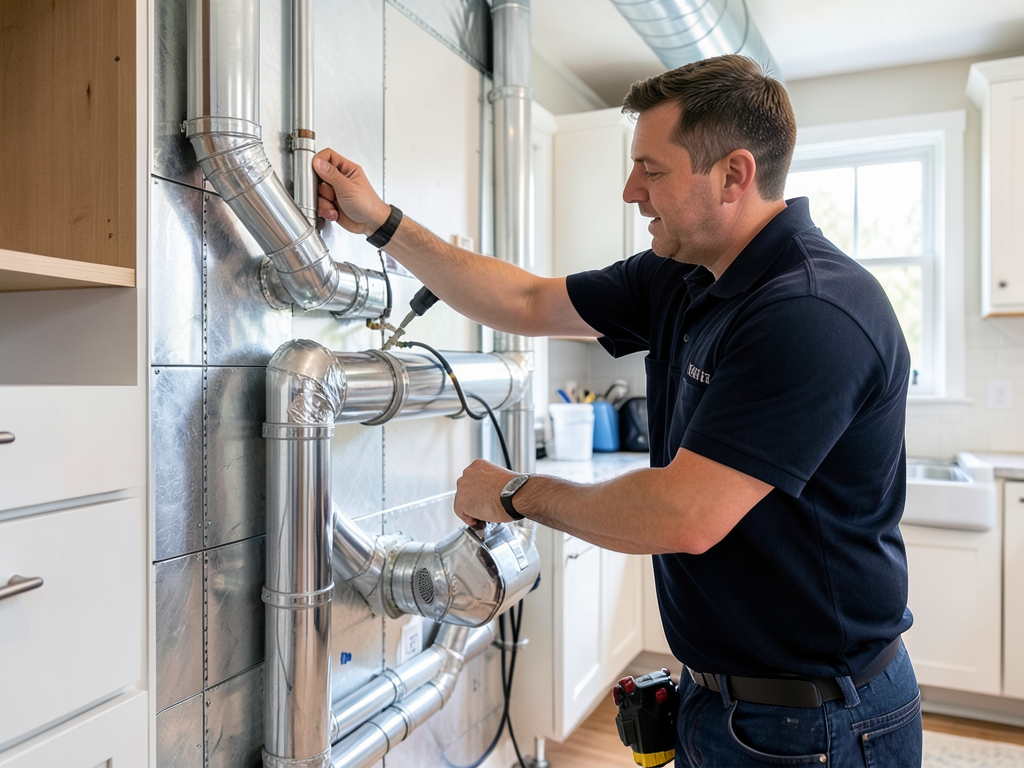
Moving Your Air Vents During a Major Kitchen Renovation in Upper Arlington Planning to move walls and reconfigure your kitchen…

Moving Your Air Vents During a Major Kitchen Renovation in Upper Arlington

Moving Your Air Vents During a Major Kitchen Renovation in Upper Arlington Planning to move walls and reconfigure your kitchen…

The Landlord Guide to Low Maintenance HVAC in the University District

The Landlord Guide to Low Maintenance HVAC in the University District \n\n Managing rental properties in Columbus’s University District comes…

Why Westerville Homeowners are Looking into Solar Ready HVAC Systems

Why Westerville Homeowners are Looking into Solar Ready HVAC Systems Westerville homeowners are increasingly exploring solar-ready HVAC systems as energy…

Contact Us

Stop suffering through rooms that never feel comfortable. Call Grand HVAC Columbus at (380) 253-3188 to schedule a comprehensive diagnostic. We will identify exactly why your home has uneven heating or cooling and provide clear solutions that restore balanced comfort throughout every room.