




Menu

Iced Up Evaporator Coil in Columbus – Expert Diagnosis Stops System Failure Fast

When your air conditioner coil freezing up threatens your comfort during Columbus summers, our technicians identify the root cause and restore proper airflow before compressor damage occurs.

Slider Image 1
Slider Image 2
Slider Image 3
Slider Image 4
Slider Image 5
Slider Image 7
Slider Image 8
Slider Image 9
Slider Image 10
Slider Image 11

Why Your Evaporator Coil Turns Into a Block of Ice in Columbus

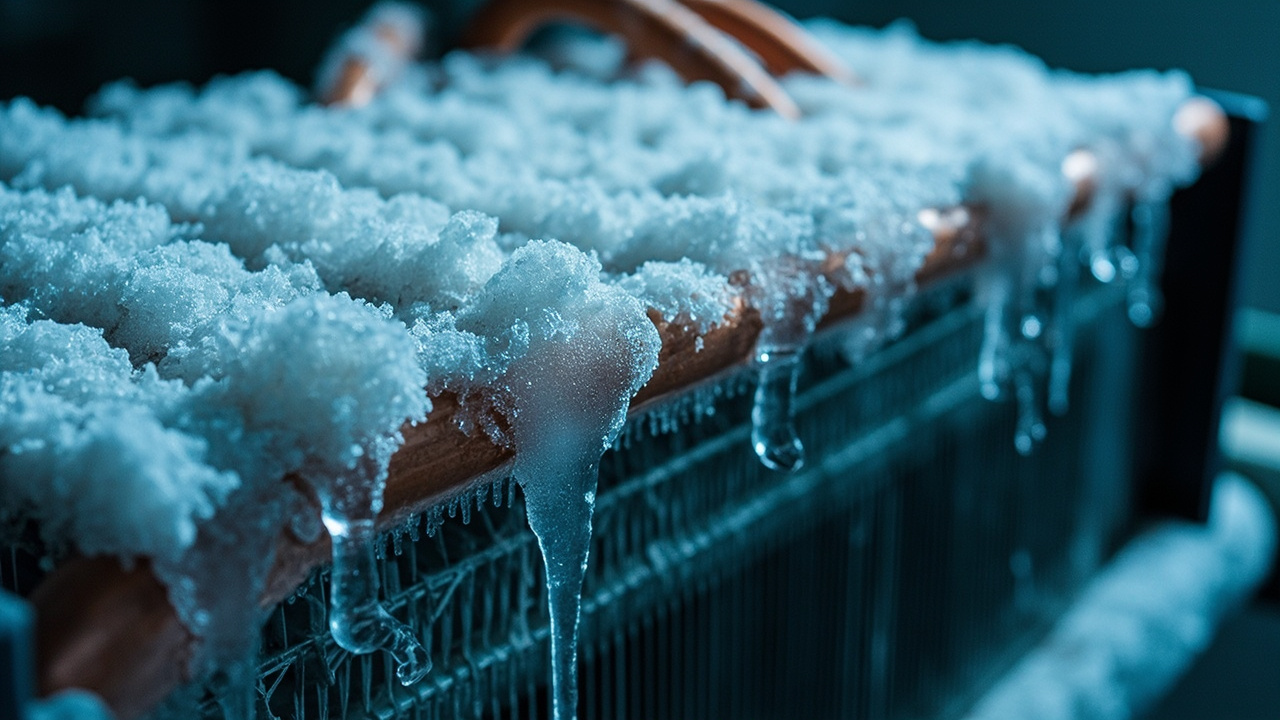
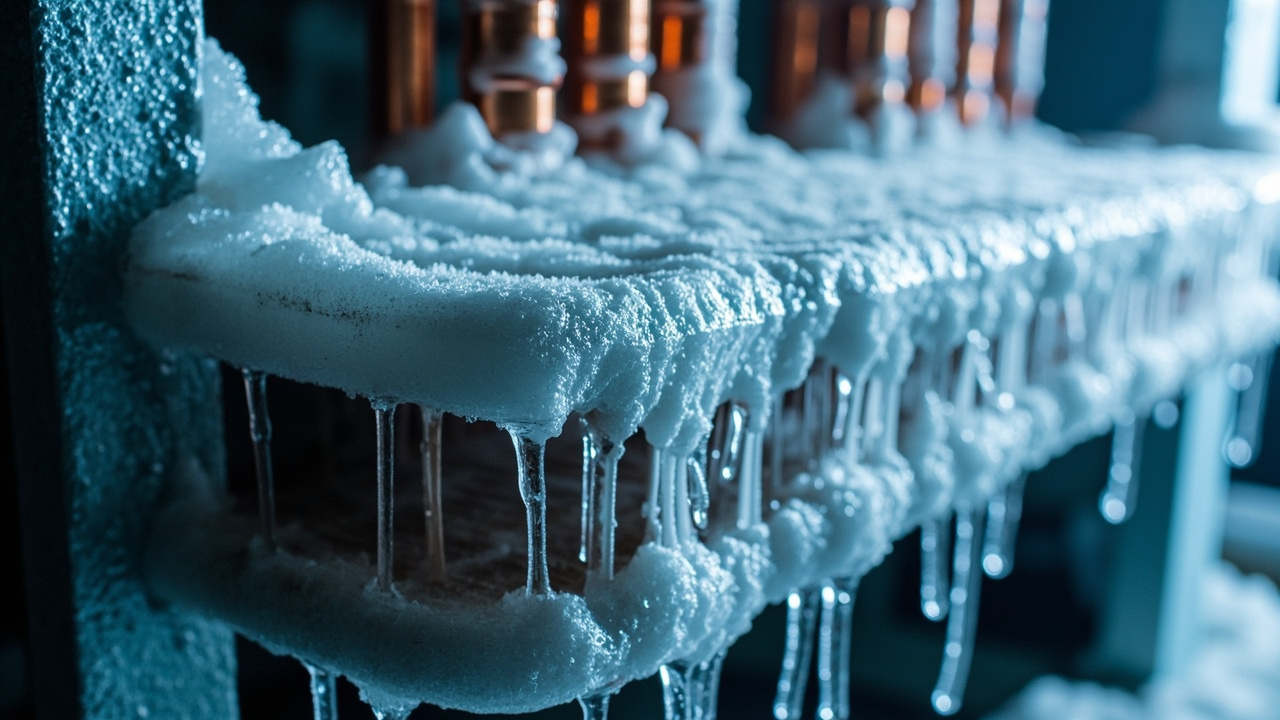
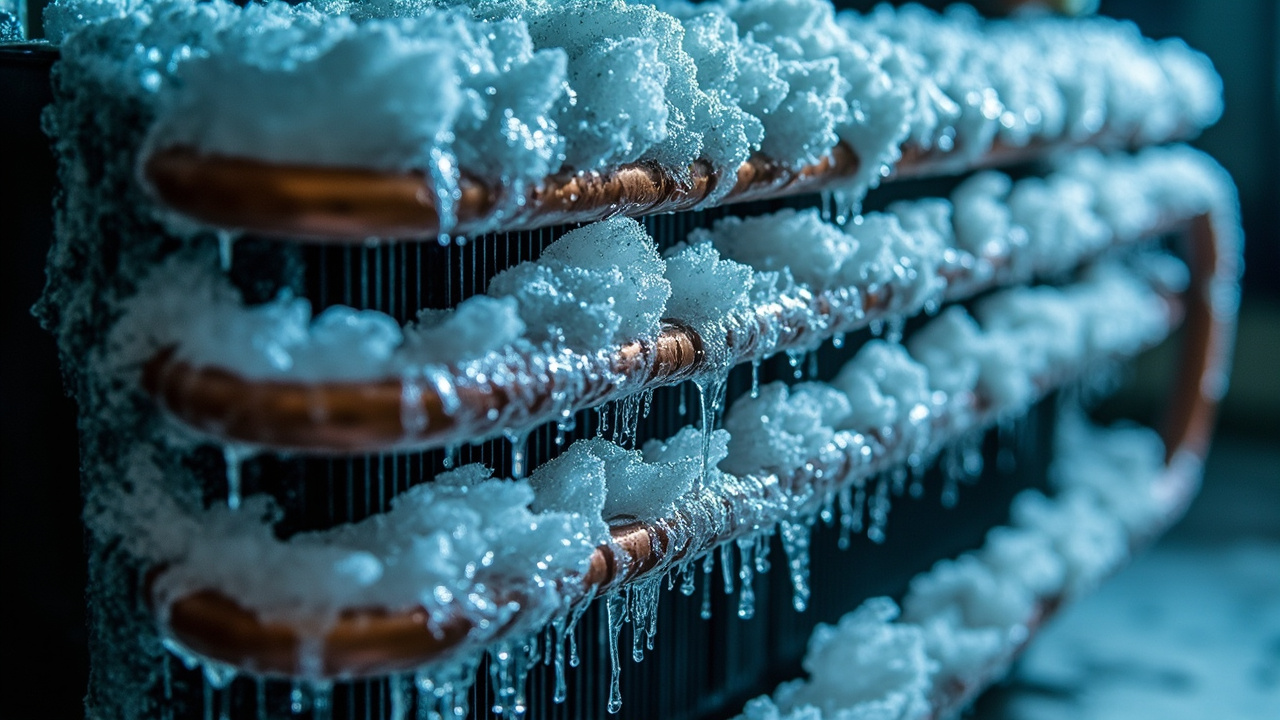
You walk to your thermostat, wondering why the house feels warm despite the AC running nonstop. You check the vents and feel barely any airflow. When you open the air handler cabinet, you see it: a frozen ac evaporator coil covered in thick ice, dripping water onto your floor.

Columbus homeowners face this frustration more than most. Our humid summer climate puts constant strain on AC systems. When relative humidity stays above 70% through June, July, and August, any airflow restriction causes immediate temperature drop across the coil surface. That moisture freezes instantly.

The problem starts small. A dirty filter reduces airflow by 40%. Low refrigerant from a slow leak drops coil temperature below 32 degrees. A failing blower motor can't push enough air across the fins. In Columbus homes with sealed ductwork and modern insulation, these issues compound quickly.

You see ice on evaporator coil surfaces because the system can't absorb heat properly. The refrigerant stays too cold. The coil becomes an ice block instead of a heat exchanger. Your compressor works harder, your energy bills spike, and you get no cooling.

Frozen cooling coils also create secondary damage. Ice expands inside the copper tubing. Water backs up into the drain pan. The overflow trips your float switch or floods your utility closet. Some Columbus homeowners discover the problem only after seeing water stains on their ceiling below the attic air handler.

The root cause varies. Blower wheel buildup. Collapsed flex duct. Refrigerant undercharge. Stuck expansion valve. Each symptom looks identical from the outside, but the fix depends on accurate diagnosis.

Ignoring an ac evaporator iced over condition leads to compressor failure. That repair costs thousands. The earlier you address frozen coils, the cheaper and faster the fix.

Why Your Evaporator Coil Turns Into a Block of Ice in Columbus
How We Diagnose and Fix Ice Buildup the Right Way

How We Diagnose and Fix Ice Buildup the Right Way

Most companies tell you to turn off the AC and wait for the ice to melt. That wastes your time and ignores the actual problem.

We start with a refrigerant pressure analysis. Our manifold gauges measure suction and discharge pressures while the system runs. If suction pressure drops below 60 PSI on a 95-degree day, we know refrigerant charge is low. If suction pressure reads normal but superheat exceeds 20 degrees, we look at airflow restrictions.

Next, we measure temperature splits. A properly functioning evaporator coil drops return air temperature by 18 to 22 degrees. Anything outside that range signals a problem. Low splits mean airflow issues. High splits point to refrigerant starvation.

We inspect the entire air handling system. Blower wheel buildup reduces CFM by half in some Columbus homes. The wheel looks clean from the outside, but the backside traps dust, pet hair, and pollen. We pull the wheel and clean every blade.

Ductwork matters. A single crushed flex duct section in your attic cuts airflow enough to freeze the coil. We check static pressure at the air handler and compare it to manufacturer specs. High static pressure means something downstream restricts flow.

Refrigerant leaks require leak detection with electronic sniffers and UV dye. Small leaks hide in evaporator coil joints, service valve cores, and flare connections. We fix the leak, pull a vacuum to remove moisture and air, then recharge to exact factory specifications using digital scales.

Expansion valve problems require symptom analysis. A stuck valve floods the coil with liquid refrigerant. You see ice buildup on the suction line running back to the condenser. We verify valve operation with temperature measurements and replace it if needed.

The fix depends on what we find. We explain the problem, show you the failed component if possible, and give you options before we proceed.

What Happens When We Respond to Your Frozen Coil Call

Iced Up Evaporator Coil in Columbus – Expert Diagnosis Stops System Failure Fast
01

Emergency System Shutdown

We guide you through safely shutting down the cooling system while leaving the blower fan running. This accelerates ice melt without risking electrical short circuits or compressor damage. We schedule arrival within your availability window and confirm our technician is en route with the diagnostic tools needed for frozen coil troubleshooting. Your system stays off until we identify why the evaporator iced over.
02

Complete Diagnostic Testing

Our technician connects manifold gauges, measures airflow with a hot wire anemometer, and checks electrical amperage on the blower motor. We photograph the frozen coil, inspect the condensate drain system, and test refrigerant pressures once the ice melts. Every measurement gets recorded. We compare your system performance against manufacturer specifications to isolate whether you have an airflow restriction, refrigerant issue, or mechanical failure causing the freeze.
03

Targeted Repair and Testing

After identifying the root cause, we complete the necessary repair. This might include cleaning the blower assembly, repairing a refrigerant leak and recharging the system, replacing a failed expansion valve, or correcting ductwork problems. We then run the system through a complete cooling cycle, monitoring coil temperature and airflow to confirm normal operation. You see verified temperature splits and proper refrigerant pressures before we leave.

Why Columbus Homeowners Trust Us With Frozen Coil Problems

Frozen coil diagnosis separates real technicians from parts changers. You need someone who understands thermodynamics, refrigerant behavior, and airflow dynamics. We bring that expertise to every call in Columbus.

Our technicians carry the diagnostic tools most companies skip. Digital manifold gauges with Bluetooth logging. Calibrated thermometers for superheat and subcooling calculations. Static pressure probes for ductwork analysis. Leak detectors sensitive to 0.1 ounces of refrigerant per year. These tools cost money, but they find problems other companies miss.

We understand Columbus home construction. Your 1990s two-story with the air handler in the attic faces different challenges than a ranch home with crawlspace ductwork. Attic temperatures hit 140 degrees in July. That heat soaks into your return duct and raises coil temperature just enough to mask a marginal airflow problem. We account for those variables when we diagnose your system.

Local building codes matter. Columbus requires secondary drain pans under attic air handlers. When your evaporator ices over and floods, that pan catches the overflow. We verify your safety switch works correctly so you get an alert before water damages your ceiling. Not every company checks these details.

We also know the common failures in systems installed by the largest Columbus builders. Certain subdivisions got undersized ductwork. Some neighborhoods have AC units one tonnage too small for the home. We recognize these patterns and give you realistic options.

You get straight answers. If your 18-year-old system has a failed evaporator coil and needs a refrigerant that costs more than a new system, we tell you. If a simple blower cleaning fixes the problem, we tell you that too. Our goal is solving your frozen coil issue correctly, not selling you something you do not need.

We serve Columbus homes in German Village, Clintonville, Worthington, and everywhere in between. Our trucks carry the parts most likely needed for frozen coil repairs, which means we complete most jobs the same day.

What You Can Expect When We Fix Your Frozen Coil

Fast Response Time

We answer calls seven days a week. You talk to a person who understands HVAC, not an answering service reading a script. We provide same-day service for frozen coil problems when you call before 2 PM on weekdays. Evening and weekend appointments are available. Our dispatch system sends you text updates with technician name, photo, and estimated arrival time. You know when we are coming, and we show up when promised.

Thorough System Evaluation

Your frozen coil diagnosis takes 45 to 90 minutes depending on what we find. We do not rush. Our technician walks you through every test and explains what the measurements mean. You see the dirty blower wheel or the refrigerant pressure readings on the gauge. We show you temperature differentials and airflow numbers. You get a written breakdown of the problem, not a vague explanation. This transparency helps you understand why the coil froze and what prevents it from happening again.

Quality Repairs That Last

We use OEM parts when available and high-quality aftermarket components when necessary. Refrigerant charges follow manufacturer specifications to the tenth of an ounce. Leak repairs get pressure tested before we recharge the system. Blower motors get replaced with exact CFM matches. We do not cut corners or use temporary fixes. When we finish the repair, your system operates at factory performance levels. You get cooling that works correctly, and your energy bills return to normal.

Prevention Guidance and Maintenance

After fixing your frozen coil, we explain how to prevent future problems. This includes filter change schedules specific to your household and duct system. We show you how to check your condensate drain and what early warning signs look like. If your system would benefit from a maintenance plan, we explain what that includes and how it protects your investment. Planned maintenance catches small problems before they become frozen coil emergencies. You get reminder calls when service is due.

Frequently Asked Questions

You Have Questions,
We Have Answers

What causes ice on an evaporator coil? +

Ice forms on your evaporator coil when airflow drops or refrigerant pressure imbalances occur. Dirty air filters block airflow, forcing the coil temperature below freezing. Collapsed ductwork or closed vents create the same problem. Low refrigerant from a leak causes pressure drops that freeze moisture on the coil surface. Columbus homes with older furnaces often have blower motor failures that reduce airflow. Thermostat malfunctions can cause the system to run continuously without proper cycling. Each scenario prevents the coil from absorbing heat correctly, turning normal condensation into ice buildup.

What is the best way to thaw out an iced up evaporator coil? +

Turn off your AC immediately at the thermostat. Switch the fan setting to ON to circulate warm air across the coil without running the compressor. This method thaws ice safely in 2 to 4 hours. Never chip or scrape ice off the coil, as you will damage the delicate aluminum fins. Place towels under the unit to catch meltwater. Columbus humidity levels mean significant water runoff during thawing. Do not restart the system until you identify the root cause. Repeated freeze-thaw cycles without fixing the underlying issue will damage your compressor.

Will low refrigerant cause an evaporator to ice up? +

Yes. Low refrigerant directly causes evaporator coil icing. When refrigerant levels drop from a leak, pressure inside the coil decreases. Lower pressure means lower temperature, often falling below 32 degrees. Moisture in your home's air freezes on contact with the super-cooled coil. You might notice reduced cooling before ice appears. Columbus area systems lose refrigerant from vibration cracks in copper line sets or corroded connections. Refrigerant does not evaporate or get used up. If levels are low, you have a leak that needs professional repair before recharging the system.

What is the likely cause for heavy icing in the evaporator coil? +

Heavy ice buildup points to severe airflow restriction or a major refrigerant leak. A completely clogged air filter is the most common culprit in Columbus homes. Closed or blocked supply registers in multiple rooms create similar problems. Failed blower motors stop air movement entirely, causing rapid ice accumulation. Refrigerant leaks at the evaporator coil itself create localized super-cooling and thick ice formation. Collapsed flex ductwork in attics restricts airflow dramatically. If ice covers the entire coil and extends to refrigerant lines, you need immediate professional diagnosis to prevent compressor damage.

Can I turn my AC back on after it thaws? +

Do not restart your AC until you fix the underlying problem. Running the system again without addressing airflow restriction or refrigerant loss will refreeze the coil within hours. First, replace dirty air filters and check that all vents are open. Inspect visible ductwork for damage or disconnections. If ice returns after these steps, you have a refrigerant leak or mechanical failure requiring professional repair. Columbus humidity accelerates ice formation when the root cause persists. Repeated freezing damages the compressor, turning a simple fix into a costly replacement. Get the system checked before restarting.

What are the six common causes of evaporator freezing? +

Six common causes are dirty air filters, low refrigerant from leaks, failed blower motors, closed supply vents, collapsed ductwork, and thermostat malfunctions. Columbus homes face additional risks from high humidity that increases condensation on coils. Dirty evaporator coils themselves restrict airflow and freeze. Oversized AC units short-cycle and fail to dehumidify properly, creating ice. Clogged condensate drains can indicate airflow problems that lead to freezing. Refrigerant overcharge from improper service causes pressure imbalances. Each issue prevents proper heat exchange at the coil, dropping temperatures below freezing and turning moisture into ice.

Can a frozen evaporator coil be fixed? +

Yes, a frozen evaporator coil can be fixed after you address the root cause. The coil itself usually survives freezing without permanent damage. The fix depends on the cause. Replace clogged filters, repair refrigerant leaks, fix blower motors, or clear blocked vents. Columbus HVAC techs will check refrigerant charge, test airflow, and inspect ductwork. If ice damaged the coil fins through expansion, a technician can comb them back into alignment. Severe cases with cracked coil tubing require coil replacement. Most freezing issues stem from maintenance neglect rather than equipment failure, making fixes straightforward and affordable.

What is the 3 minute rule for AC? +

The 3-minute rule prevents compressor damage after shutdown. Wait at least 3 minutes before restarting your AC. This delay allows refrigerant pressure to equalize between the high and low sides of the system. Starting the compressor with unbalanced pressure forces it to work against resistance, damaging internal components. Columbus temperature swings during summer create pressure fluctuations that make this rule critical. Most modern thermostats enforce this delay automatically through compressor protection circuits. If someone manually cycles your breaker or thermostat rapidly, you risk compressor failure. Always wait the full interval after any shutdown.

How to melt ice on an evaporator coil? +

Turn off the AC at the thermostat immediately. Switch the fan to ON to blow warm air across the coil without engaging the compressor. This method melts ice safely in 2 to 4 hours. You can speed thawing by turning on your furnace heat briefly if outdoor temperatures allow. Never use hot water, heat guns, or scrapers on the coil. These methods damage fins and tubing. Place towels or a pan under the unit to catch meltwater. Columbus homes with finished basements need extra care to prevent water damage during thawing. Address the freeze cause before restarting.

What is the $5000 AC rule? +

The $5000 rule guides AC replacement decisions. If your repair cost multiplied by your system age in years exceeds $5000, consider replacing instead of repairing. A $500 repair on a 12-year-old unit equals $6000, suggesting replacement. A $300 fix on a 5-year-old system equals $1500, making repair sensible. Columbus HVAC systems average 12 to 15 years lifespan due to humidity stress. Factor in efficiency improvements when deciding. Newer units use less energy, offsetting replacement costs through lower utility bills. This rule provides a quick financial benchmark, not an absolute mandate.

How Columbus Humidity Makes Frozen Evaporator Coils More Common

Columbus sits at the convergence of humid Gulf air and Great Lakes moisture. Summer dew points regularly hit 70 degrees, which means your AC pulls moisture from the air constantly. That moisture condenses on the evaporator coil. When airflow drops even slightly, the condensation freezes faster here than in drier climates. Columbus homes also tend to keep thermostats set lower during July and August heat waves, which increases coil load and makes any existing airflow restriction more likely to cause ice buildup. These local conditions mean your AC system operates under sustained stress that reveals minor problems quickly.

We have worked in Columbus homes since we opened. We know which neighborhoods have undersized ductwork from the building boom. We recognize the signs of age-related failures in systems common to this area. Local HVAC knowledge matters because your home faces specific challenges. Generic advice from national companies does not account for Columbus climate patterns or construction methods used in your subdivision. Choosing a local company means working with technicians who have fixed frozen coils in homes exactly like yours, in the same weather conditions, with the same system types.

HVAC Services in The Columbus Area

Grand HVAC Columbus is proud to serve the entire Columbus area and surrounding communities. We are committed to being a local, dependable resource for all your heating and cooling needs. Our convenient location ensures that we can respond quickly and efficiently to service calls, whether you're a residential or commercial client. We invite you to view our service area on the map to see how we can bring our expert HVAC solutions right to your doorstep.

Address:
Grand HVAC Columbus, 420 E 5th Ave, Columbus, OH, 43201

Additional Services We Offer

Our news updates

Latest Articles & News from The Blogs

Moving Your Air Vents During a Major Kitchen Renovation in Upper Arlington Planning to move walls and reconfigure your kitchen…

Moving Your Air Vents During a Major Kitchen Renovation in Upper Arlington

Moving Your Air Vents During a Major Kitchen Renovation in Upper Arlington Planning to move walls and reconfigure your kitchen…

The Landlord Guide to Low Maintenance HVAC in the University District

The Landlord Guide to Low Maintenance HVAC in the University District \n\n Managing rental properties in Columbus’s University District comes…

Why Westerville Homeowners are Looking into Solar Ready HVAC Systems

Why Westerville Homeowners are Looking into Solar Ready HVAC Systems Westerville homeowners are increasingly exploring solar-ready HVAC systems as energy…

Contact Us

Stop guessing why your evaporator coil keeps freezing. Call Grand HVAC Columbus at (380) 253-3188 right now. We provide same-day frozen coil diagnosis and repair throughout Columbus. Our technicians carry the tools and parts to fix most problems the first visit. Get your AC working correctly again.