







Menu

Benefits of Inverter Technology in Columbus – Cut Your Energy Bills by Up to 40%

Variable speed compressor technology adapts to Columbus's unpredictable weather swings, delivering precision comfort while slashing electricity consumption through intelligent load management that traditional single-stage systems cannot match.

Slider Image 1
Slider Image 2
Slider Image 3
Slider Image 4
Slider Image 5
Slider Image 7
Slider Image 8
Slider Image 9
Slider Image 10
Slider Image 11

Why Columbus Homeowners Are Switching to Inverter HVAC Systems

Columbus experiences dramatic temperature swings throughout the year. You deal with humid 95-degree summers and freezing winter nights that drop below 20 degrees. Traditional HVAC systems respond to these extremes by running full blast, then shutting off completely. This on-off cycling wastes massive amounts of electricity.

Inverter technology power savings come from a simple principle. The system adjusts compressor speed continuously based on actual demand. When your home needs cooling on a mild 78-degree afternoon, the compressor runs at 30% capacity instead of cycling on at 100% and wasting power. When humidity spikes after a thunderstorm rolls through German Village, the variable speed compressor ramps up gradually to remove moisture without the temperature roller coaster.

The advantages of inverter air conditioners show up fast on your utility bills. Single-stage systems burn through electricity during startup, the most energy-intensive moment of operation. An inverter system eliminates repeated startups by maintaining continuous operation at variable speeds. You avoid the power surge that happens when conventional compressors kick on.

Columbus residents near the Scioto River deal with higher humidity levels than neighborhoods in Upper Arlington. Inverter HVAC energy efficiency addresses this through precise dehumidification. The system runs longer at lower speeds, pulling moisture from the air without overcooling your space. Traditional systems cool too quickly and shut off before removing humidity, leaving you with that clammy feeling that makes 72 degrees feel like 78.

The pros of inverter heat pumps extend beyond summer comfort. During winter cold snaps, these systems maintain consistent warmth without the dramatic temperature swings that plague older furnaces.

Why Columbus Homeowners Are Switching to Inverter HVAC Systems
How Variable Speed Technology Actually Works in Your Home

How Variable Speed Technology Actually Works in Your Home

The inverter drive controls the compressor motor speed through direct current voltage modulation. Instead of running at a fixed 3,600 RPM like conventional systems, the compressor adjusts from 1,200 to 4,800 RPM based on thermal load calculations performed every 60 seconds.

Your thermostat sends temperature data to the control board. The inverter analyzes indoor and outdoor conditions, then determines the exact compressor speed needed to maintain your setpoint. If your home needs 40% cooling capacity, the system delivers exactly 40%. No energy waste from overshooting the target temperature.

The refrigerant circuit benefits from this precision. Traditional systems push refrigerant through the expansion valve at maximum pressure, then abruptly stop. This causes pressure shock and refrigerant migration back to the compressor. Variable speed compressor benefits include stable refrigerant flow that reduces wear on components and prevents the liquid slugging that destroys conventional compressors.

The blower motor operates independently on its own inverter drive. During high humidity conditions common in Columbus summers, the system can reduce blower speed while maintaining compressor operation. This increases coil contact time for moisture removal. You get better dehumidification without excessive cooling.

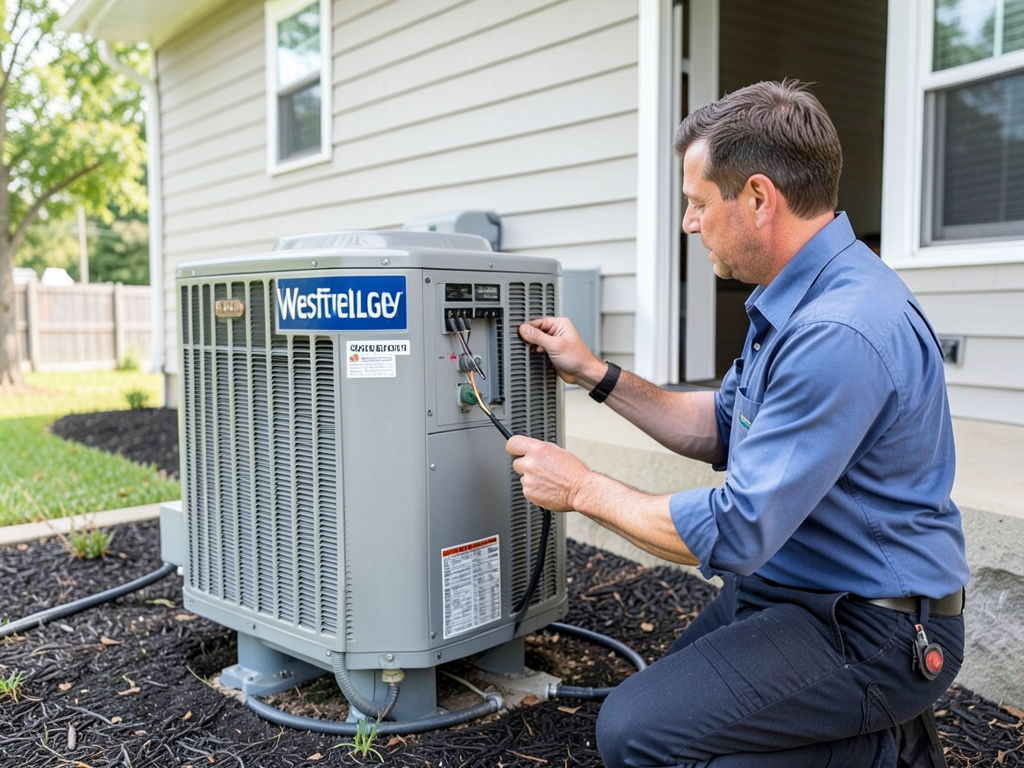
Sound reduction comes from eliminating startup noise. A conventional compressor starting creates 75-80 decibels of noise as the motor fights inrush current. Inverter systems ramp up gradually, staying below 55 decibels during normal operation. Your outdoor unit becomes nearly silent, which matters if you have a condensing unit near a bedroom window.

The soft-start capability protects your electrical system. Traditional HVAC startup draws 30-50 amps instantaneously. Inverter technology spreads that load over 30 seconds, reducing peak demand and preventing voltage sags that dim lights throughout your home.

What Happens During Your Inverter System Evaluation

Benefits of Inverter Technology in Columbus – Cut Your Energy Bills by Up to 40%
01

Load Calculation Analysis

We measure your home's actual cooling and heating requirements using Manual J calculations. This includes wall insulation values, window U-factors, and infiltration rates specific to your construction type. Columbus homes built before 1980 typically need different sizing than newer construction in Easton. We account for your home's orientation, shade coverage, and occupancy patterns to determine the optimal inverter system capacity range.
02

System Compatibility Assessment

03

Energy Savings Projection

Why Columbus Property Owners Trust Local Inverter Technology Expertise

Installing inverter HVAC systems requires understanding how these units behave in Columbus's climate zone. Summer dew points regularly hit 70 degrees, creating conditions where improper installation leads to inadequate moisture removal. We size systems based on latent load requirements, not just sensible cooling capacity.

The refrigerant charge must be exact. Inverter compressors operate across wide speed ranges, making them sensitive to charge accuracy. A system that is 5% overcharged will lose 15% efficiency and experience compressor flooding at low speeds. We use digital manifolds and superheat calculations specific to variable speed operation, not the generic charging charts that come with conventional equipment.

Columbus electrical codes require proper disconnect sizing and wire gauge calculations based on maximum ampacity, not running amperage. Inverter systems draw low current during normal operation but need electrical infrastructure sized for peak demand. We install disconnect boxes and branch circuits that meet NEC 440.6 requirements for hermetic motor compressors with inverter drives.

Your ductwork affects inverter system performance more than conventional equipment. These systems run longer cycles at lower speeds, which means any duct leakage becomes magnified over time. We pressure test duct systems and seal leaks before commissioning inverter equipment. A duct system with 20% leakage will negate most efficiency gains from inverter technology.

The startup commissioning process takes longer than traditional HVAC installation. We program the control board parameters for your specific home characteristics, set the electronic expansion valve opening rates, and calibrate the inverter drive response curves. This fine-tuning ensures the system operates at peak efficiency from day one, not six months later after you have already wasted money on suboptimal performance.

What You Get with Professional Inverter System Installation

Installation Timeline and Scheduling

Complete inverter system installations take 8-12 hours for straightforward replacements. Complex installations requiring electrical upgrades or duct modifications extend to two days. We schedule installations during moderate weather when possible, so you are not without cooling or heating during extreme temperatures. You get a specific arrival window, not an all-day waiting game. Our crews arrive with all necessary equipment and materials to complete the job in one visit. We do not leave your home torn apart overnight while waiting for parts.

Pre-Installation Assessment Process

Before installation day, we verify your electrical service capacity and inspect the installation location for proper clearances. We photograph your existing system and ductwork to document conditions. You receive a detailed scope of work that explains exactly what we will modify or replace. We identify any additional work needed before installation, like electrical panel upgrades or condensate pump installation. No surprise charges appear on installation day. We test your existing thermostat wiring to confirm compatibility with inverter system controls and determine if new thermostat wire runs are needed.

System Performance and Efficiency

Your inverter system delivers consistent temperature control within one degree of setpoint. You will notice the elimination of hot and cold spots that plague single-stage equipment. Humidity levels stay between 40-50% during summer without separate dehumidification equipment. The system operates quietly, typically below 55 decibels at the outdoor unit. You get digital diagnostics that alert you to maintenance needs before they become failures. Runtime data shows you exactly how the system performs and confirms the energy savings you see on utility bills.

Maintenance Requirements and Support

Inverter systems need annual maintenance focused on refrigerant circuit integrity and control system calibration. We inspect inverter drive components for signs of electrical stress and verify compressor winding resistance stays within specifications. Filter changes become more critical because extended runtime accumulates debris faster than conventional systems. You receive maintenance reminders based on actual runtime hours, not arbitrary calendar dates. Our diagnostic software downloads operating data from your system to track performance trends and identify developing issues. Emergency service for inverter systems requires specialized training, you get technicians who understand variable speed compressor diagnostics.

Frequently Asked Questions

You Have Questions,
We Have Answers

What are the benefits of inverter technology? +

Inverter technology adjusts compressor speed to match your cooling demand instead of cycling on and off. You get consistent temperatures without the temperature swings common in Columbus homes during humid summers. Inverter systems use 30 to 50 percent less energy because the compressor runs at variable speeds rather than full blast every time. You will notice quieter operation, longer equipment life, and better humidity control during those sticky July and August days. The technology reduces wear on components by eliminating hard starts, which means fewer repair calls and lower utility bills year-round.

What is the disadvantage of an inverter? +

The main disadvantage is upfront cost. Inverter systems cost more to purchase and install compared to conventional single-stage units. If your inverter control board fails, replacement parts run higher than standard components. Columbus homeowners with tight budgets may struggle to justify the initial investment, even though you recoup costs through energy savings over time. Inverter systems also require qualified technicians for repairs. Not every HVAC contractor has experience with inverter diagnostics. If you plan to move within three to five years, you may not stay long enough to realize the full payback.

What should you not plug into an inverter? +

Never plug laser printers, welders, or large power tools into a portable inverter. These devices create power surges that exceed most inverter capacities. Avoid plugging in equipment with heavy inductive loads like table saws or air compressors. Medical devices requiring pure sine wave power should only connect to inverters rated for that output. Space heaters and high-wattage appliances drain batteries fast and can overheat smaller inverters. Microwave ovens often draw more startup current than inverters can handle. Check the wattage rating on your inverter before connecting any appliance to prevent damage or fire risk.

What are the benefits of digital inverter technology? +

Digital inverter technology provides precise compressor speed control through microprocessor management. You get faster temperature adjustments when Columbus weather shifts from mild mornings to hot afternoons. The digital controls monitor室温 in real time and make micro-adjustments every few seconds. This precision reduces energy waste and improves comfort. Digital inverters produce less electrical noise and operate more efficiently at partial loads compared to older analog systems. The technology extends compressor life by preventing the mechanical stress of constant stops and starts. You also get better diagnostics since digital systems can report error codes to help technicians troubleshoot problems faster.

Can an inverter run a fridge? +

Yes, an inverter can run a refrigerator, but you need proper sizing. A standard fridge uses 100 to 800 watts while running, but startup draw spikes to 1,200 to 2,400 watts. Your inverter must handle that surge current. A 2,000-watt inverter works for most home refrigerators. In Columbus, homeowners use inverters during power outages from summer storms. Make sure you have adequate battery capacity. A fridge cycles on and off, so calculate total watt-hours needed over time. Use pure sine wave inverters for refrigerators with electronic controls to prevent damage to the compressor.

Is it worth getting an inverter? +

Yes, if you plan to stay in your Columbus home for five years or longer. Inverter HVAC systems pay for themselves through lower electric bills, especially during hot, humid summers when air conditioning runs constantly. You save 30 to 50 percent on cooling costs compared to single-stage systems. The improved comfort and quieter operation add quality-of-life value. If your current system is over 10 years old, upgrading to inverter technology makes financial sense. Older homes in German Village or Clintonville benefit most because inverter systems handle varying loads better than conventional units in homes with inconsistent insulation.

What are the problems with inverters? +

Inverter problems include control board failures, which cost more to replace than standard components. Capacitors wear out faster in some inverter models. Dirty coils cause inverter systems to work harder, reducing efficiency gains. Columbus humidity accelerates corrosion on electronic components if condensate drains clog. Some inverters struggle in extreme cold, reducing heating efficiency during January cold snaps. Poor installation causes refrigerant charge issues that confuse inverter sensors. Voltage fluctuations from old electrical panels can damage inverter circuits. Regular maintenance prevents most problems, but repairs require technicians trained on inverter diagnostics, which limits your service options in the Columbus area.

What is the 3 minute rule for AC? +

The 3-minute rule prevents compressor damage by requiring a waiting period between shut-off and restart. When your air conditioner stops, refrigerant pressure equalizes between the high and low sides of the system. Restarting too quickly forces the compressor to work against high pressure, which damages internal components. Modern inverter systems often have built-in delay timers. In Columbus, power flickers during summer storms can trigger rapid cycling. The 3-minute rule protects your compressor from short cycling damage. Manual thermostats should wait three full minutes before restarting. Smart thermostats and inverter controls manage this automatically.

Which one is better, AC or inverter? +

This question compares inverter air conditioners to conventional AC systems. Inverter technology is better for long-term efficiency and comfort. Conventional single-stage AC units cost less upfront but waste energy through constant on-off cycling. Inverter systems adjust compressor speed to match demand, using less electricity during Columbus summers. You get steadier temperatures and better humidity control. Conventional systems work fine for budget-conscious homeowners or rental properties. Inverter technology wins for primary residences where you pay the electric bills. The choice depends on your budget, how long you plan to stay, and your comfort priorities.

What appliances should not be used with an inverter? +

Avoid using heating appliances like space heaters, hair dryers, or curling irons with inverters. These devices draw high continuous wattage that drains batteries quickly. Do not connect motor-heavy tools like circular saws or vacuum cleaners unless your inverter is rated for surge loads. Sump pumps and well pumps require specialized inverters with high surge capacity. Laser printers create power spikes that damage smaller inverters. Older televisions with cathode ray tubes draw high startup current. Medical equipment like CPAP machines work fine, but check that your inverter produces clean sine wave power to avoid damaging sensitive electronics.

How Columbus Humidity Cycles Make Inverter Technology Essential

Columbus sits in a humid continental climate zone where summer dew points swing 20 degrees in 48 hours. A humid 75-degree morning after overnight storms transitions to a dry 85-degree afternoon by Thursday. Traditional HVAC systems cannot adapt to these rapid changes. They either overcool during humid periods or waste energy overshooting temperature targets when humidity drops. Inverter HVAC energy efficiency shines during these transitions because the variable speed compressor adjusts refrigerant flow to match actual latent and sensible loads. You avoid the clammy feeling that comes from systems that cool too fast without removing moisture.

Columbus requires HVAC contractors to follow Ohio Mechanical Code Chapter 4, which mandates proper equipment sizing and installation standards. Many contractors ignore these requirements when installing inverter systems, treating them like conventional equipment. The result shows up as short cycling, poor humidity control, and efficiency losses that negate the technology's benefits. Working with technicians who understand IMC 403.2 load calculation requirements and AHRI 210/240 testing standards ensures your inverter system performs as designed. Local expertise matters because Columbus homes built in different eras require different approaches to ductwork integration and electrical service upgrades.

HVAC Services in The Columbus Area

Grand HVAC Columbus is proud to serve the entire Columbus area and surrounding communities. We are committed to being a local, dependable resource for all your heating and cooling needs. Our convenient location ensures that we can respond quickly and efficiently to service calls, whether you're a residential or commercial client. We invite you to view our service area on the map to see how we can bring our expert HVAC solutions right to your doorstep.

Address:
Grand HVAC Columbus, 420 E 5th Ave, Columbus, OH, 43201

Additional Services We Offer

Our news updates

Latest Articles & News from The Blogs

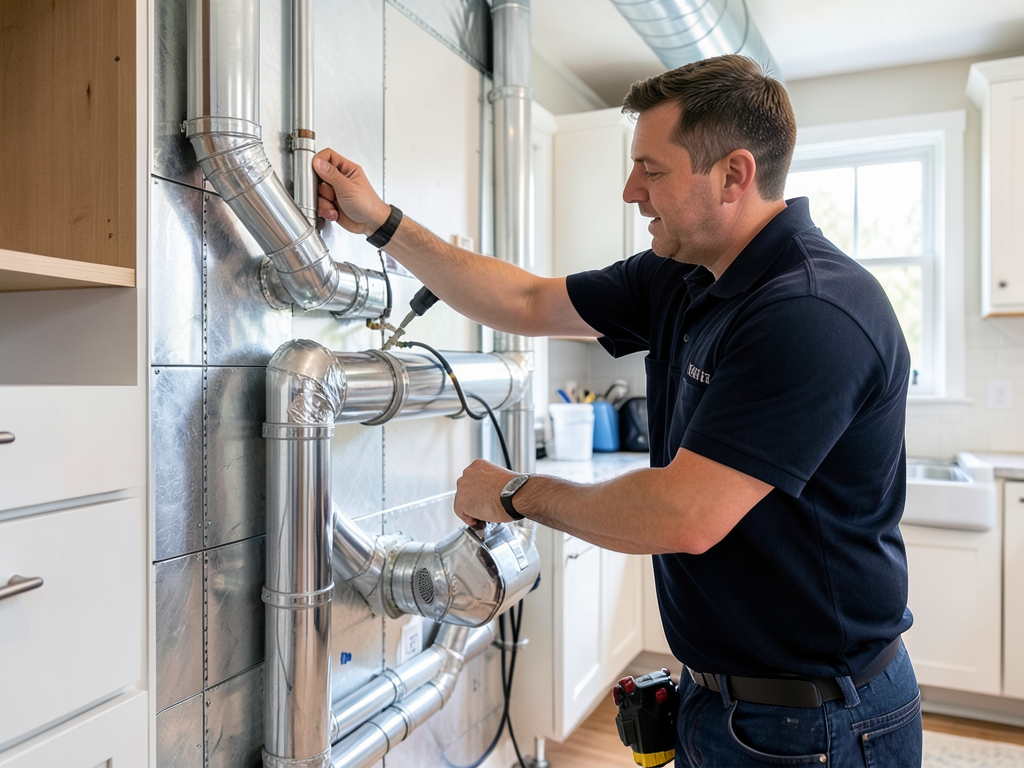
Moving Your Air Vents During a Major Kitchen Renovation in Upper Arlington Planning to move walls and reconfigure your kitchen…

Moving Your Air Vents During a Major Kitchen Renovation in Upper Arlington

Moving Your Air Vents During a Major Kitchen Renovation in Upper Arlington Planning to move walls and reconfigure your kitchen…

The Landlord Guide to Low Maintenance HVAC in the University District

The Landlord Guide to Low Maintenance HVAC in the University District \n\n Managing rental properties in Columbus’s University District comes…

Why Westerville Homeowners are Looking into Solar Ready HVAC Systems

Why Westerville Homeowners are Looking into Solar Ready HVAC Systems Westerville homeowners are increasingly exploring solar-ready HVAC systems as energy…

Contact Us

Stop wasting money on outdated HVAC technology. Call (380) 253-3188 now for a detailed energy assessment. We will calculate your exact savings potential and show you how inverter technology solves your specific comfort problems. Same-day consultations available throughout Columbus.