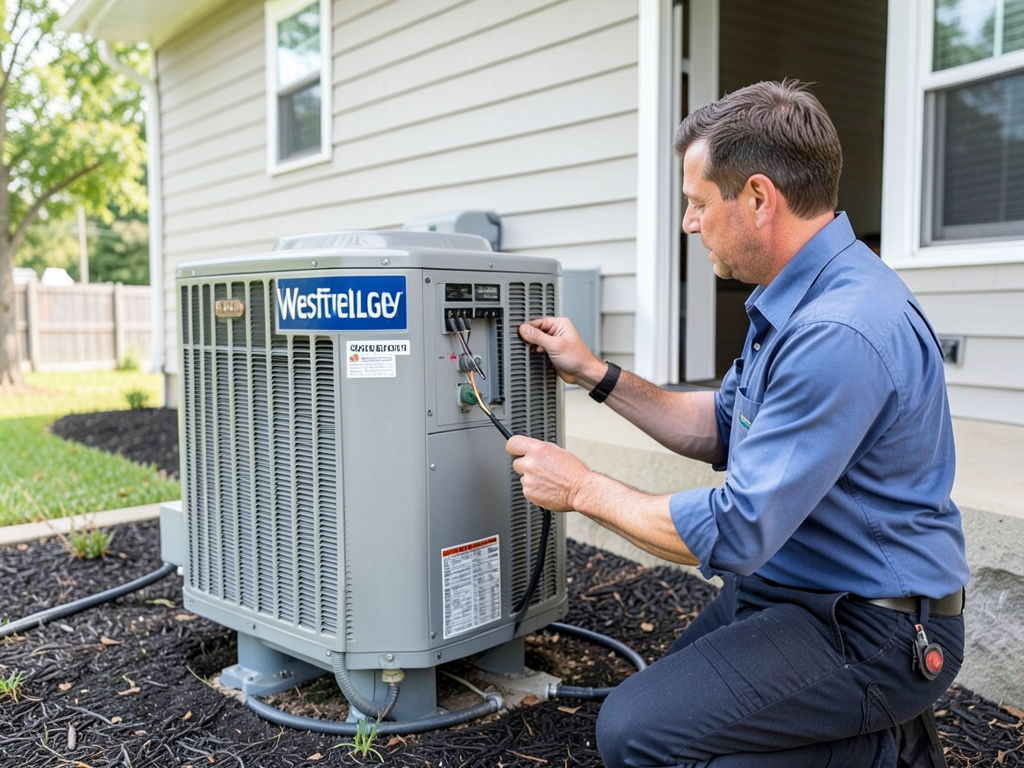







Columbus averages 28 inches of annual precipitation spread across all seasons. That moisture affects heat pump efficiency during winter. When outdoor coils frost during humid cold snaps, the system must run defrost cycles that temporarily reverse operation. Frequent defrost cycling reduces heating capacity and increases auxiliary heat usage. Properly sized heat pumps with adaptive defrost controls minimize this efficiency loss, but undersized units or those with fixed defrost timers waste energy. Columbus's humidity also affects cooling season dehumidification. Heat pumps with variable-speed air handlers provide better moisture removal than single-stage units, which matters during muggy July and August weather.
We have installed heating systems throughout Franklin County since Columbus winters demand reliable heat and summers require efficient cooling. That dual requirement makes heat pump vs furnace decisions more nuanced than in single-season climates. We understand how German Village's brick homes retain heat differently than Worthington's frame construction. We know which Columbus neighborhoods have three-phase power that allows larger heat pump installations. We work with Columbus building inspectors regularly and understand their expectations for combustion venting, refrigerant handling, and electrical upgrades. Local expertise prevents code violations and ensures your system works correctly in Columbus's specific climate conditions.